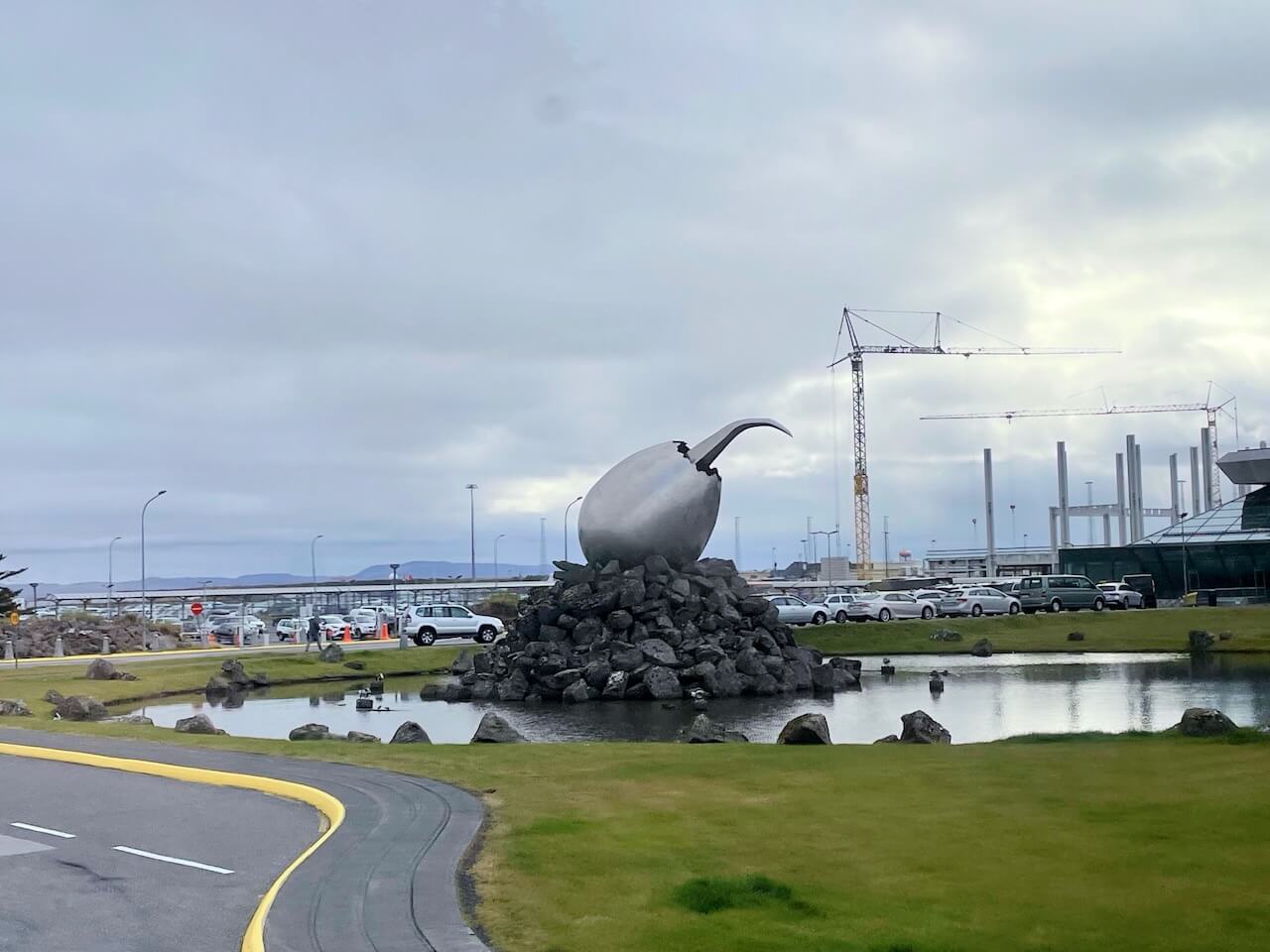
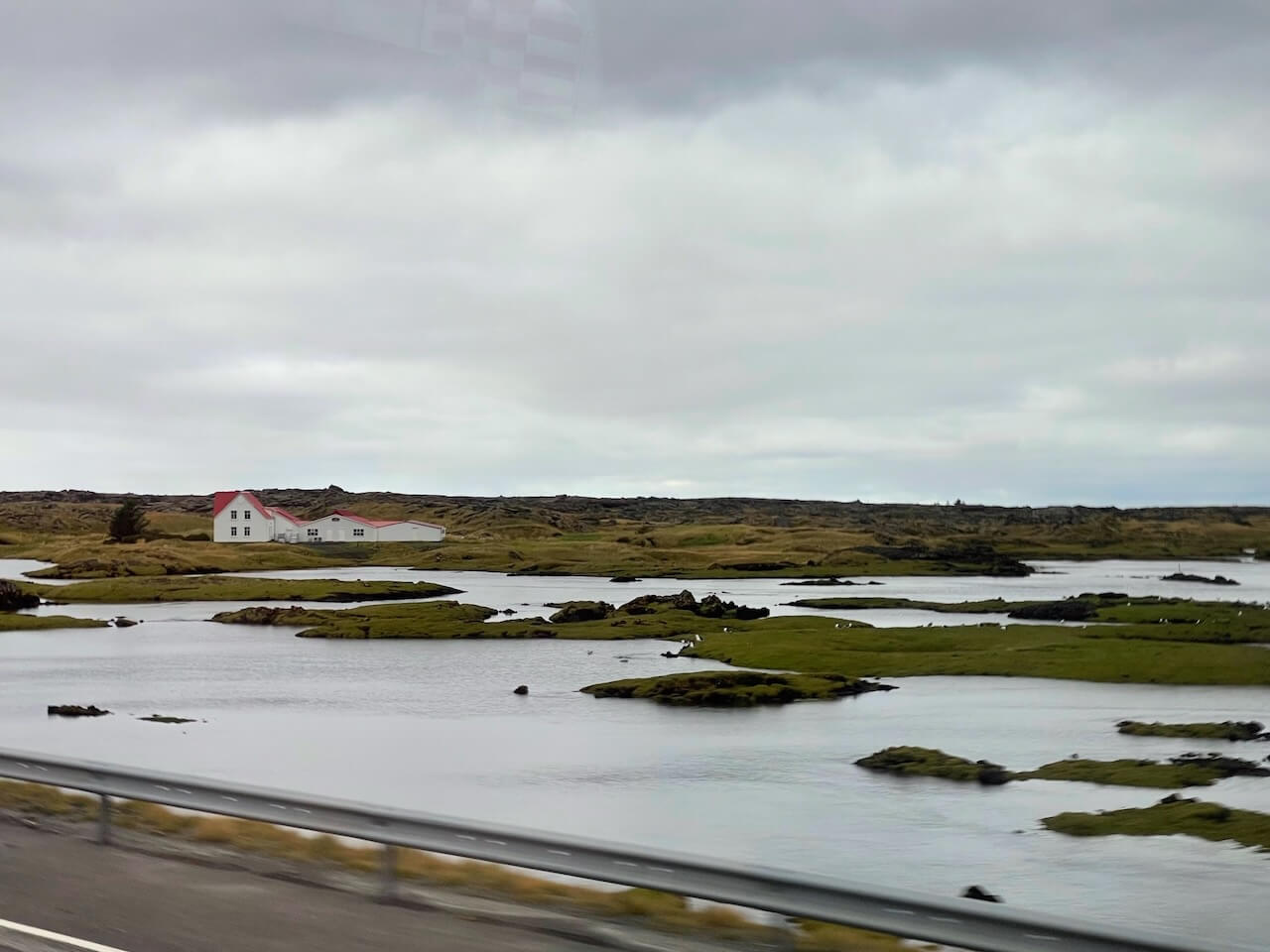
We landed at Keflavík expecting Iceland to slap us in the face with dramatic weather… and instead it just smiled politely. Calm skies, soft light, not a single strand of hair out of place. I felt slightly cheated. Where was the cinematic chaos? The lava fields around the airport stretched out quietly, covered in moss like a very patient alien carpet. Even the giant metal egg sculpture outside looked peaceful, perched on its rocks like it had finally found inner balance. Iceland, apparently, can do zen.
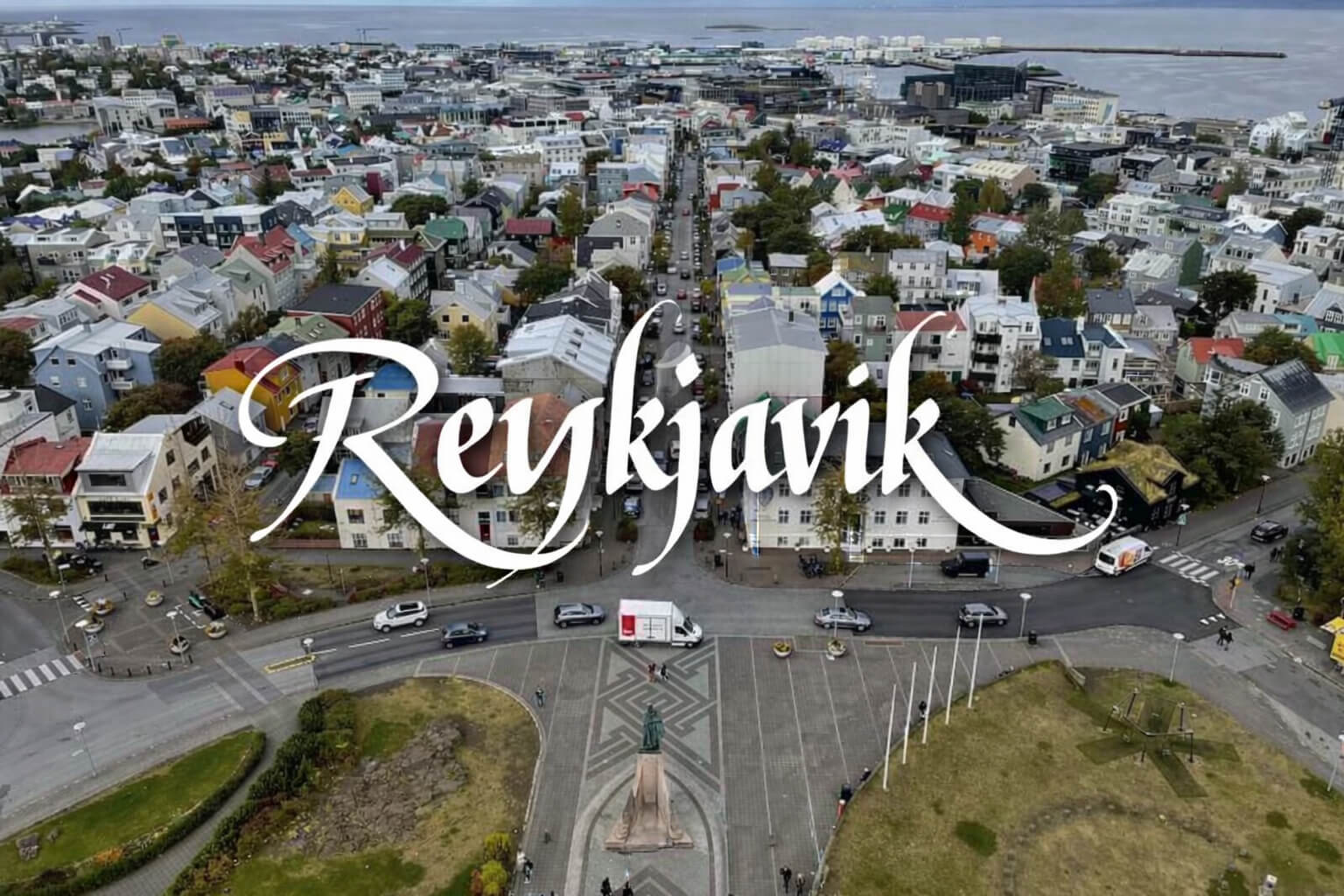
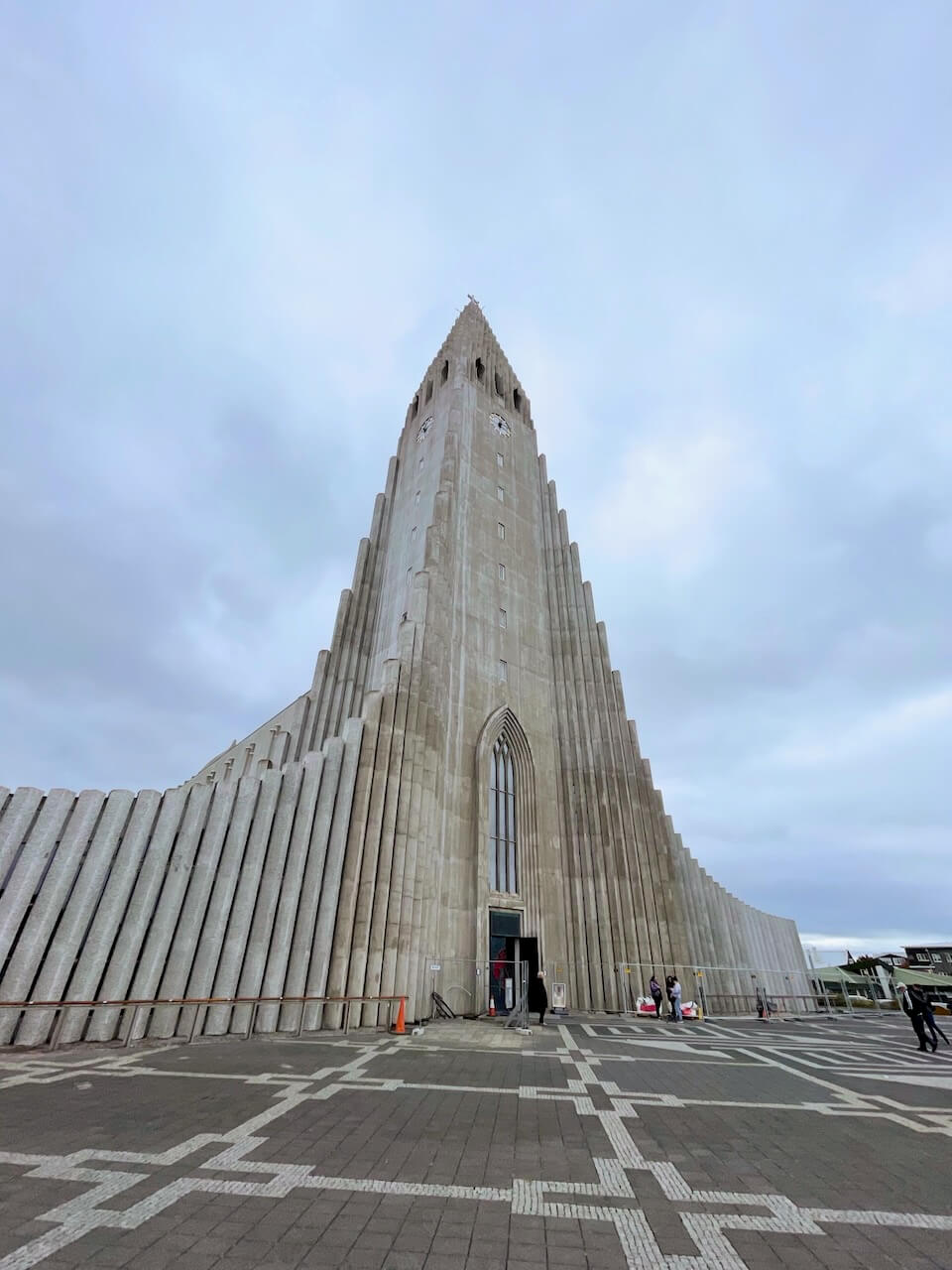
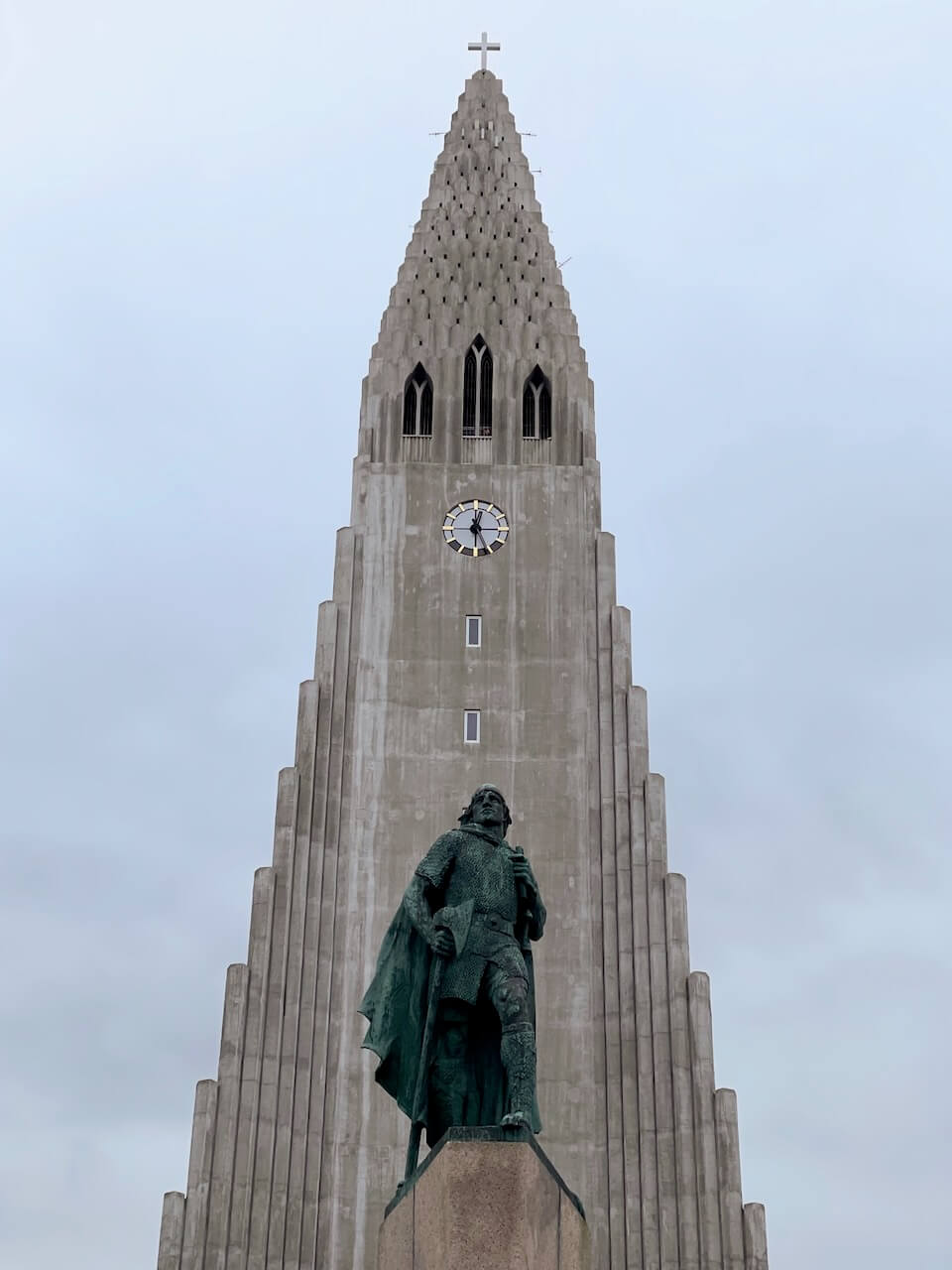
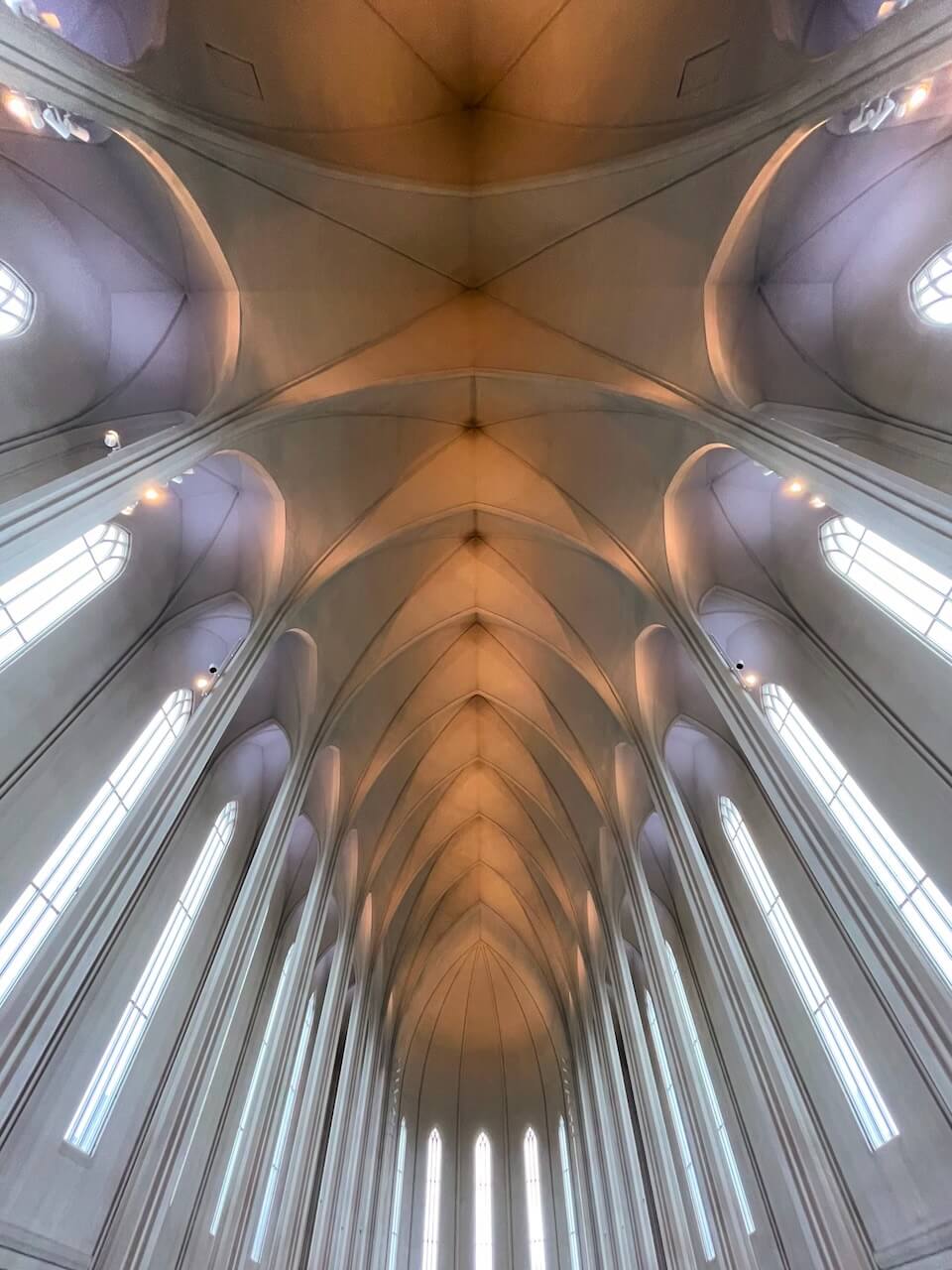
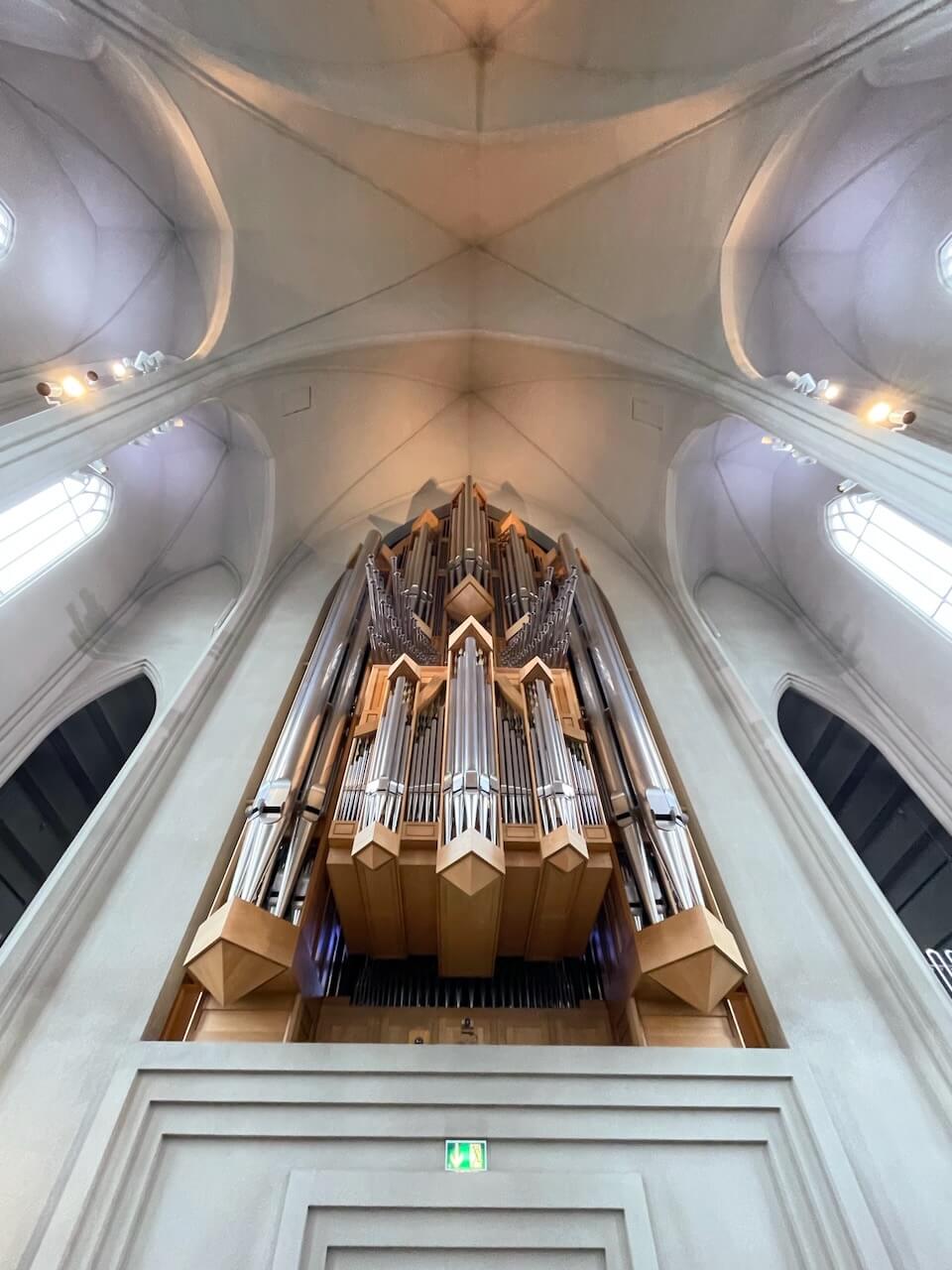
In the center of Reykjavik stands Hallgrímskirkja — the church that looks like a basalt rocket ship decided to settle down and become holy. It rises sharply above the city, all geometric drama and Nordic confidence. From its steps, the rooftops below spill out in bright reds, blues, and greens, stacking toward the horizon as if the houses themselves are trying to climb up and join the church at the top. It’s architectural ambition in full color. I stood there taking photos I absolutely did not need more of, convinced each one was “the best angle yet.”
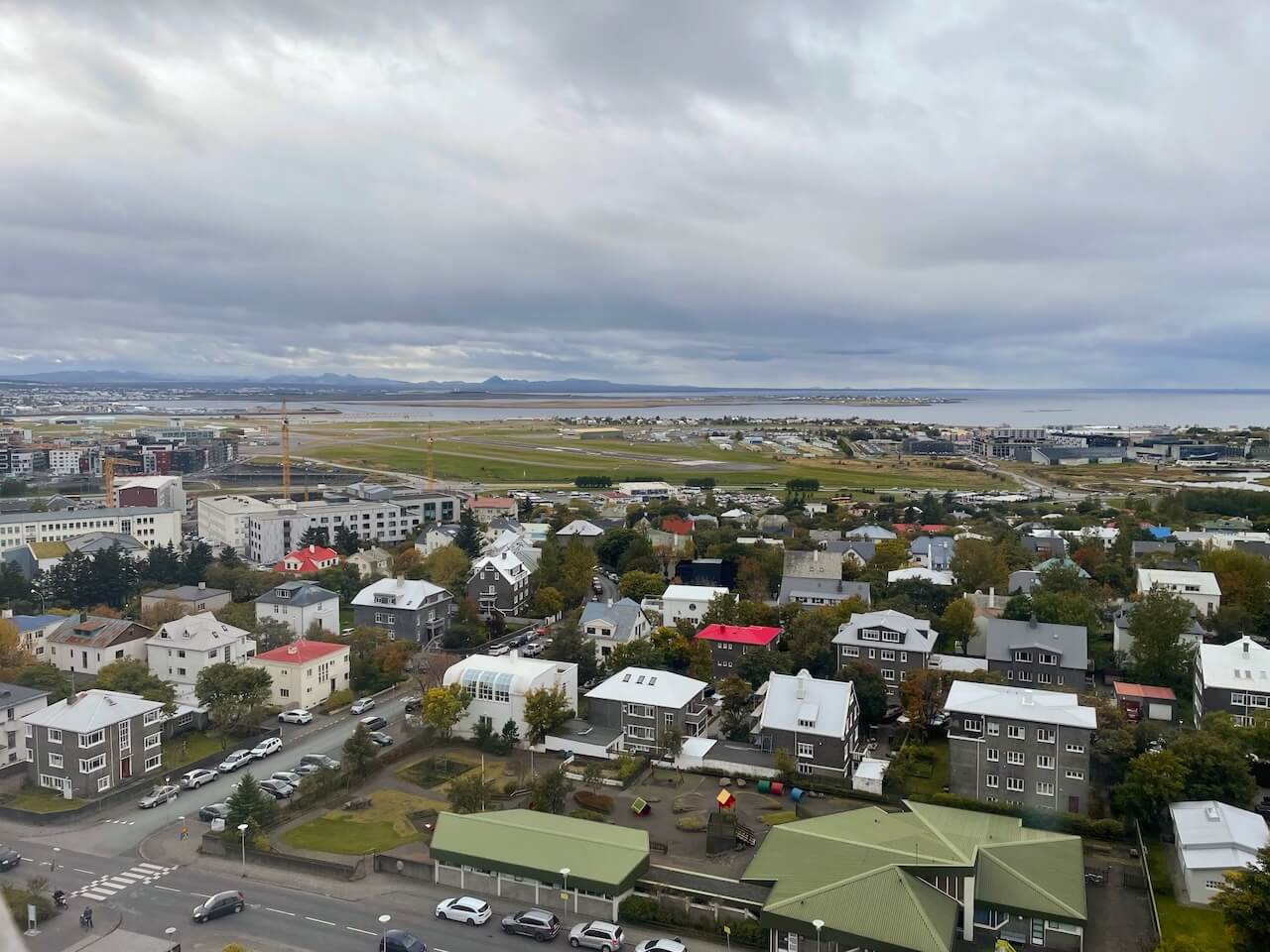
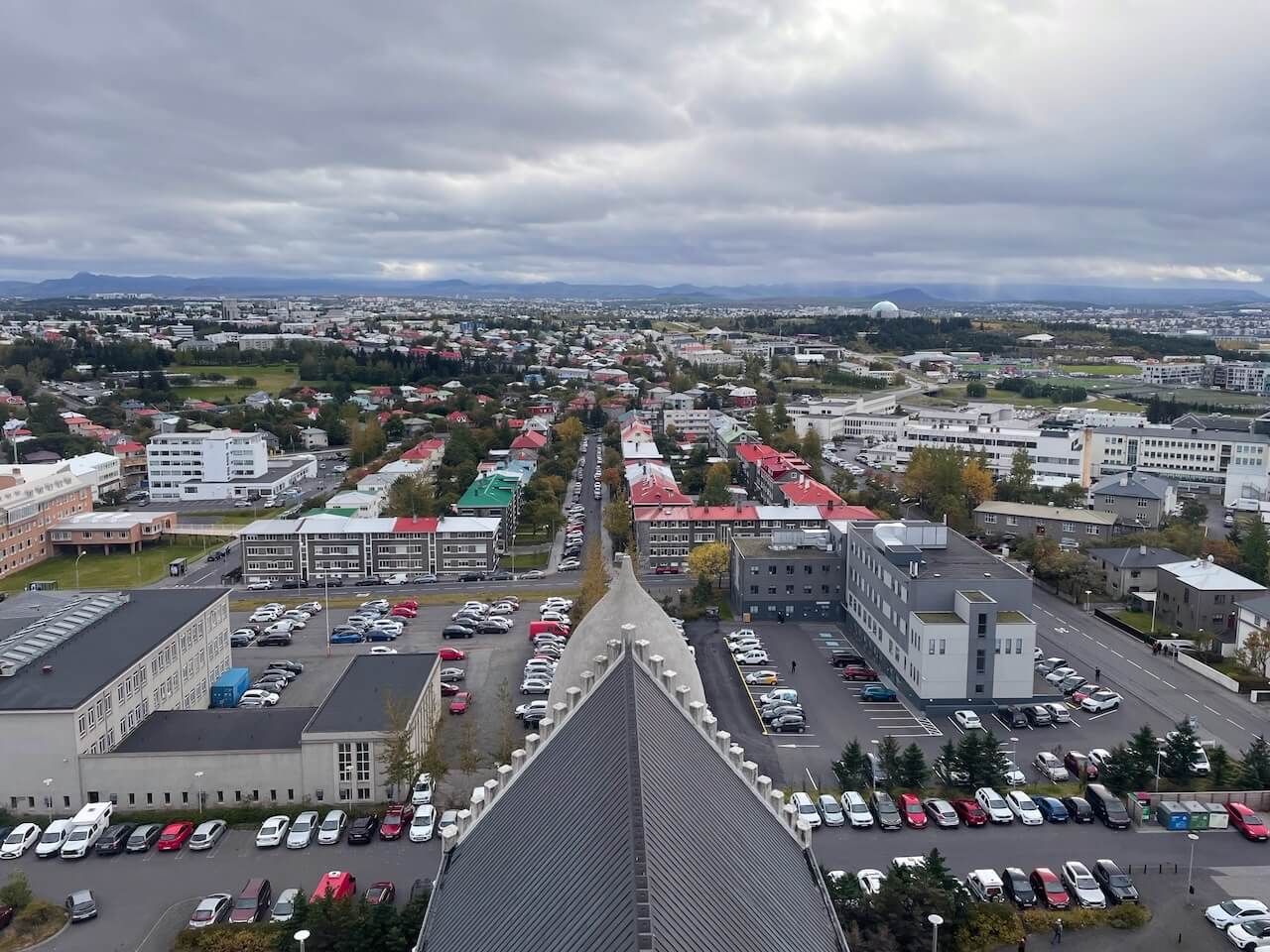
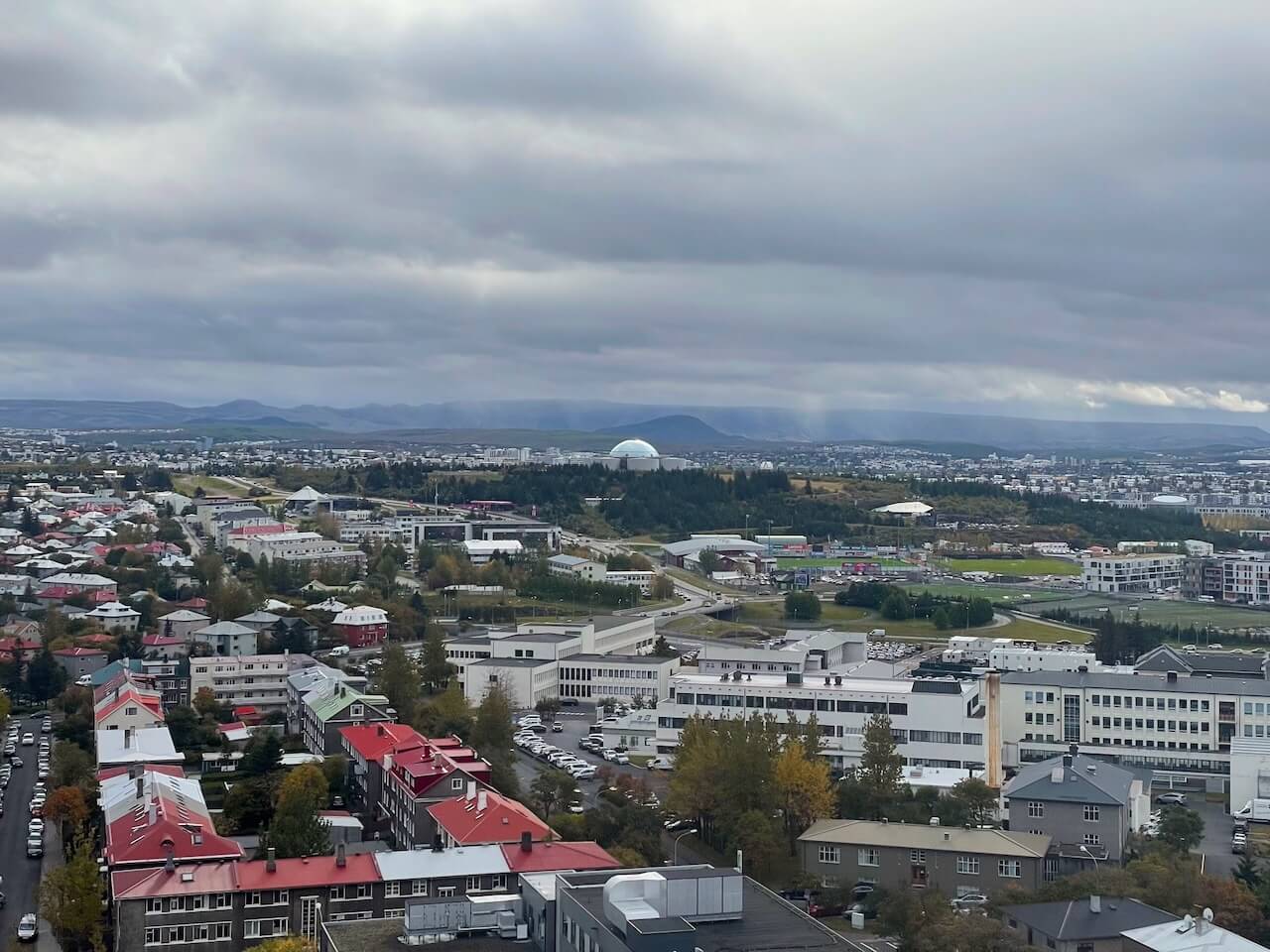
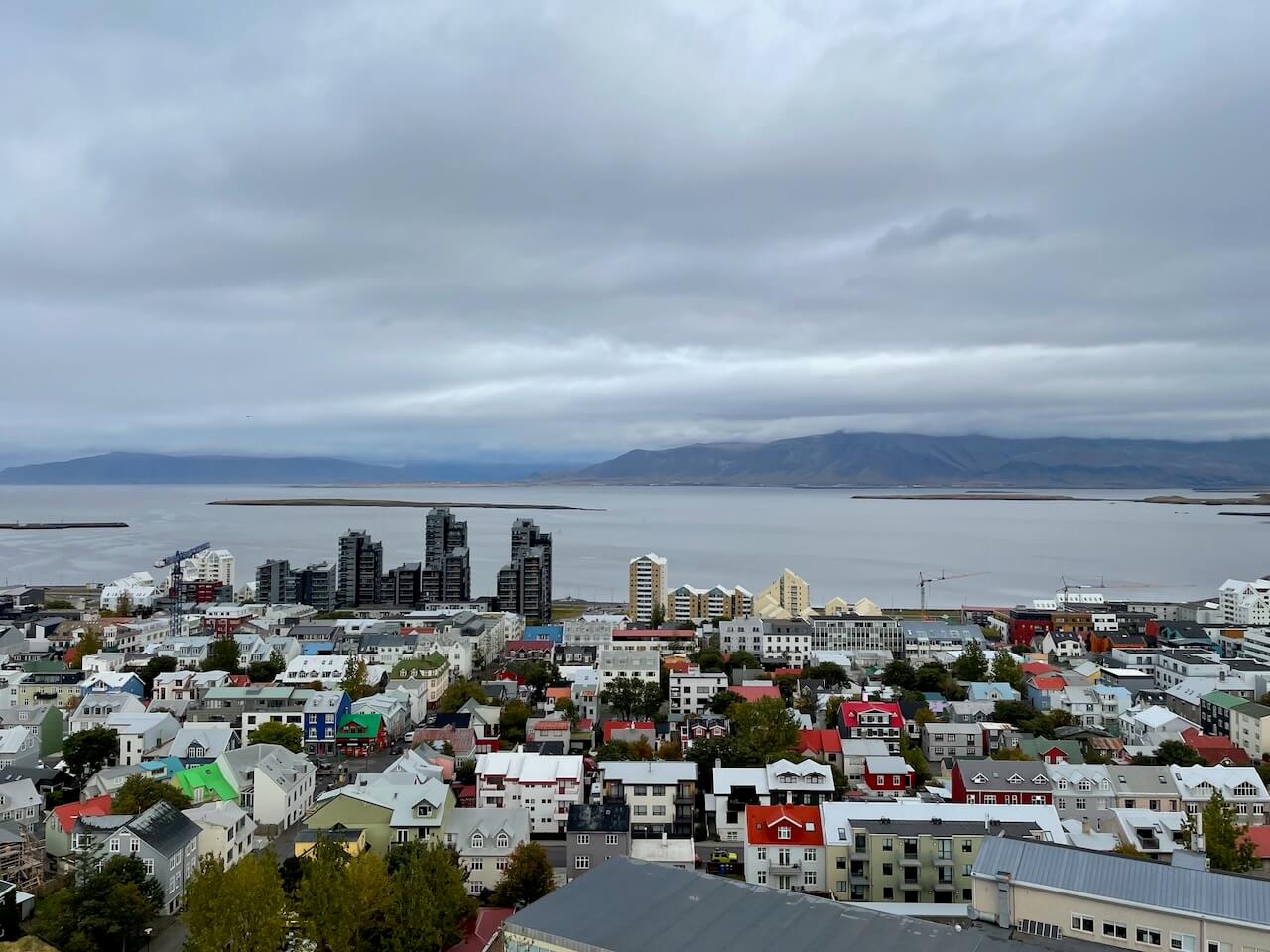
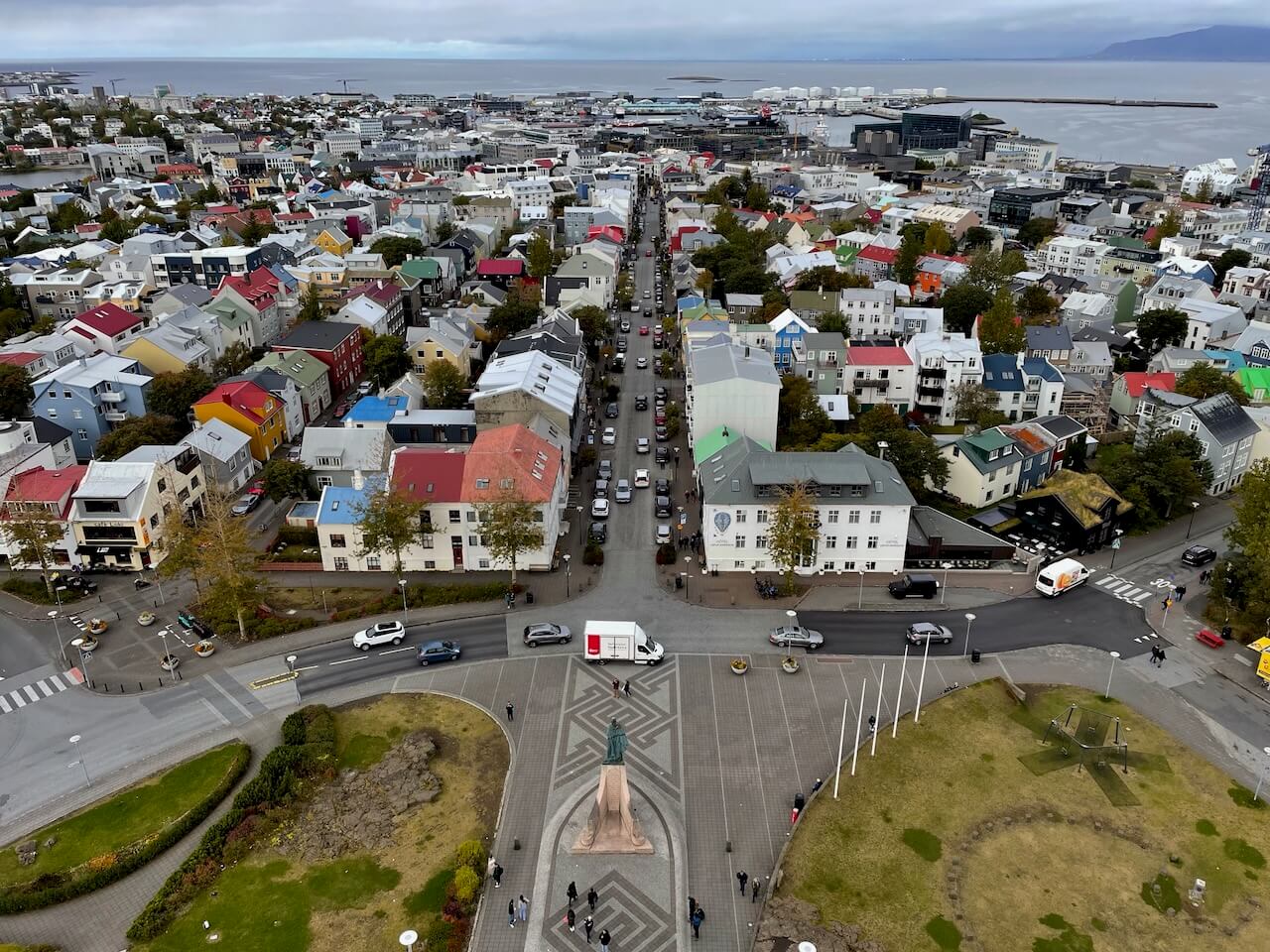
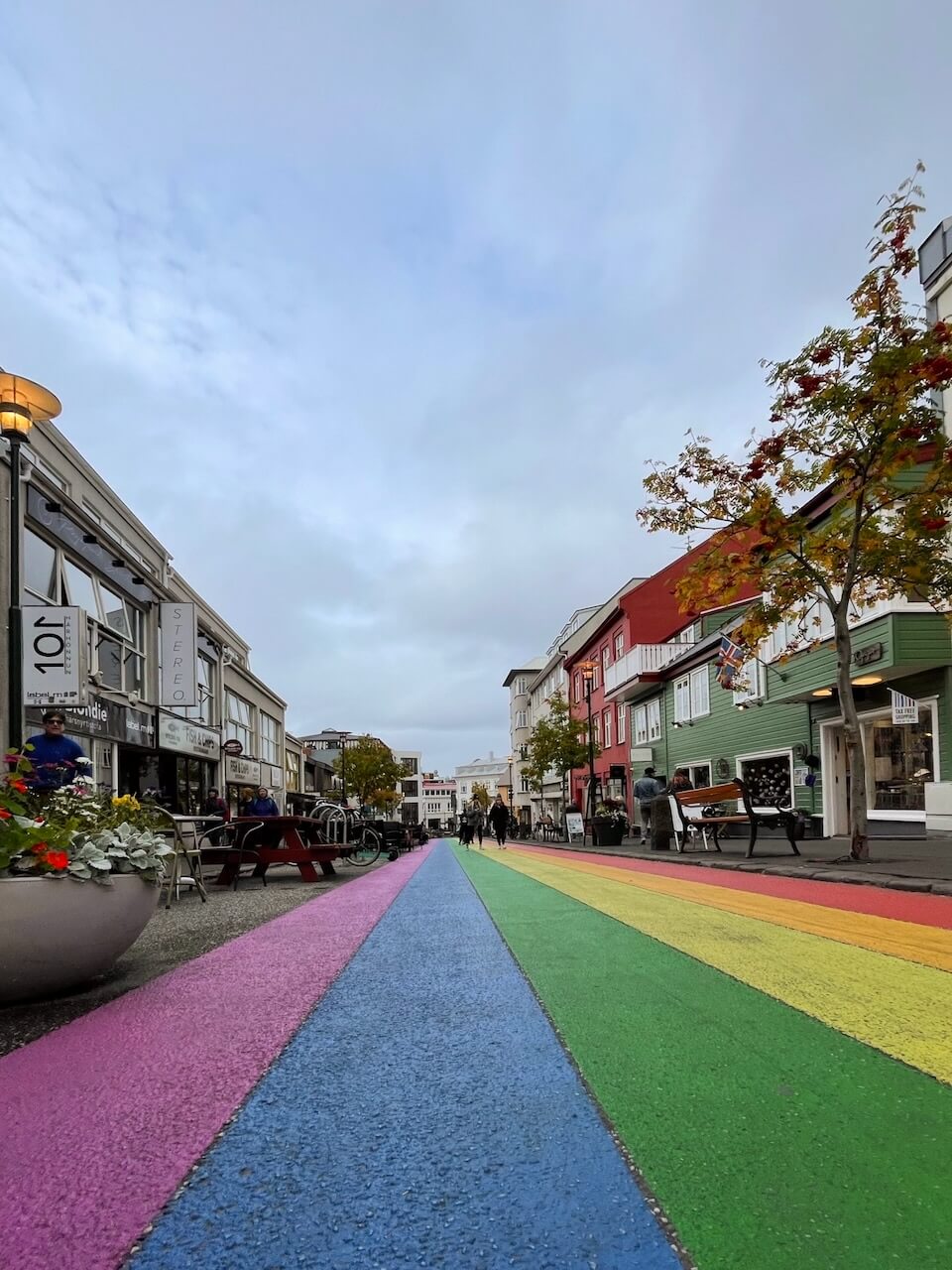
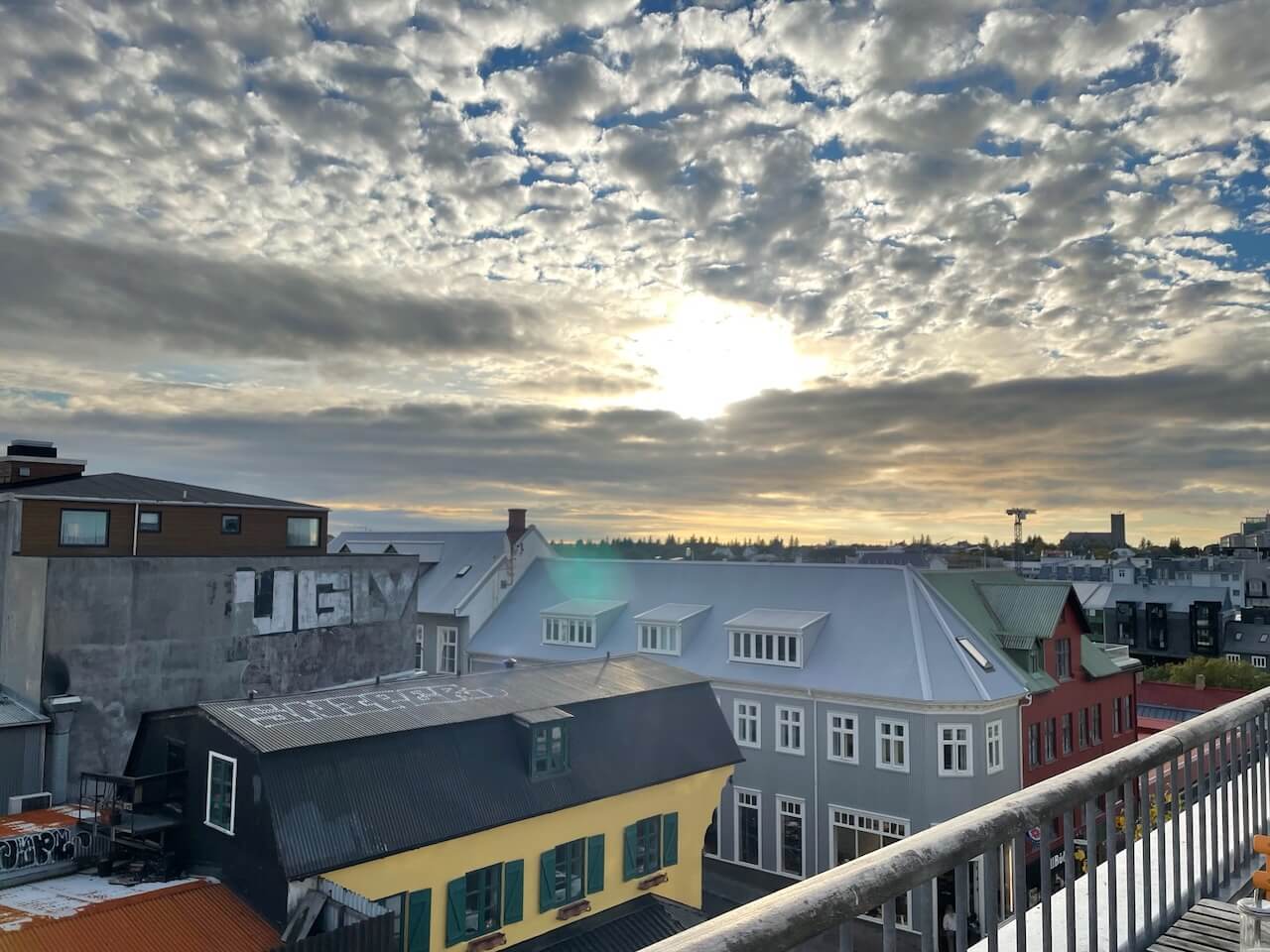
From above, Reykjavik looks like someone carefully arranged a set of pastel toy houses beside a silver-blue ocean. Mountains stretch across the background with the calm authority of something that has existed long before Instagram. Compared to the tidy waterfront charm of Denmark, the polished islands of Sweden, Reykjavik feels wilder — not messy, just unapologetically raw. It’s like the cool Nordic cousin who hikes volcanoes for fun.
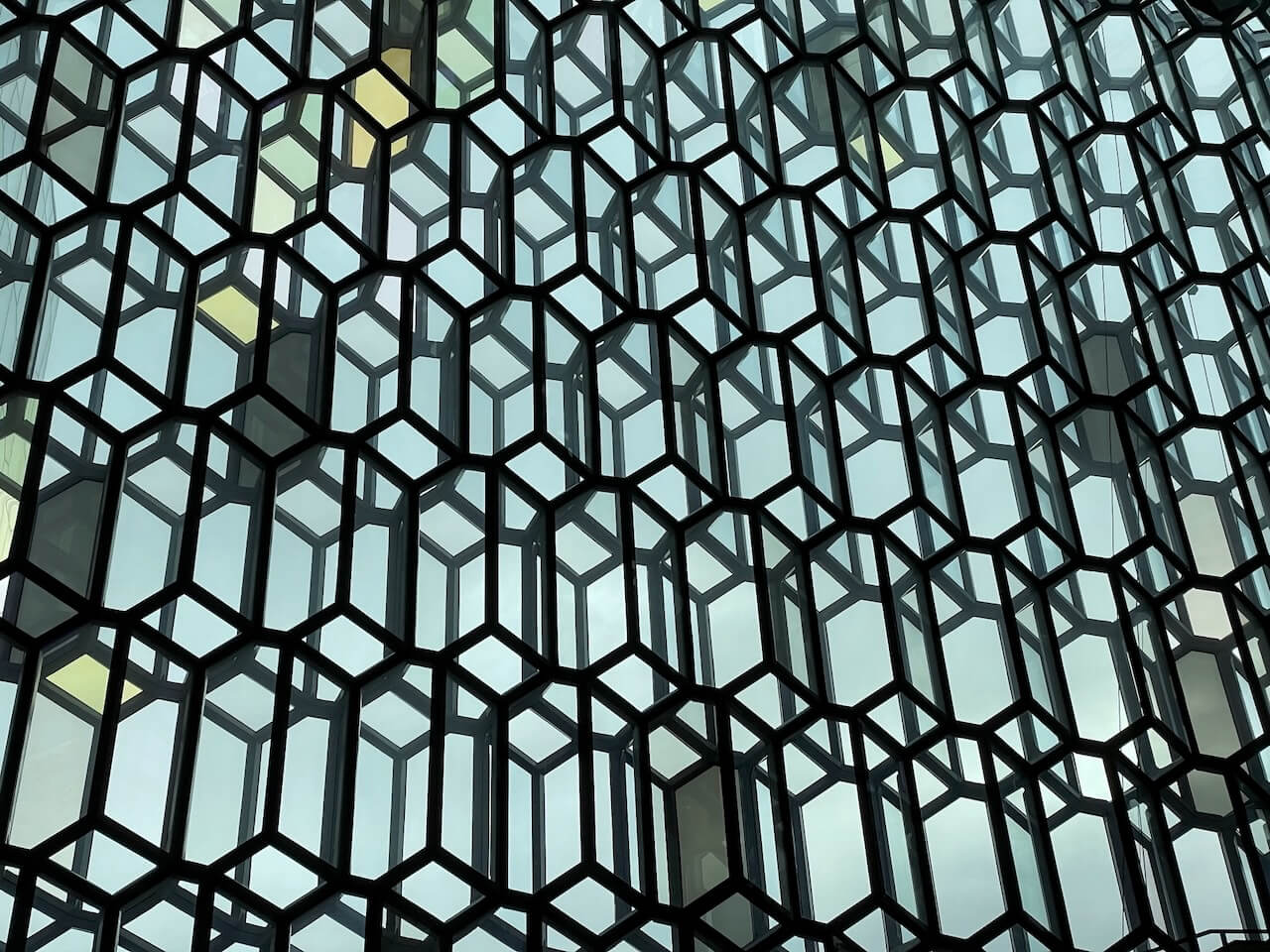
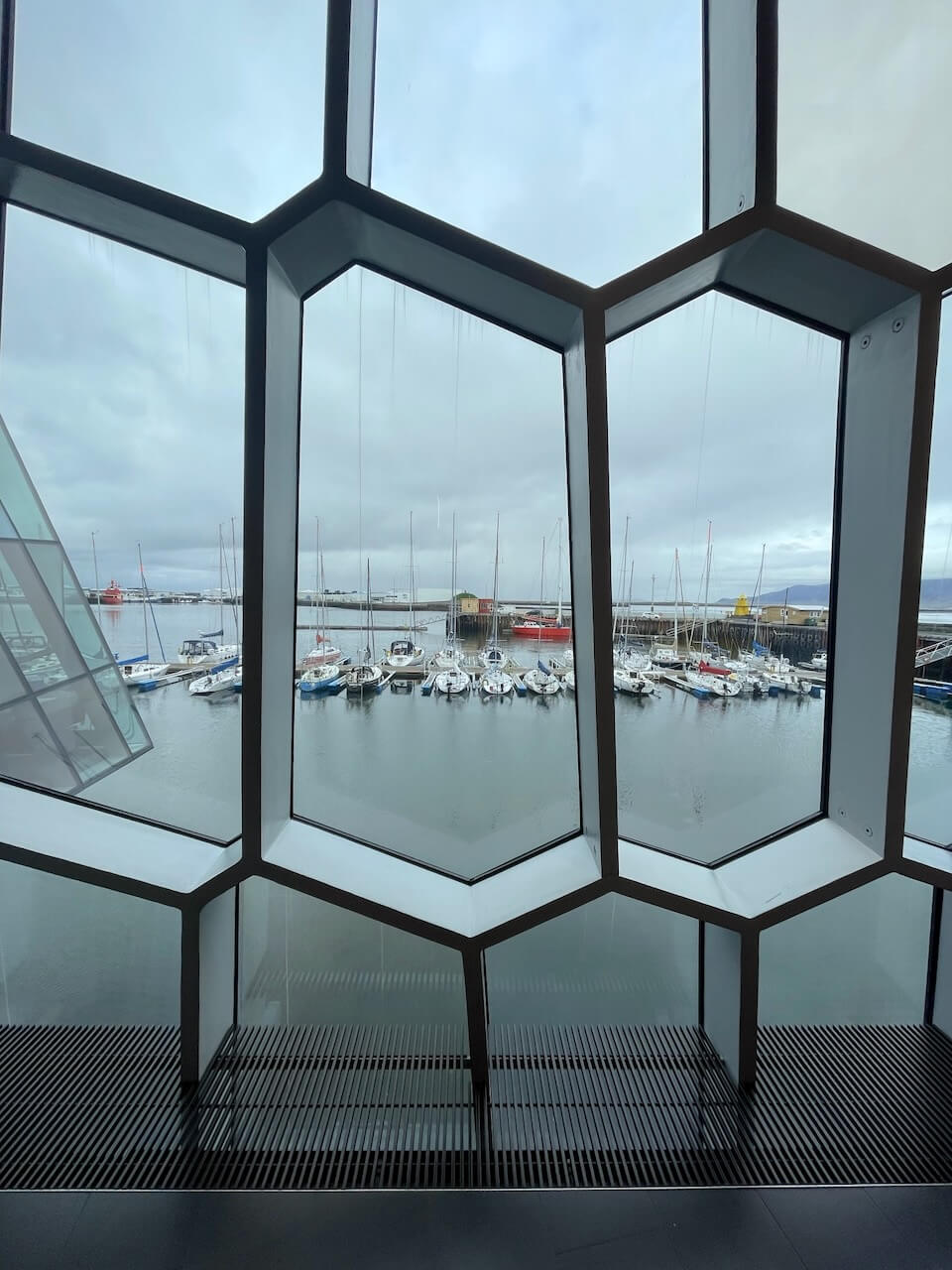

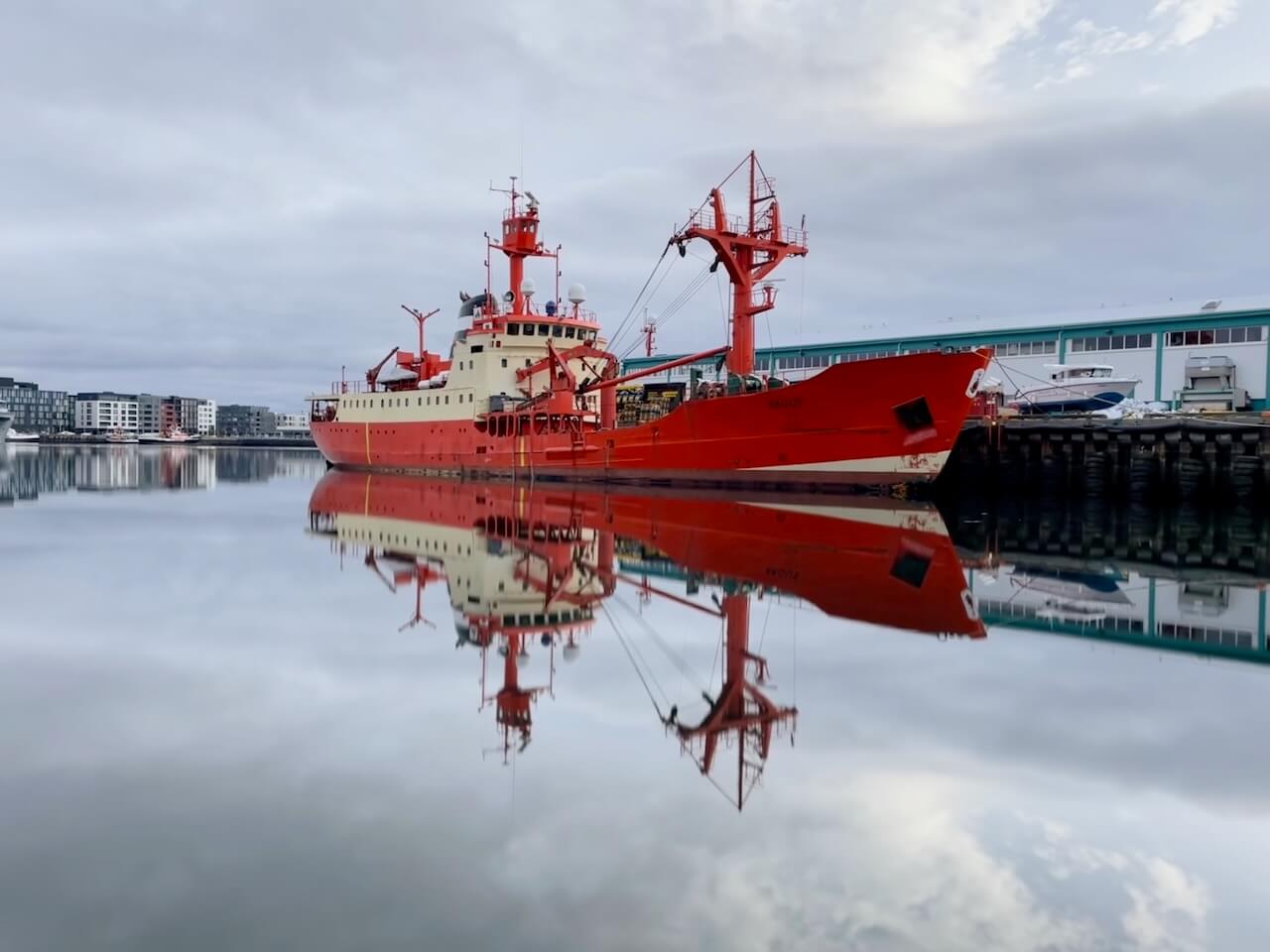
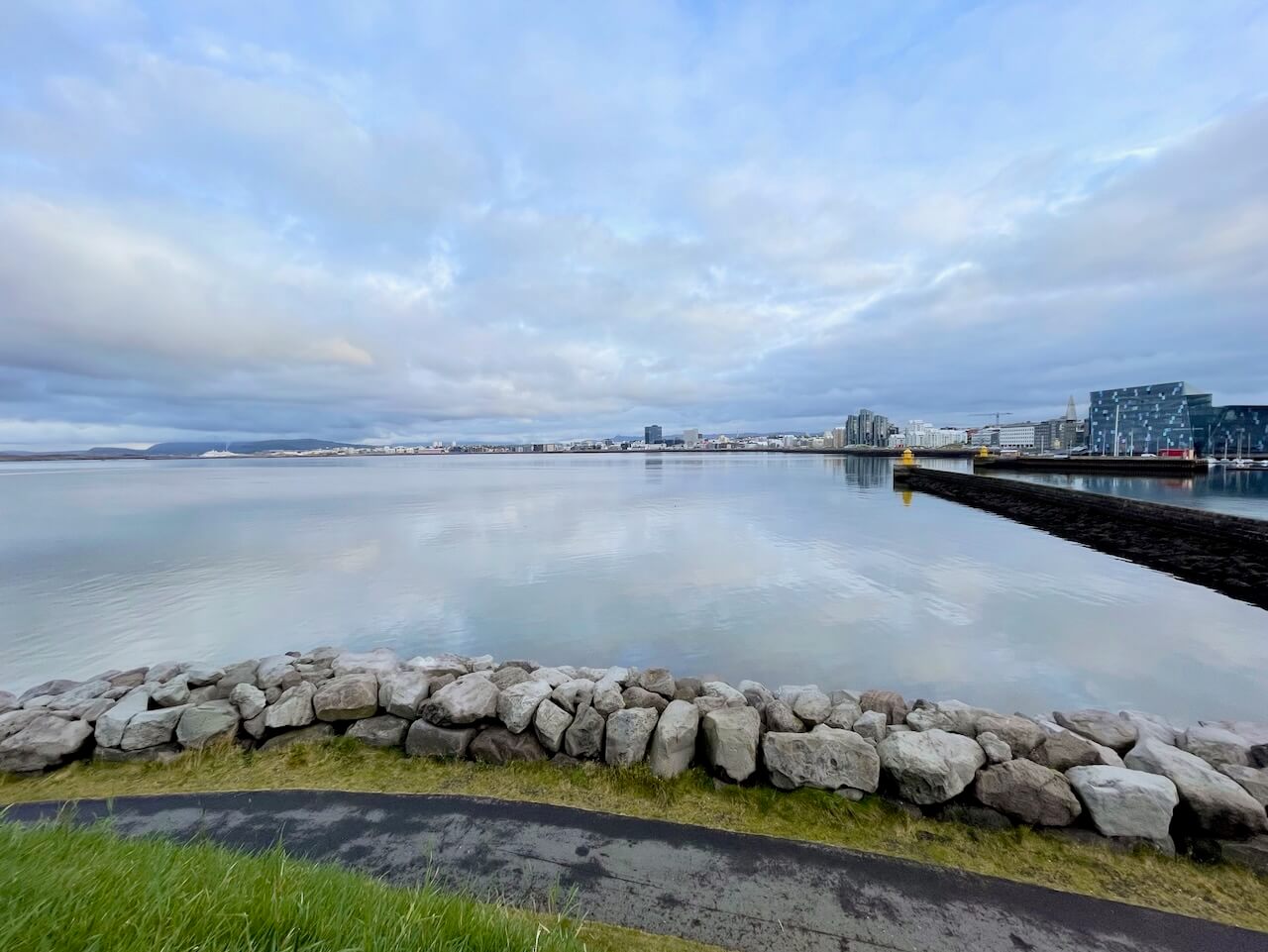
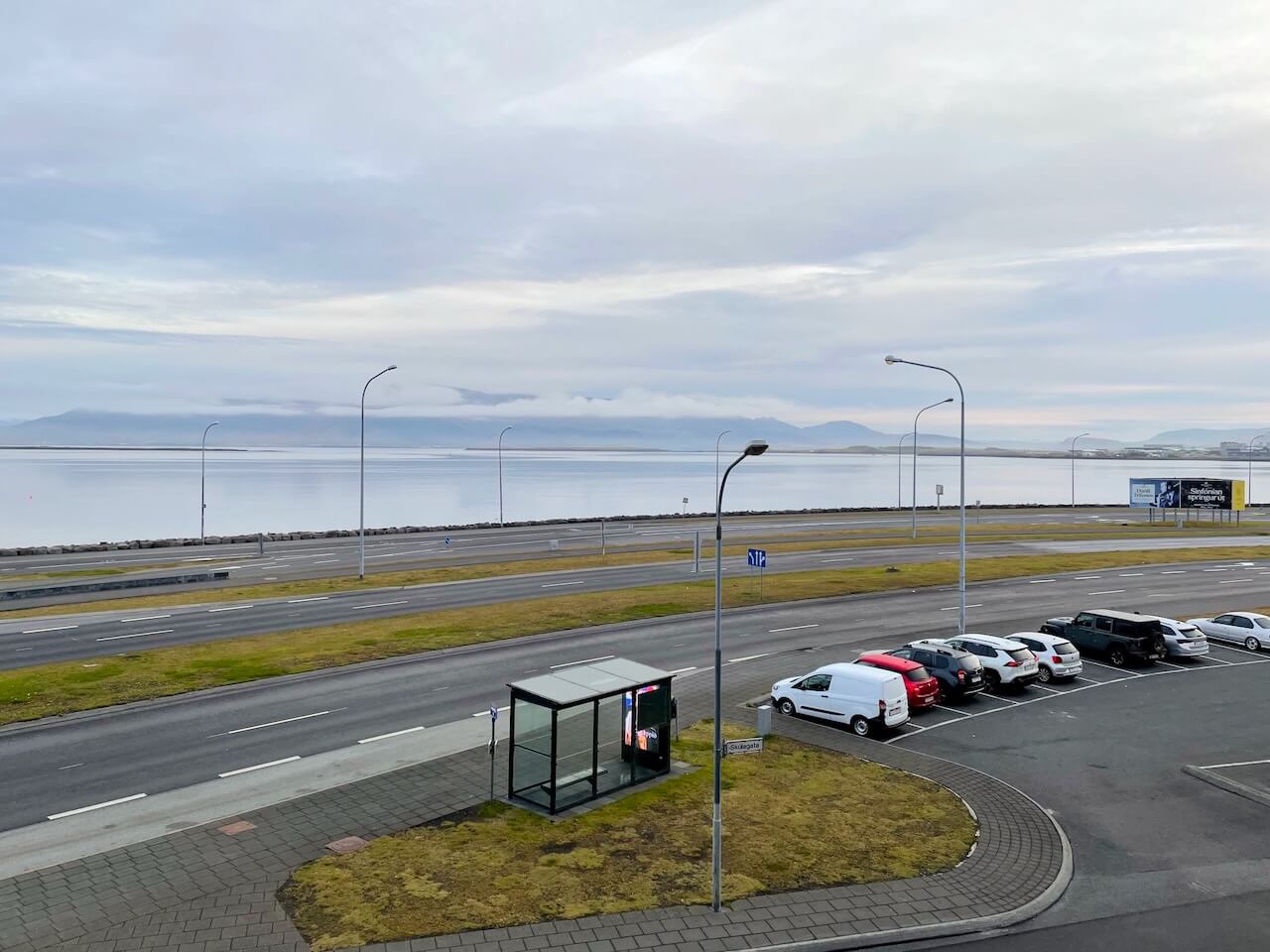
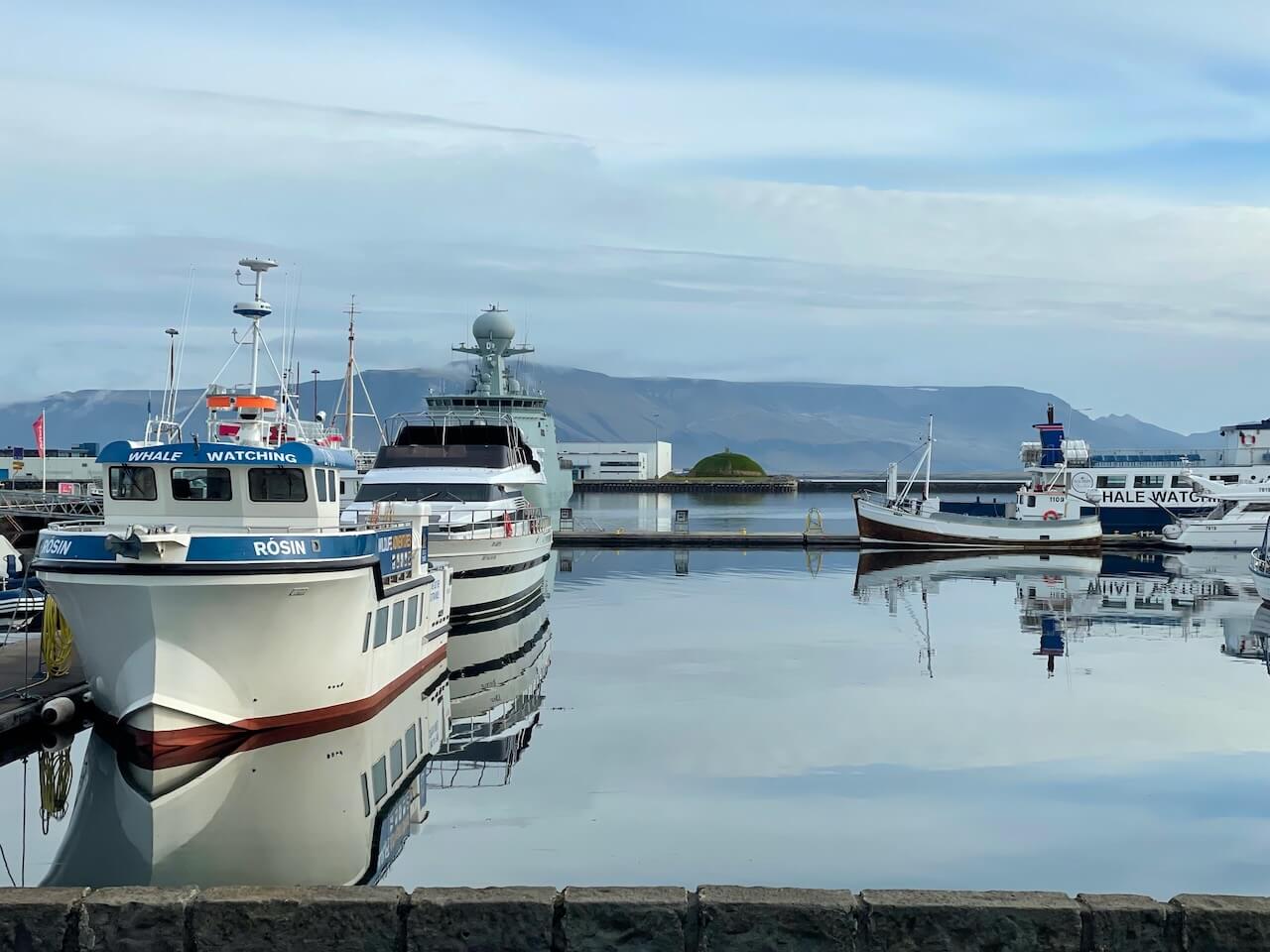
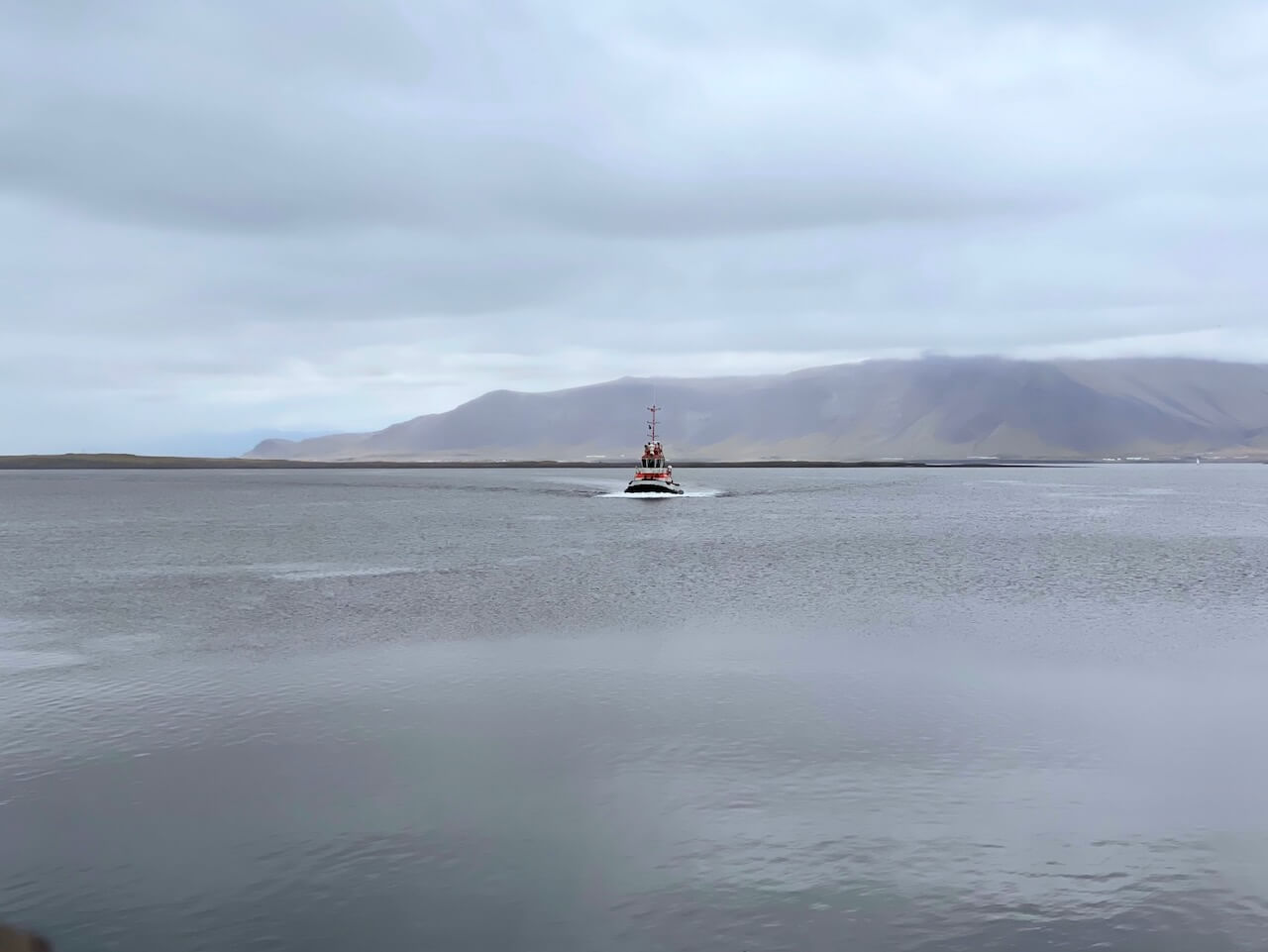
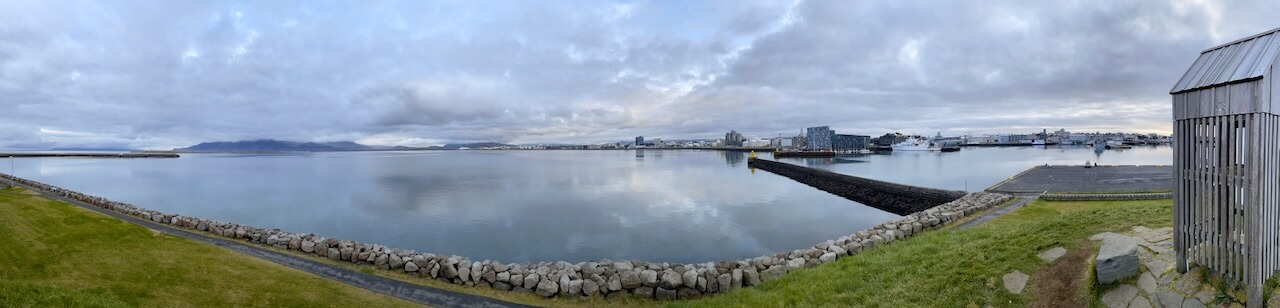
The waterfront was almost suspiciously calm. The sea lay flat and reflective, boats resting in the harbor like they were meditating. No crashing waves. No dramatic spray. Just a smooth North Atlantic surface pretending it was completely harmless. Walking along the water, you get that quiet sense that something big is out there. Not loud. Not obvious. Just… waiting.
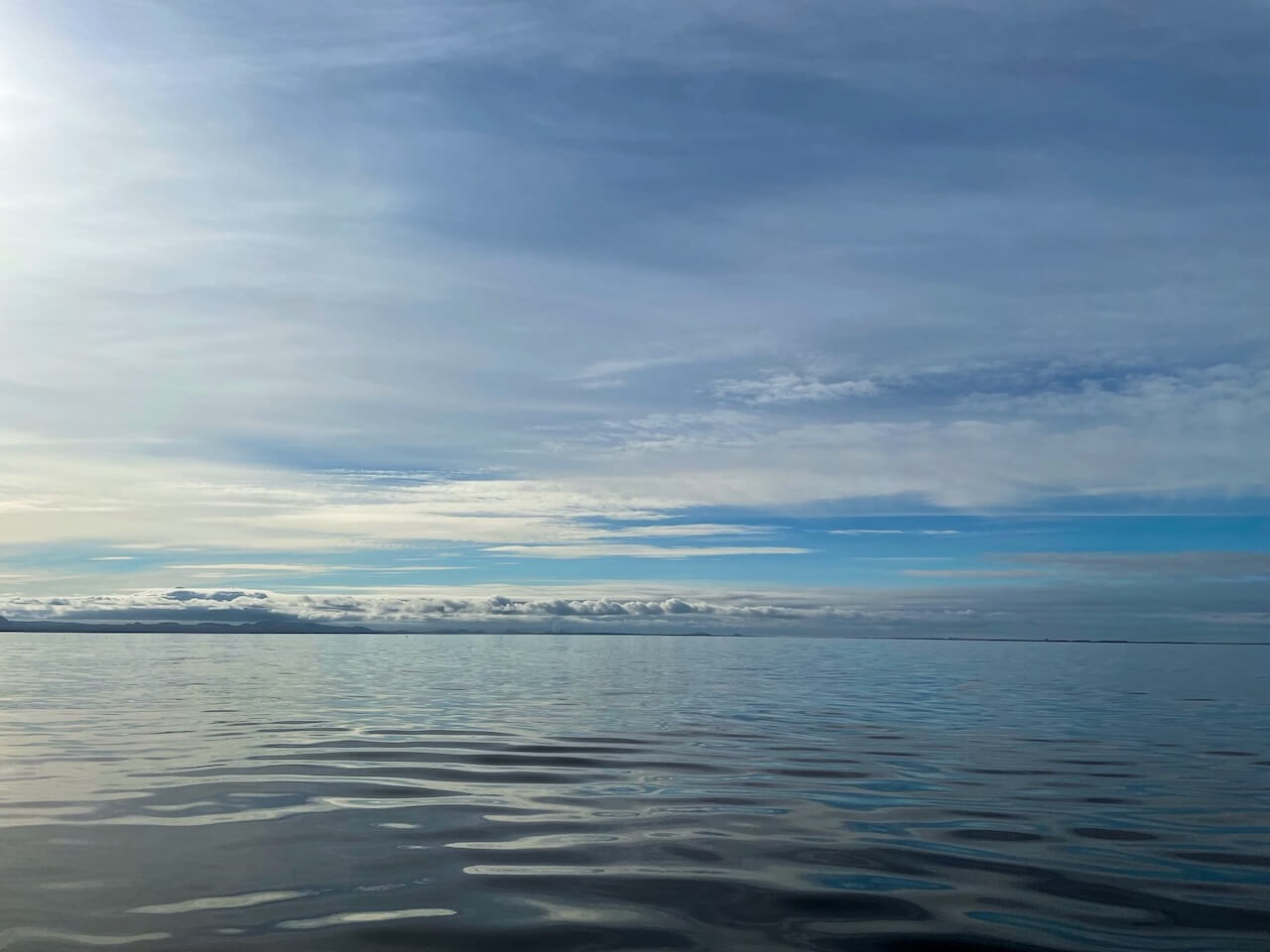
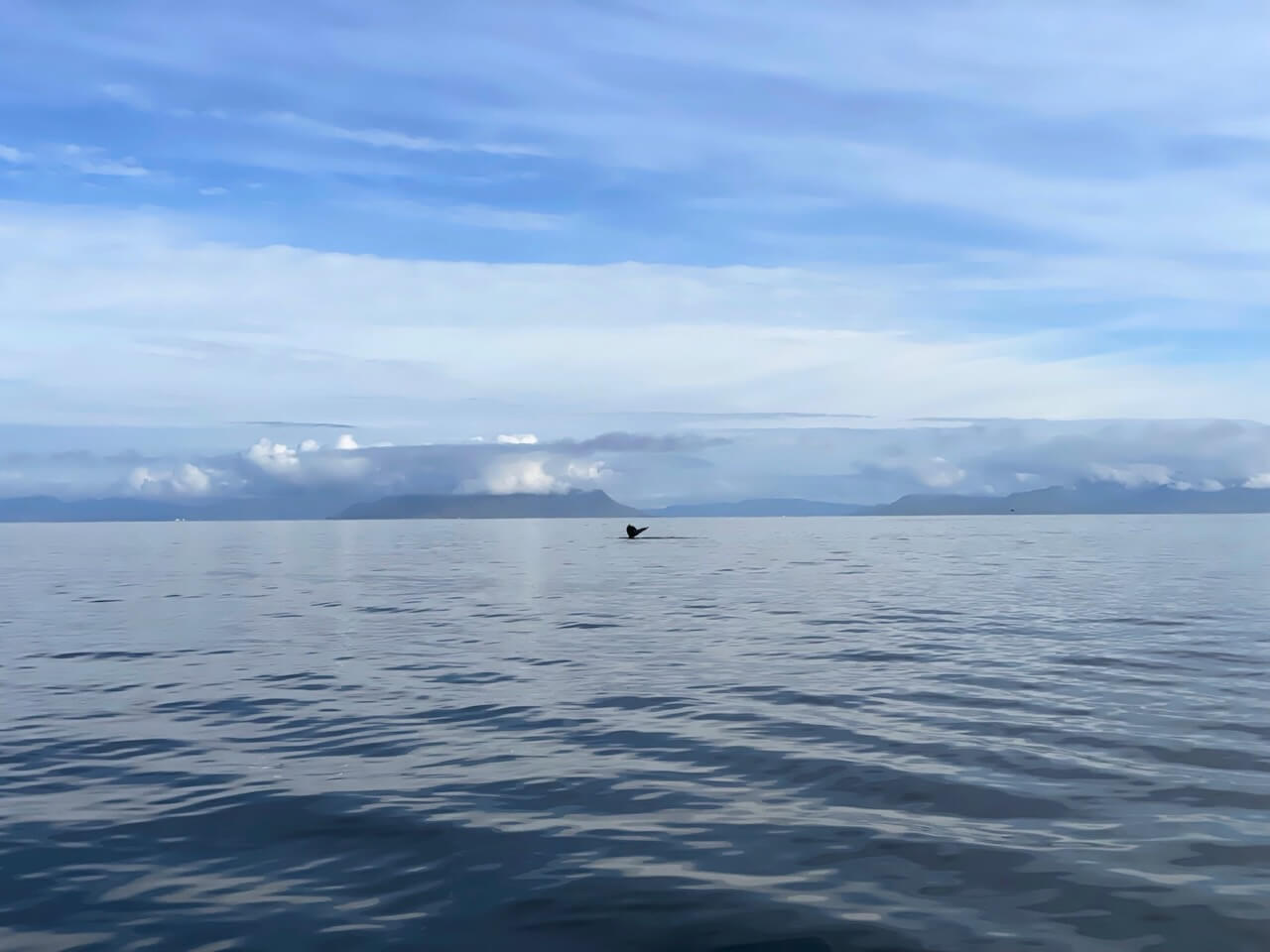
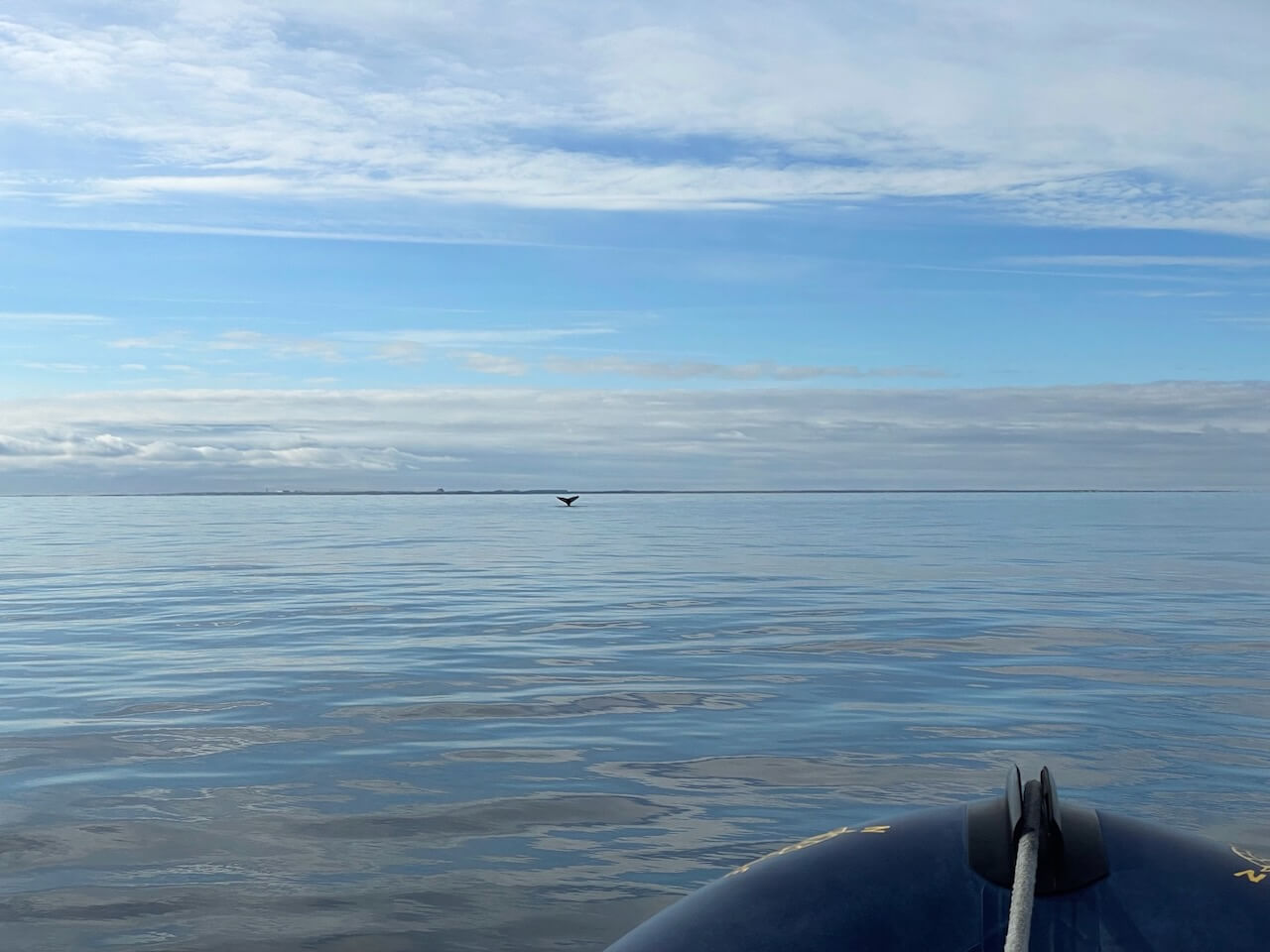
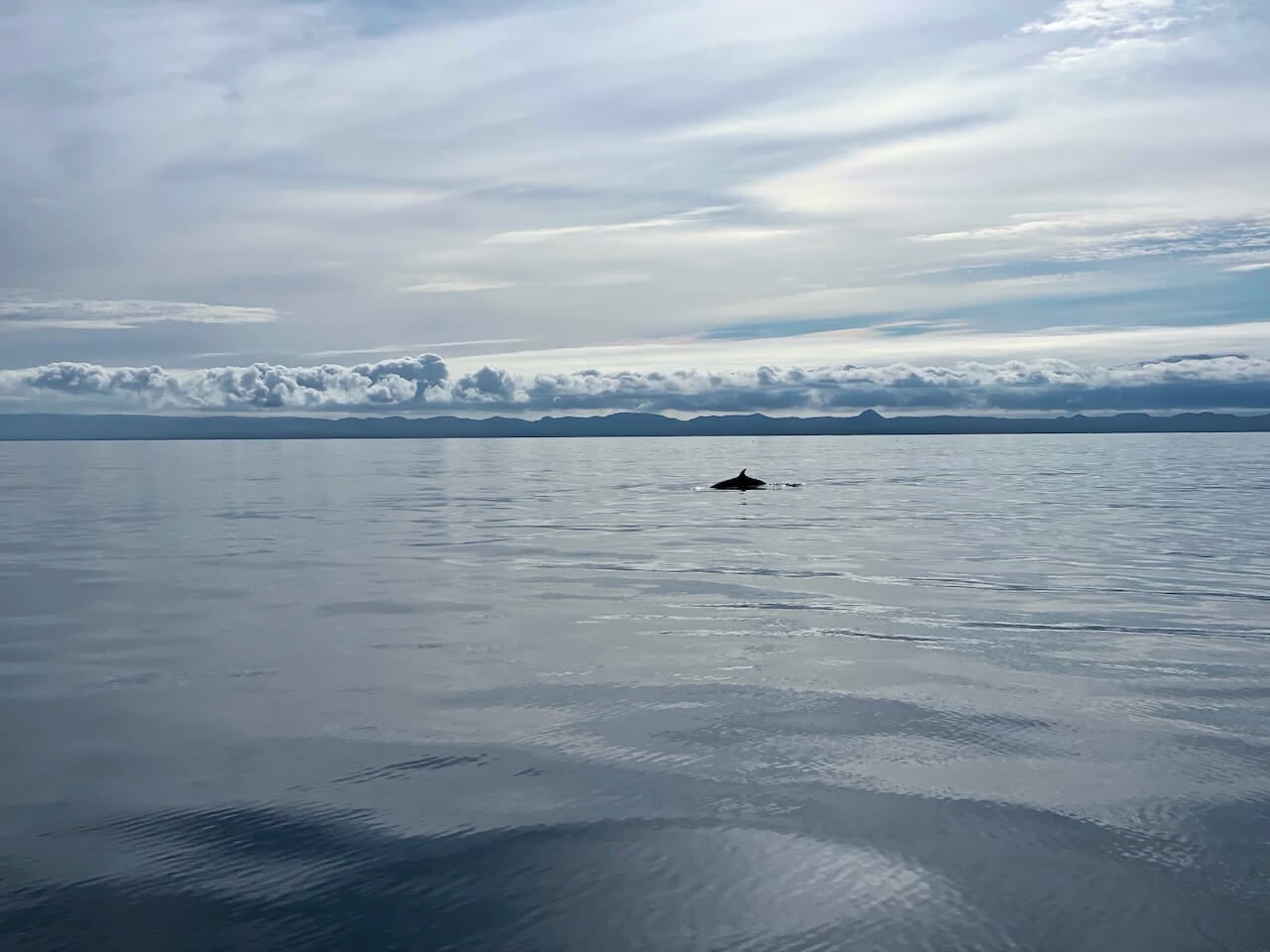
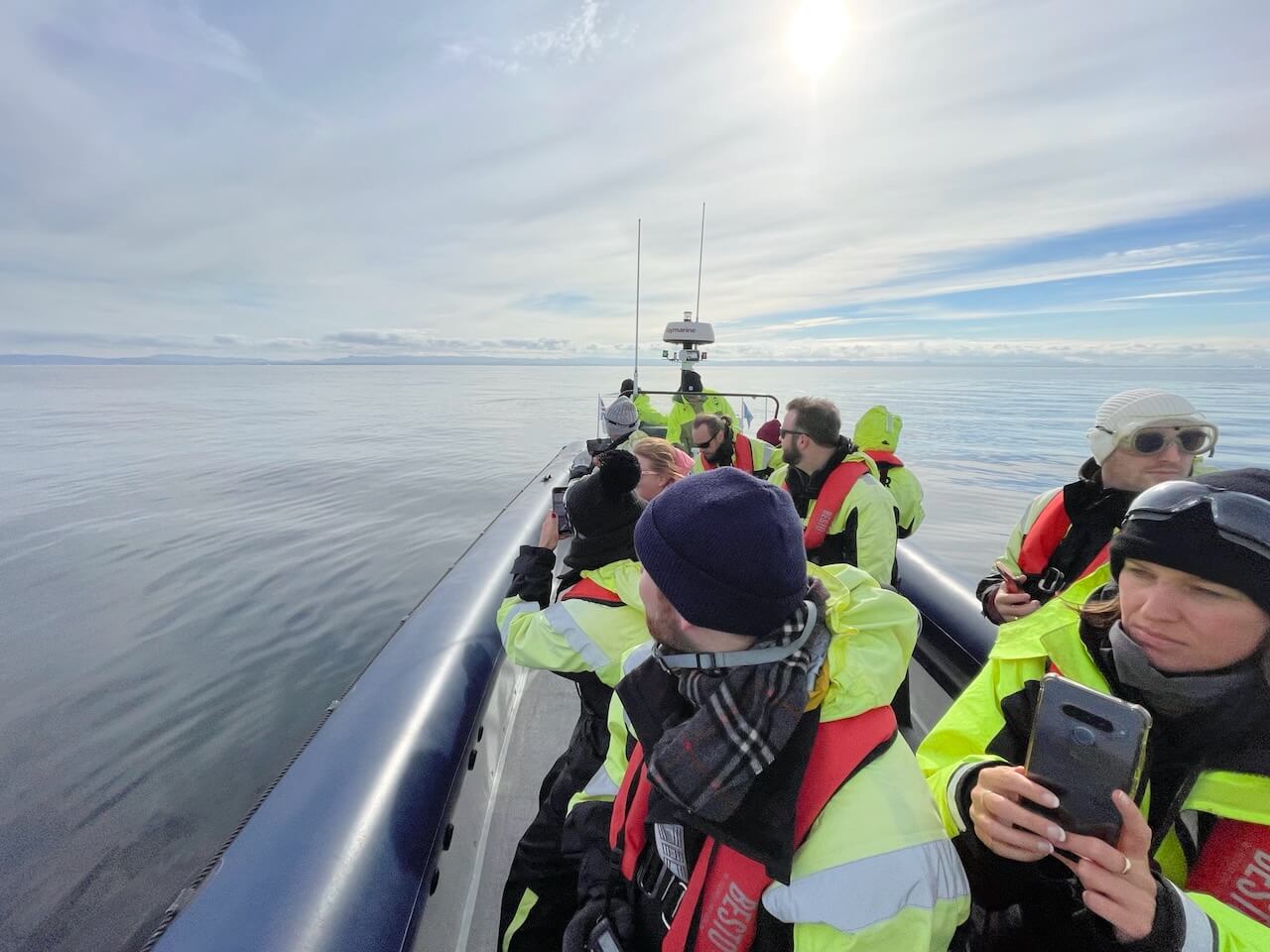
Which is how I ended up zipped into a bright survival suit on a speedboat that looked way too excited about open water. We headed out smoothly — no bouncing chaos, just slicing across glassy sea. Reykjavik shrank behind us, colorful and neat against the mountains. Everyone on board was scanning the horizon like amateur marine biologists with smartphones.
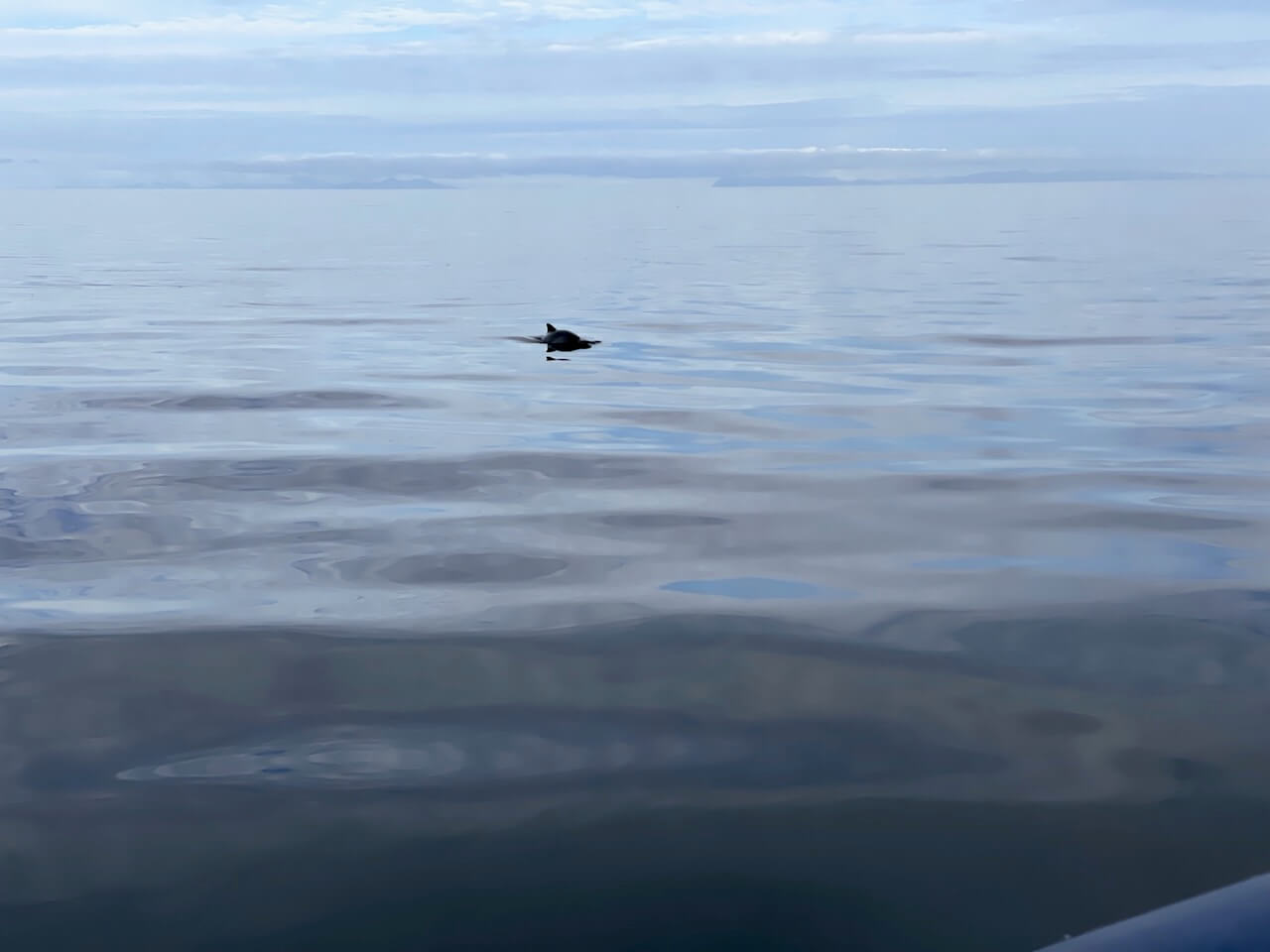
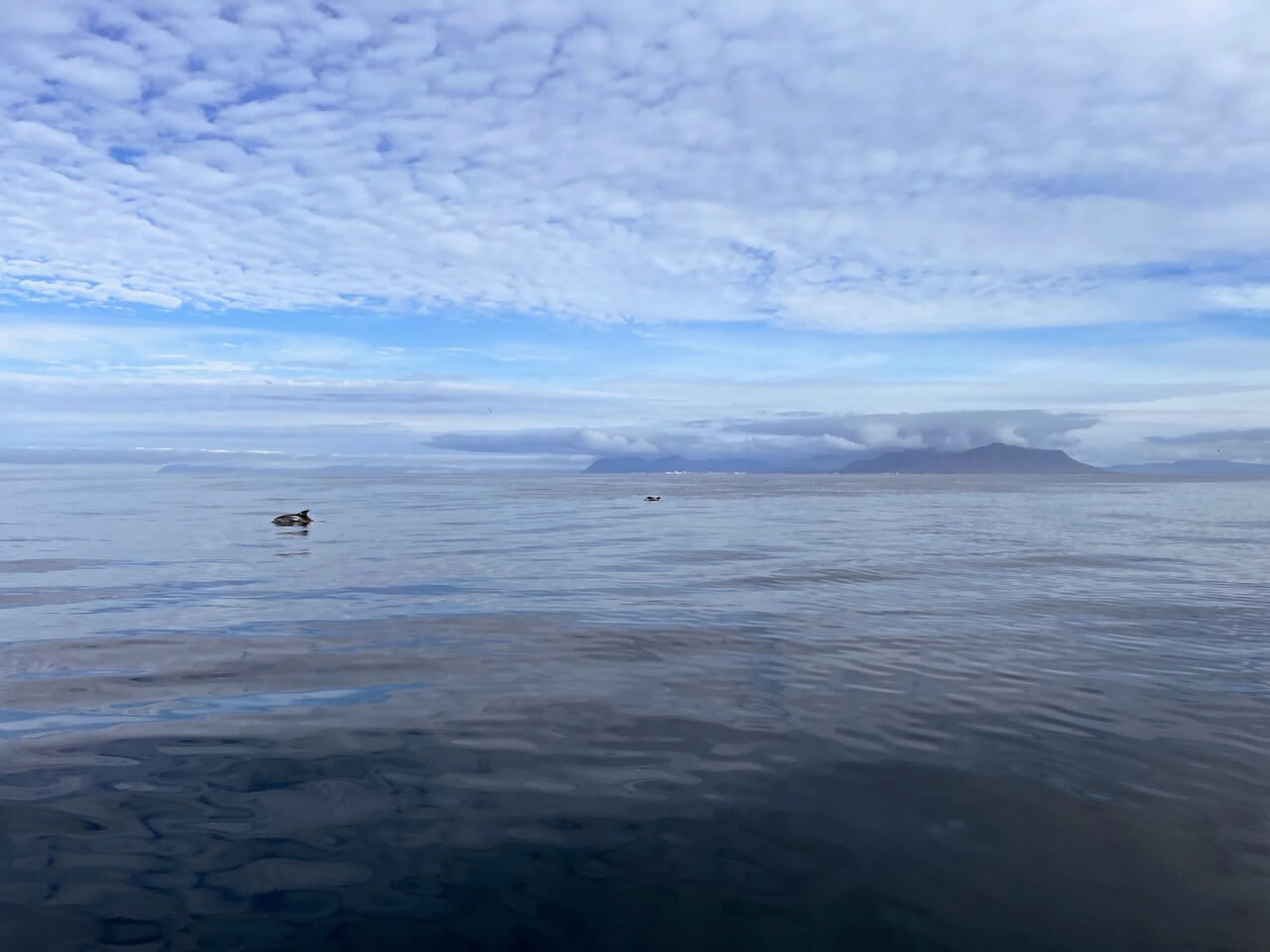
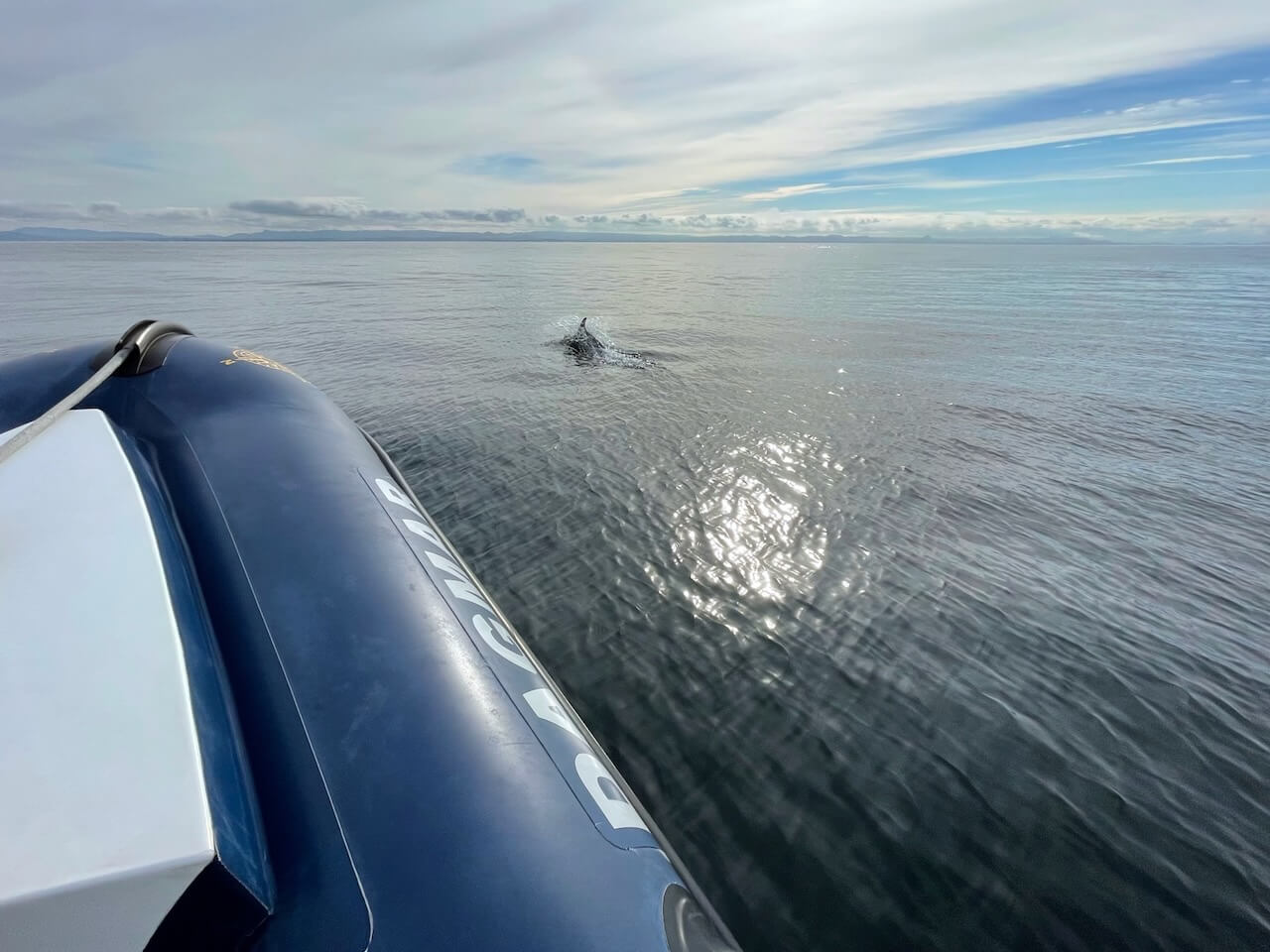
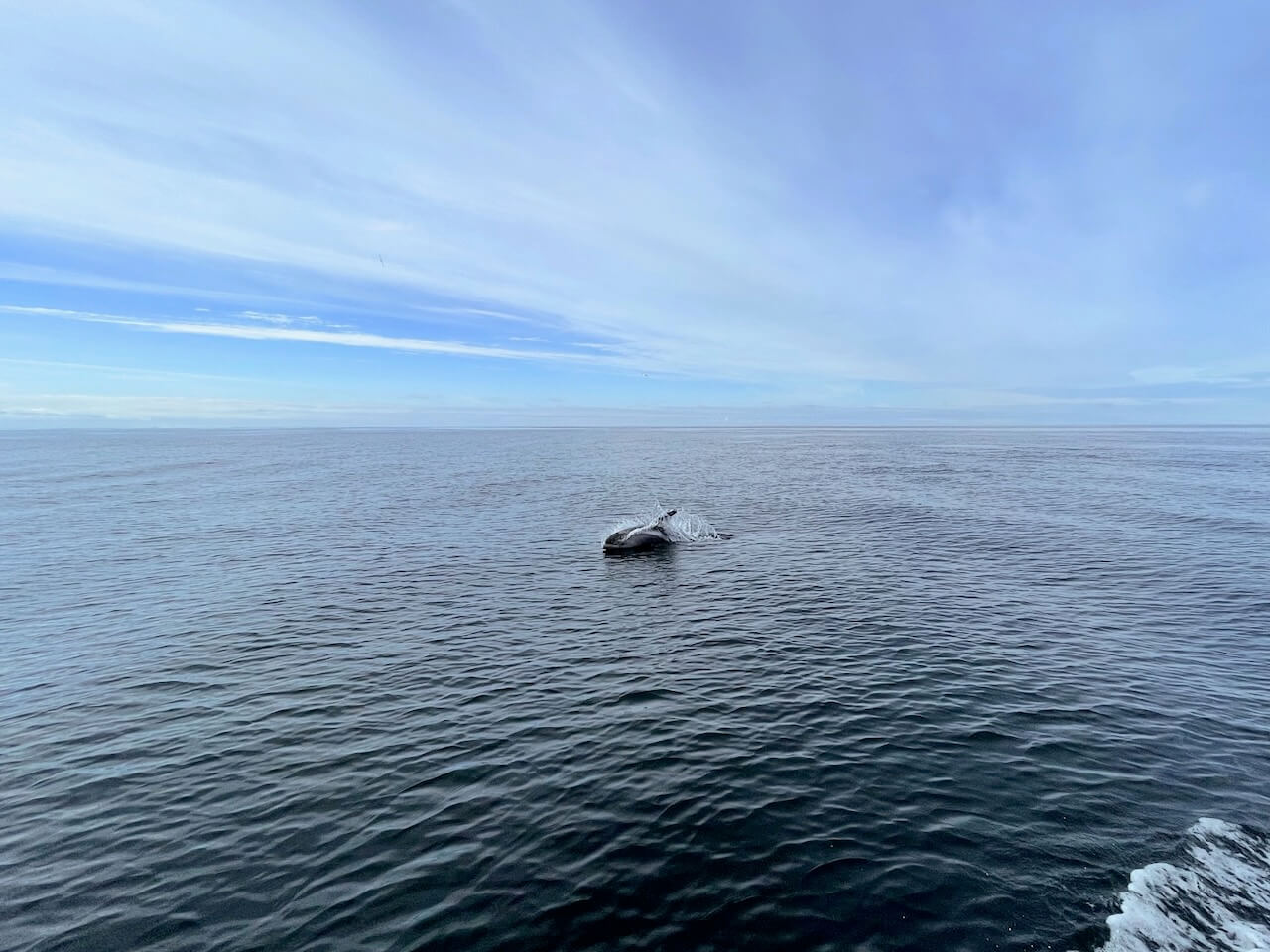
Then it happened. A minke whale surfaced first — sleek, dark, subtle. It rolled through the water like it had somewhere important to be. Not flashy. Just efficient. A few minutes later, white-beaked dolphins appeared, playful and fast, riding alongside the boat as if we were part of their daily commute. They twisted and darted through the wake, clearly showing off.
And then came the heavyweight champion: a humpback whale. You could tell immediately from the slow, powerful arch of its back. It surfaced with zero urgency, like it knew we’d been waiting. Water streamed off its skin as it lifted that iconic tail — the dramatic fluke that photographers dream about — and then it slipped back under the surface as calmly as it arrived. No chaos. No splashy Hollywood moment. Just pure, quiet power.
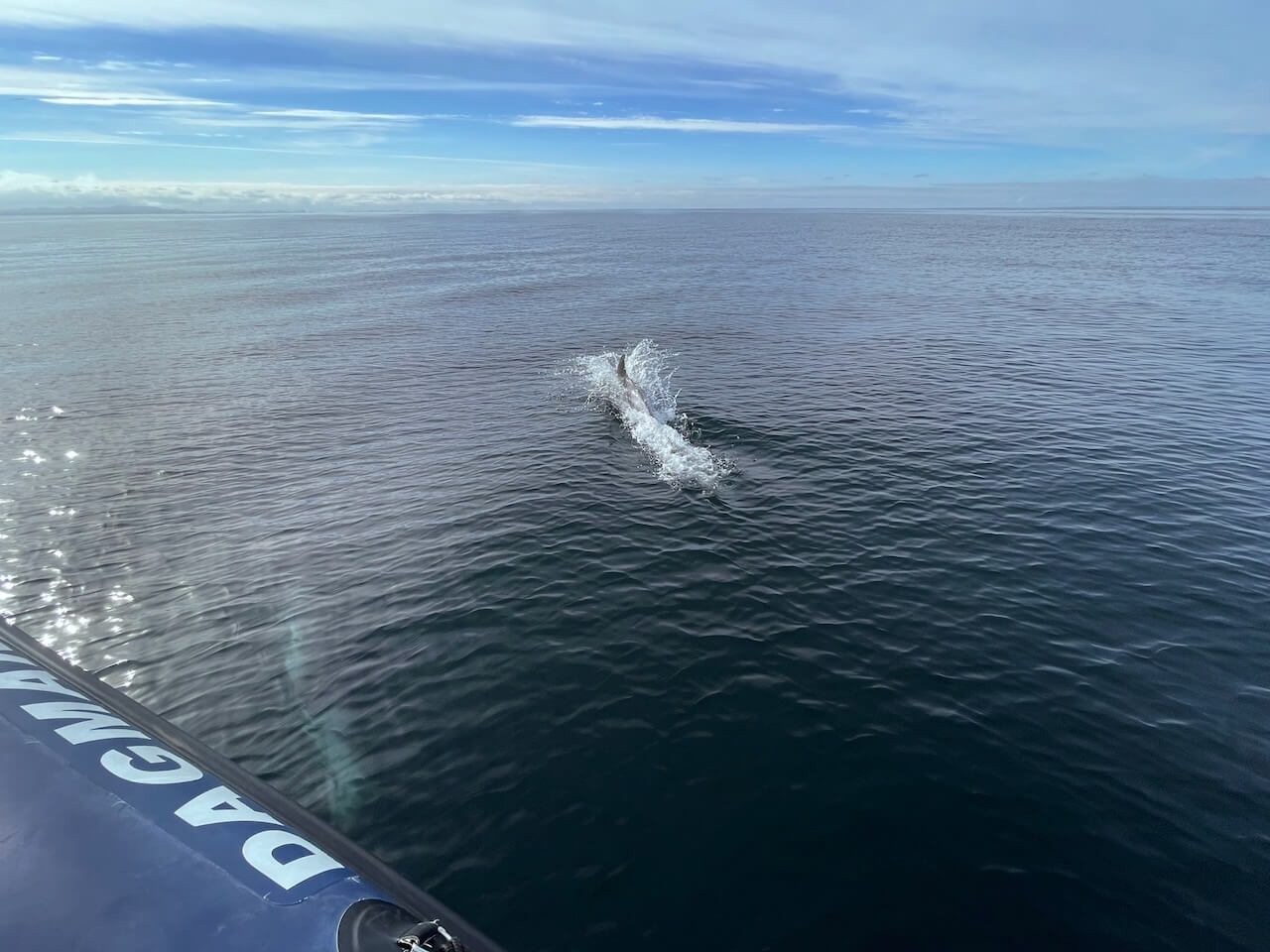
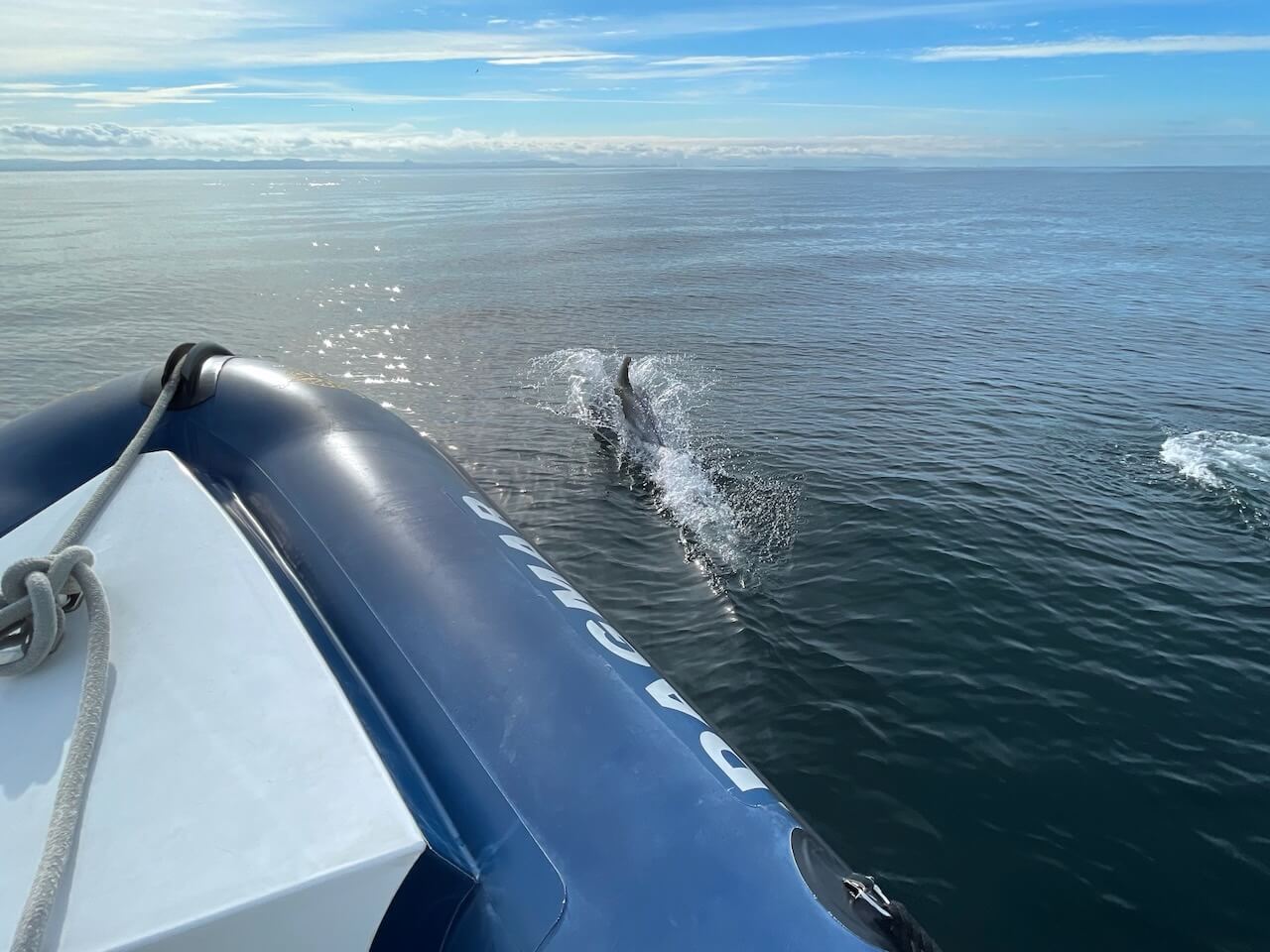
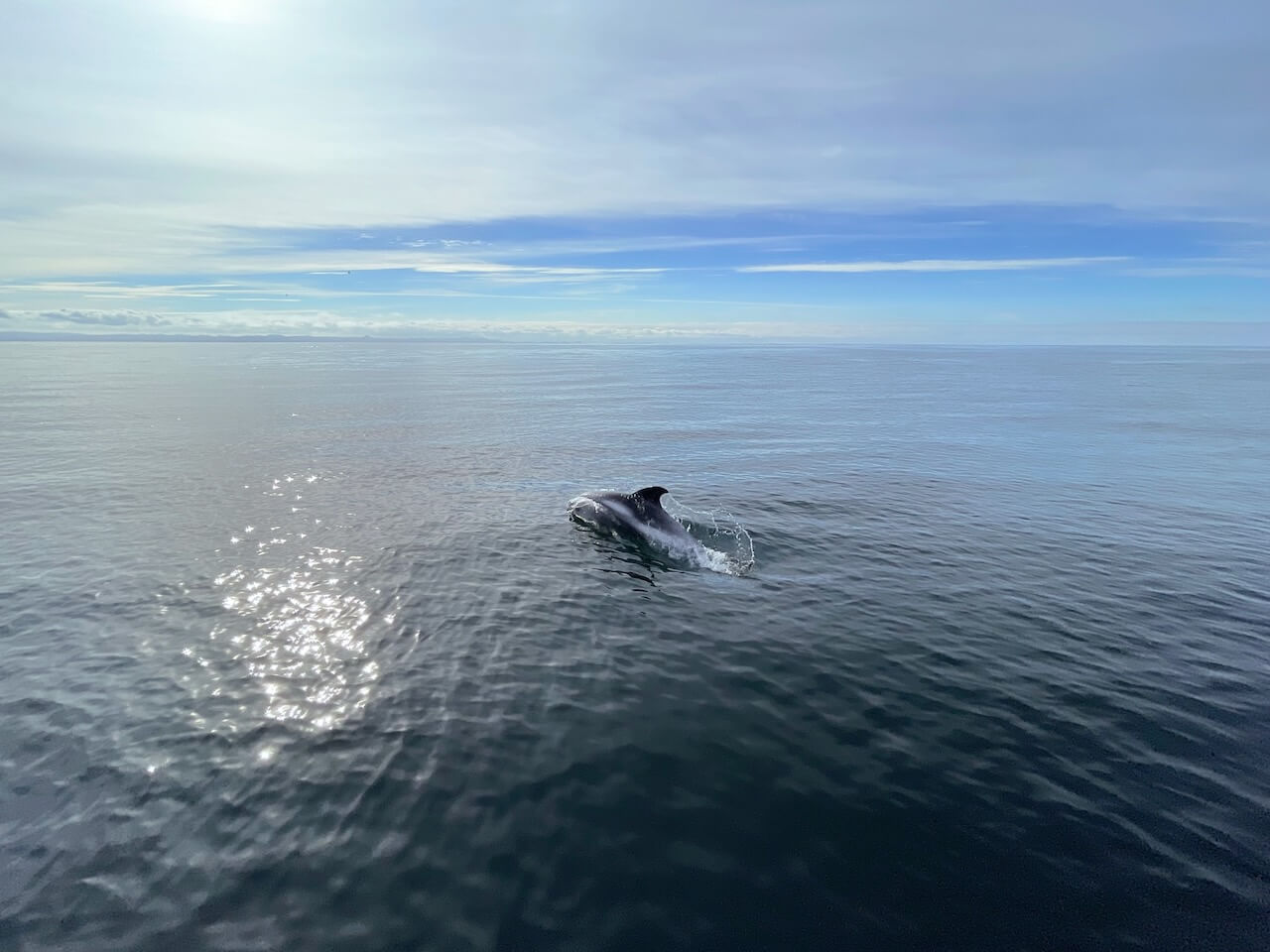
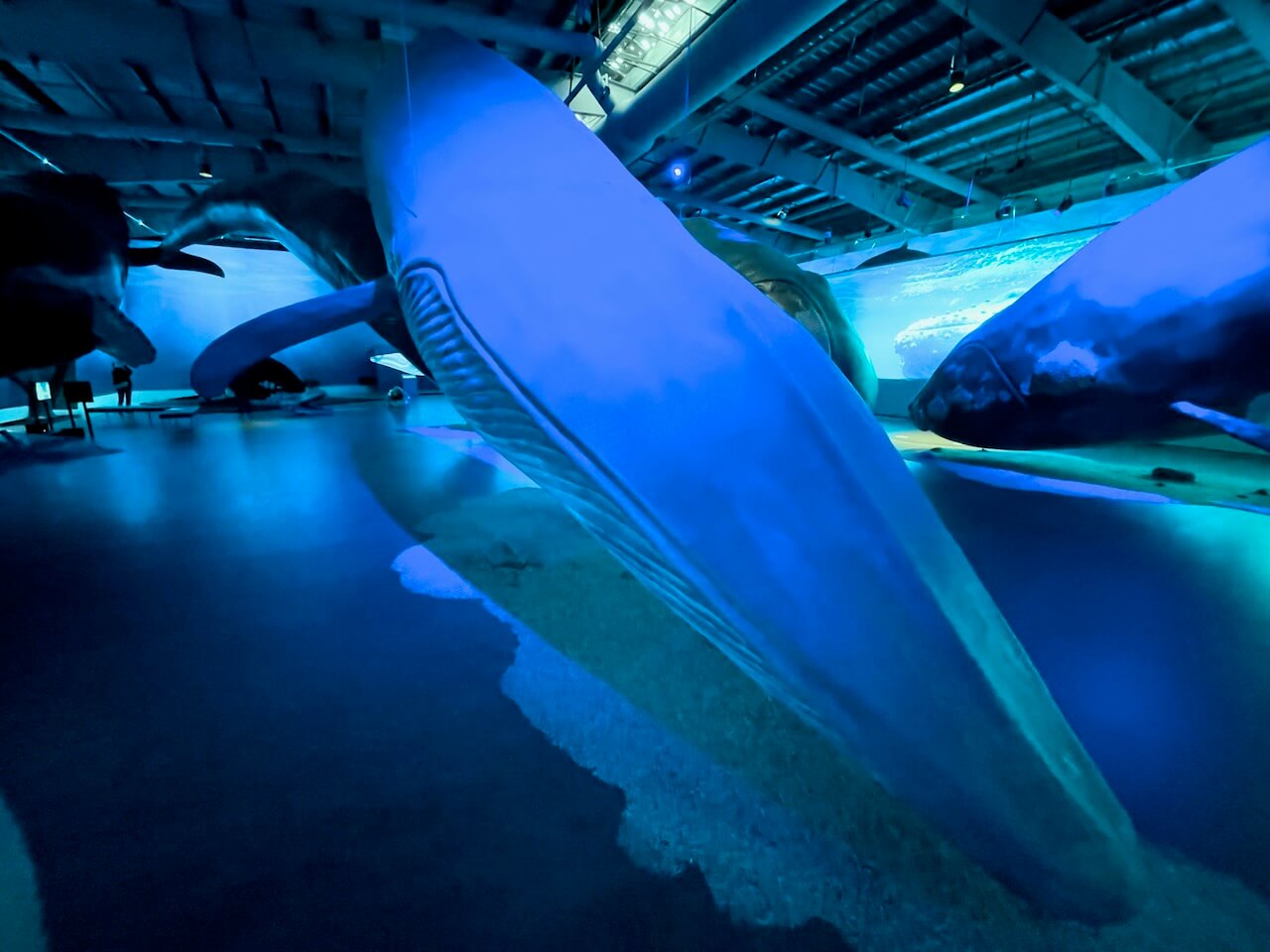
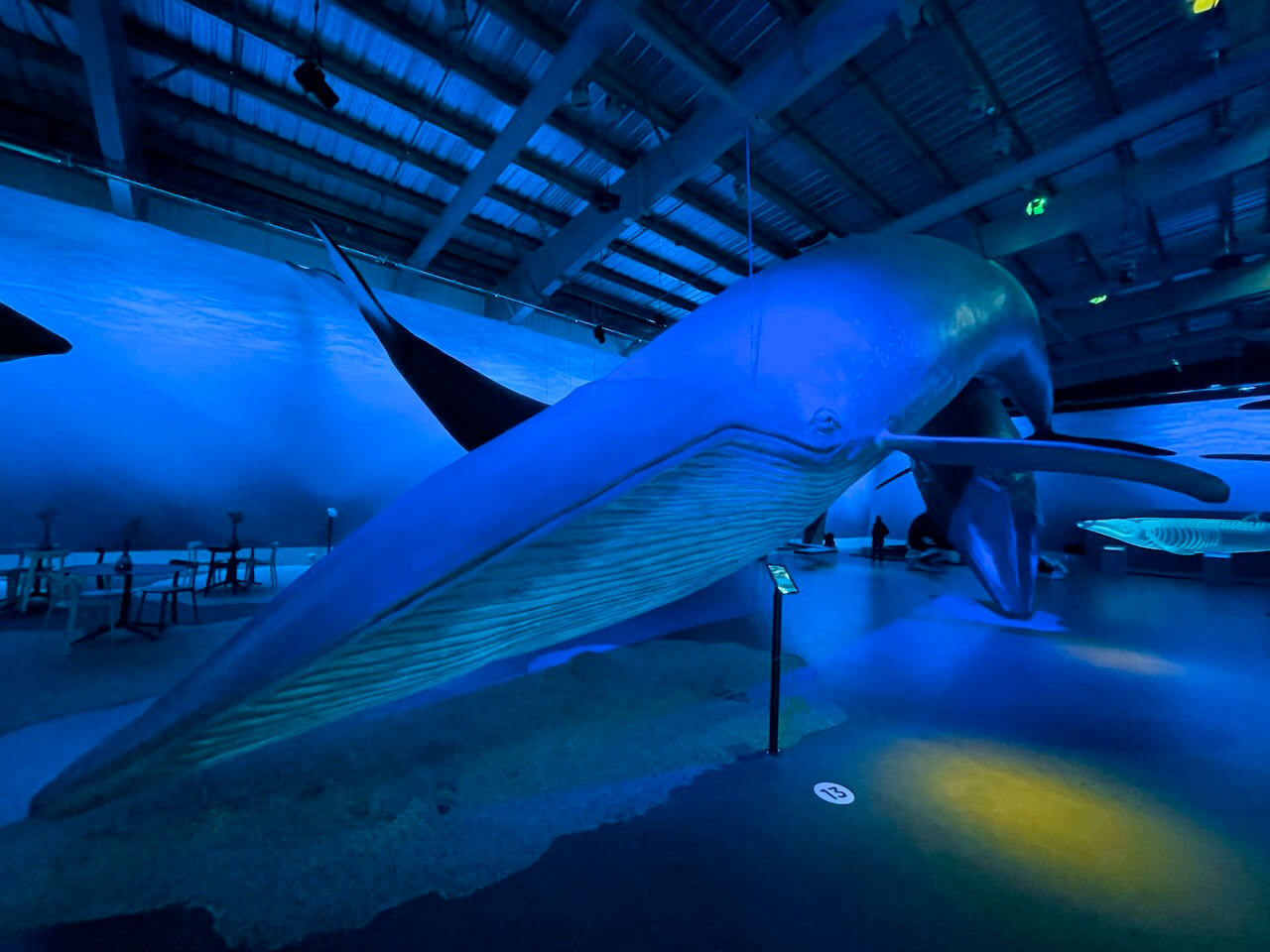
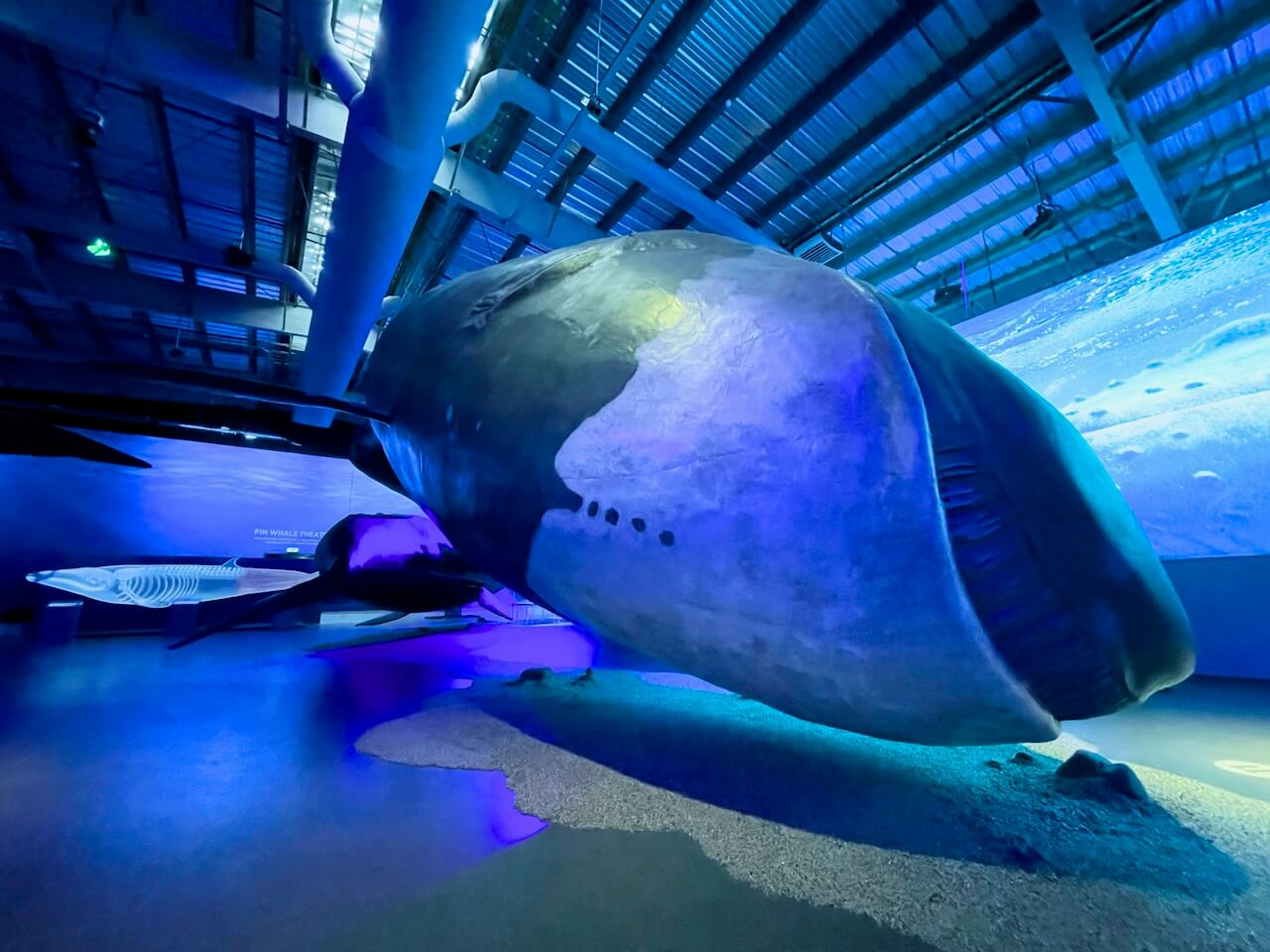
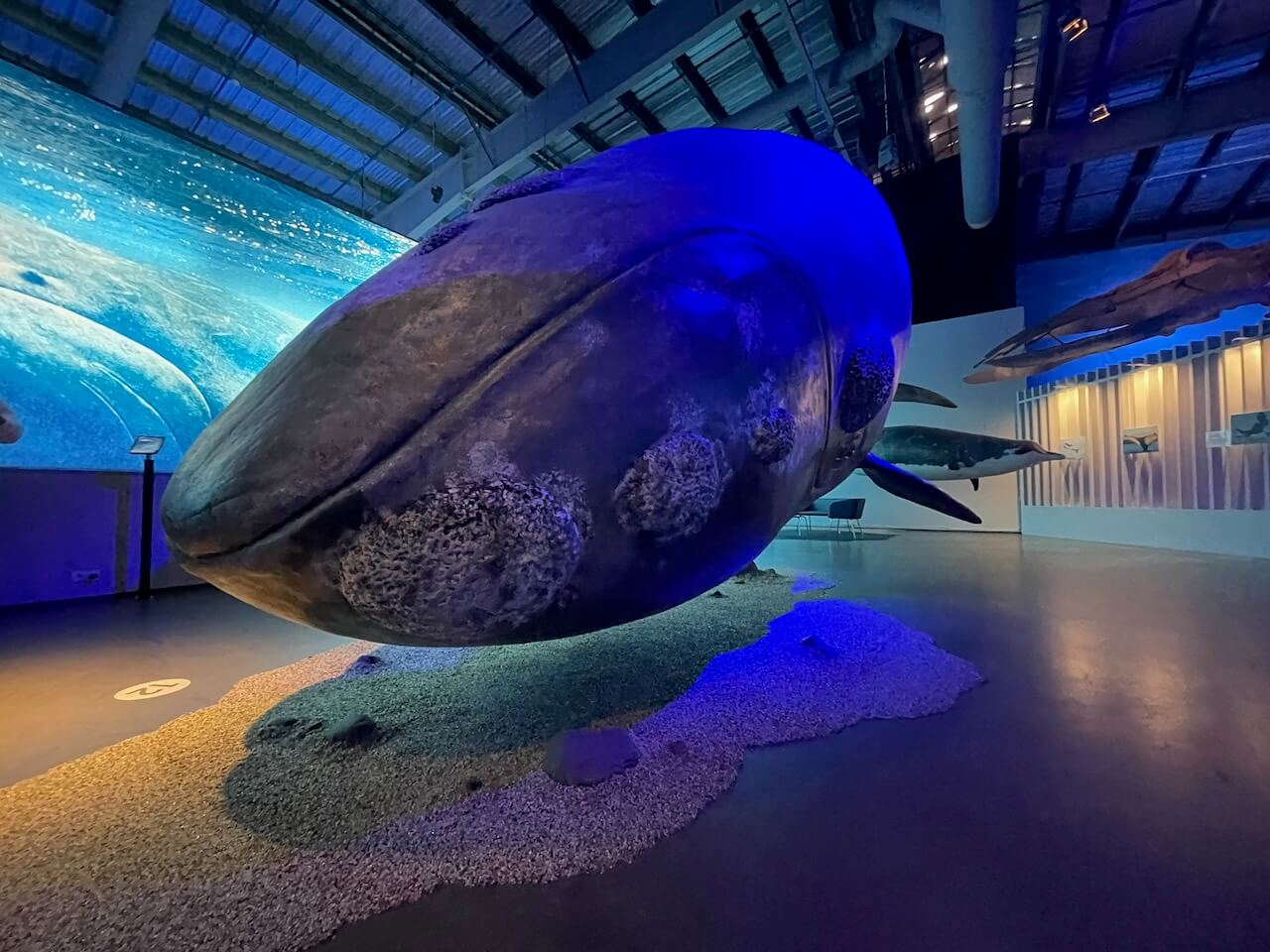
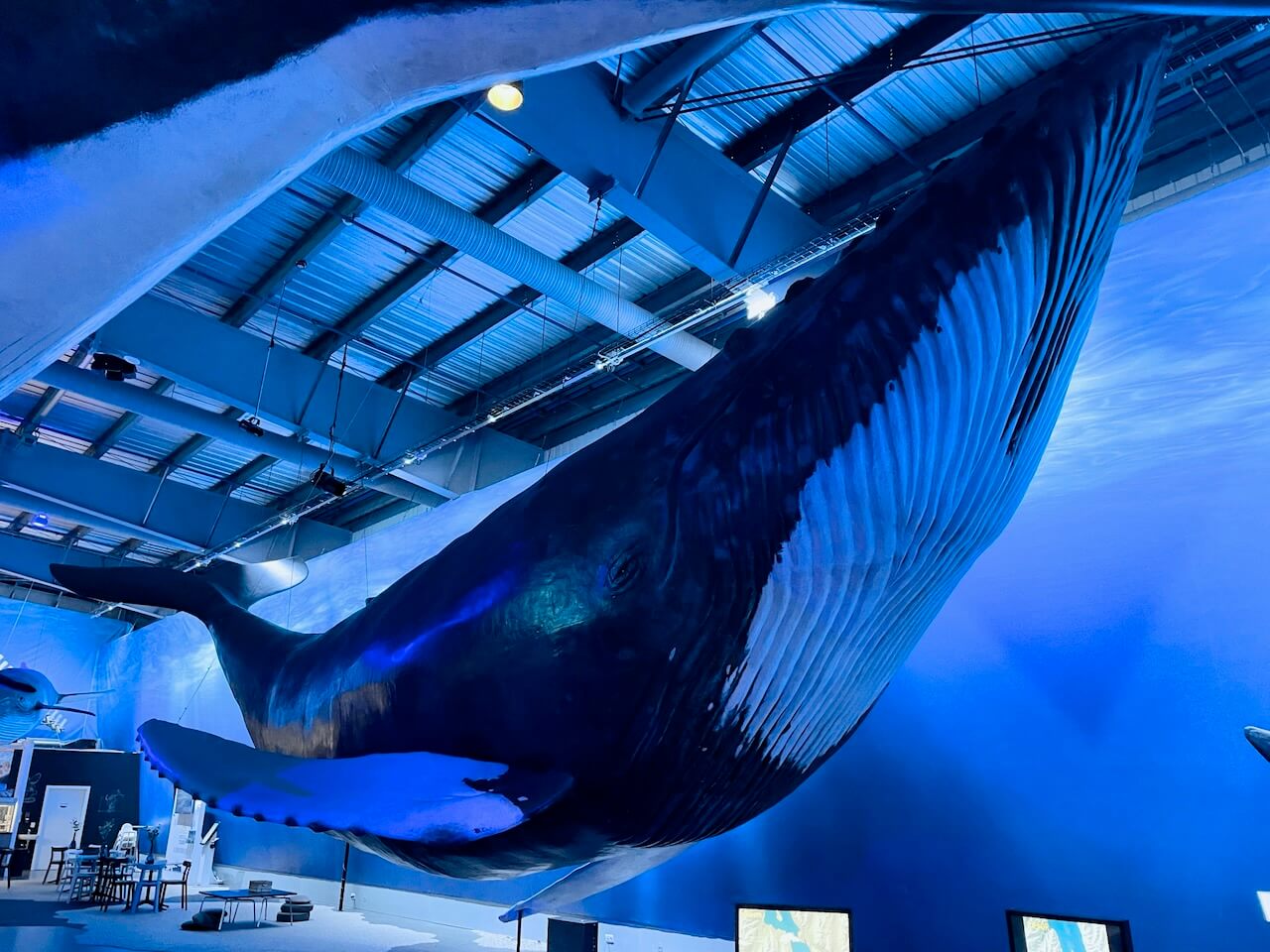
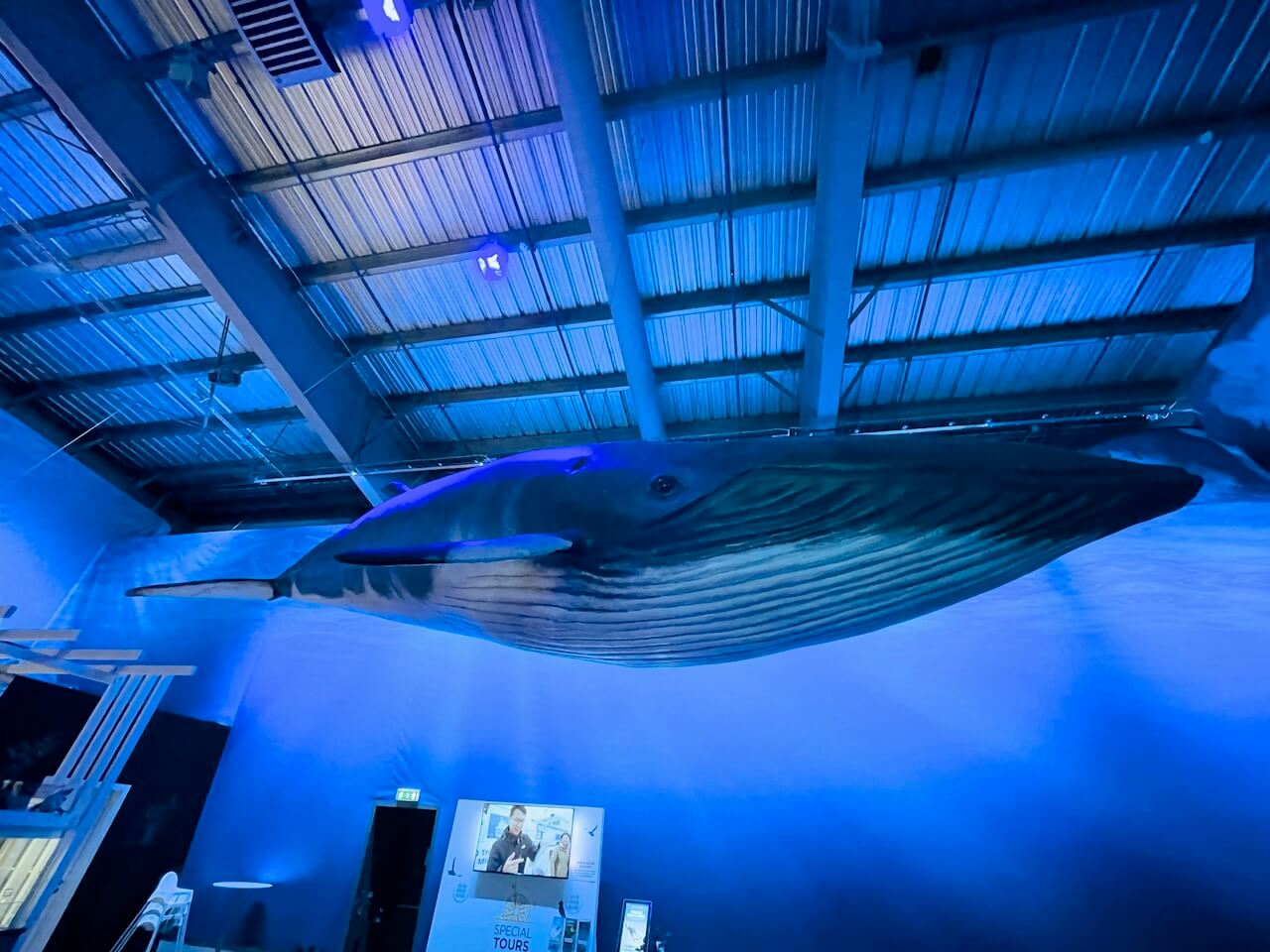
Back on land, the whale exhibition felt like stepping inside the ocean’s memory. Suspended in cool blue light hung a life-sized blue whale model — the largest animal to have ever lived. Standing beneath it is humbling in a way that sneaks up on you. Out on the water, whales feel mysterious and fleeting. In the exhibition, they’re monumental, almost overwhelming. You look up, and your brain struggles to process how something that size moves so gracefully through the sea.
Reykjavik surprised me. No dramatic wind. No battle with the elements. Just calm skies, colorful rooftops, glassy water, and giants surfacing quietly beside our boat. Italy may have cozy harbors, the Netherlands its storybook canals — but Iceland? Iceland keeps its magic just beneath the surface, waiting for you to notice.