Follow this blog

A journey without a finish line

Later Ctrl + ↑

Copenhagen, Where the Water Glows and Dinner Feels Like a Celebration

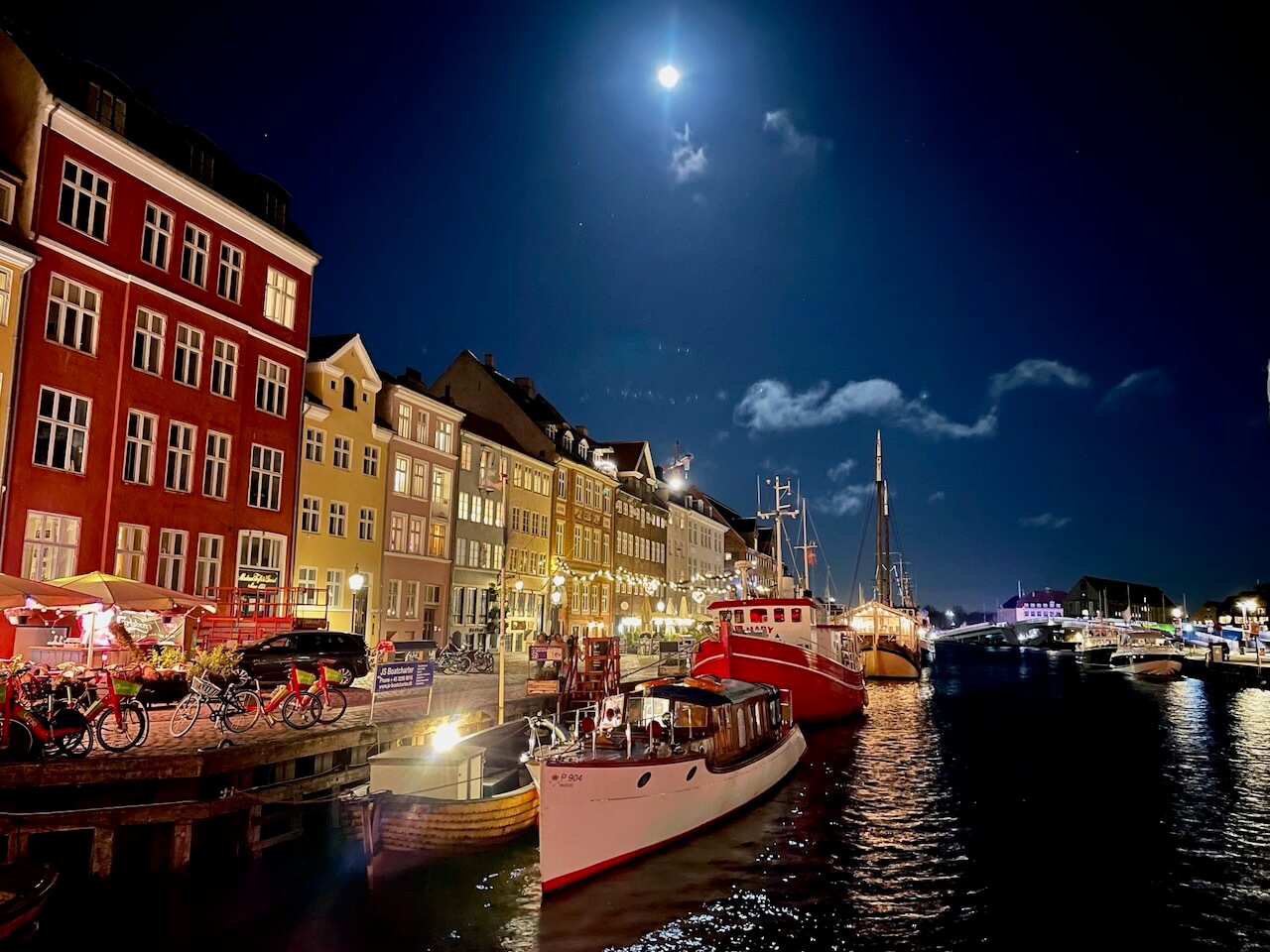
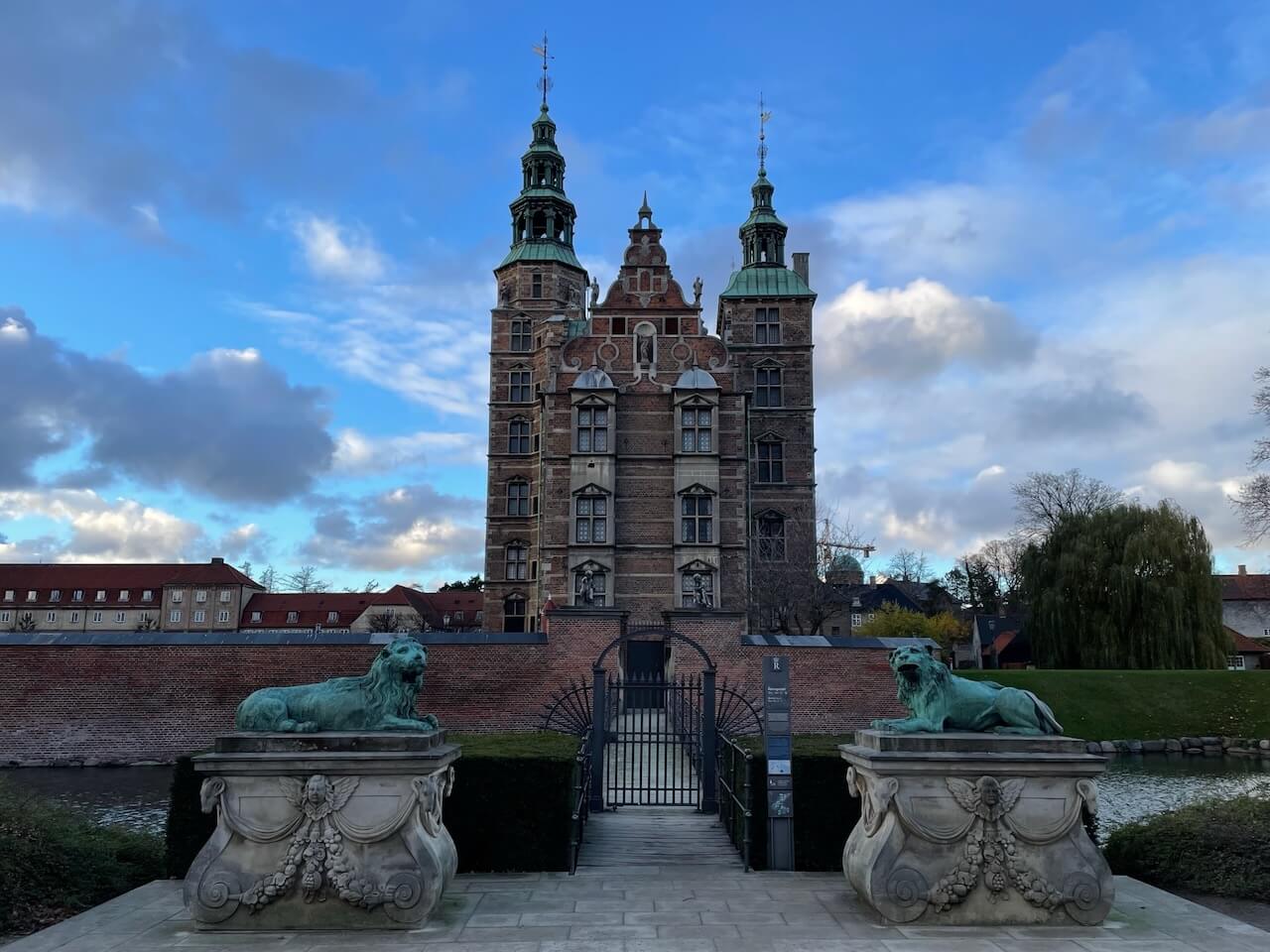
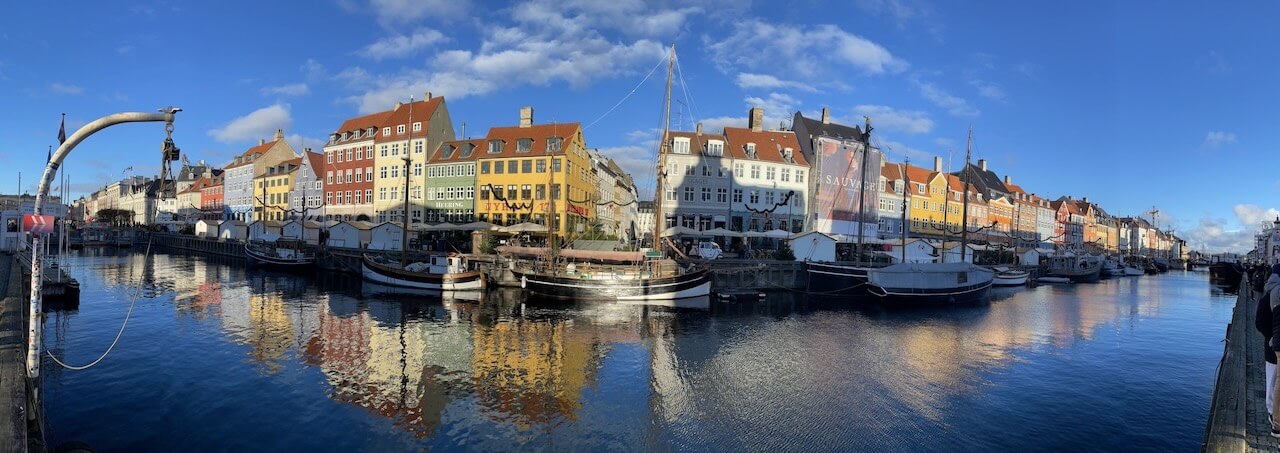
Copenhagen greeted us the way only confident cities do — by casually looking incredible without trying too hard. Nyhavn was doing its usual magic trick: colorful houses lined up like they’d agreed on a dress code, boats gently rocking as if posing for photos, and reflections in the water so perfect they felt suspicious. We wandered along the canal pretending not to stop every ten meters to stare, while the moon hung above the harbor like it had specifically cleared its schedule for this view. The city felt calm but alive, as if everyone had collectively decided to slow down and enjoy the evening properly.

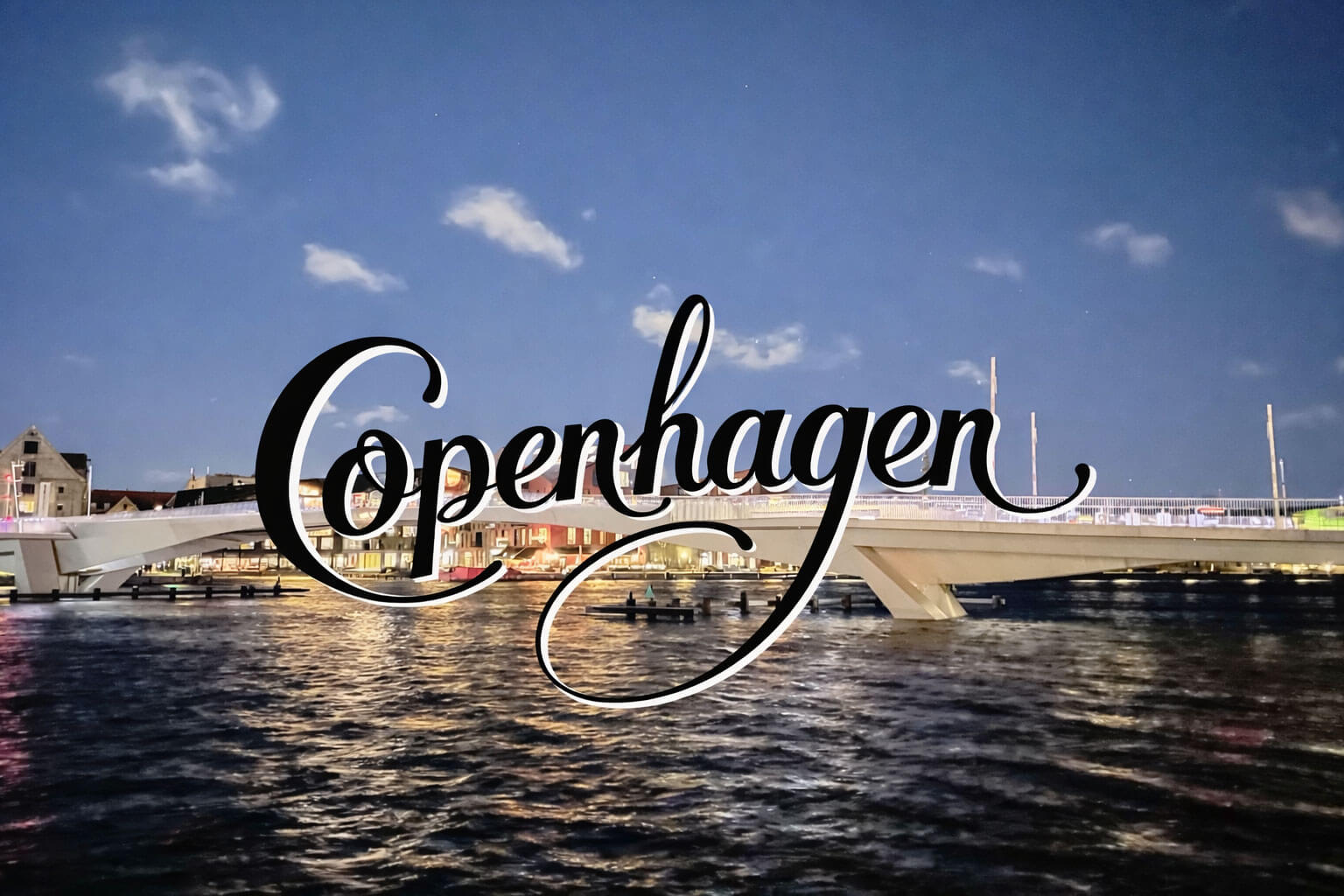
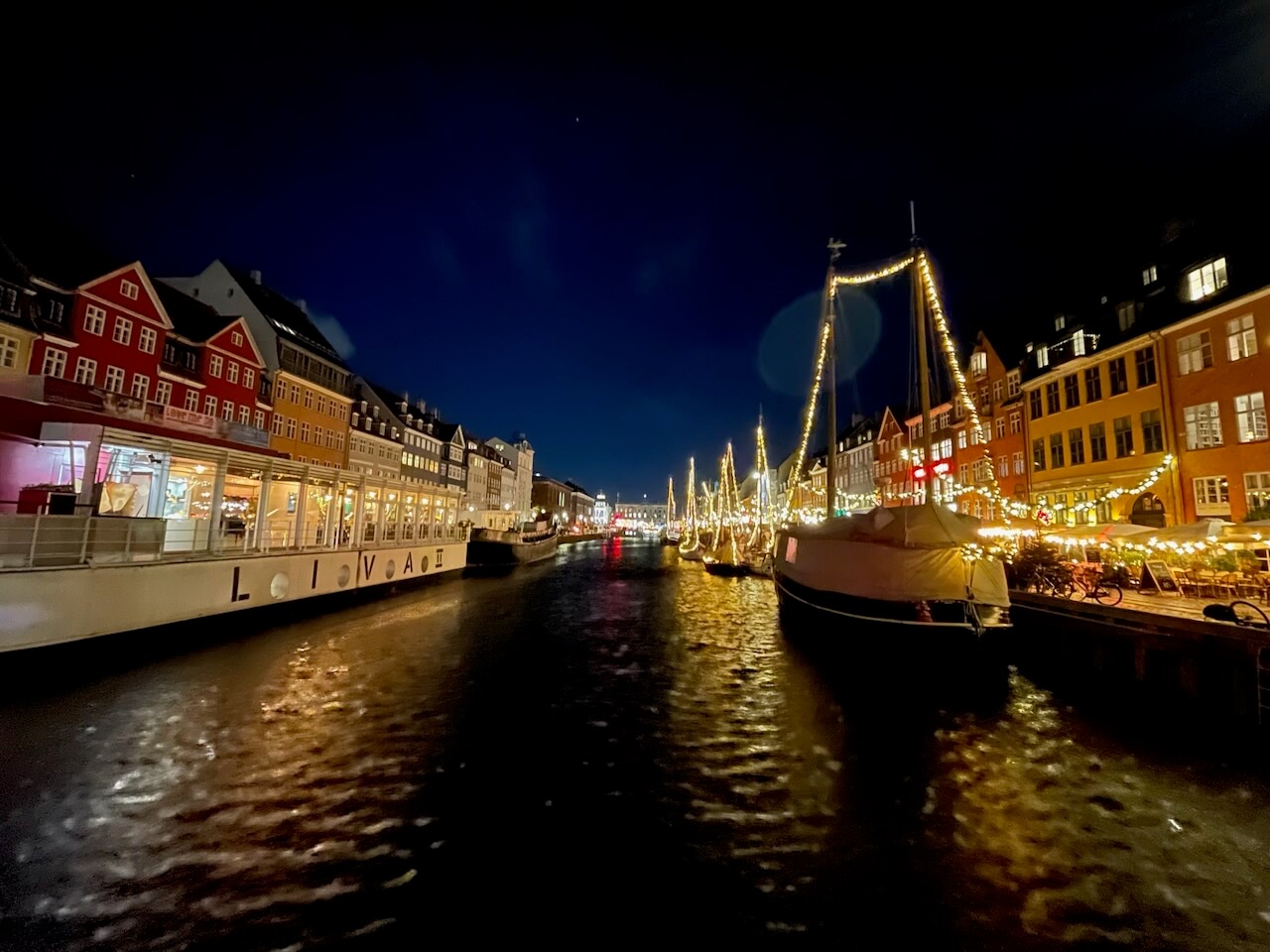
Later, crossing the harbor felt like stepping into a postcard that had accidentally come to life. Inderhavnsbroen stretched elegantly over the water, modern and light, connecting old Copenhagen with the new without making a big deal out of it. Boats decorated with tiny lights floated below, and the water shimmered like it knew it was being watched. Somewhere nearby, oysters were being enjoyed straight from the harbor — salty, cold, and unbelievably fresh — which felt both luxurious and slightly rebellious, like we were getting away with something very Danish.

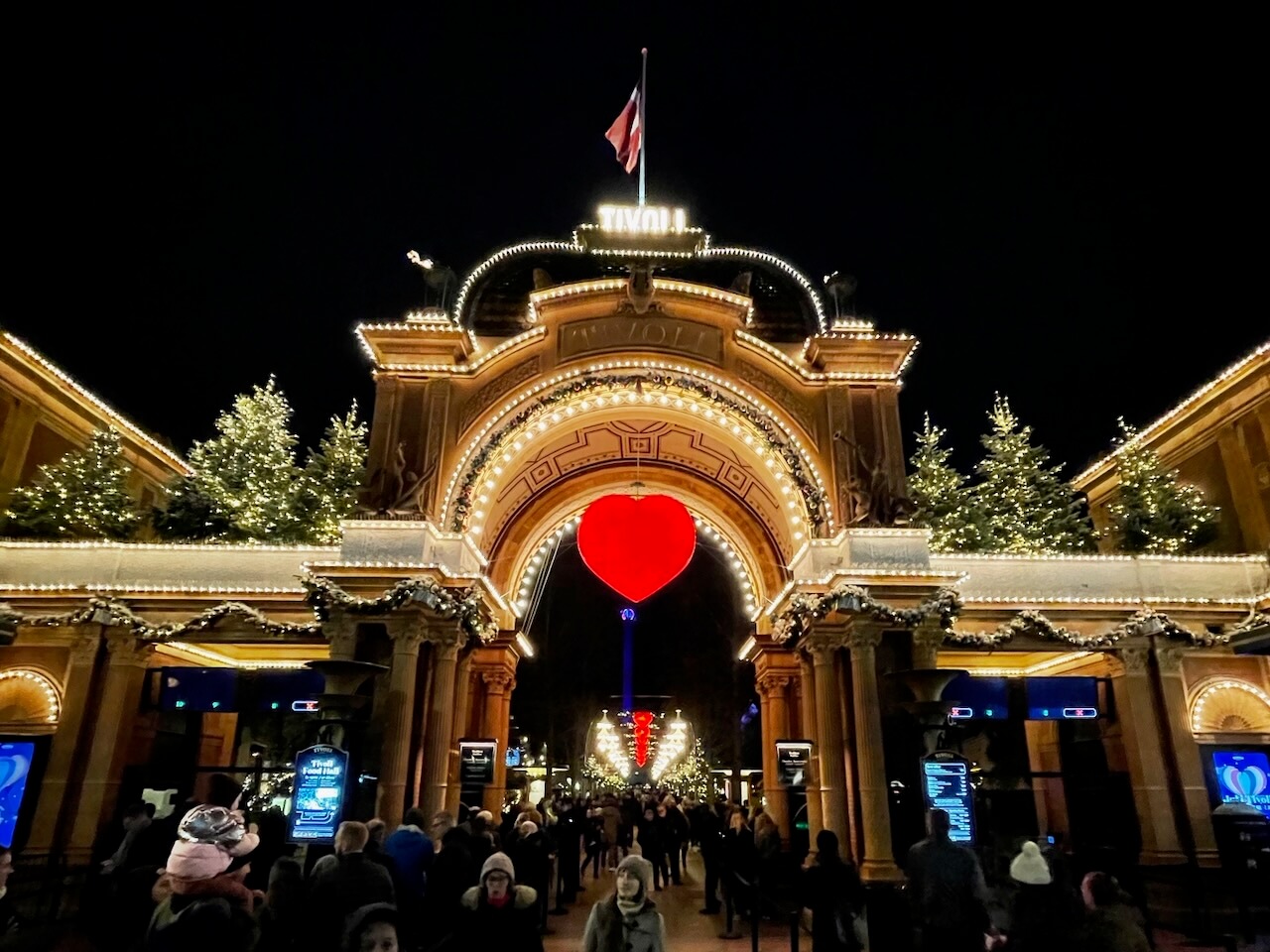
Tivoli, on the other hand, did not believe in subtlety and proudly sparkled its way into the night. The entrance glowed with lights, trees twinkled like they’d been professionally trained for the holidays, and the giant red heart hanging inside made the whole place feel oddly romantic and slightly ridiculous in the best way. Crowds flowed in happily, bundled up but smiling, proving that amusement parks don’t need roller coasters screaming for attention when atmosphere does all the heavy lifting.

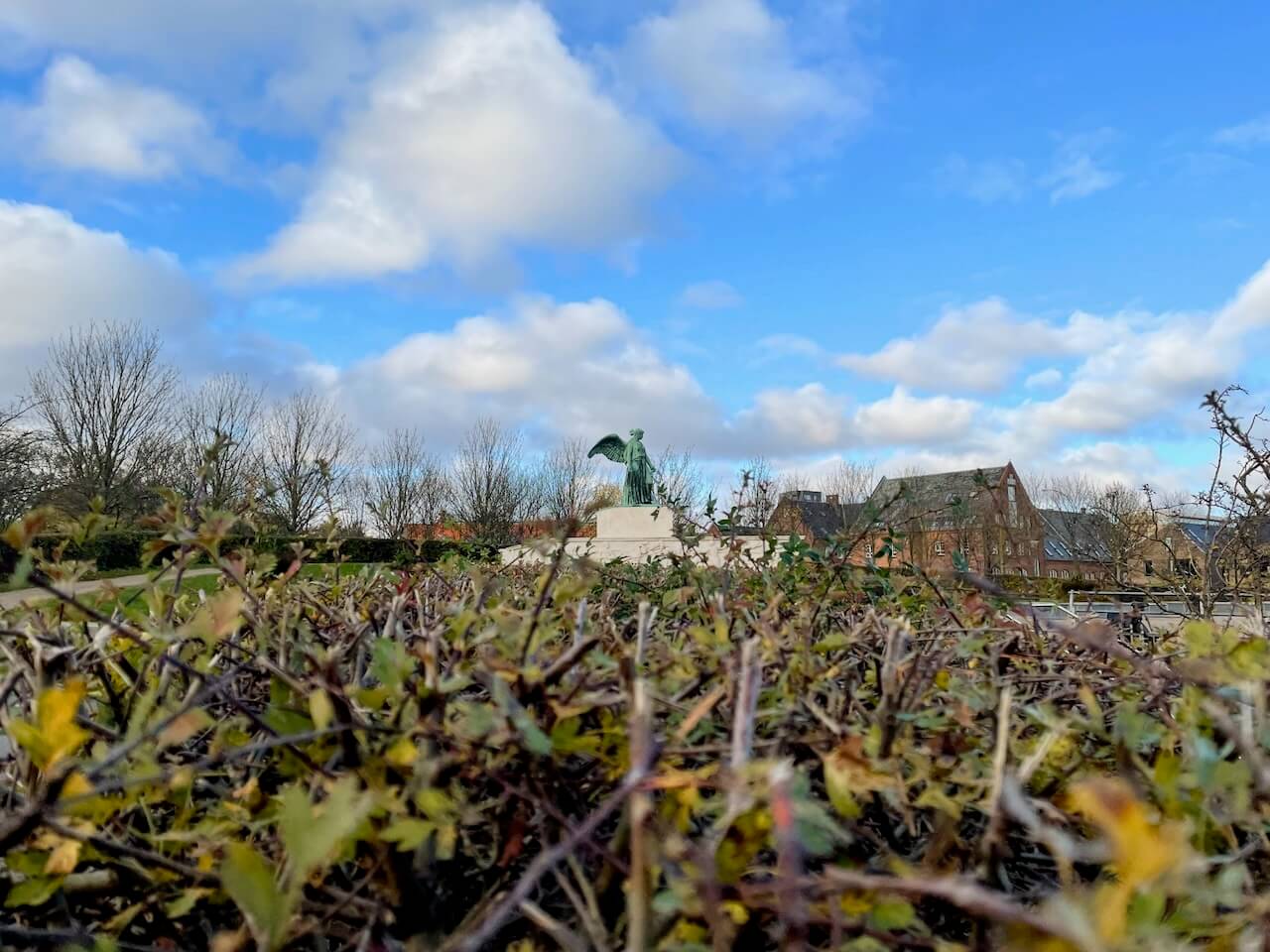
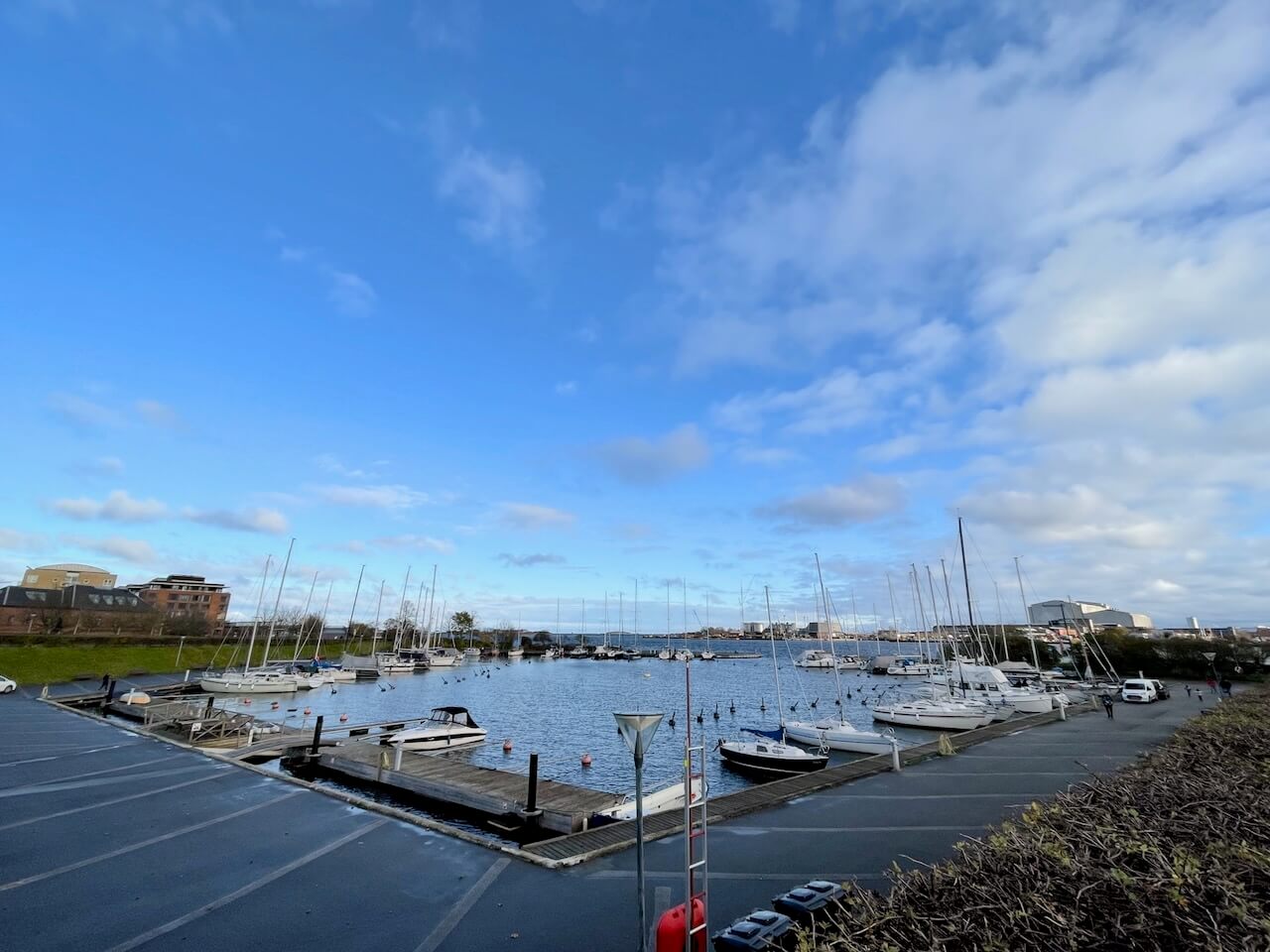
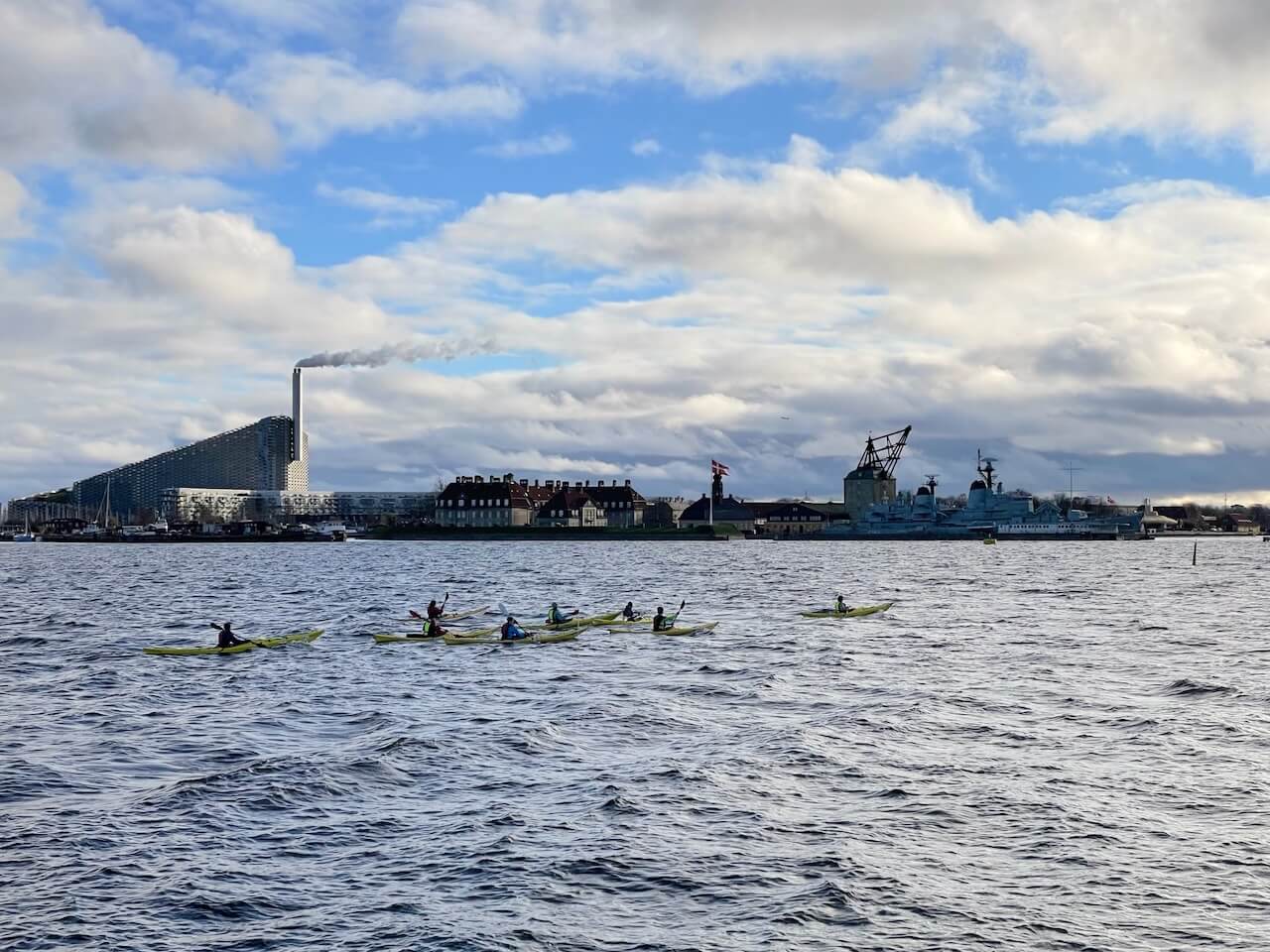
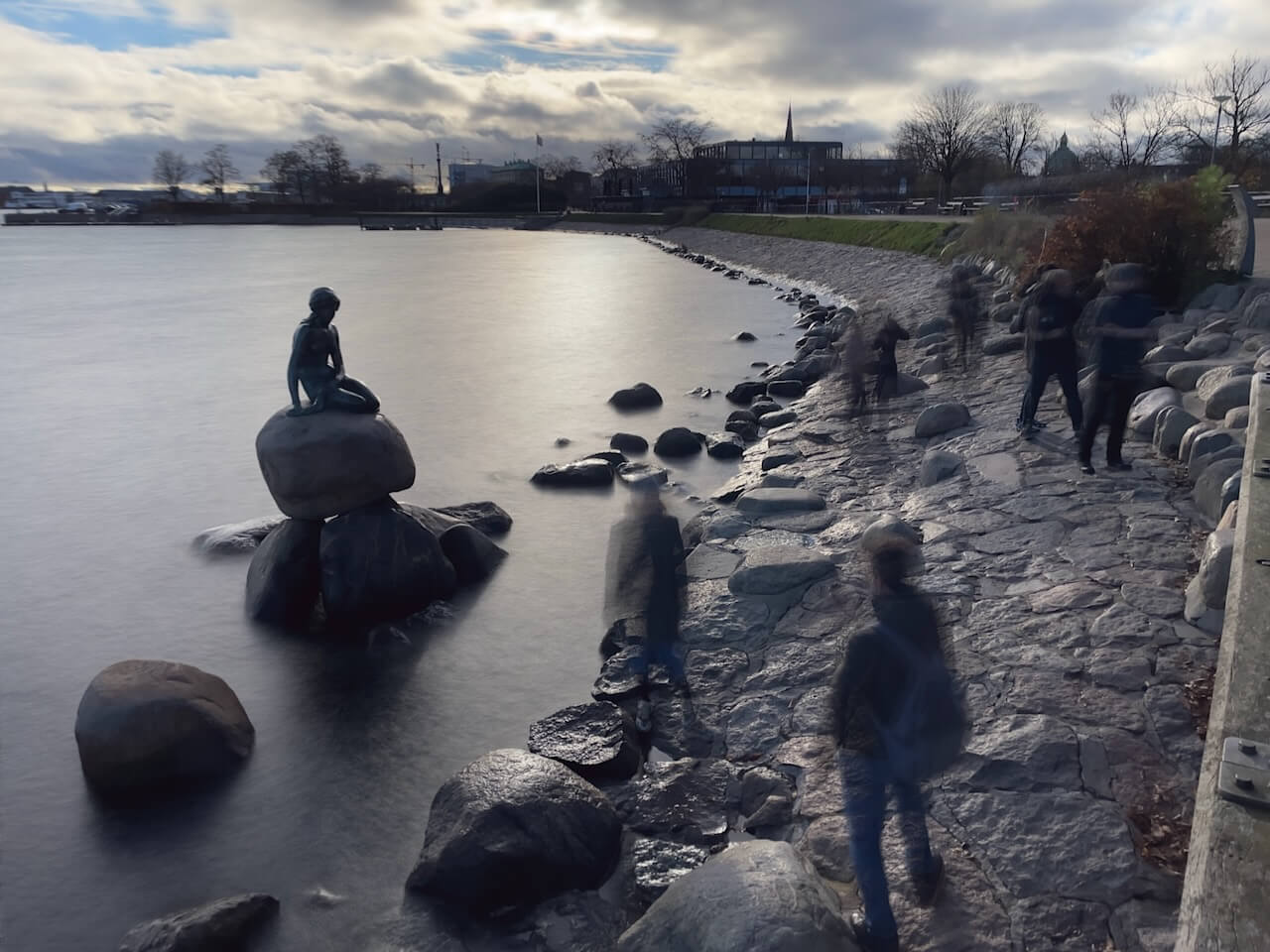
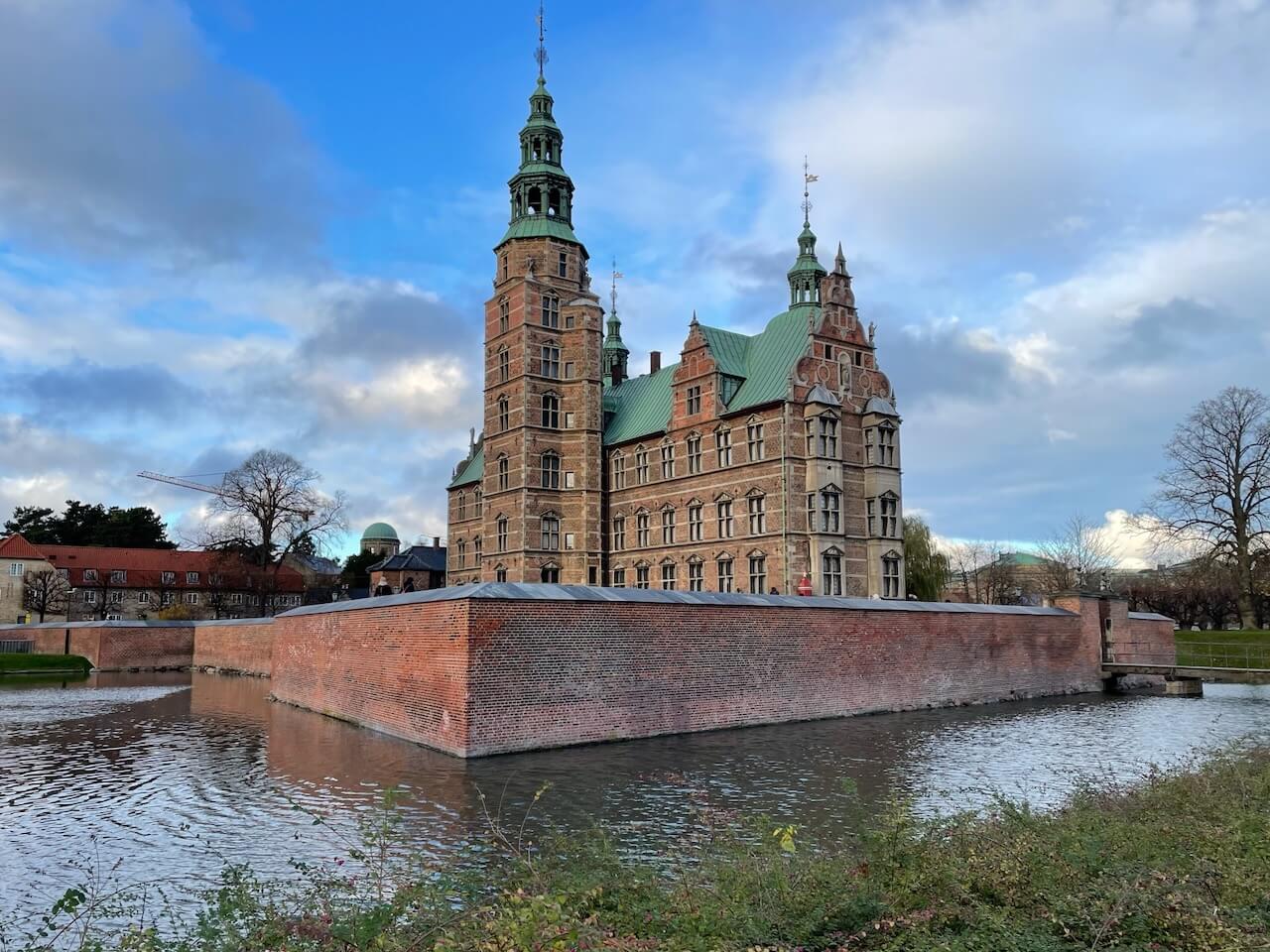
By daylight, Copenhagen softened even more. The Little Mermaid sat quietly on her rock, watching people drift by, clearly used to the attention but not impressed by it. Nearby, the city opened up into calm harbors, rows of boats resting like they had nowhere urgent to be, and grand buildings rising with the kind of elegance that doesn’t need explanation. Somewhere between long walks, surprisingly warm weather, and an excellent sushi dinner at Sticks ’n’ Sushi that made us question all previous sushi experiences, Copenhagen managed to feel relaxed, stylish, and effortlessly welcoming — the kind of place that doesn’t shout to be remembered, but somehow stays with you anyway.

Budapest, Taking Its Time

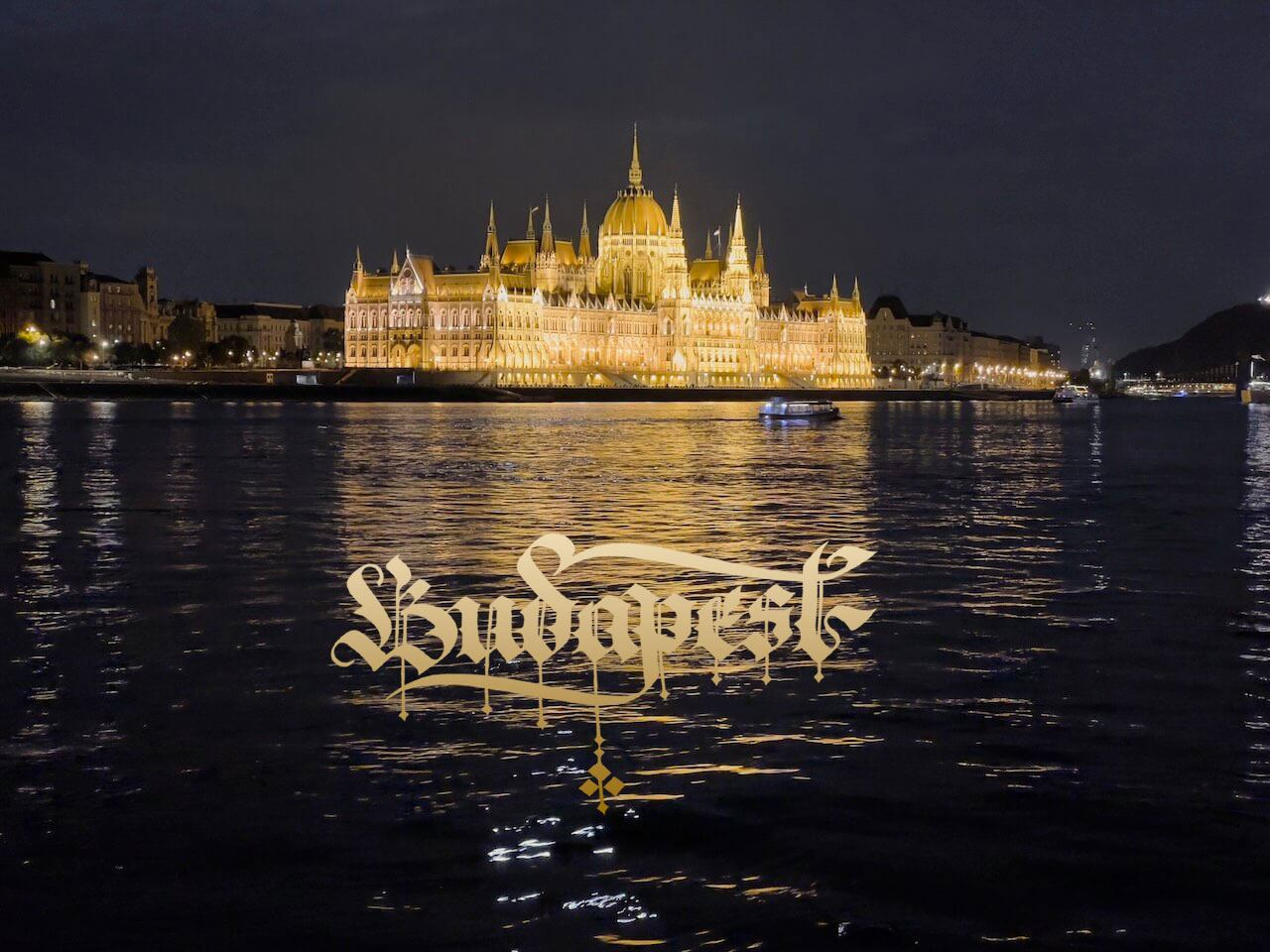
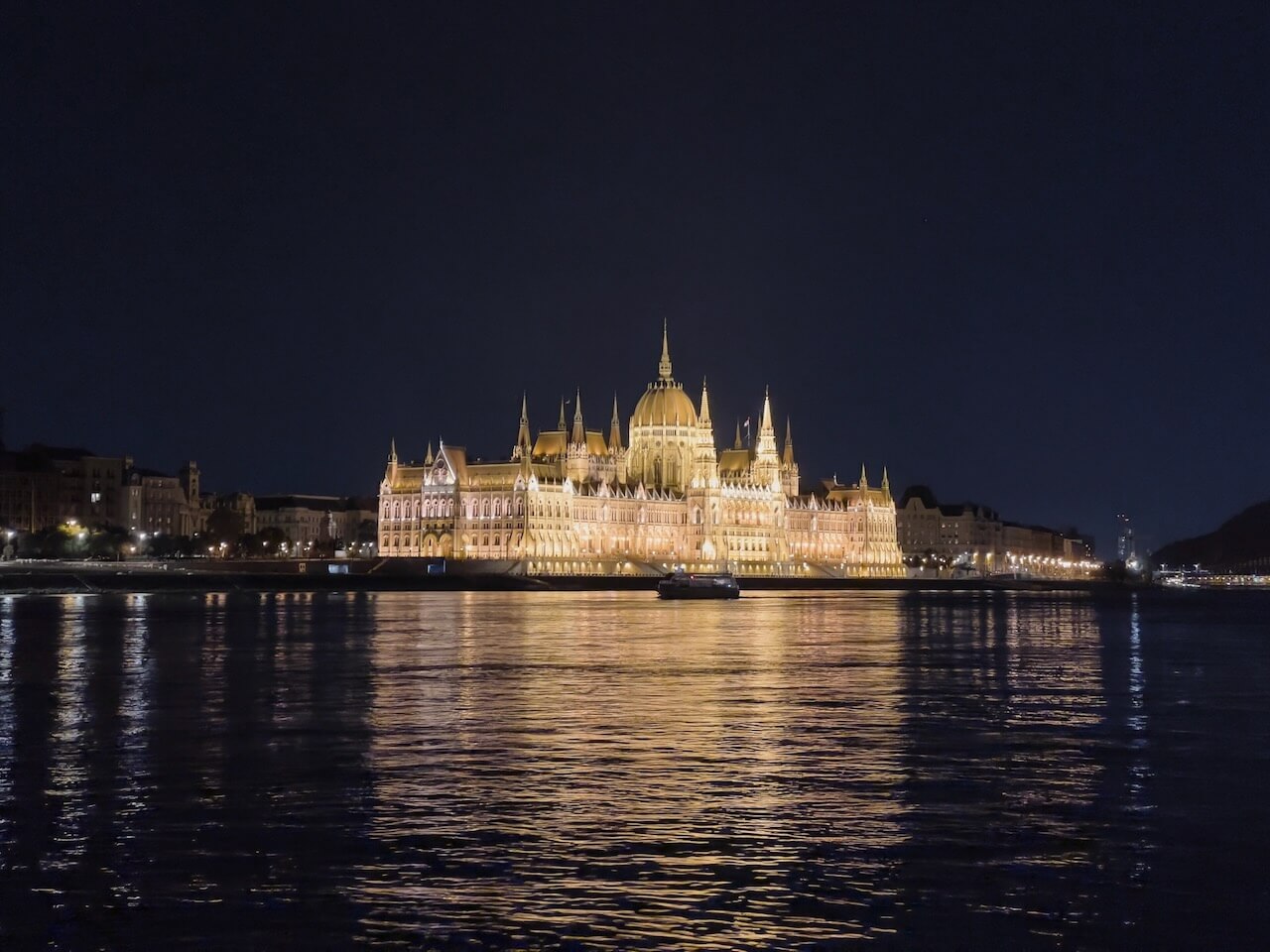
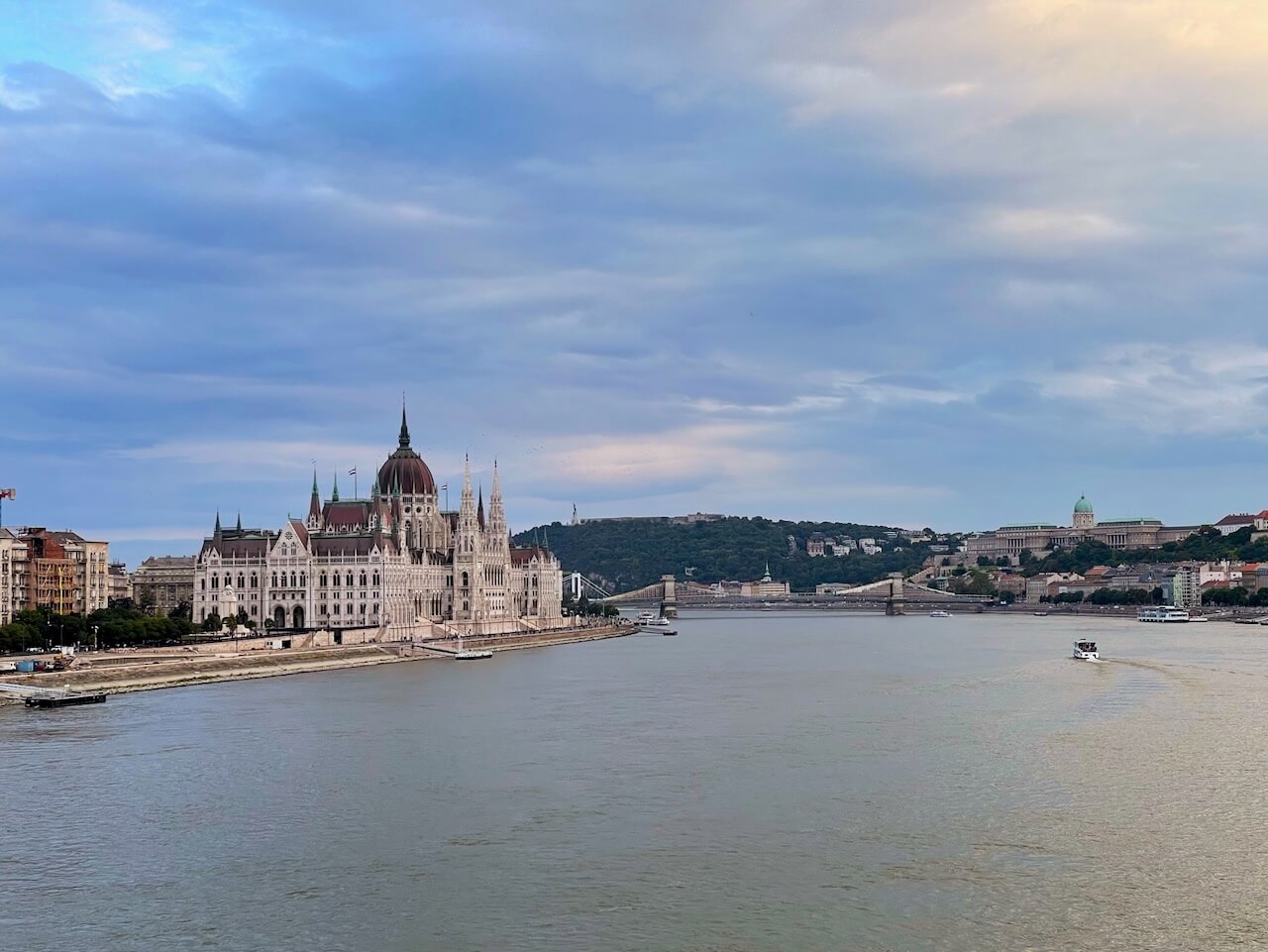
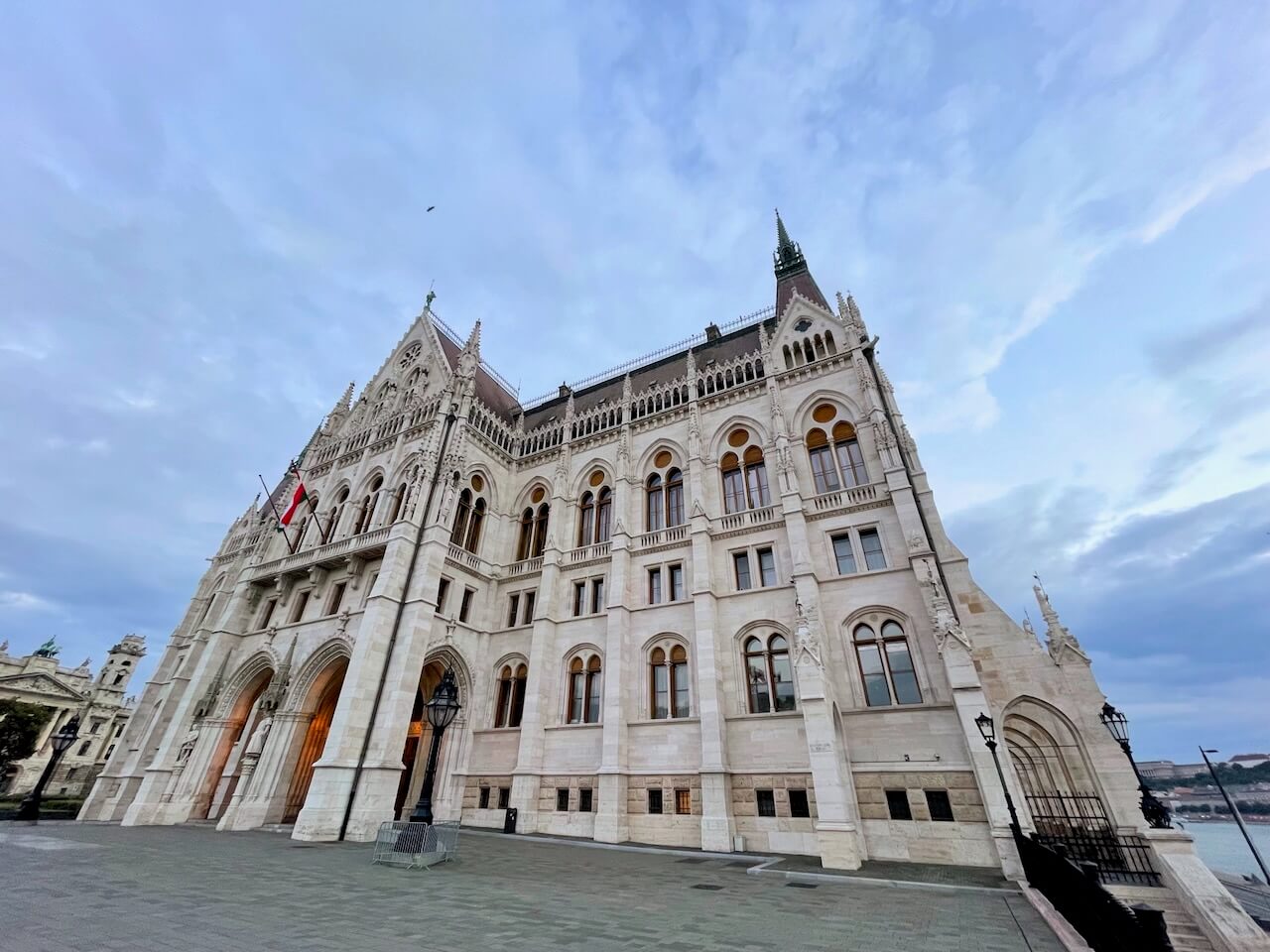
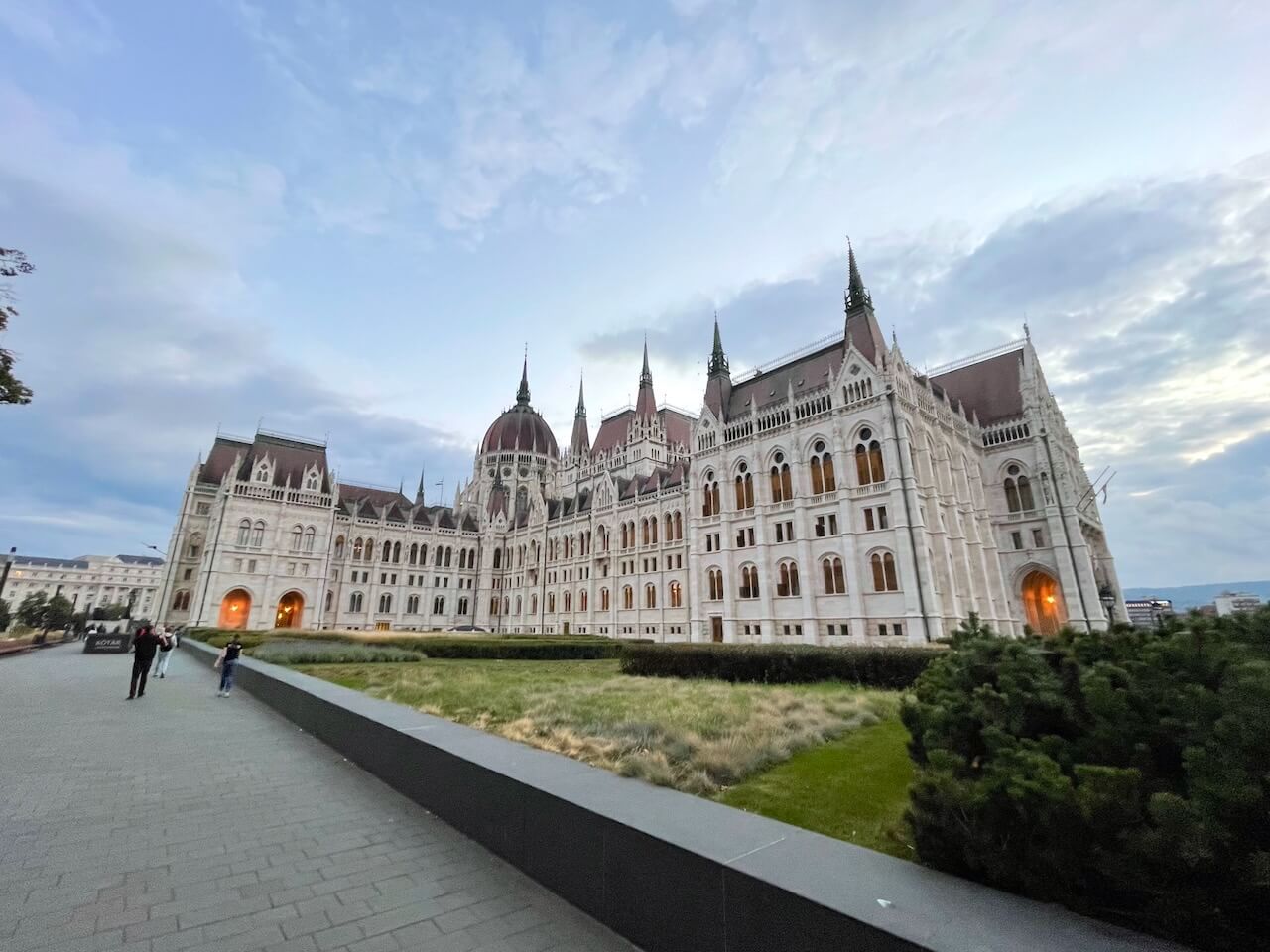
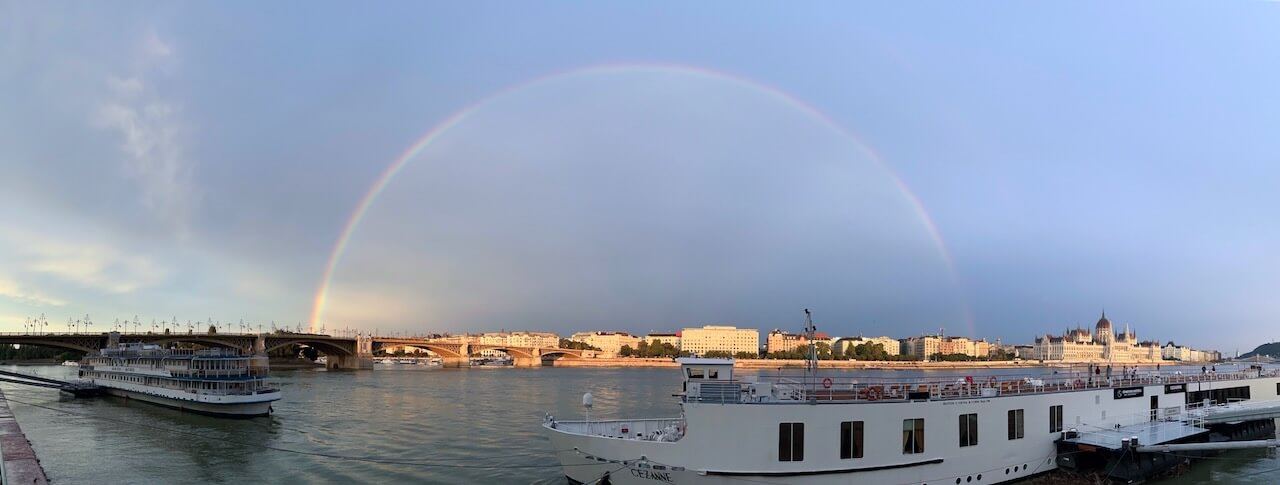
Budapest welcomed us with drama straight out of a movie scene. The Danube flowed calmly, pretending not to notice the city flexing on both banks, while river cruise ships drifted by like floating hotels that had clearly made good life choices. And just when it felt like Budapest couldn’t get any more theatrical, it casually dropped a full rainbow over the water. In the background, the Hungarian Parliament Building stretched along the river like an architectural mic drop, perfectly aware that it looks good in every possible light, angle, and mood.

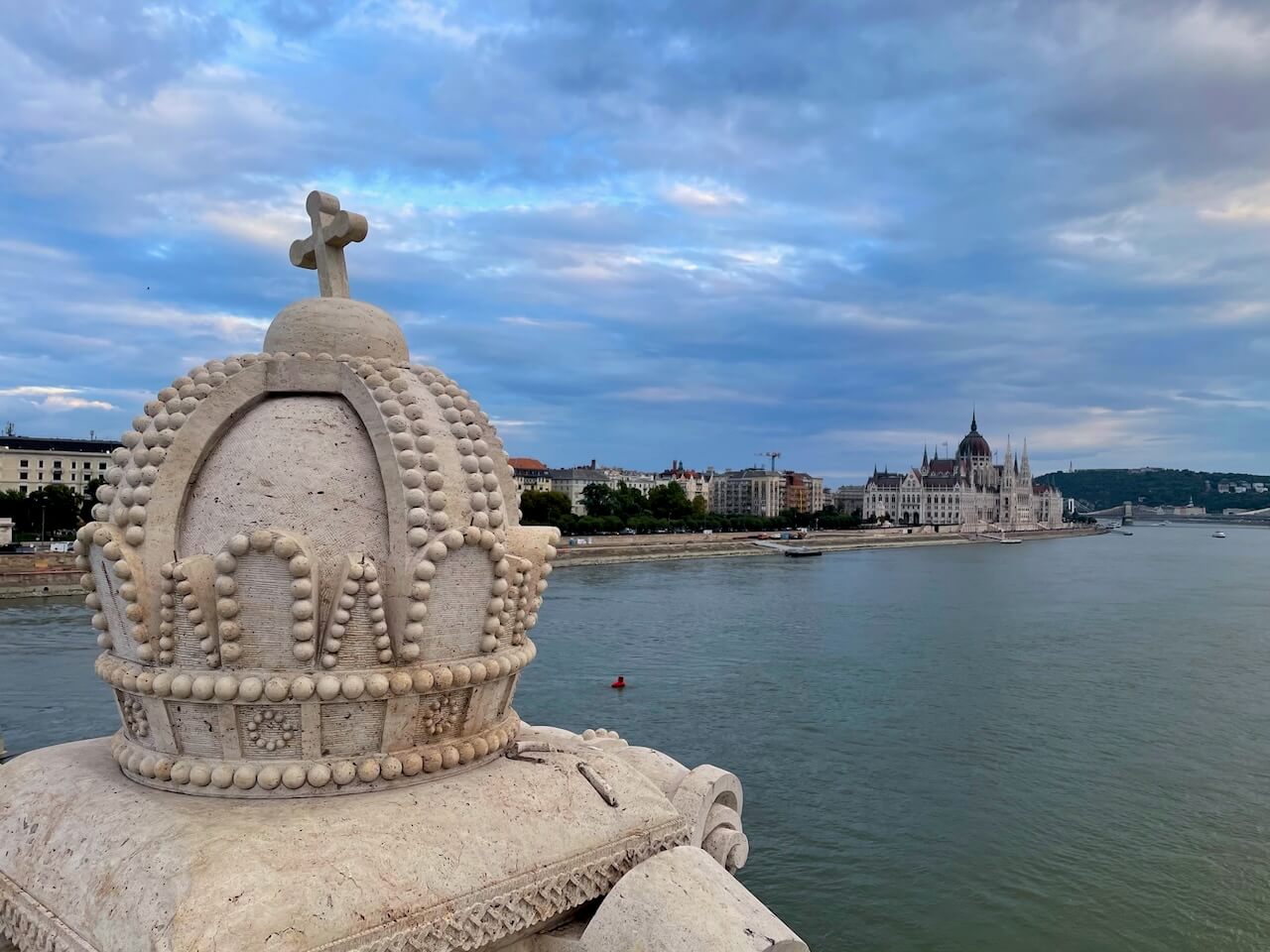
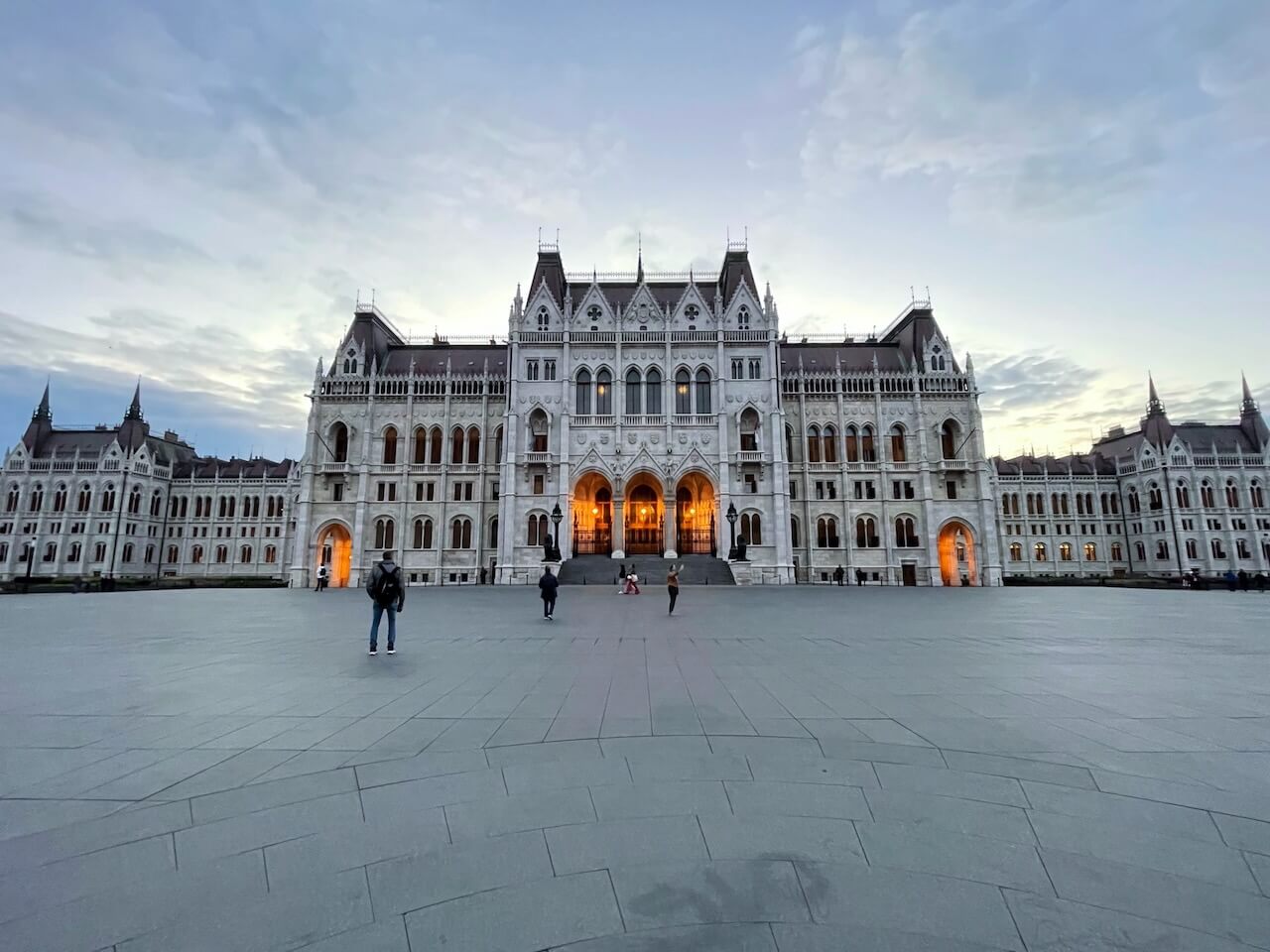
Crossing the Danube felt like walking through a live exhibition of very confident buildings. From the bridges, Pest buzzes with straight lines and movement, while Buda relaxes on its hills, watching calmly like an older sibling. The Parliament changes personality with every step — glowing warmly at night, sharp and elegant during the day — while stone crown statues on the bridges silently judge your photography skills. Even when you think you’ve seen the best view, Budapest gently proves you wrong a few meters later.

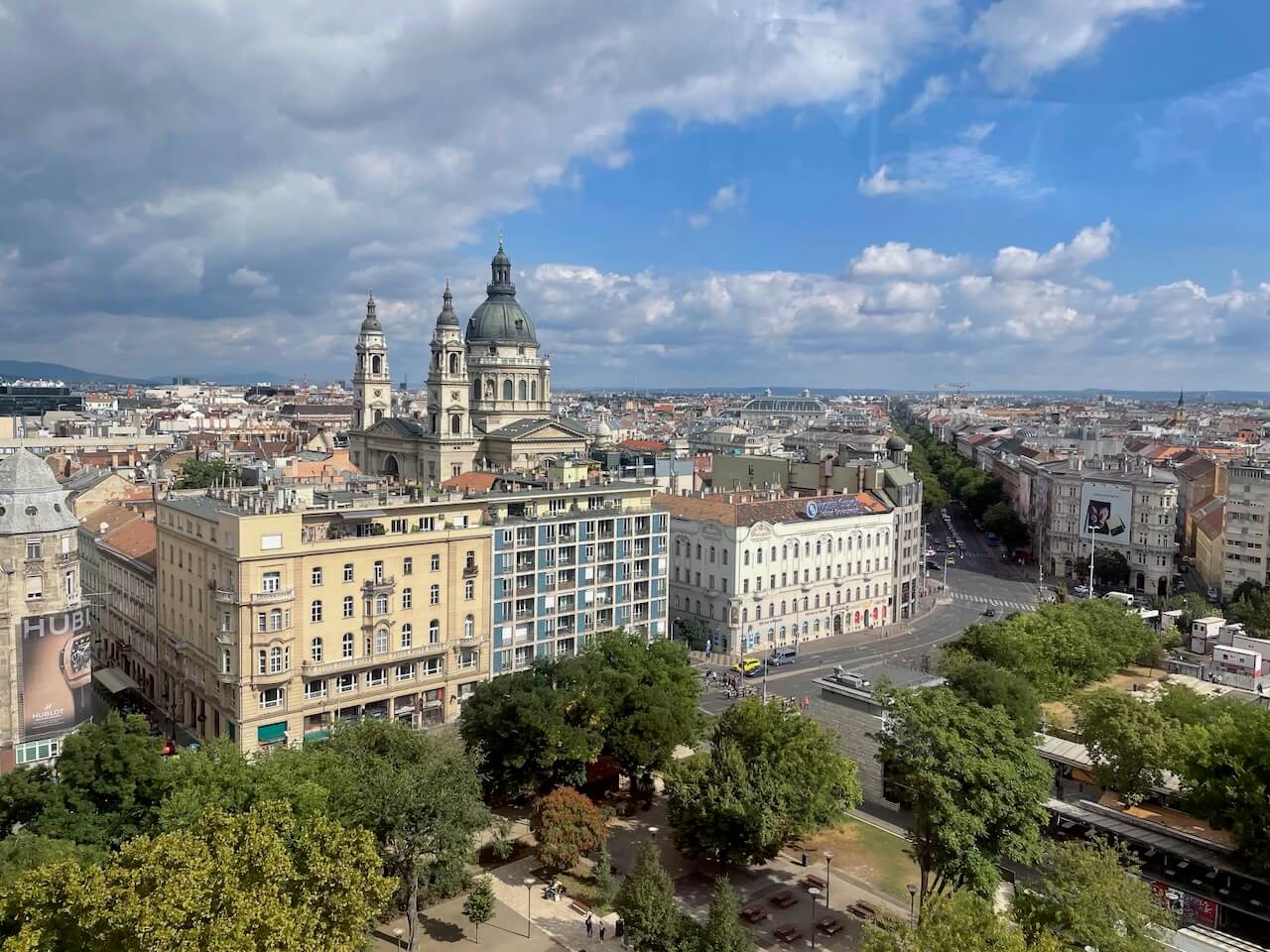
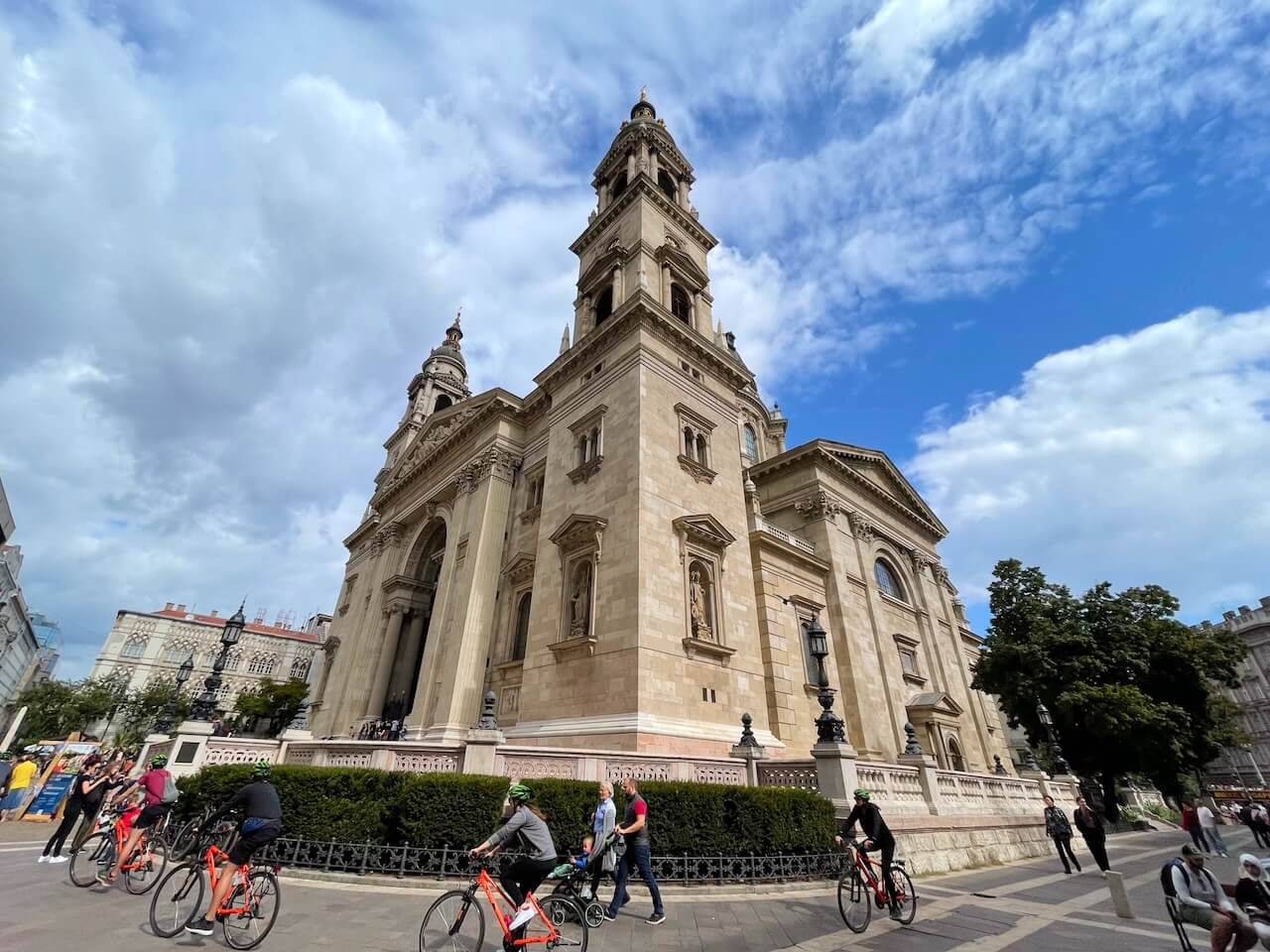
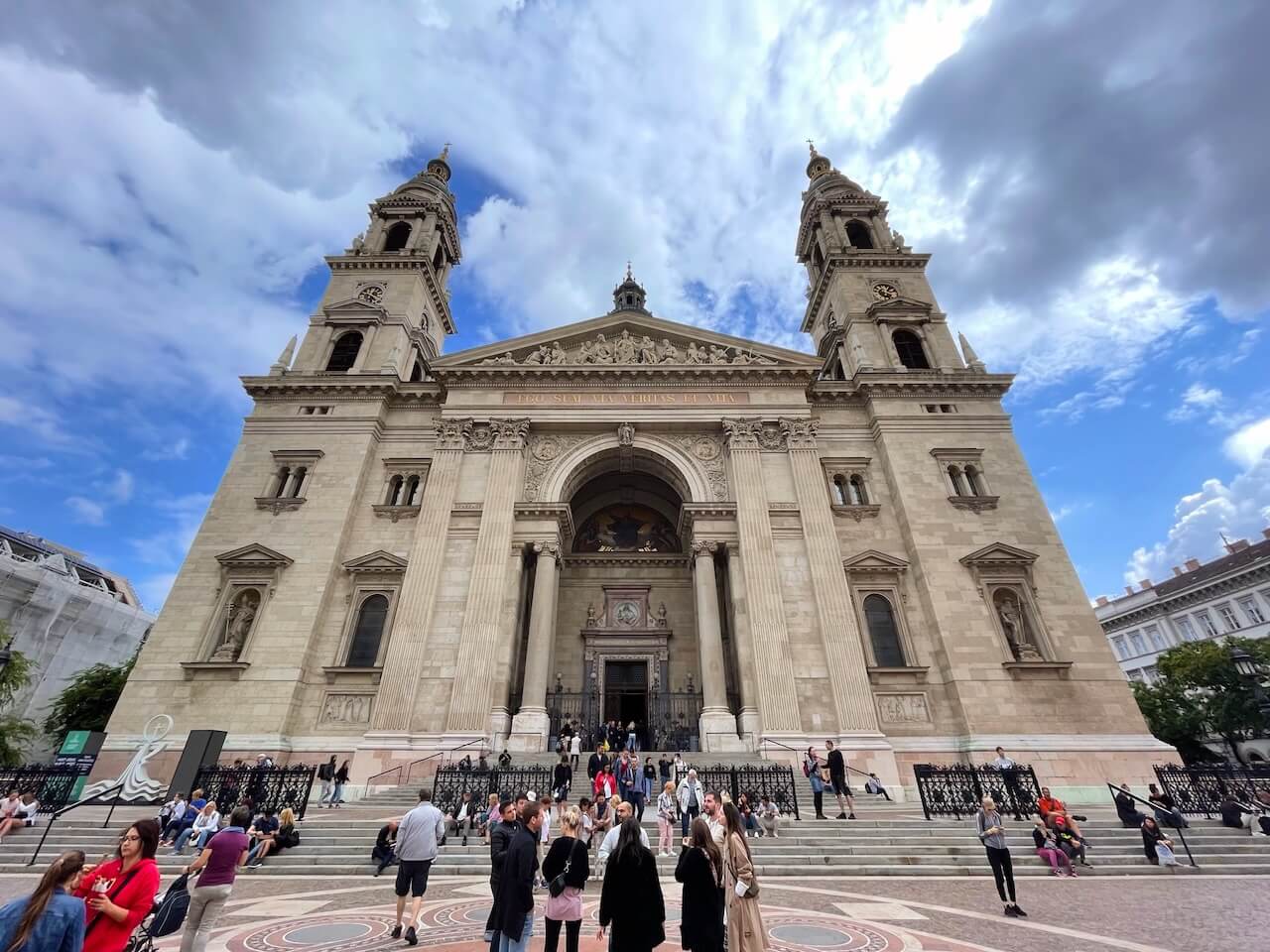
Deeper in the city, St. Stephen’s Basilica rises with the authority of something that knows it’s iconic. Standing below it, you suddenly understand why cyclists slow down, tourists stop talking, and everyone instinctively looks up. Life flows around it effortlessly: bikes glide past, families wander in loose formations, and cafés quietly do what they do best. Somewhere between the basilica, the wide streets, and the endless architectural details, Budapest stops being a destination and starts feeling like a place you could accidentally stay longer than planned.

Food and family time tie everything together, because in Budapest every walk eventually ends near something delicious. Days stretch comfortably from long strolls into longer meals, then back to the river as evening lights switch on and the Parliament begins its nightly glow. Add a bit of Formula 1 energy into the mix – fast, precise, and thrilling – and the city suddenly feels like a perfectly tuned engine wrapped in historic stone. Beautiful, tasty, lively, and relaxed all at once, Budapest somehow makes it all look effortless.

Villajoyosa: Climbing for the View, Staying for the Silence

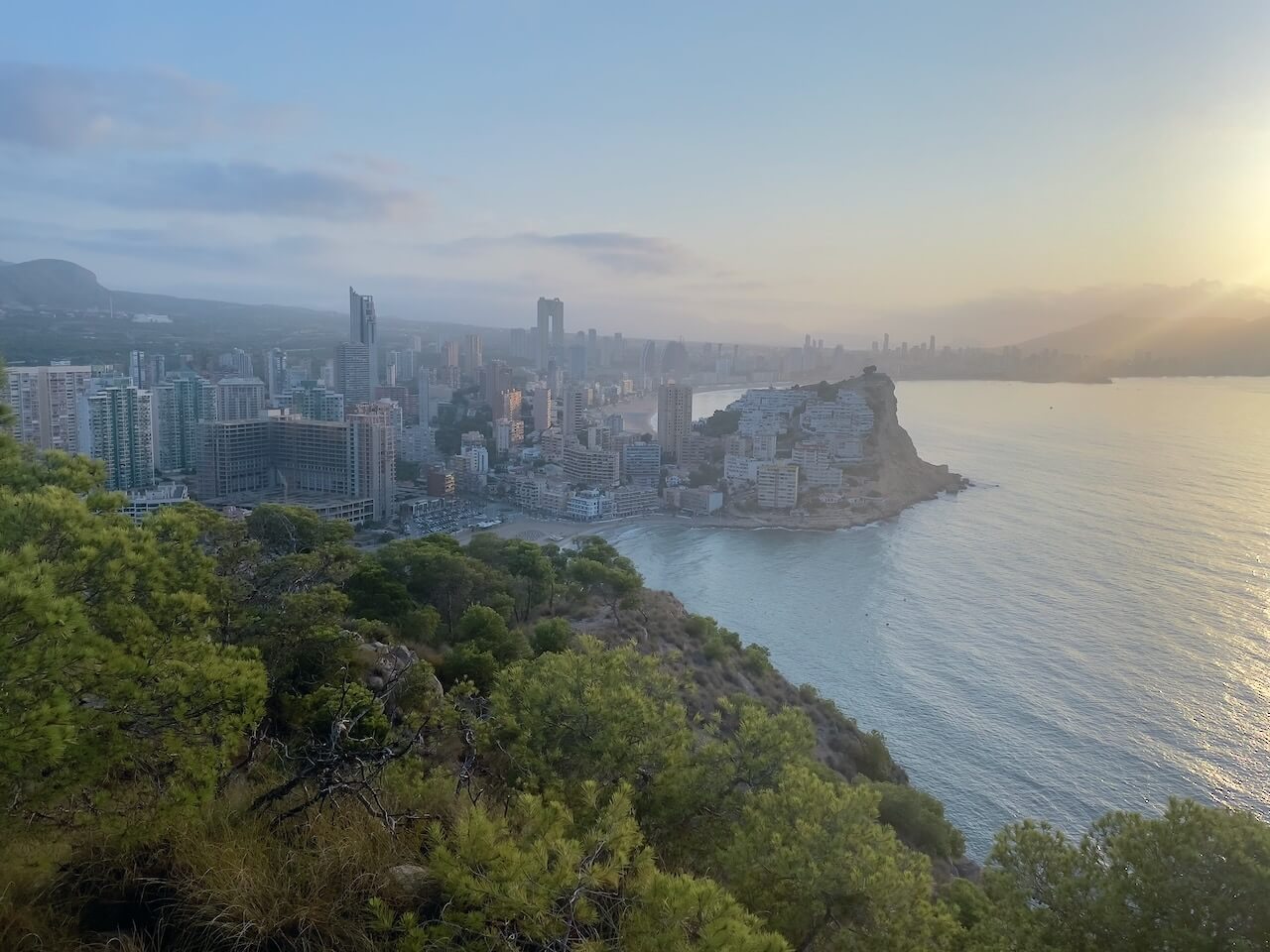
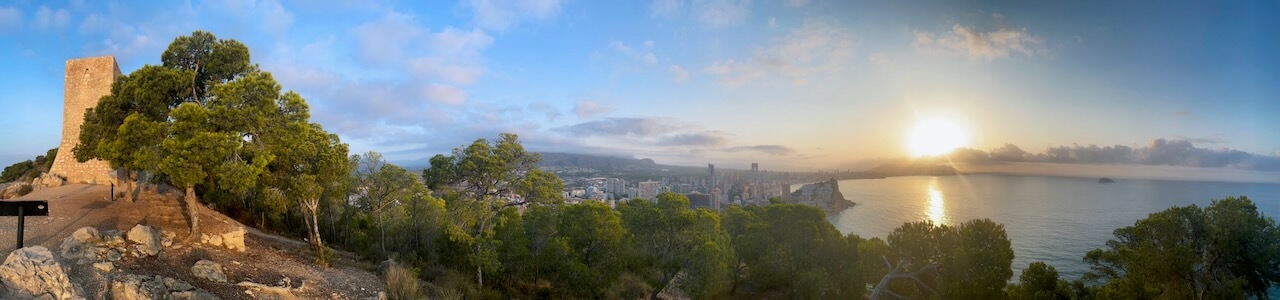
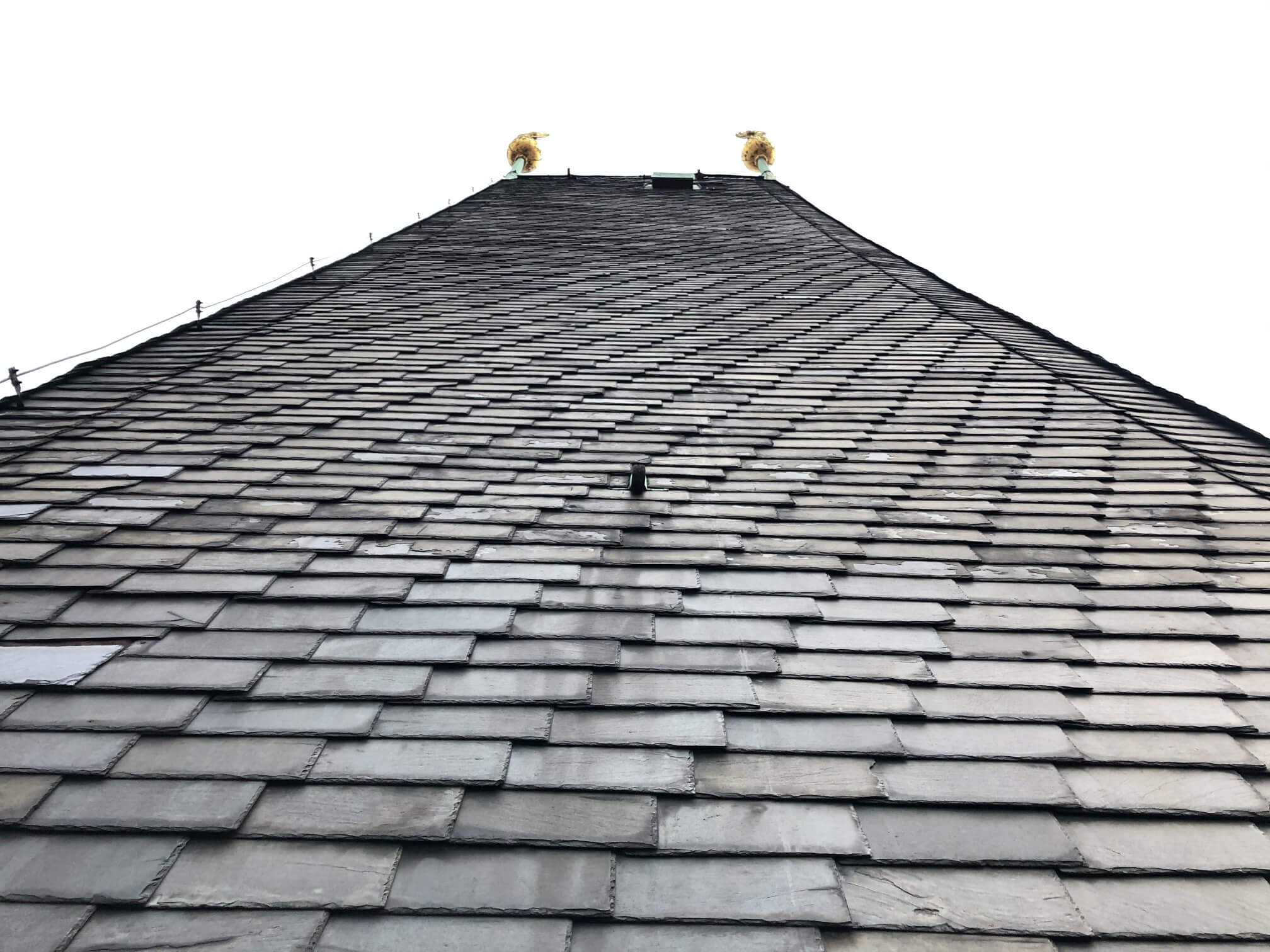
Torre d’Aguiló has that special talent of looking very close while secretly being a decent workout. From below, it feels like a casual stroll; halfway up, it turns into a polite argument with gravity. The path snakes through pine trees smelling of summer and sun-warmed needles, and you find yourself stopping often, officially for the view, unofficially for your lungs. With every step, the noise of the town fades, replaced by wind, cicadas, and your own slightly dramatic breathing.

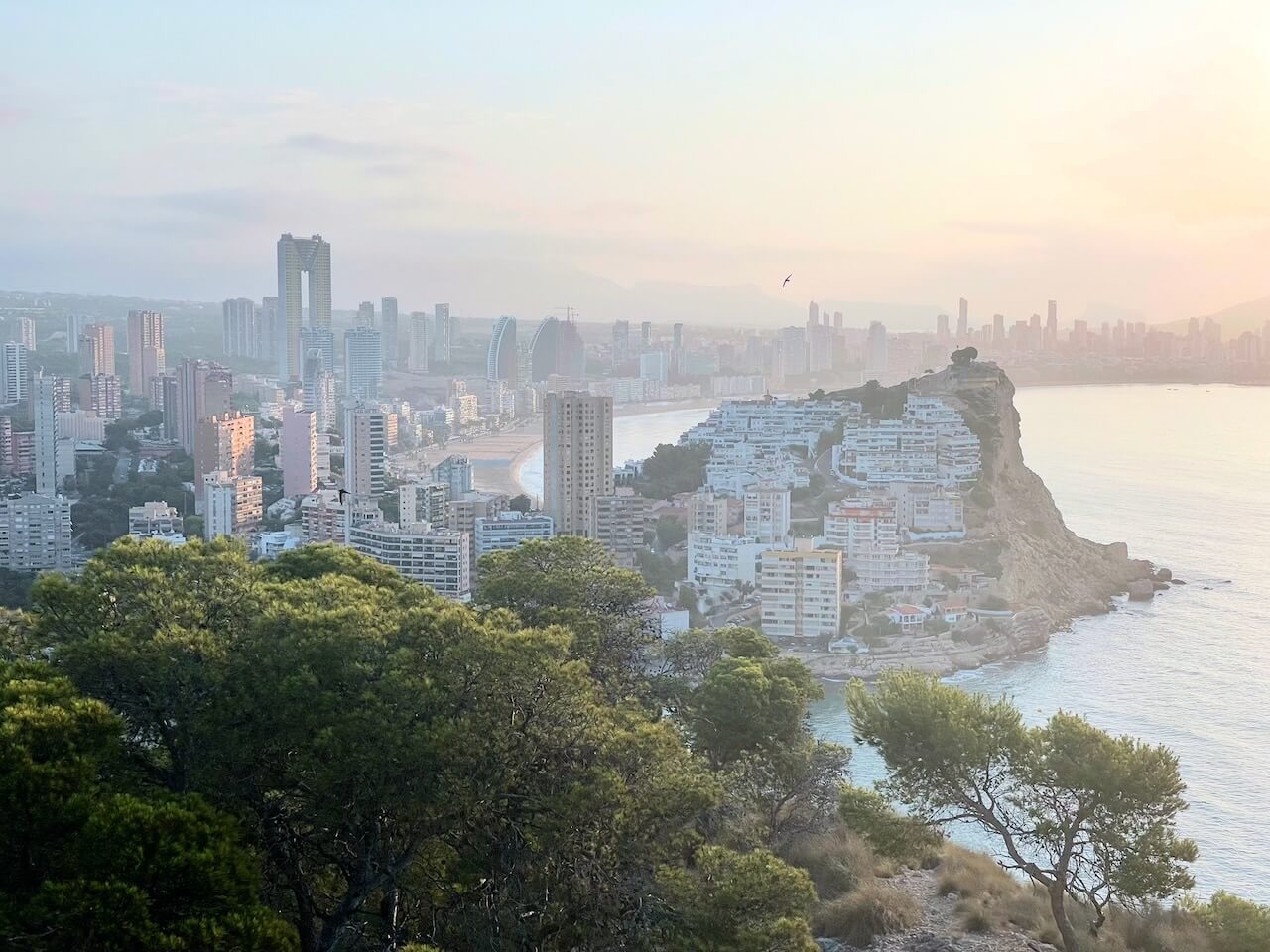
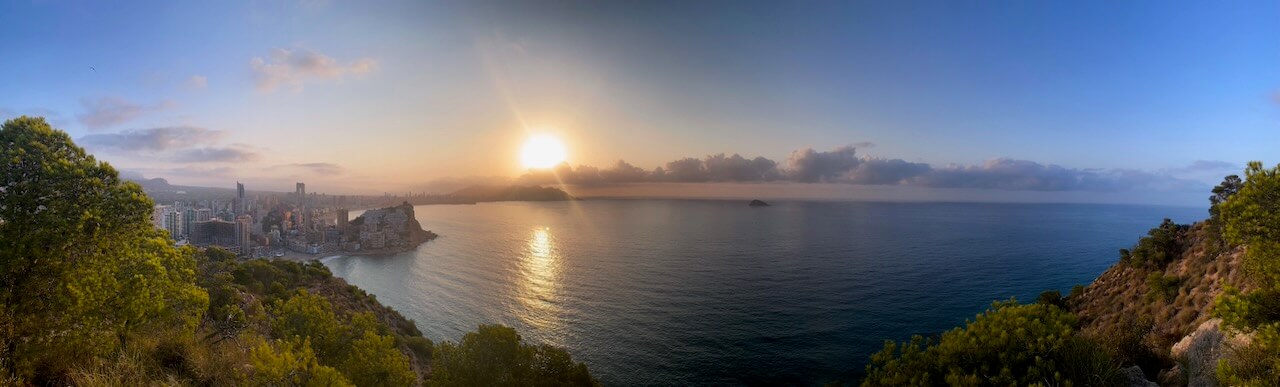
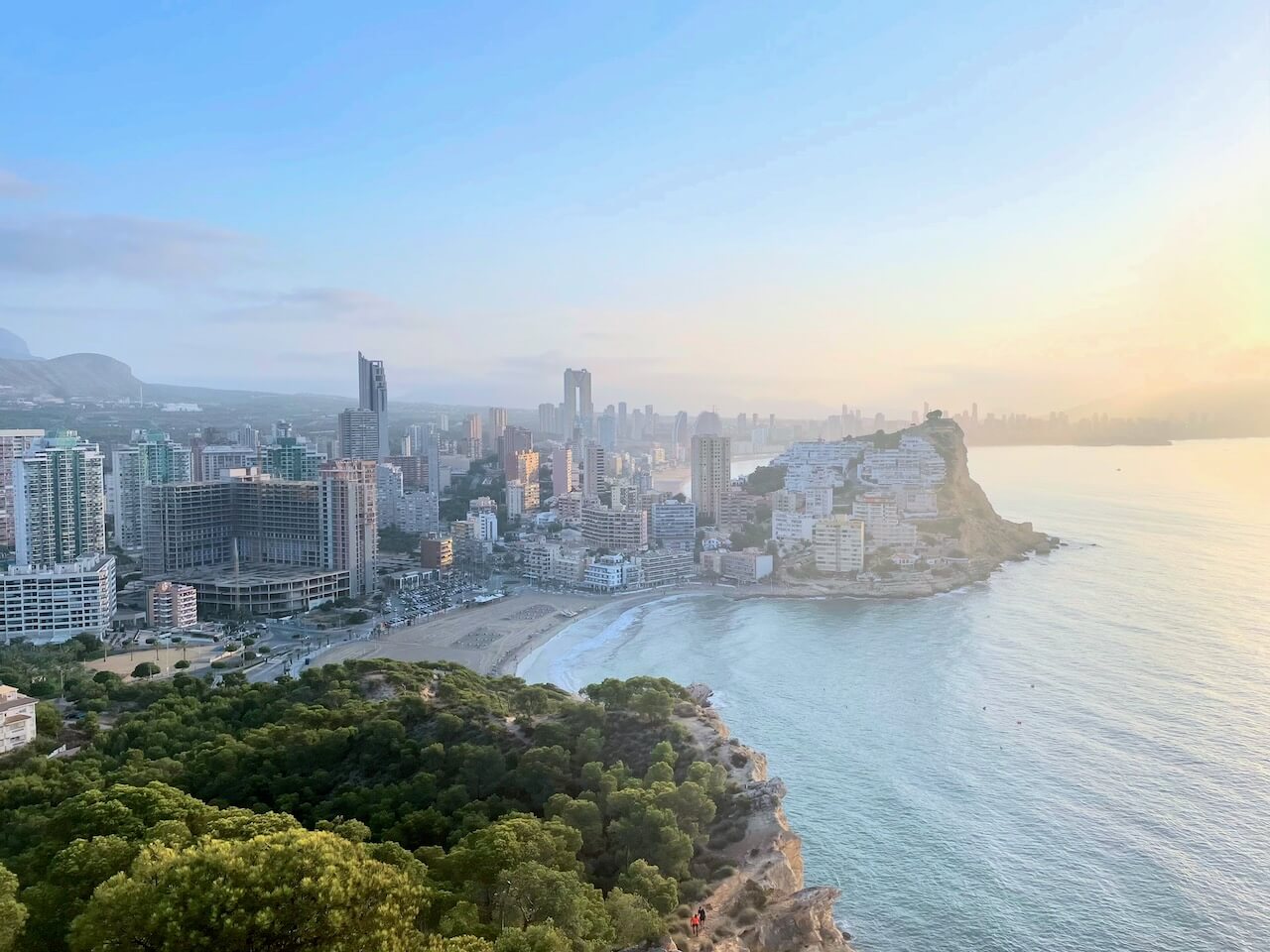
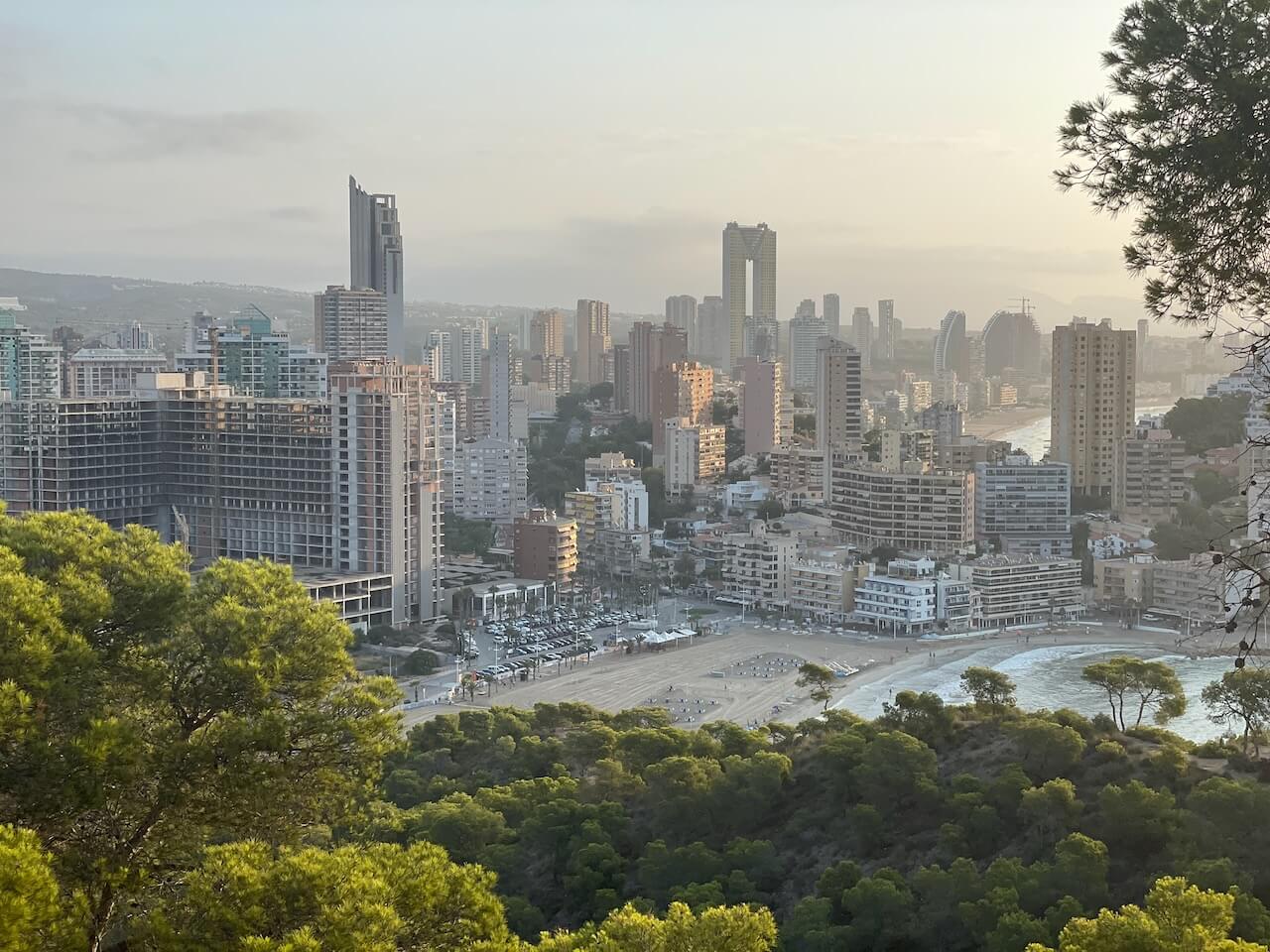
At the top, the tower stands calm and unimpressed, as if it’s seen thousands of people arrive with the same hopeful expression. Turn around, though, and the real show begins. The coastline opens up, the sea stretches endlessly, and the city below suddenly looks quiet, tidy, and strangely well-behaved. Buildings lose their seriousness, beaches seem emptier, and everything is dipped in soft, golden light that makes you forget how hard the climb felt five minutes ago.

What stays with you isn’t just the view, but the feeling of earning it. No rush, no crowds, just space and silence and the quiet satisfaction of sitting still after moving uphill for longer than planned. Torre d’Aguiló doesn’t try to impress loudly. It simply lets you catch your breath, clear your head, and enjoy being exactly where you are.

Tenerife, Where the Sun Knows It’s Being Watched

Tenerife taught me an important life lesson: never make evening plans, because the sun has its own show scheduled and it will not accept competition. Every single sunset felt like a personal performance – the sky slowly warming up in soft oranges and pinks, the ocean pretending not to care while absolutely stealing the spotlight, and me standing there like an idiot with a phone, whispering “just one more photo”. The volcanic coast turned into a dramatic stage, waves clapped politely against the rocks, and time slowed down in that dangerous way that makes you forget emails, deadlines, and what day of the week it is. Tenerife doesn’t do shy sunsets. It does bold, cinematic, end-of-the-world sunsets that make you believe this island was specifically designed for golden hours and quiet existential thoughts.

Red Roofs and Coffee Dreams: Getting Lost in Prague

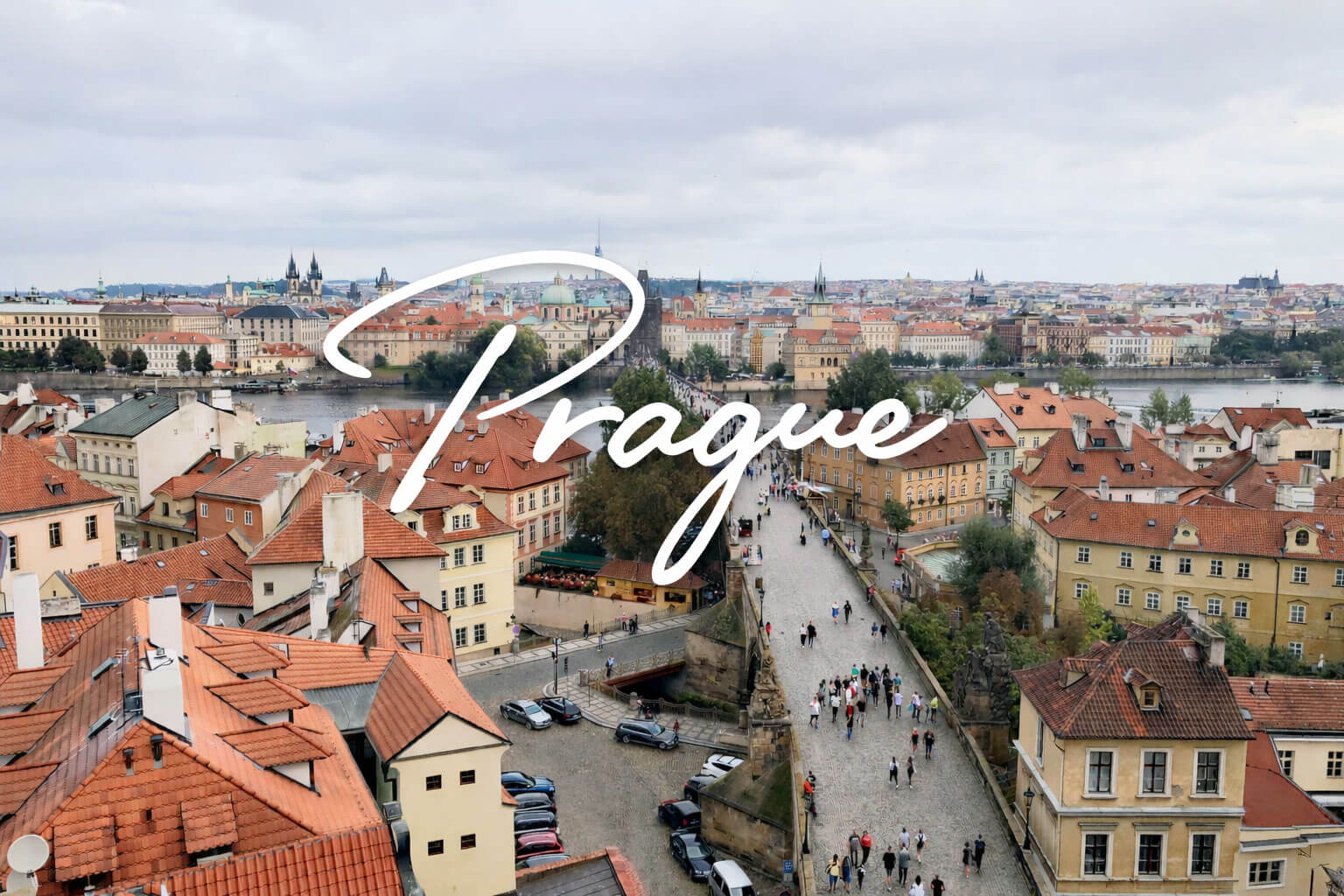
I set out that morning with modest ambitions — just a quick stroll, maybe a coffee, definitely no existential revelations. But Prague had other plans. The moment I stepped onto Charles Bridge, the city hit me with its full medieval charm offensive — towers, statues, spires, and that smug little Vltava River reflecting it all like a show-off.

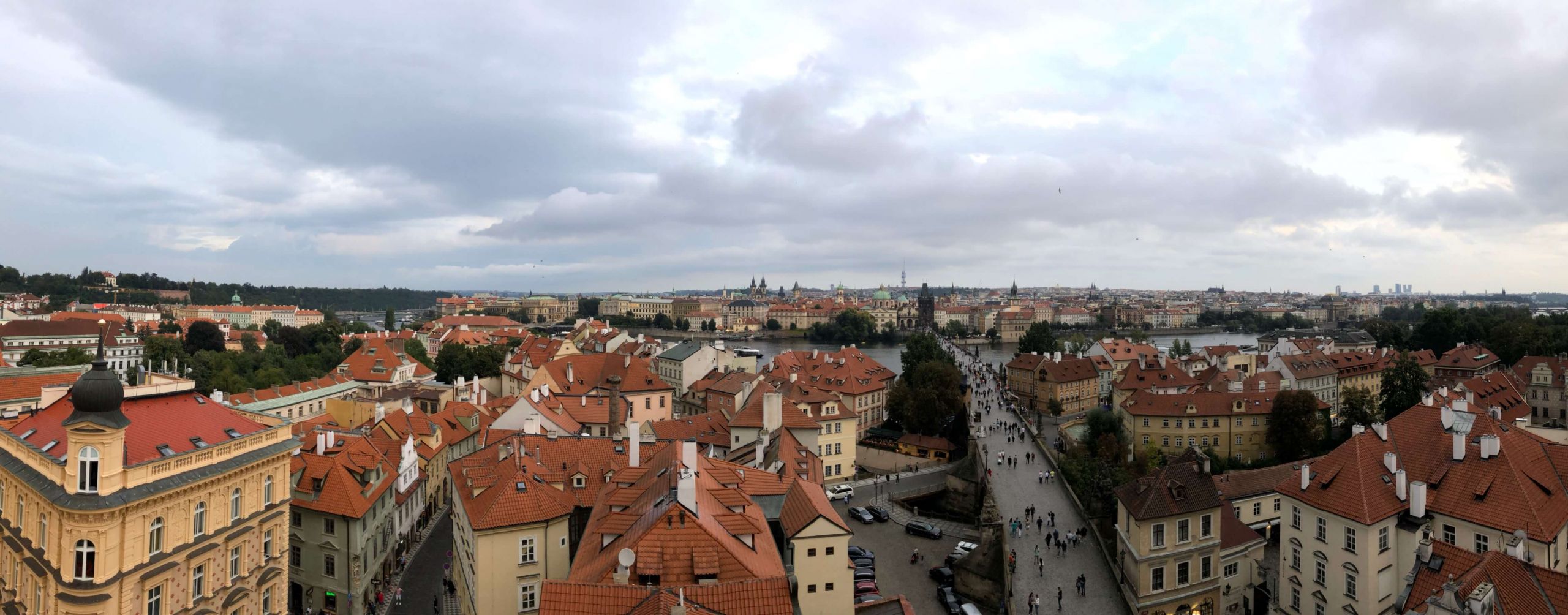
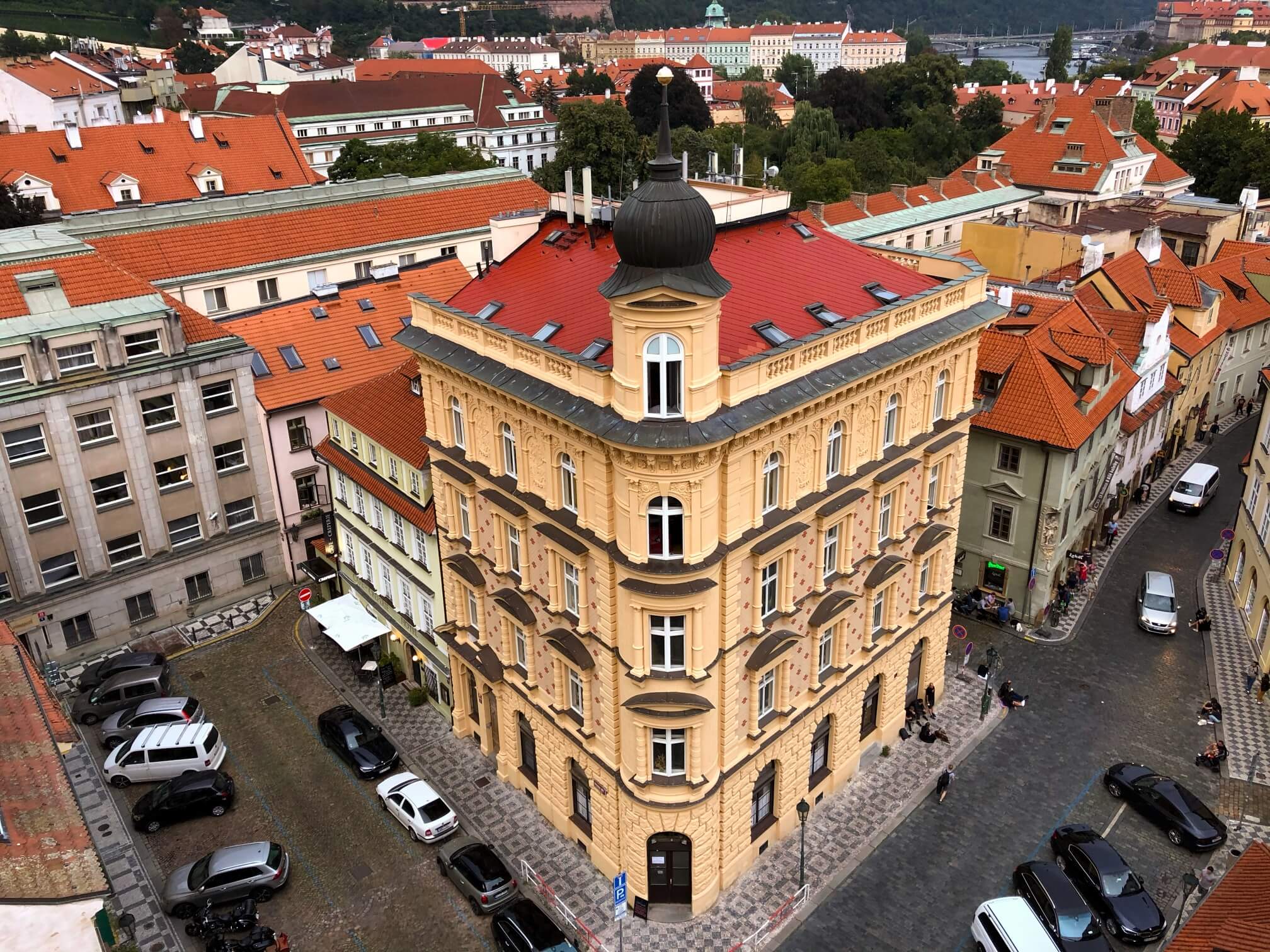
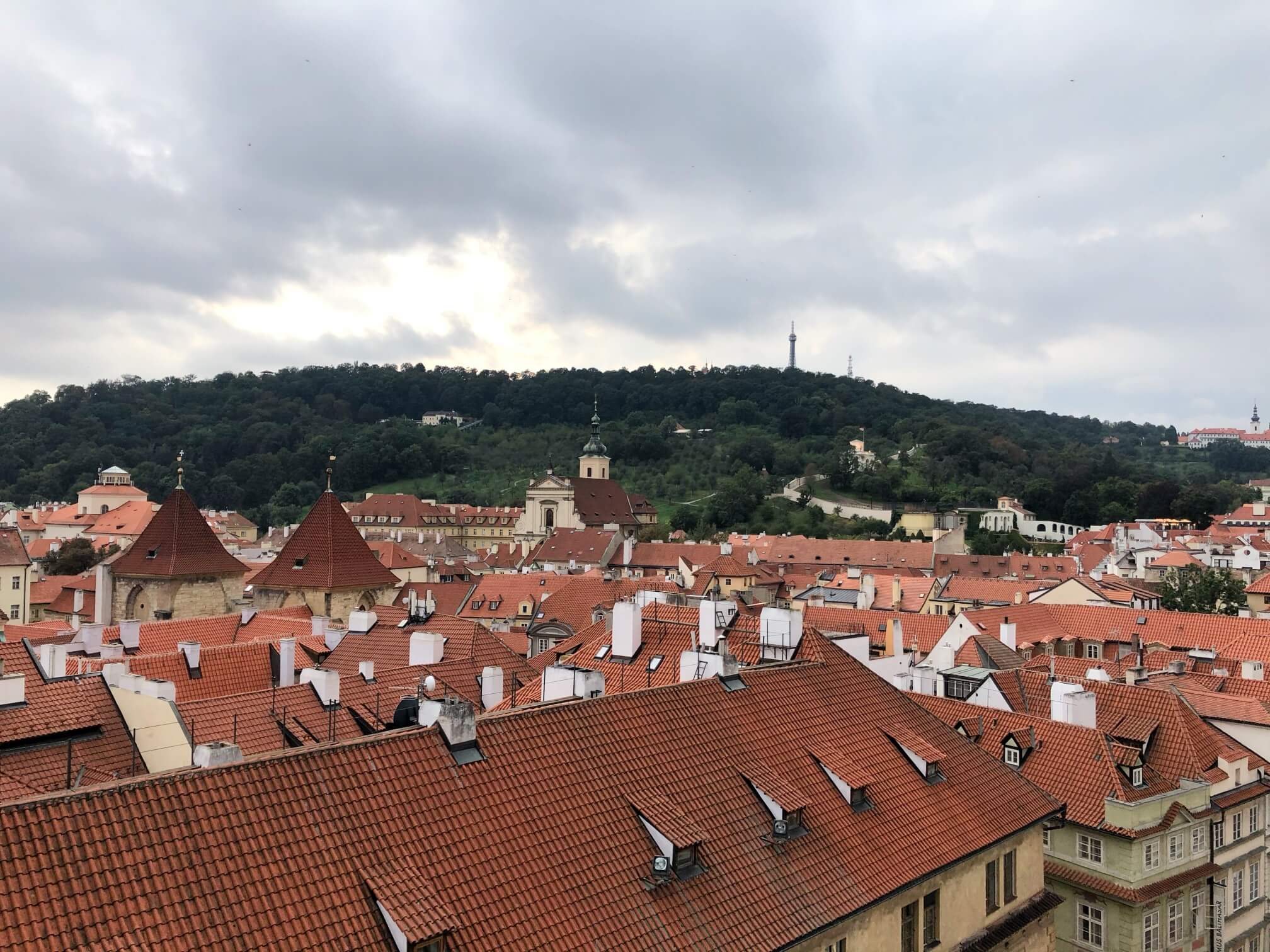
From above, the red rooftops rolled out like a sea of paprika, stitched together by narrow cobbled veins full of tourists pretending not to be lost. I climbed a tower (because apparently I hate my legs) and stared at a skyline so beautiful it felt photoshopped by history itself. Petřín Hill brooded in the distance, the TV tower poked the clouds, and I stood there thinking, “Yeah, okay, Prague, you win.”

By the time I came down, the streets glowed in that golden hour haze, and I found myself in a café, drinking something that tasted suspiciously like happiness. Prague doesn’t just show you sights — it traps you in a daydream made of rooftops, riverlight, and the quiet conviction that you’ll definitely be back.

Benidorm: Sun, Sand, and Two Meters of Personal Space

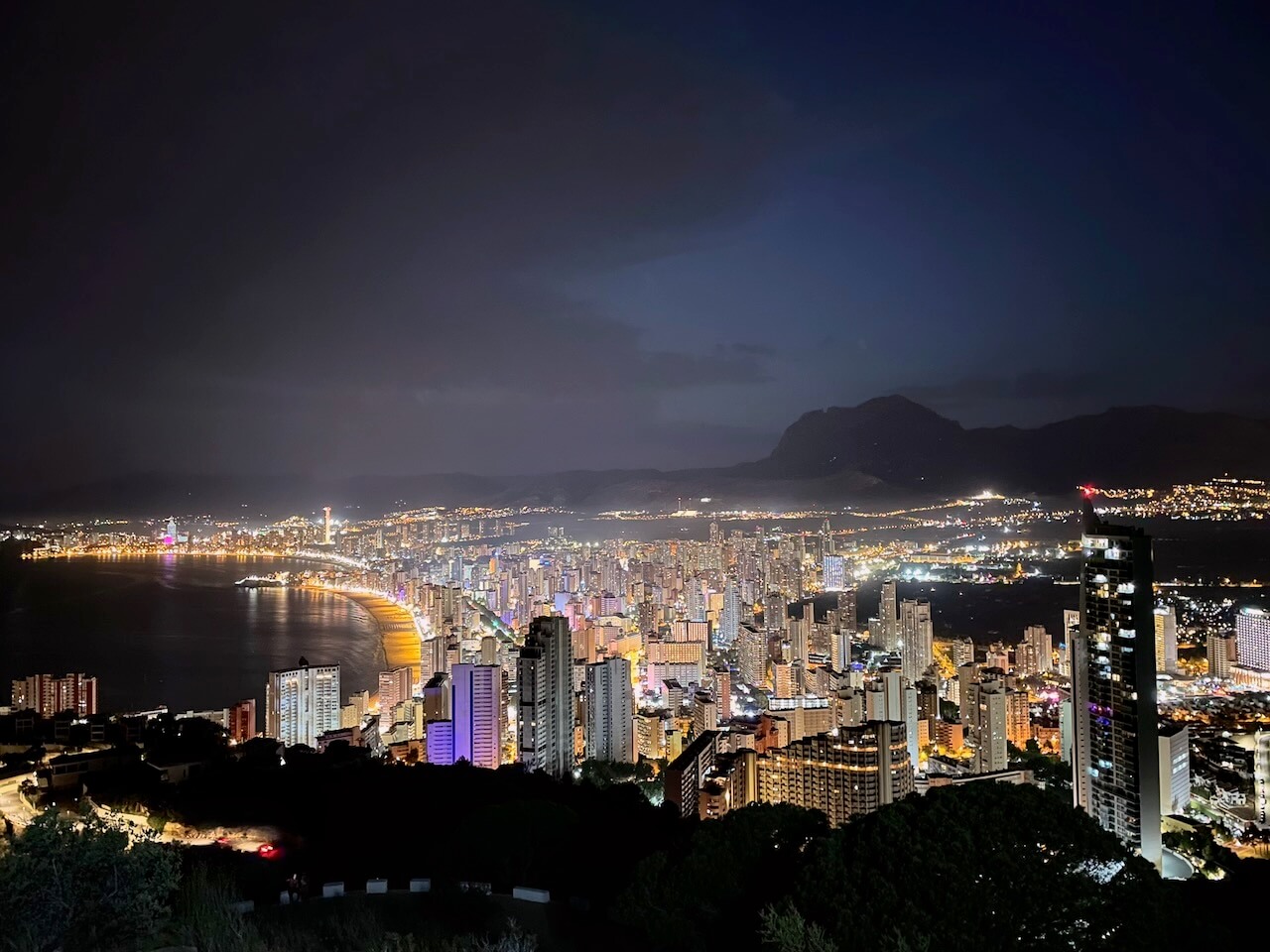
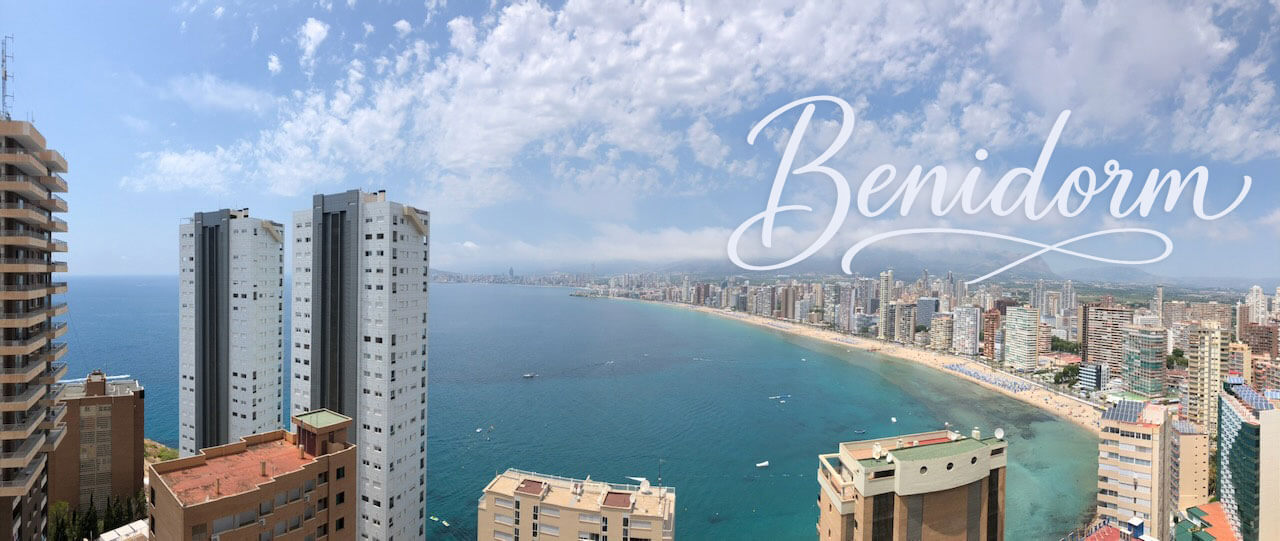
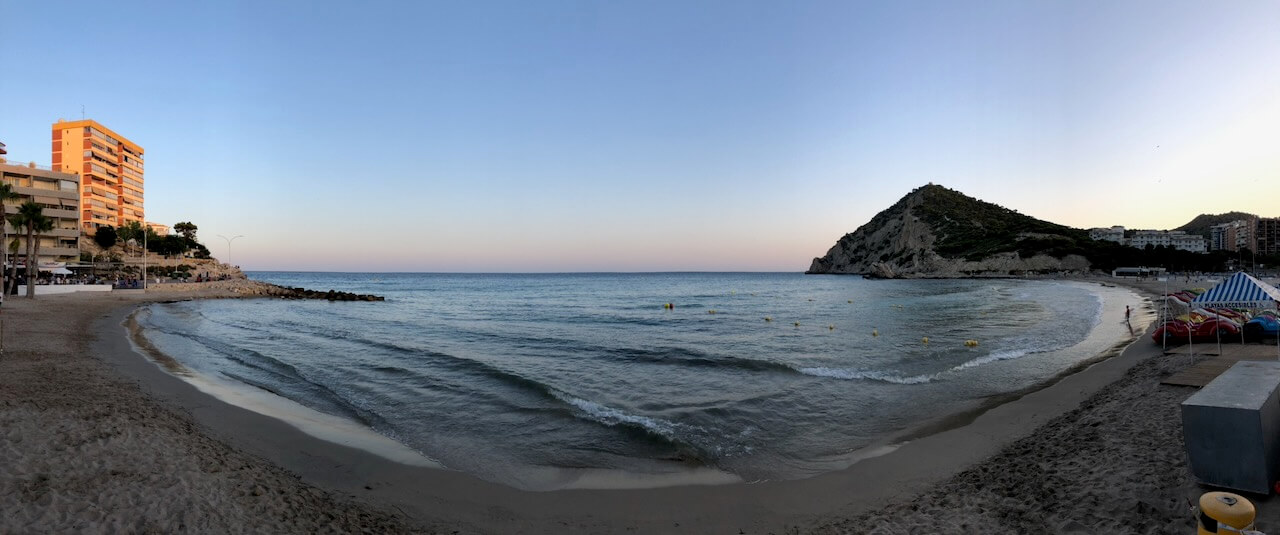
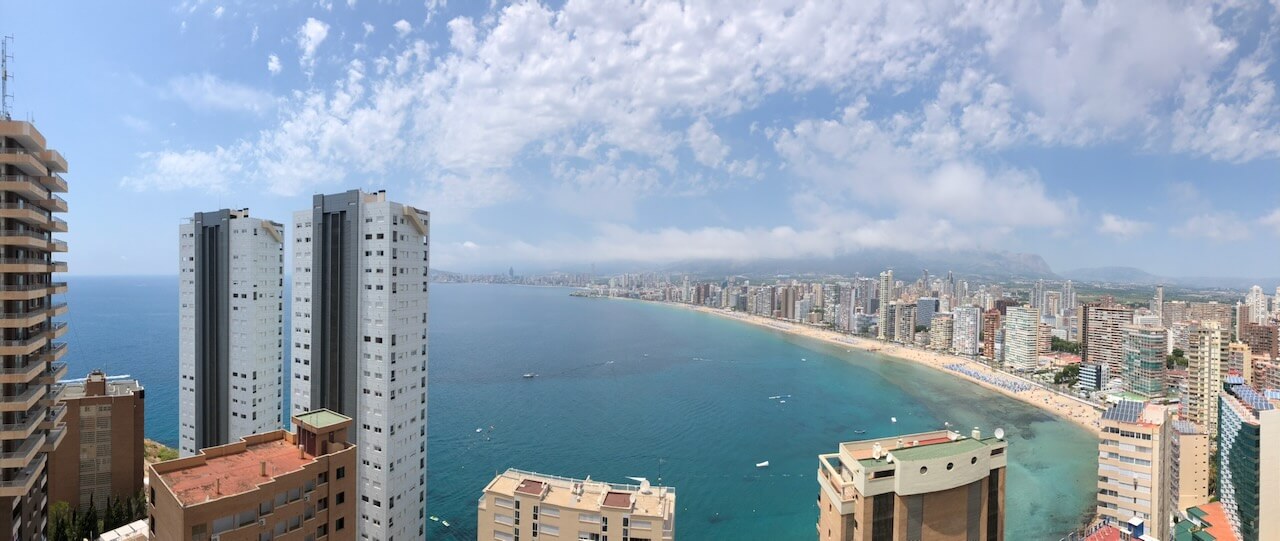
Benidorm in June felt like a beach resort that had accidentally overslept through its own party. The skyscrapers were still standing tall and confident, like they hadn’t gotten the memo about the apocalypse, but down on the beach everything was quieter, slower, and strangely polite. The sea was doing its usual impressive blue thing, completely unbothered by global events, while humans tiptoed around it like guests who weren’t sure if they were allowed to stay. Sunbeds were spaced out as if they’d had an argument, beach bars whispered instead of shouted, and every cough anywhere within a kilometer triggered a full-body paranoia scan. Walking along the shore felt oddly cinematic — palm trees, warm sand, a perfect horizon, and just enough people to remind you this wasn’t a dream, just a very weird chapter of reality. It was a vacation with sunscreen, masks, and the constant feeling that you were doing something slightly illegal, even though you absolutely weren’t. And somehow, that made the sunsets better, the swims calmer, and the memories stick a little harder.
Frozen Turns and Slow Steps Around Lipno

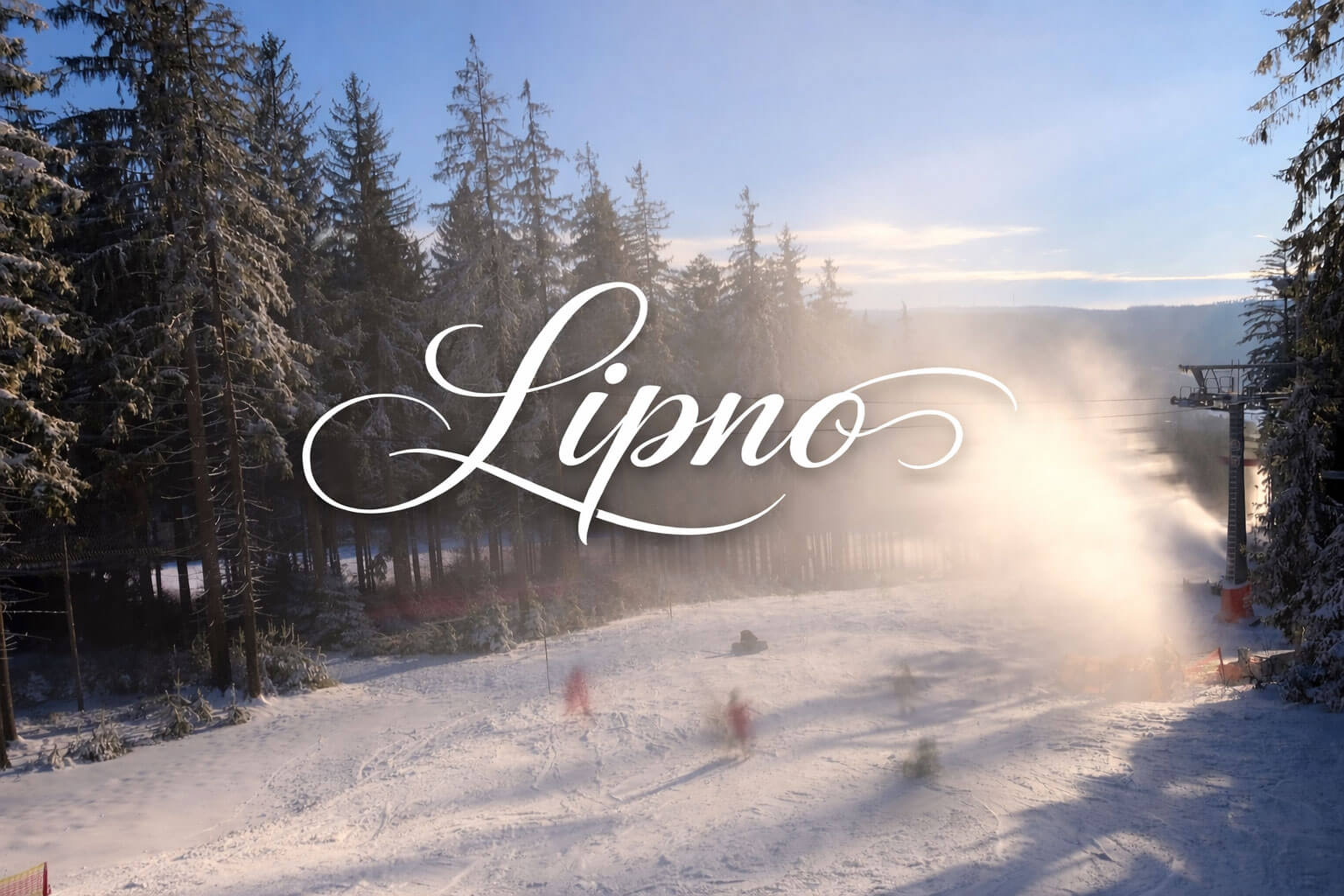
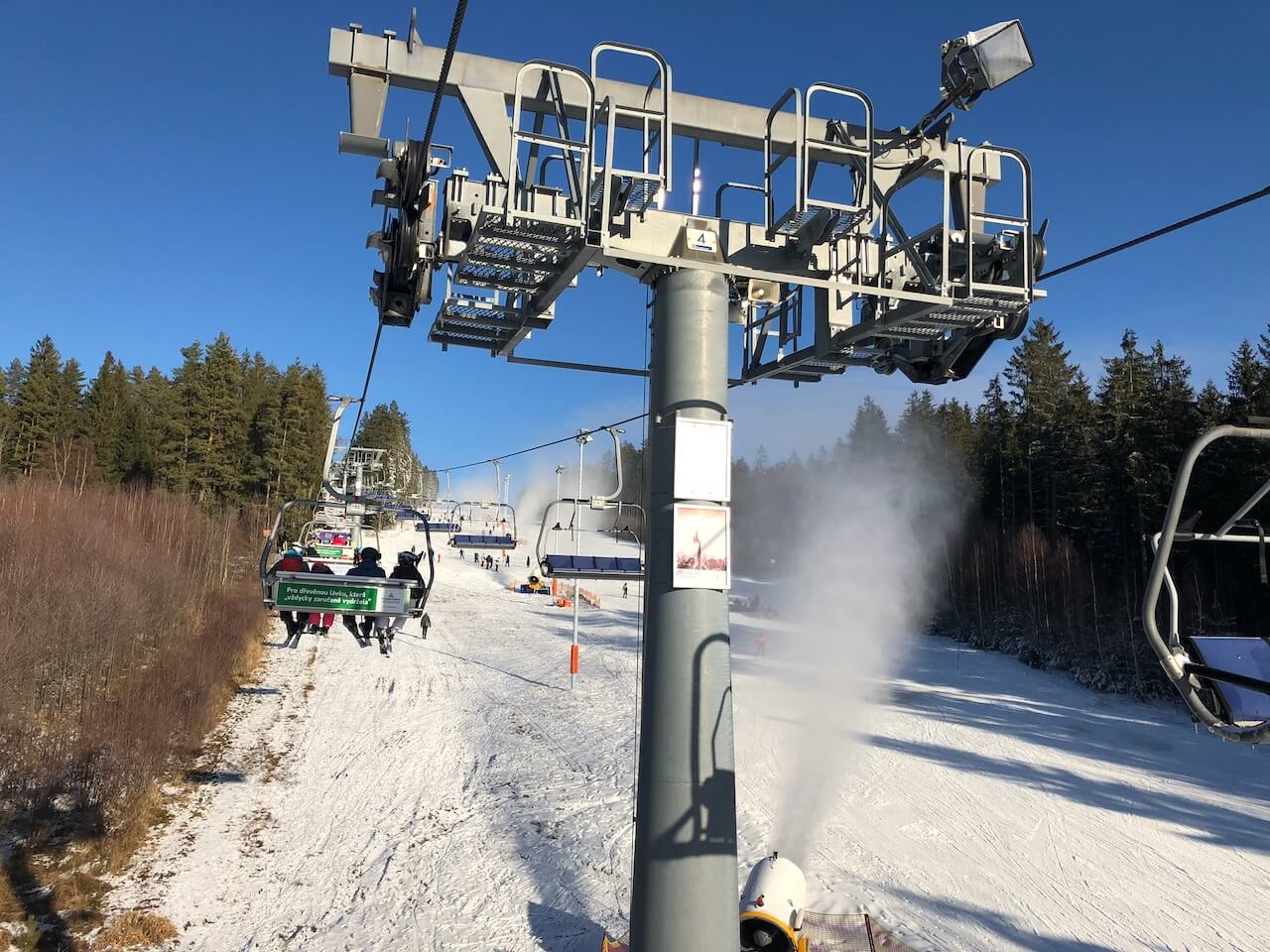
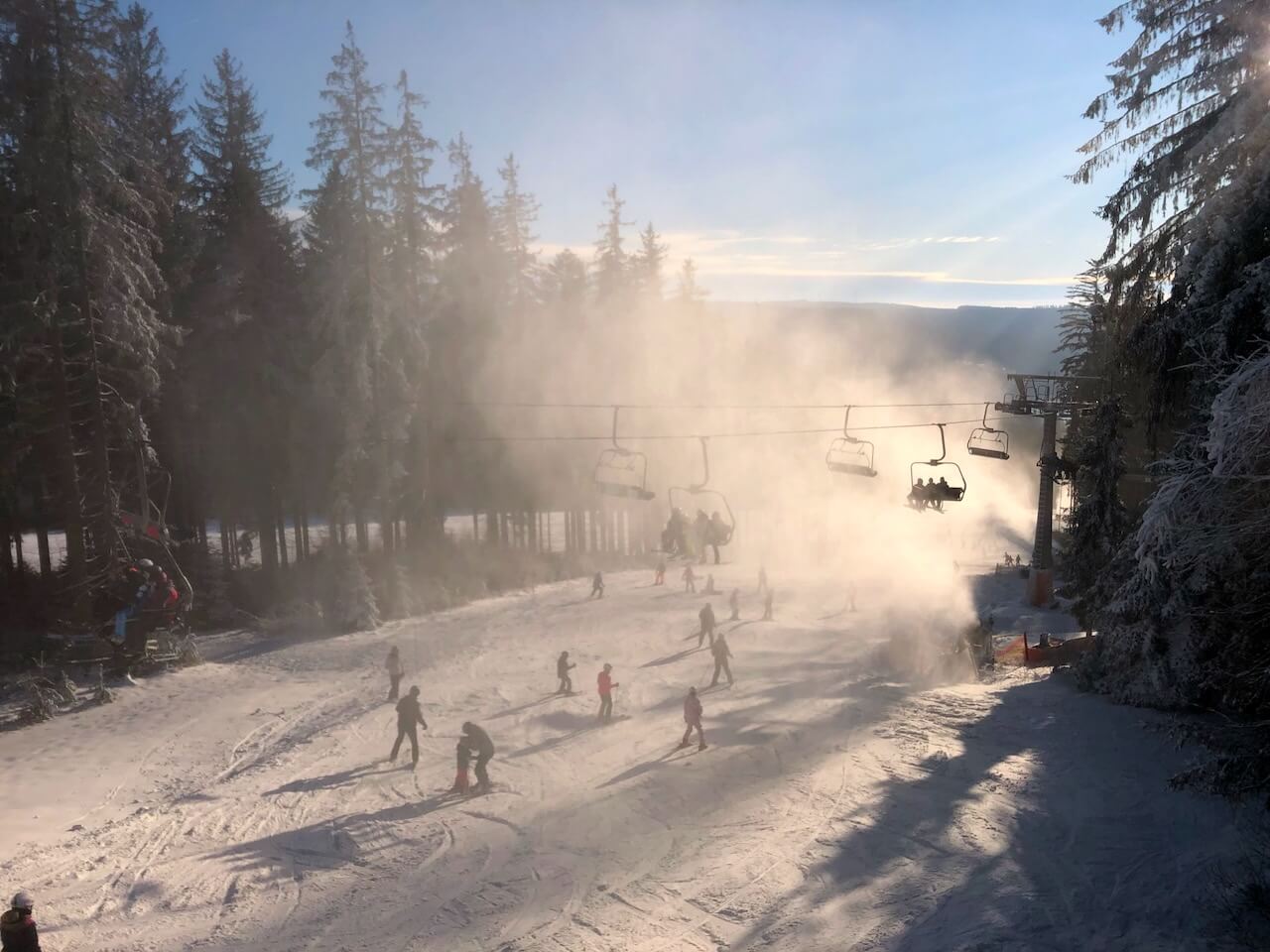
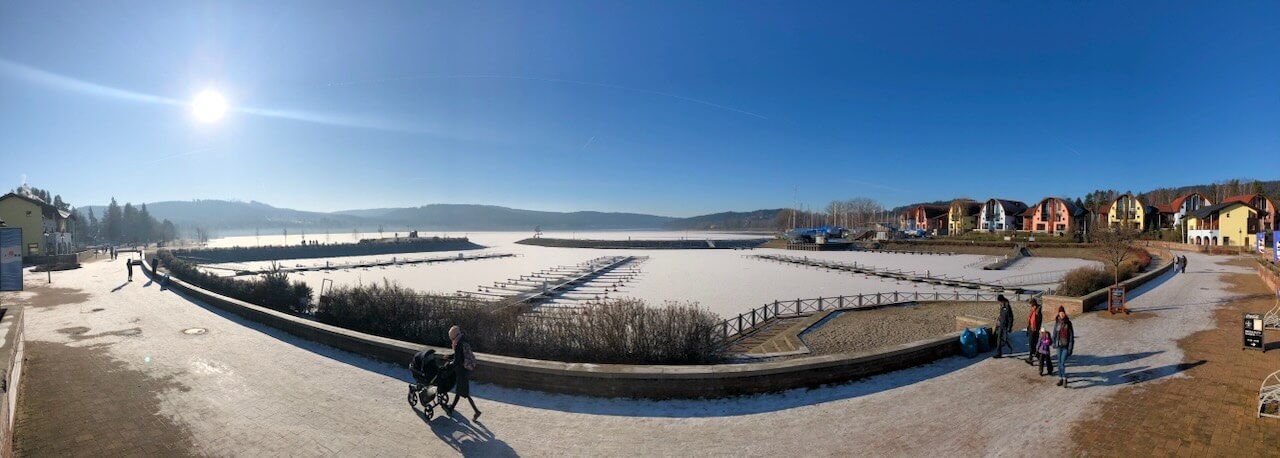
Lipno welcomed us on January first the way only a proper winter resort can: with blue skies, suspiciously perfect snow, and that quiet confidence of a place that knows you’ll eventually fall over anyway. The chairlift hummed above us like a patient therapist, carrying people uphill while they silently questioned their life choices. Snow cannons blasted clouds of icy mist across the slope, working overtime like overcaffeinated dragons determined to keep winter alive, no matter what the calendar said. From the lift, everything looked peaceful and cinematic. Up close, it smelled faintly of wet gloves and determination.

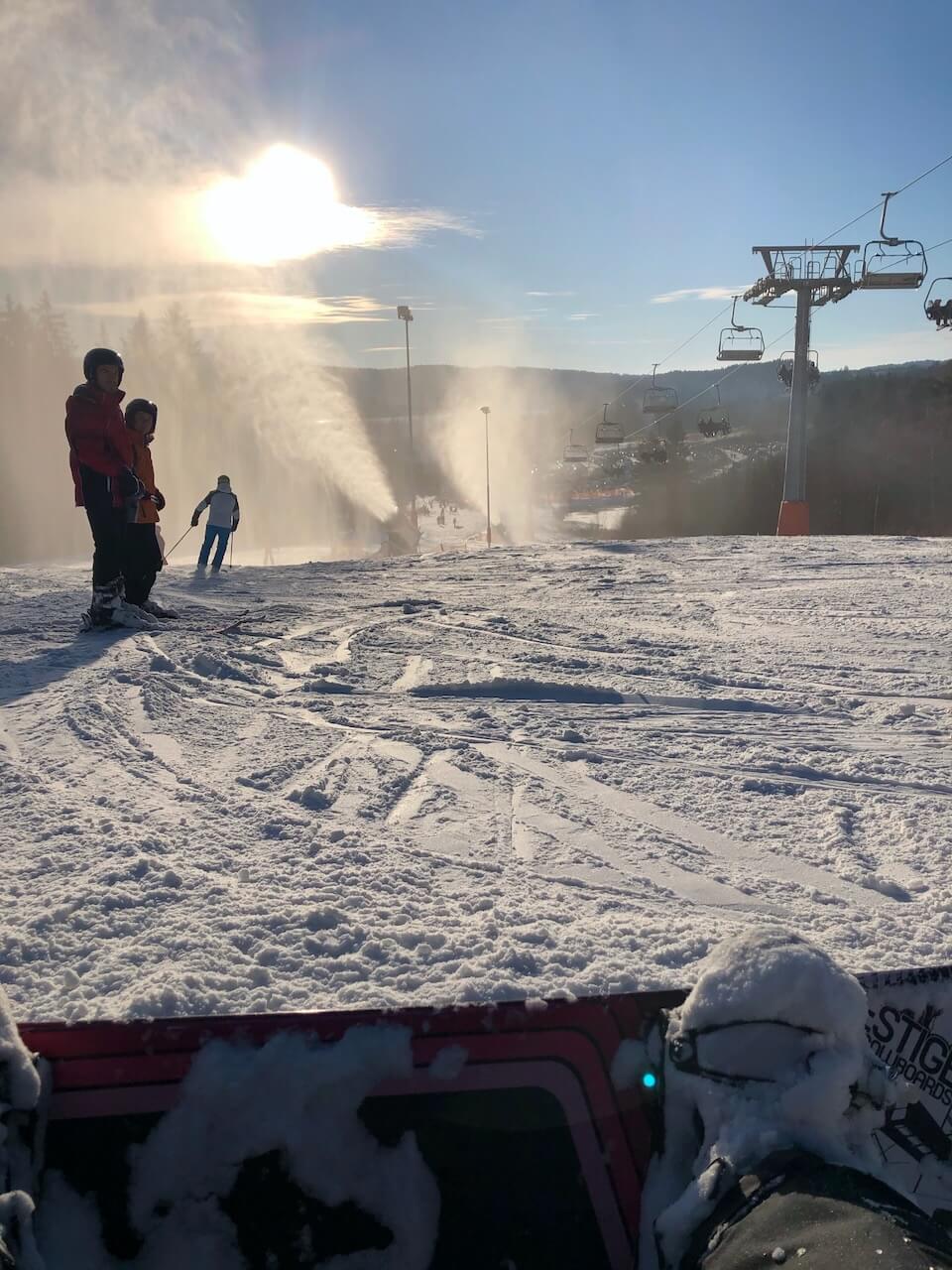
Snowboarding started with the usual optimism. Everyone looks cool standing still, especially when the sun is low and the mountains pretend they’re Alps. The moment you start moving, though, gravity becomes very personal. Kids zipped past with the reckless confidence of people who heal fast, while adults negotiated every turn like it was a business contract. Somewhere between avoiding a snow cannon’s icy breath and untangling myself after a graceful fall that definitely impressed no one, I remembered why I love places like this. It’s cold, it’s exhausting, and somehow it makes you laugh more than most summer holidays ever could.

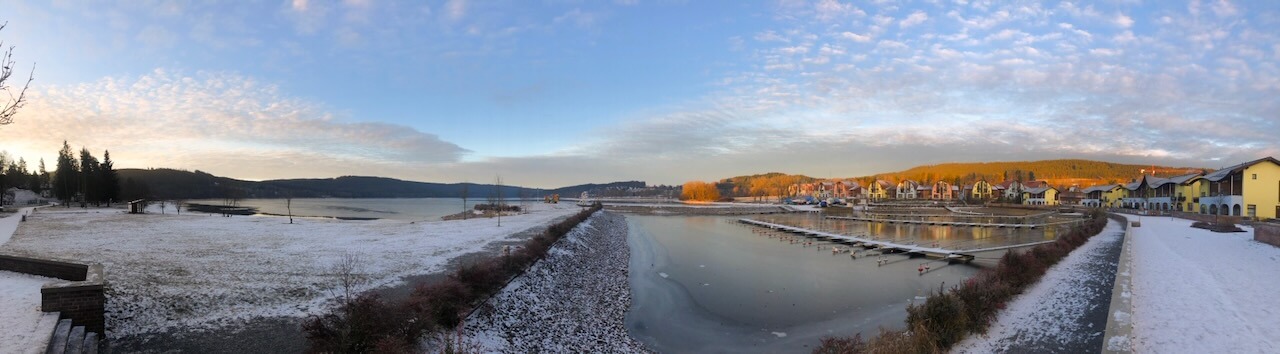
Later, we traded boards for boots and went wandering around Lipno Lake, which was half frozen and completely unapologetic about it. The ice stretched out like a giant white table, cracked and textured, reflecting the sky in soft pastel colors. People strolled along the shore, pushing strollers, holding hands, or staring thoughtfully at the horizon as if January first was a perfectly reasonable time for deep life reflections. Houses along the water looked warm and colorful, quietly judging us for not already sitting inside with tea and cake.

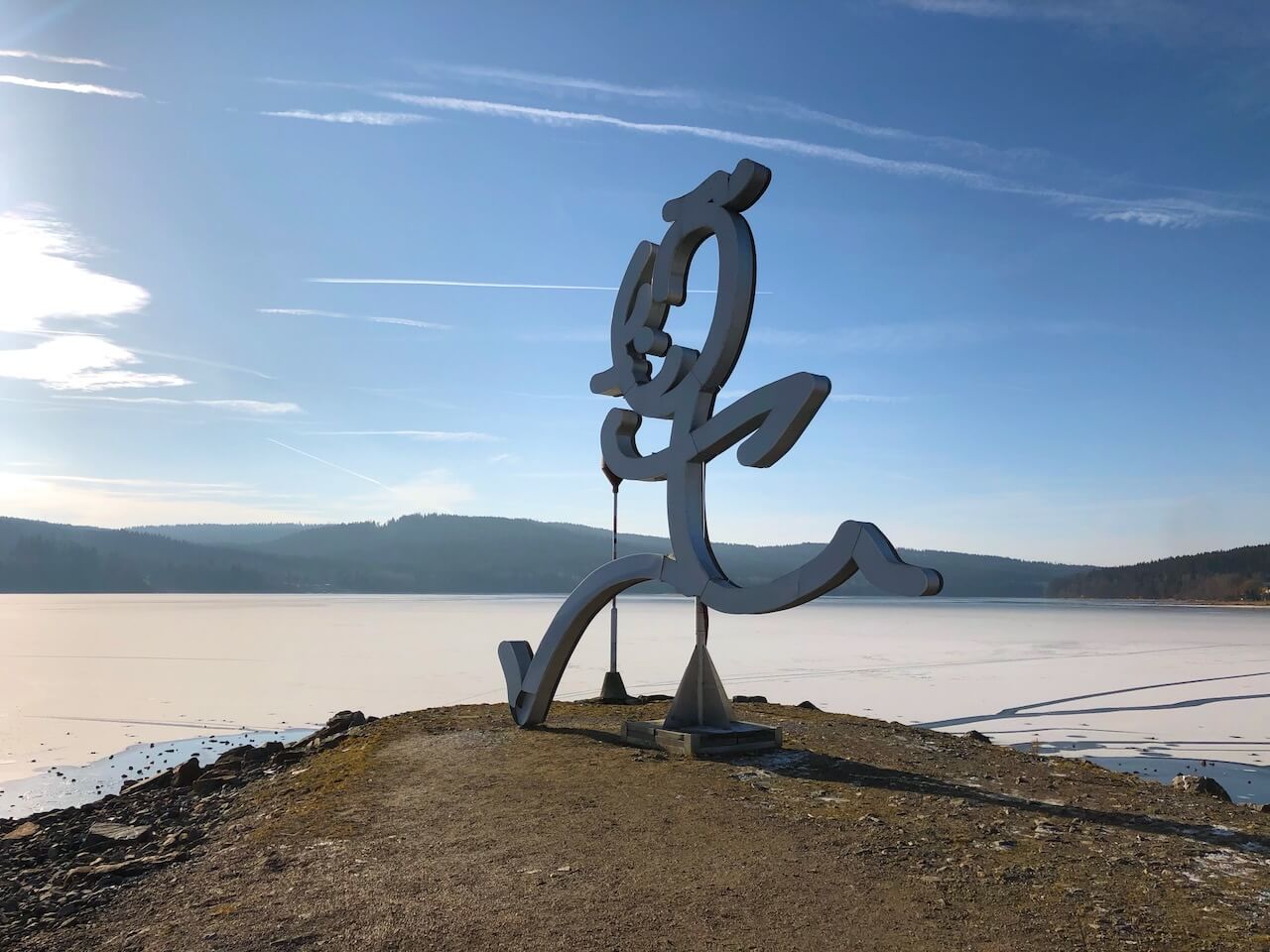
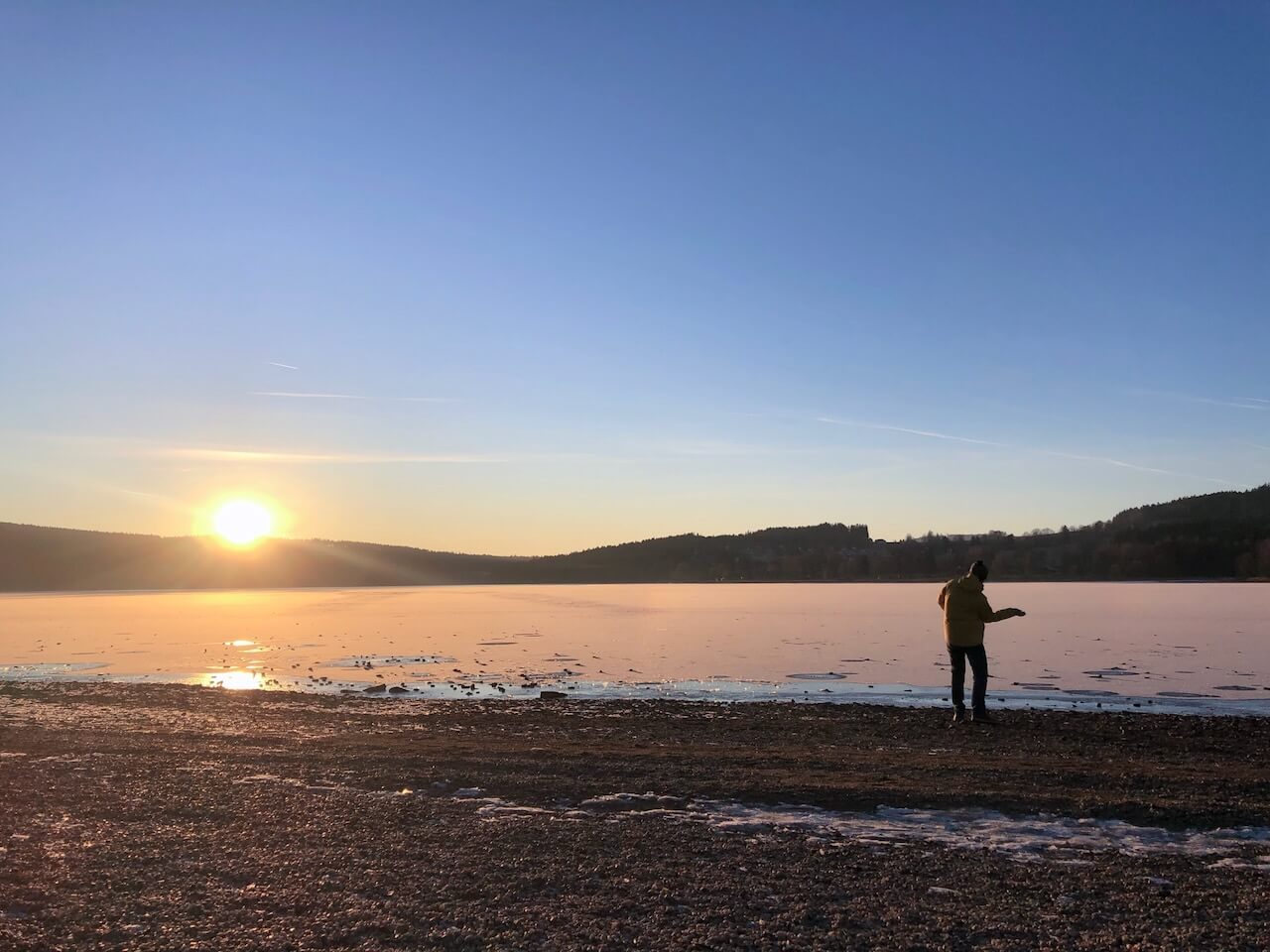
As the sun dipped lower, the world slowed down in that special winter way, where even conversations become softer. One person tested stones on the ice like a scientist with a deadline, while a metal statue nearby sprinted eternally toward something invisible, clearly more motivated than the rest of us. Fingers went numb, cheeks turned red, and everyone agreed it was probably time to head back, even though no one really wanted to say it out loud. Lipno had done its job: it gave us snow, laughter, tired legs, and that calm, slightly frozen happiness that only comes from spending a day outside together, doing absolutely nothing productive and enjoying every second of it.

Cambridge: Five Minutes of Science, Wind, and a Very Tired Bicycle

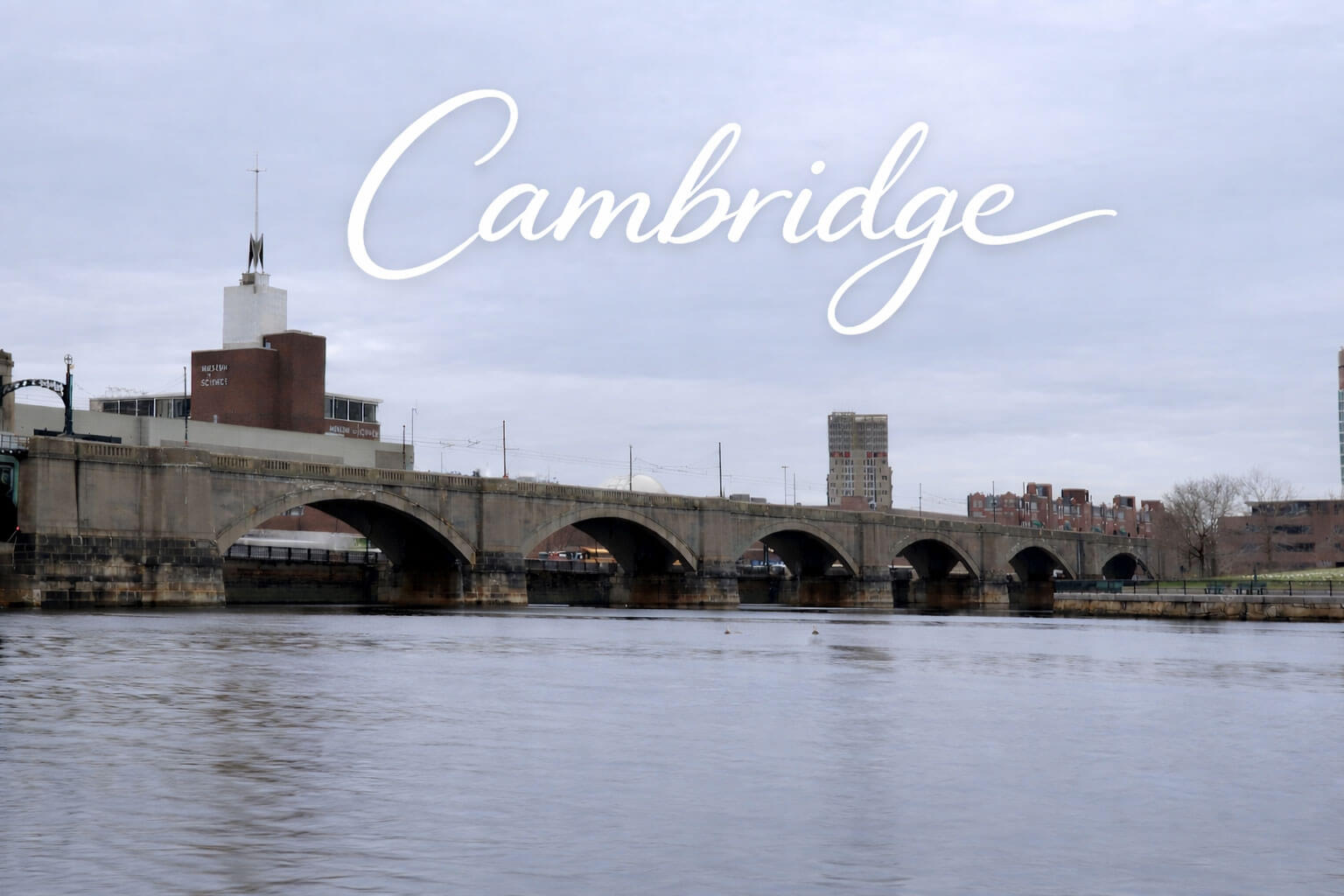
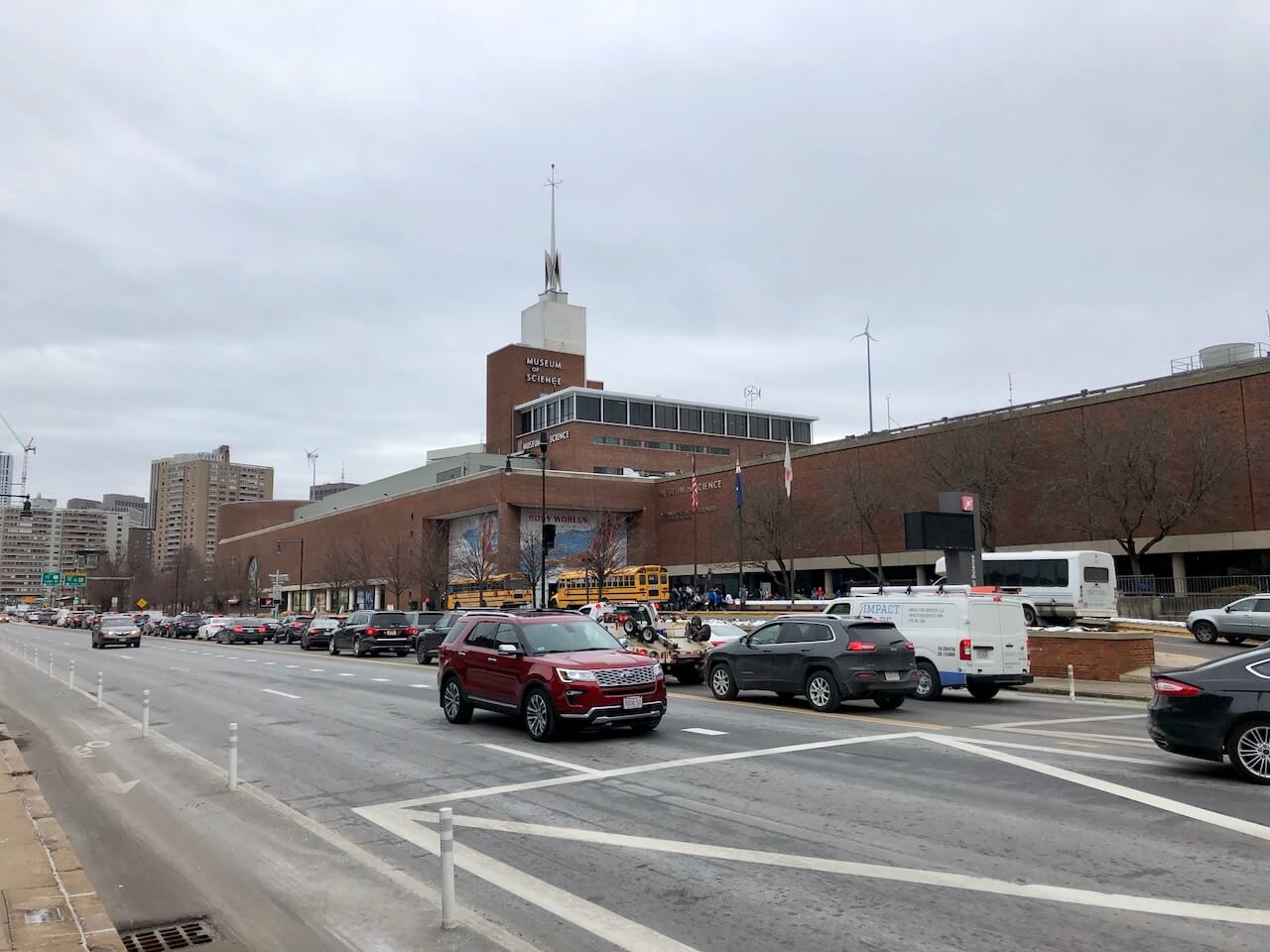
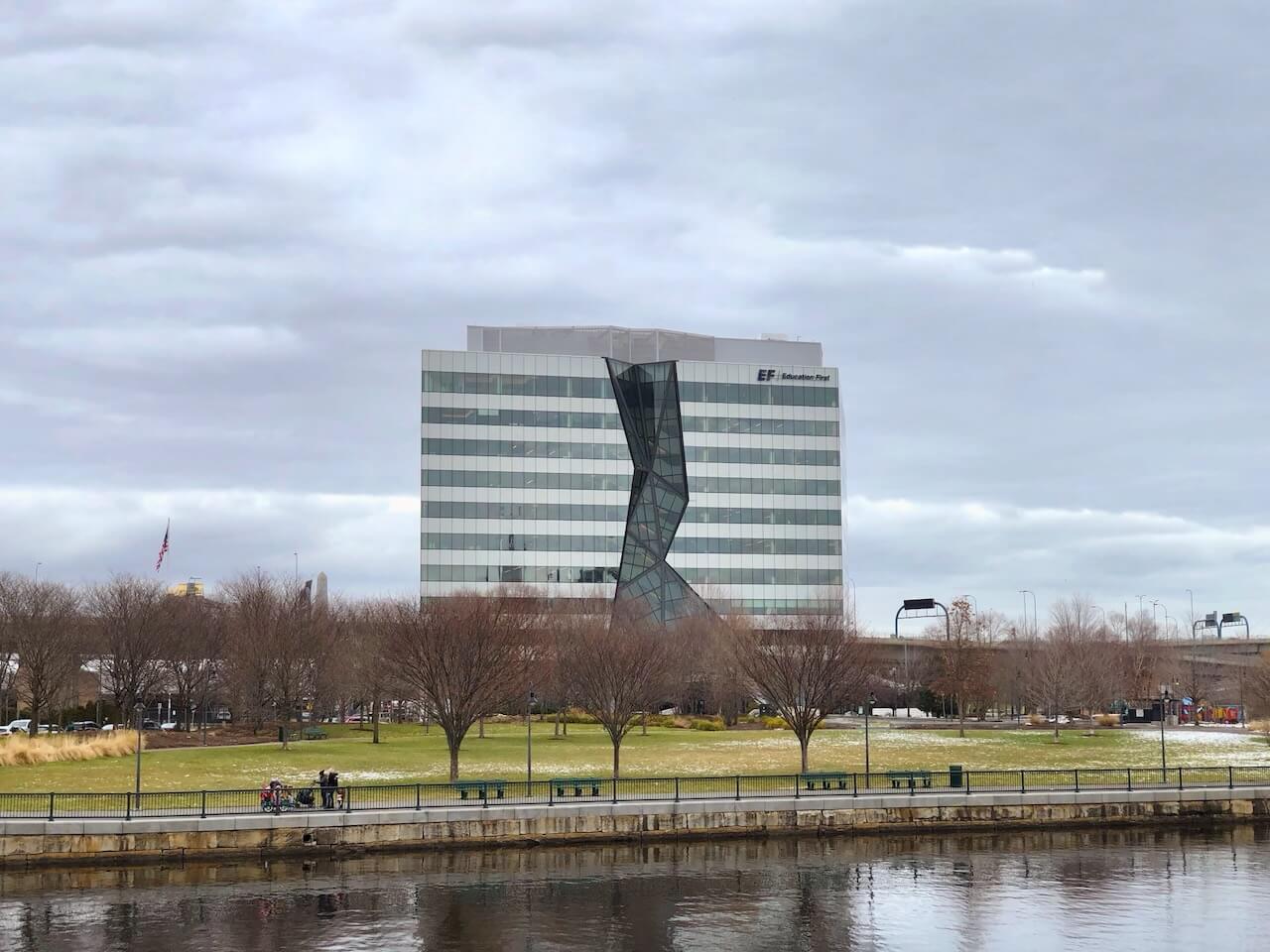
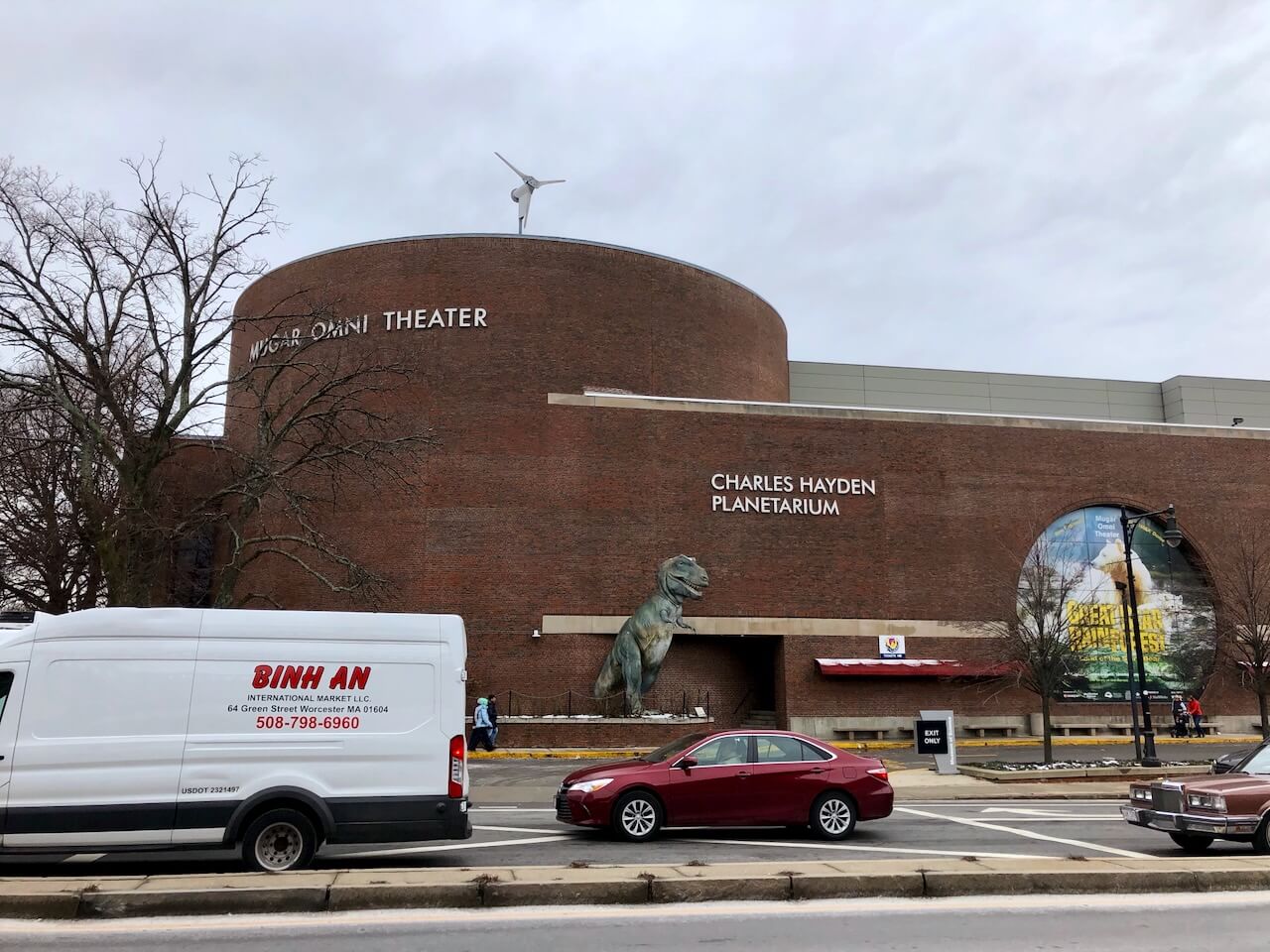
Boston greeted me with that special December shade of grey that makes even museums look slightly philosophical. I took a short walk around the Museum of Science, which from the outside feels less like a museum and more like a brick spaceship that landed next to a very busy road. Cars rushed by, school buses lined up, and the Charles River flowed calmly, clearly unimpressed by human ambition and architecture. Somewhere near the planetarium, a lonely dinosaur statue stared into traffic while a white bicycle, wrapped around a pole like a tragic modern art installation, silently judged us all. It was a brief walk, cold and unplanned, but exactly the kind of urban moment that makes you smile and pull your hands deeper into your pockets.

Schwetzingen: Where Castles, Friends, and Time All Slow Down

Schwetzingen greeted us the way a good friend does — with a calm smile, slightly raised eyebrows, and zero urgency. We arrived to meet old friends, which already puts any place at an advantage, but this tiny German town seemed determined to prove it deserved the affection on its own. The streets felt politely quiet, as if even the cars were whispering. People nodded at each other with the relaxed confidence of a town where nothing terrible has happened since at least Tuesday. Somewhere between the first handshake and the second coffee, it became clear that Schwetzingen runs on a different fuel: time, generously unburned.

The castle announced itself without shouting. Schwetzingen Palace isn’t the kind of place that slaps you with grandeur; it simply stands there, peach-colored and symmetrical, knowing full well you’ll come to it eventually. Walking toward it across the courtyard felt like approaching a perfectly framed postcard that had decided to become three-dimensional. Everything was aligned, balanced, and suspiciously photogenic, which made me instantly distrustful — no place should be this composed without hiding something. But no, it really is just that elegant, calmly clock-towered, and unapologetically neat.

Then there were the gardens, which clearly had a lot of free time and excellent funding. Endless paths stretched out like polite invitations to get lost, hedges stood trimmed with military discipline, and fountains whispered instead of splashing. We wandered without direction, which is the correct way to experience a place like this. One moment we were strolling down a grand avenue that felt designed for philosophical debates, the next we were staring at a stone ruin that looked ancient enough to dispense life advice. And just when the scenery started to feel classically European, the mosque appeared — pink, exotic, and utterly unapologetic about not matching anything else. Schwetzingen, it turns out, likes to keep you gently confused.

Somewhere between the gardens and yet another bench perfectly placed for contemplation, the day slowed to a crawl. Families passed by with children who weren’t glued to screens, couples sat quietly without performing romance for the public, and elderly locals walked with the confidence of people who know exactly where they’re going and see no reason to hurry. It was the kind of atmosphere that makes you question your own lifestyle choices. Why rush emails when you could be debating which garden path feels more poetic?

By the time evening crept in, Schwetzingen felt less like a destination and more like a shared memory. Friends, laughter, long walks, and that subtle sense that nothing needed to be improved — just appreciated. It’s a town that doesn’t try to impress you, which somehow makes it unforgettable. Schwetzingen doesn’t demand attention; it earns it quietly, one calm moment at a time. And honestly, I could get used to that.

Earlier Ctrl + ↓