Follow this blog

A journey without a finish line

Selected

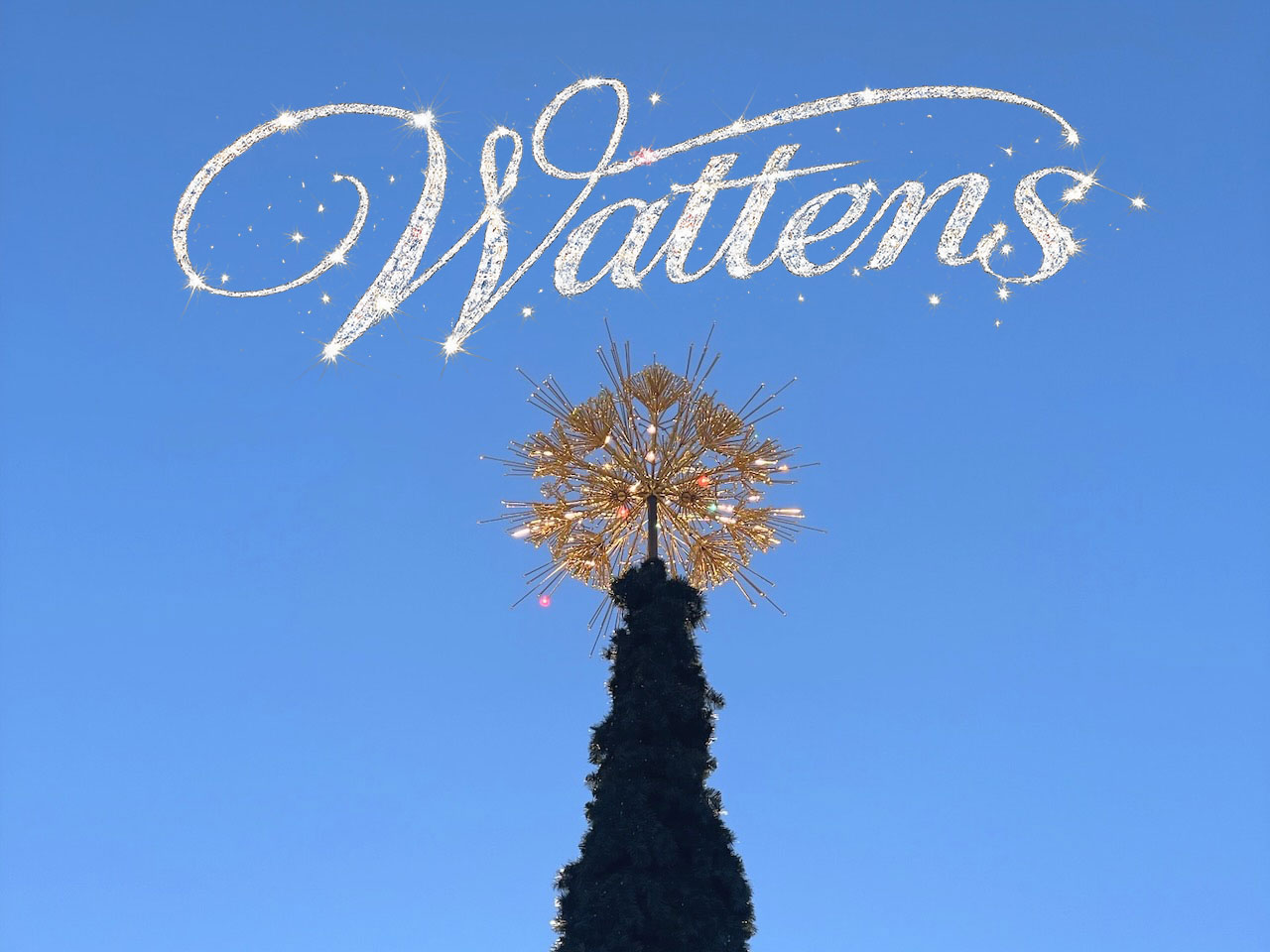
Diamonds, Daydreams, and a Giant with Good Taste: A Sparkling Stop in Wattens

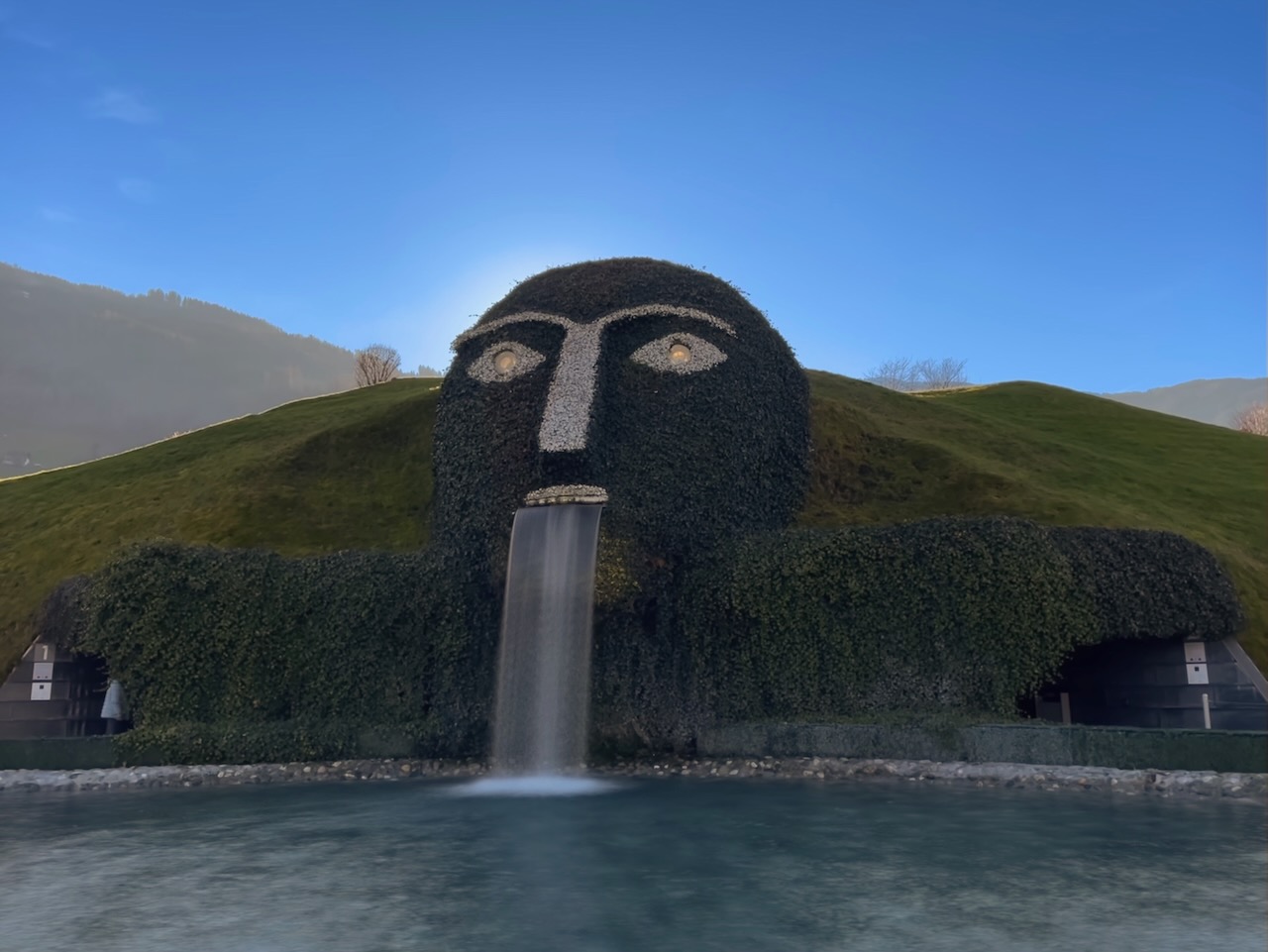
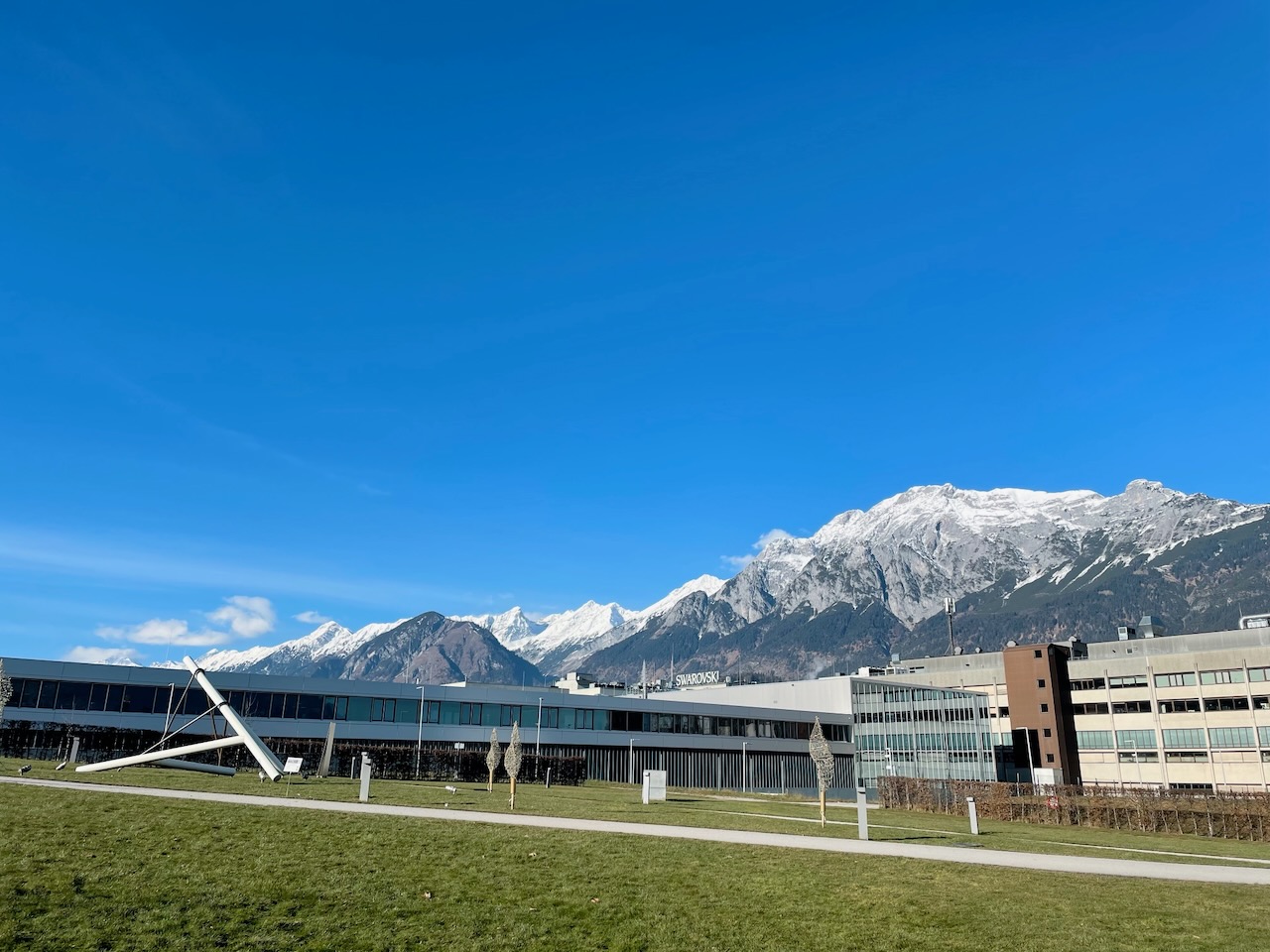
There are places that whisper culture. There are places that shout history. And then there’s Swarovski Crystal Worlds in Wattens — which greets you with a giant grass-covered head shooting a waterfall out of its mouth like it just swallowed the Alps and needs to cool down. You don’t simply “arrive” here. You stare. You blink. You check if the coffee earlier was stronger than advertised. And then you grin, because this is already the most glamorous lawn ornament you’ve ever seen. Inside, it’s less museum and more crystal-powered fever dream. Rooms sparkle like a disco ball had an existential crisis and decided to pursue fine art. One minute you’re walking through a chandelier jungle, the next you’re face-to-face with a horse made of light and ambition. Everything glitters. Even your thoughts start to shimmer.

The deeper you wander, the more it feels like stepping inside a jewelry box designed by someone who definitely believes in magic. There are mirrors that multiply you into a small army of slightly overdressed explorers, installations that twinkle in ways that make you question gravity, and quiet corners where the crystals glow softly, as if they’re in on a very shiny secret. Outside, the gardens stretch calmly around the Giant, all peaceful and Alpine, as if to say, “Yes, we too are fabulous, but in a more understated way.” Leaving feels like exiting a dream where everything was polished to perfection — including your mood. You walk back into the real world half-expecting ordinary streetlights to sparkle a little harder. They don’t, of course. But for a while, you do.

Kreuzjoch Above the Clouds

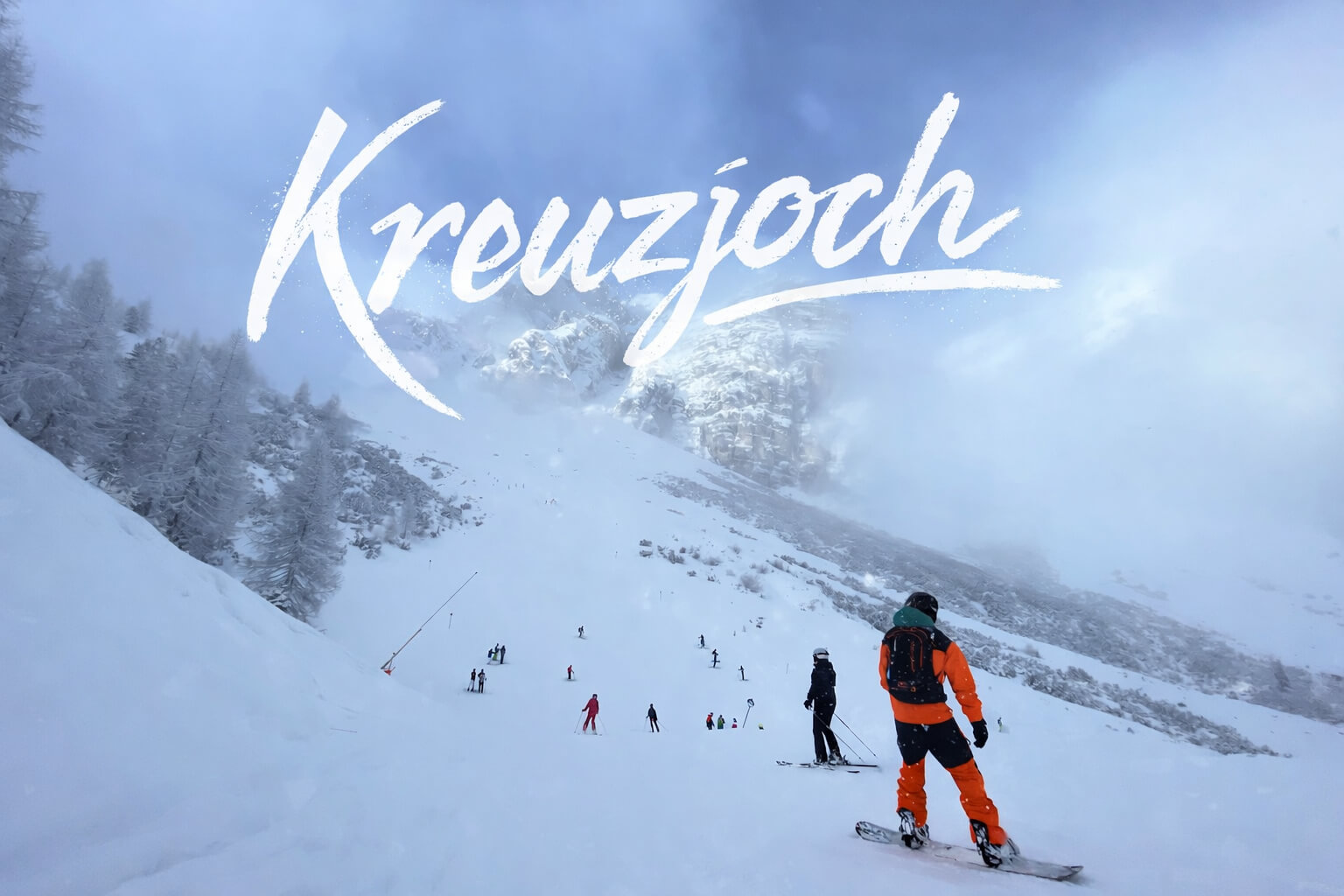
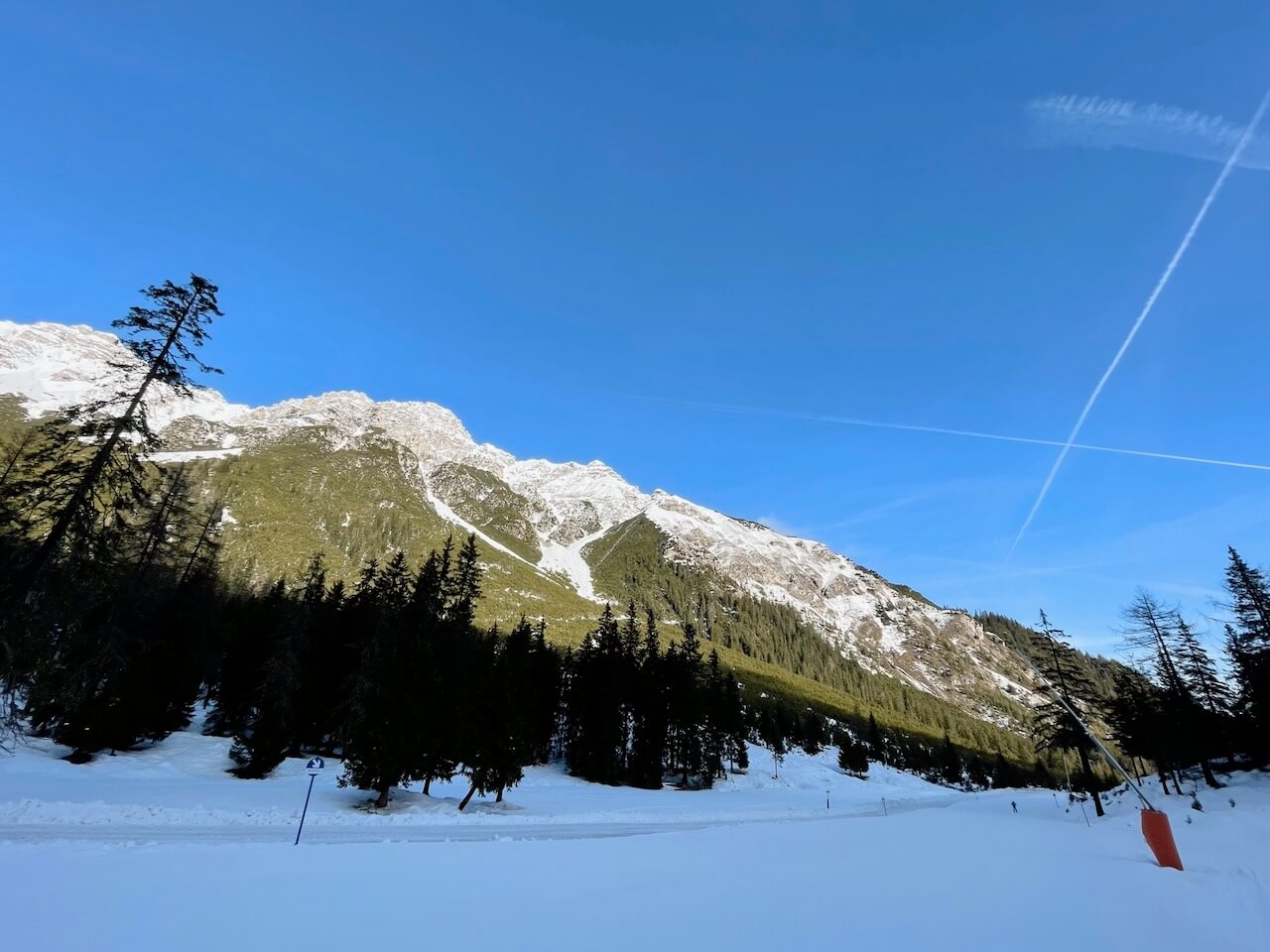
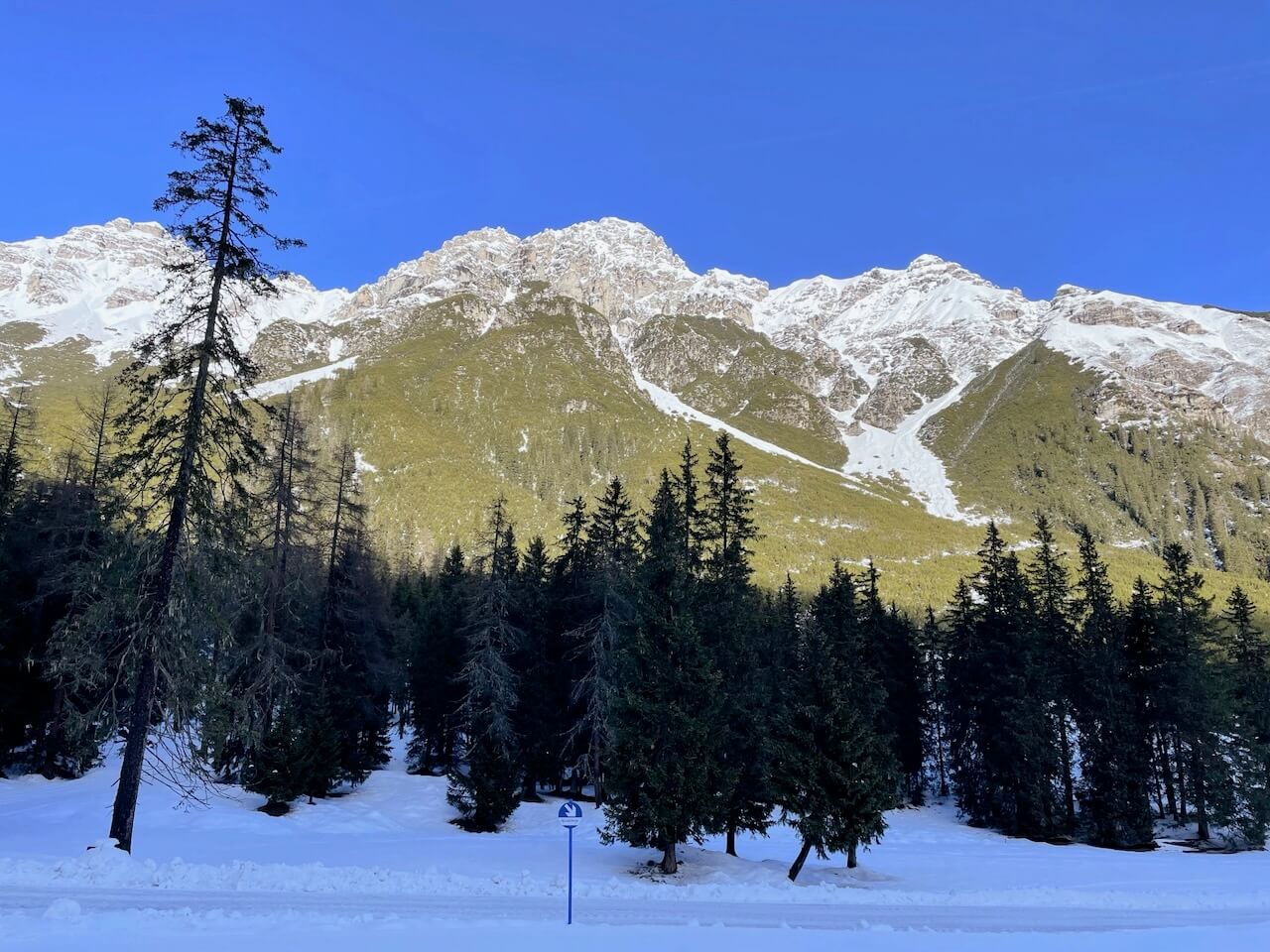
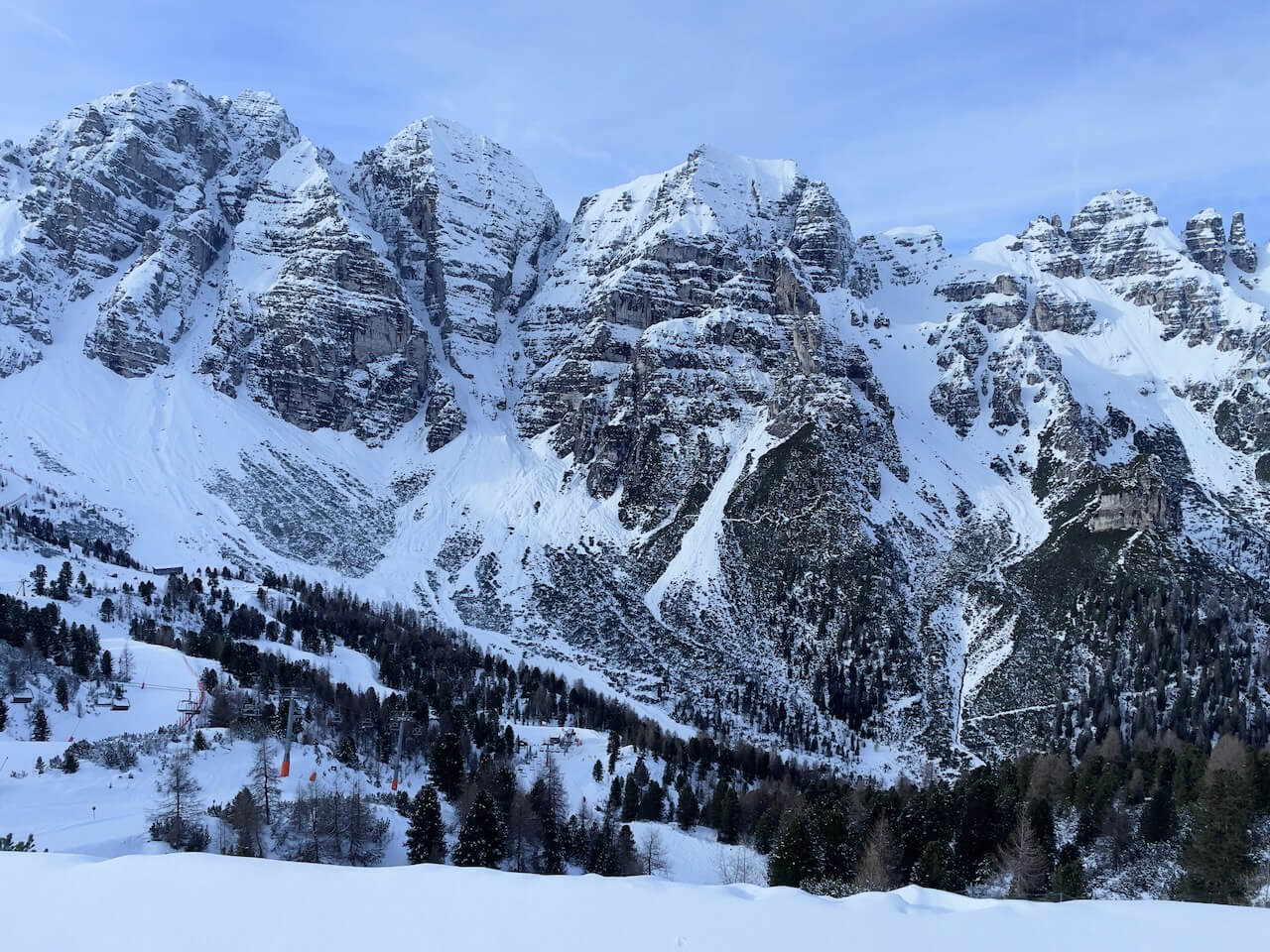
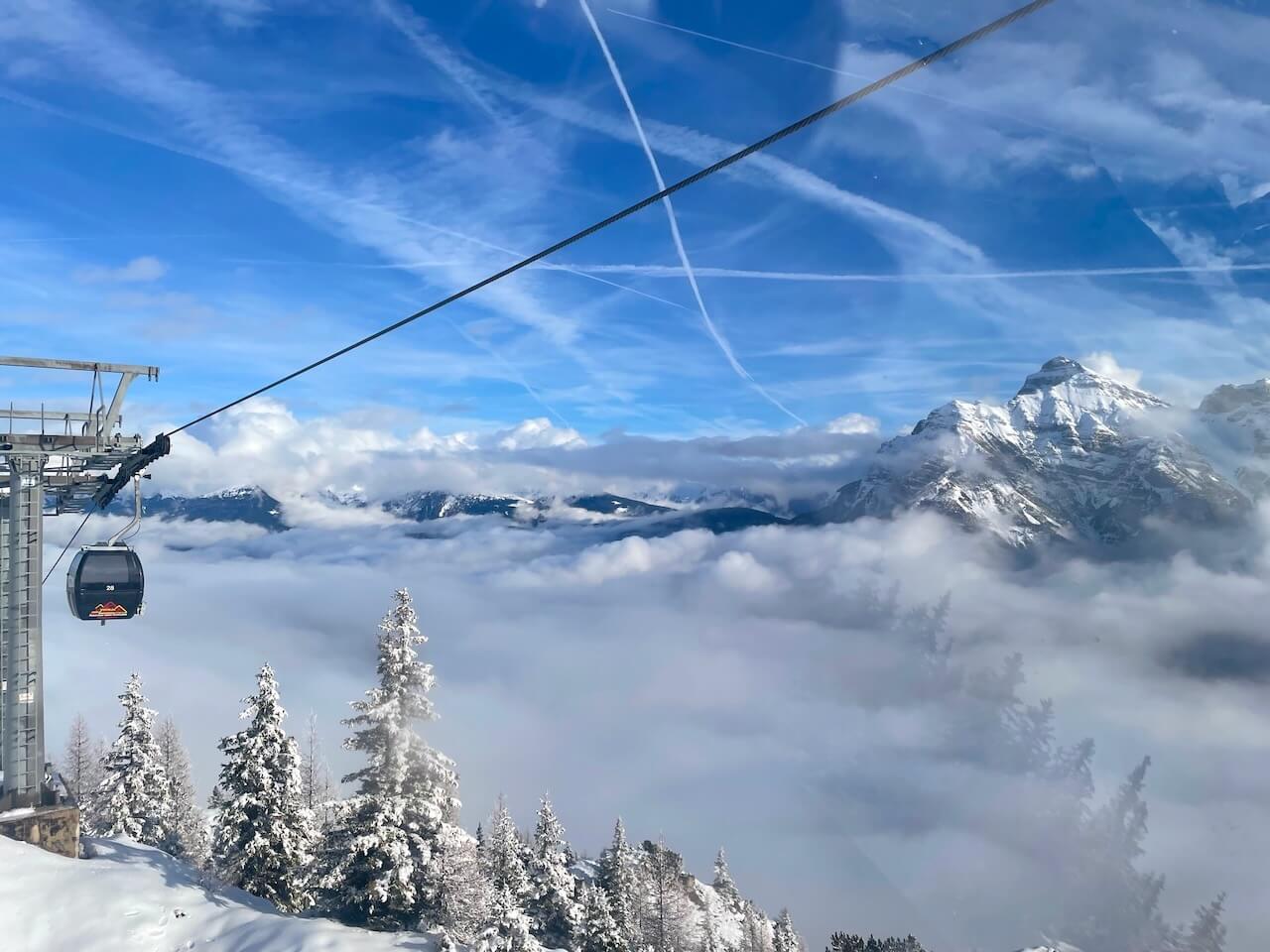
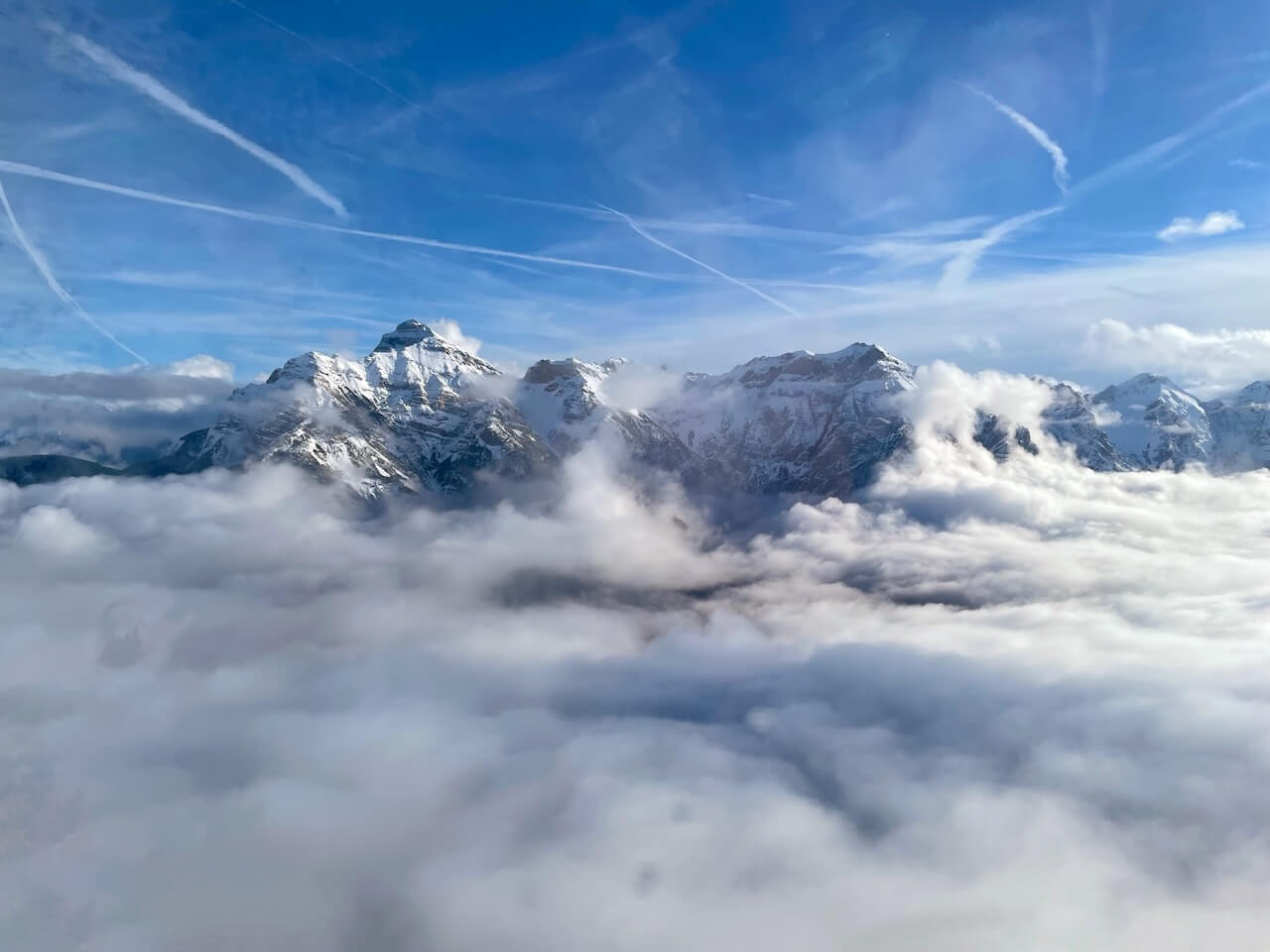
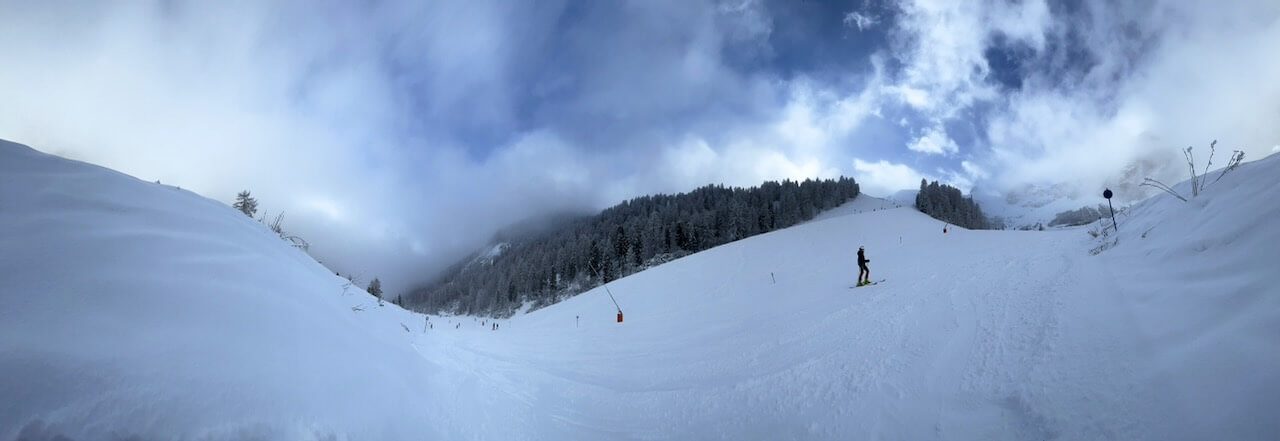
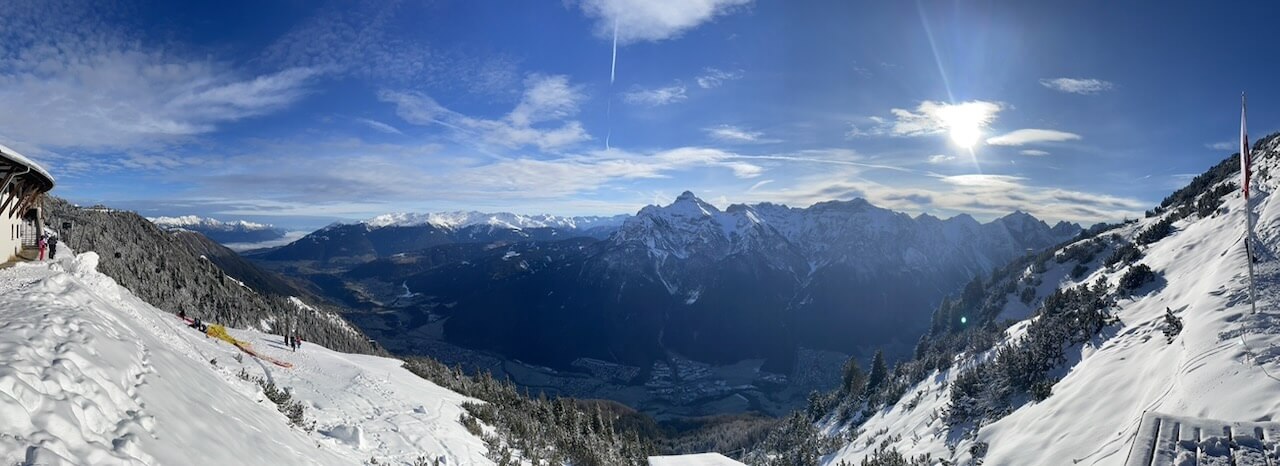
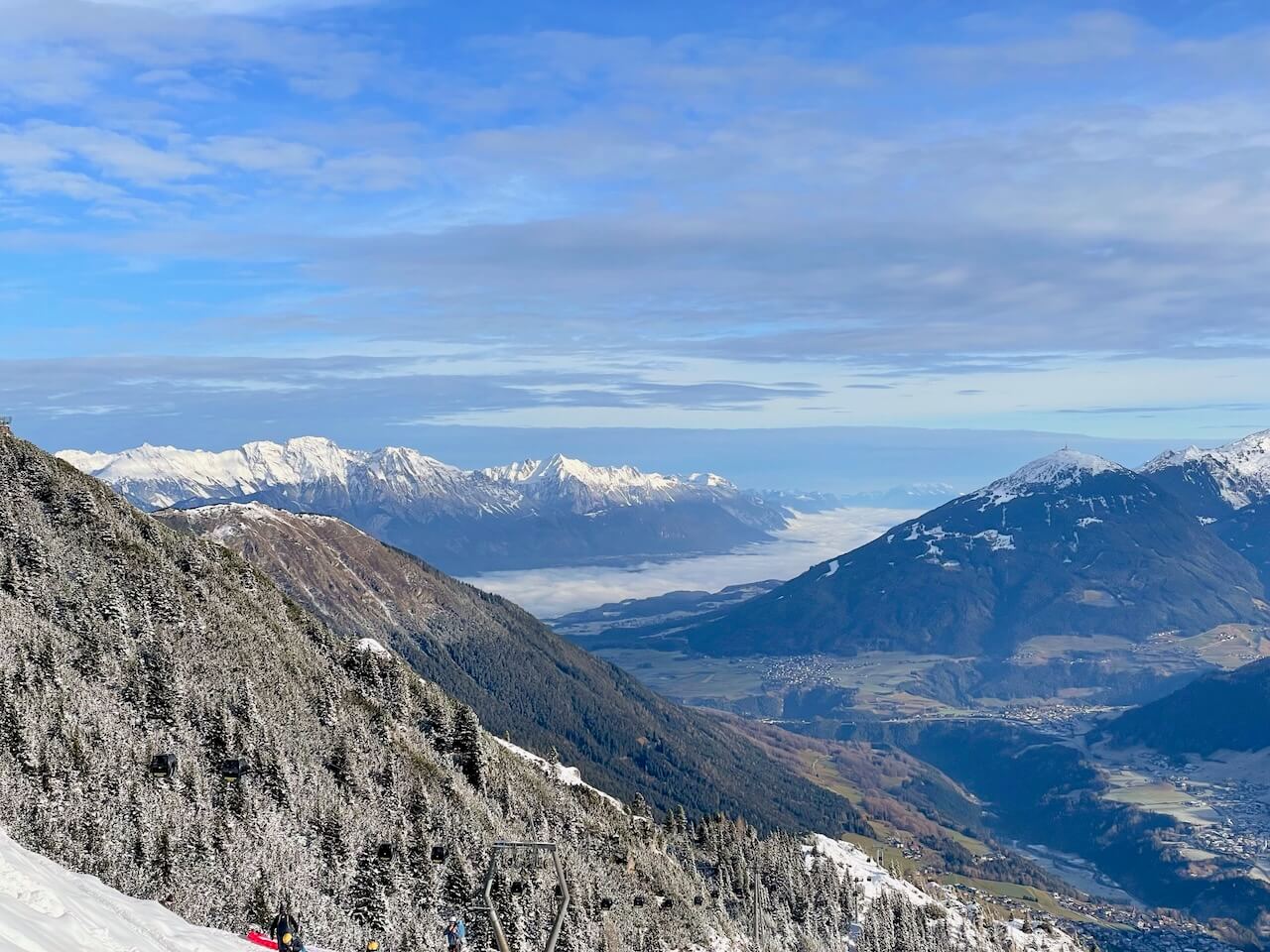
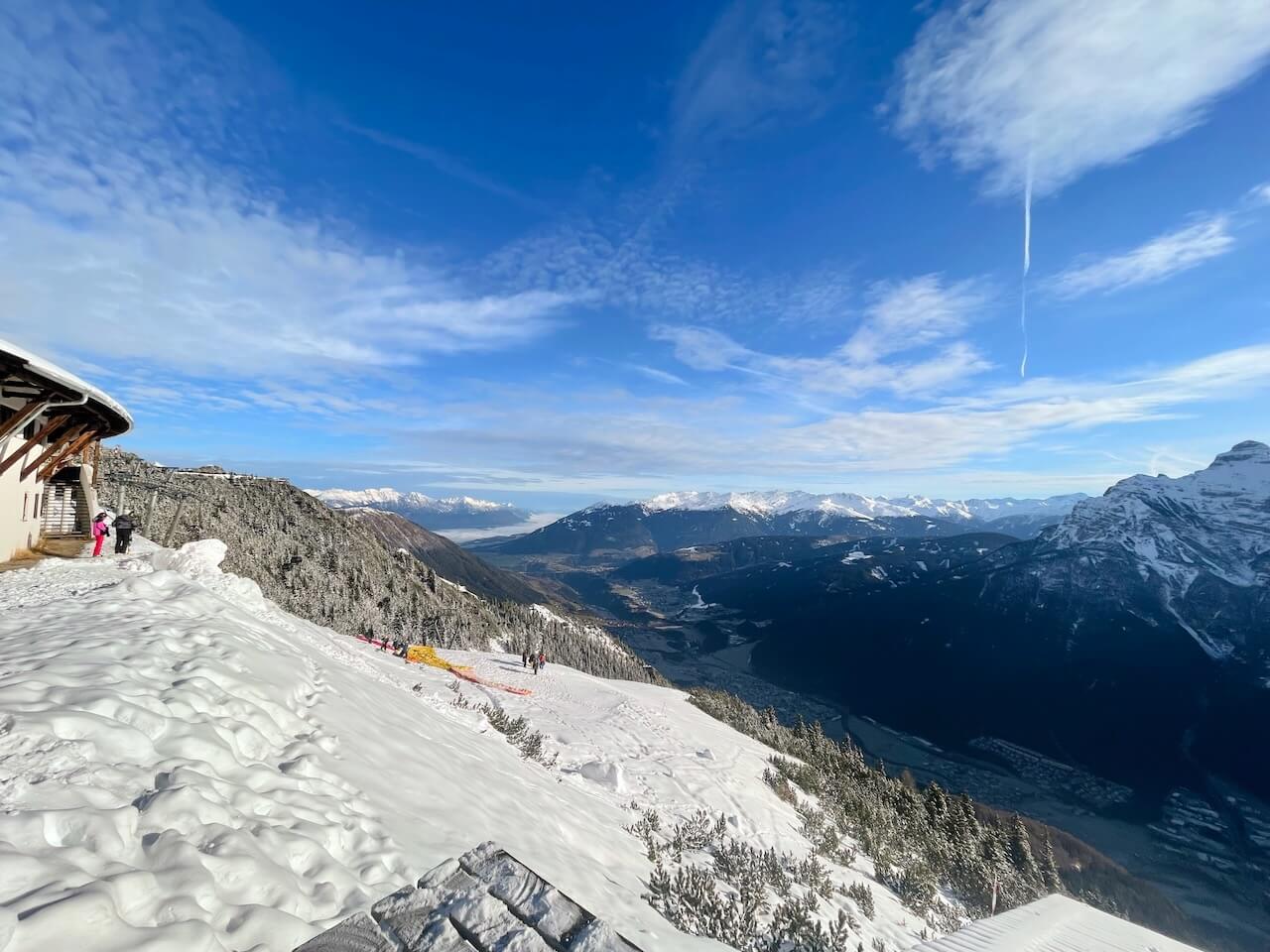
Bluebird skies, dramatic rock faces, and that first chairlift ride into a winter fairytale. Up at Kreuzjoch, the world felt unreal—frosted trees below, jagged peaks above, and clouds rolling through the valley like slow-motion waves. I came for snowboarding… but stayed for the views that made me forget to blink.

Dropping into fresh December snow with the Austrian Alps flexing in every direction? Unreal. One minute you’re carving smooth groomers, the next you’re floating above a sea of clouds like you accidentally unlocked a secret level. Legs shaking, face frozen, grin permanent. Worth it. Every. Single. Turn.

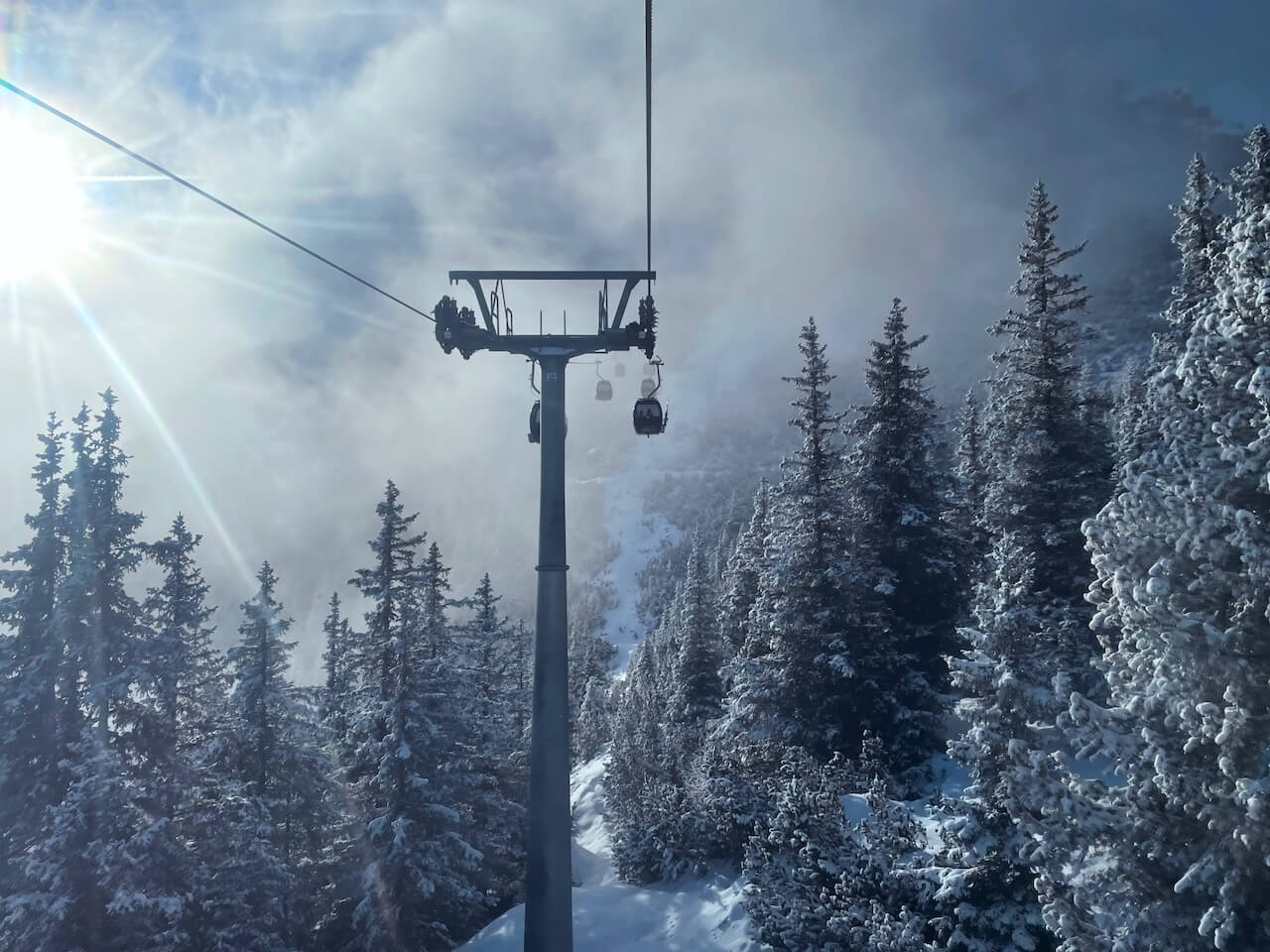
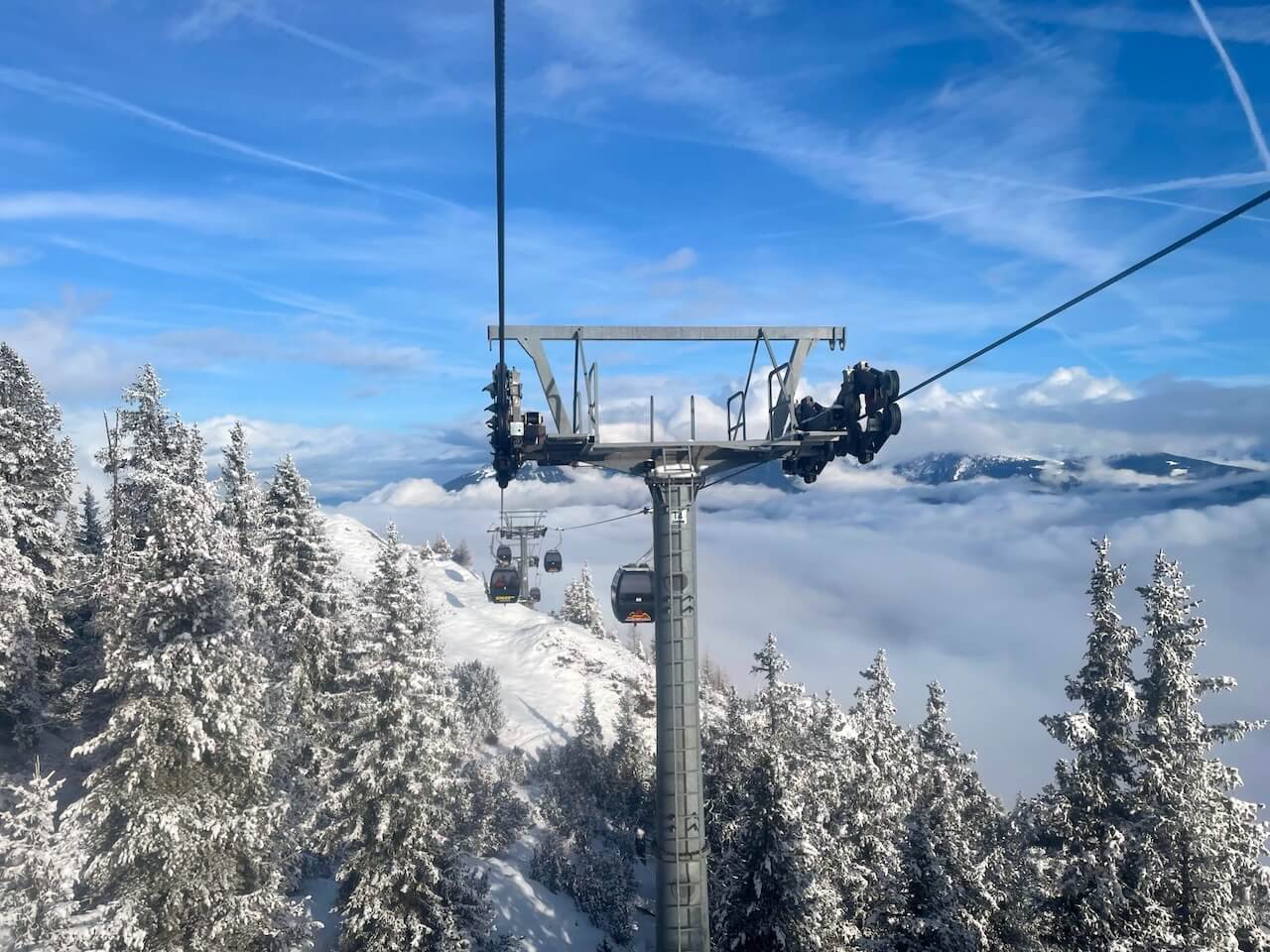
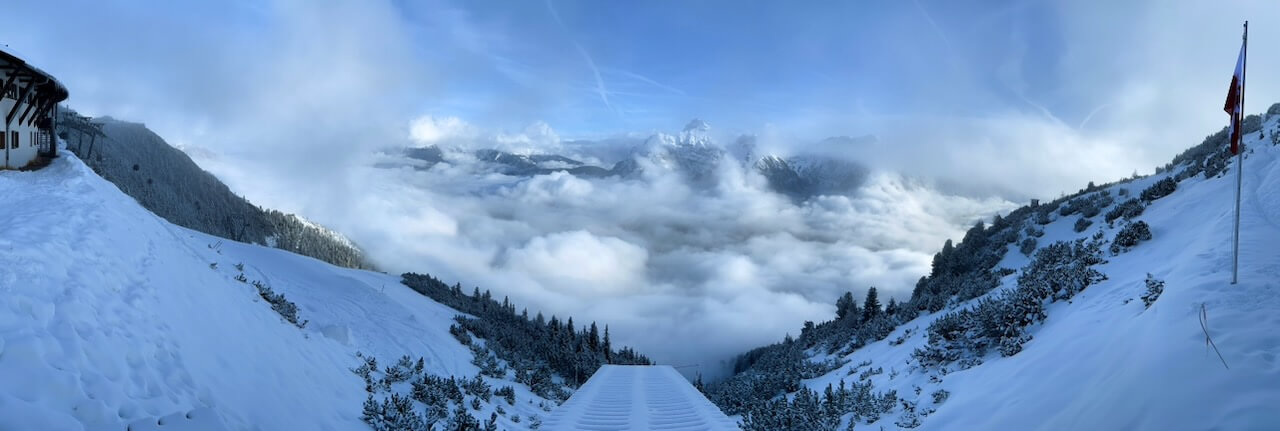
From gondola rides through misty pine forests to panoramic ridgelines overlooking the valley below – pure alpine magic. Snowboard strapped, playlist on, gravity doing its thing. If winter had a headquarters, it would definitely be here.

Low clouds drifting, peaks playing hide-and-seek, and that dramatic alpine backdrop turning every run into a movie scene. One second it’s full whiteout vibes, the next the mountain reveals itself like, “Surprise. I’m epic.”

Carving past skiers, snow spraying behind, that smooth whoosh sound under the board—pure winter rhythm. Cold fingers, warm adrenaline, and zero regrets about checking the weather at 6am.

By the end of the day, legs toasted, camera roll full, and heart completely recharged. Kreuzjoch didn’t just deliver a snowboard session, it delivered a core memory wrapped in snow and sky.

Reykjavik: Calm Skies, Colorful Roofs & A Date With Giants

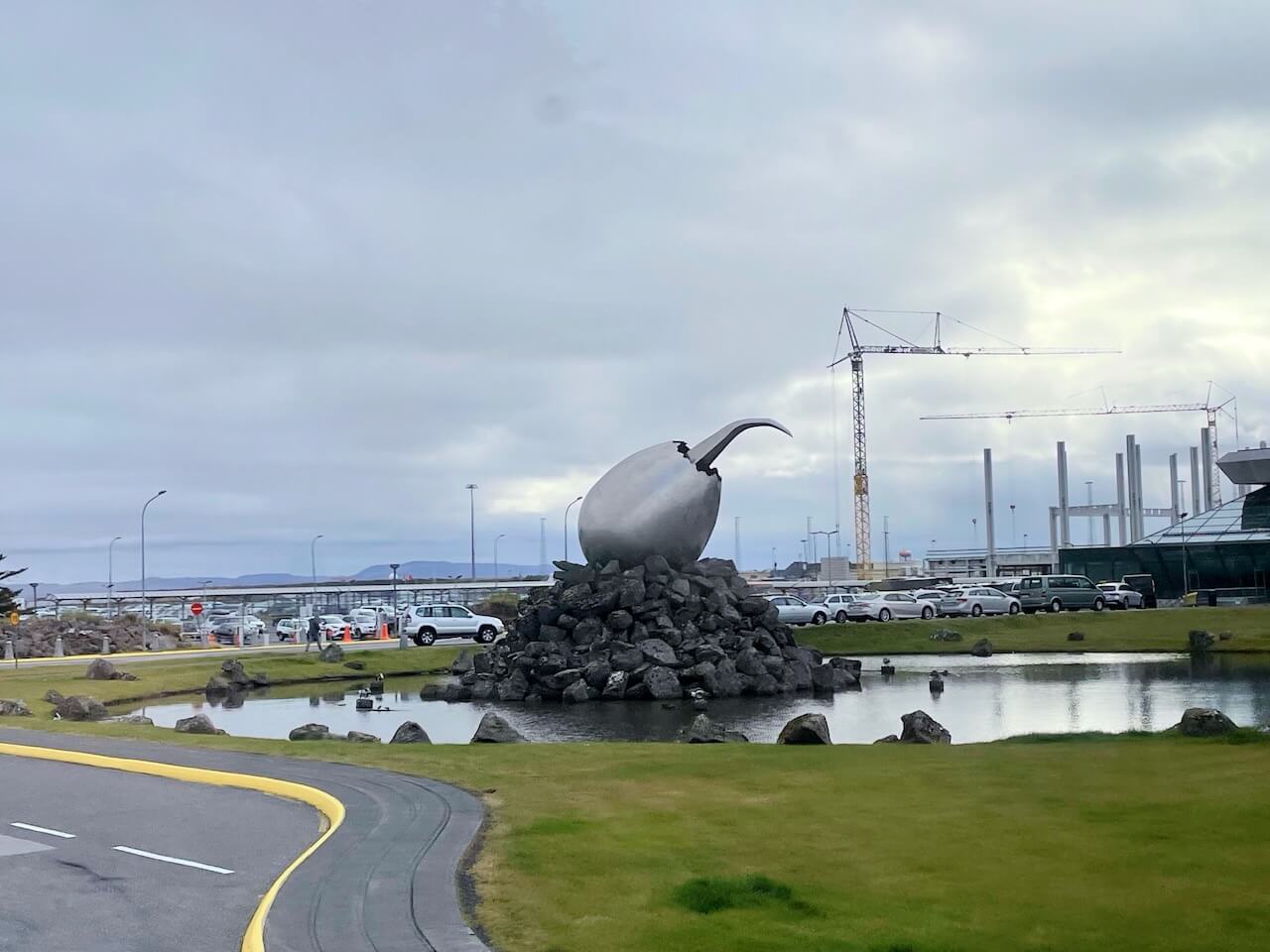
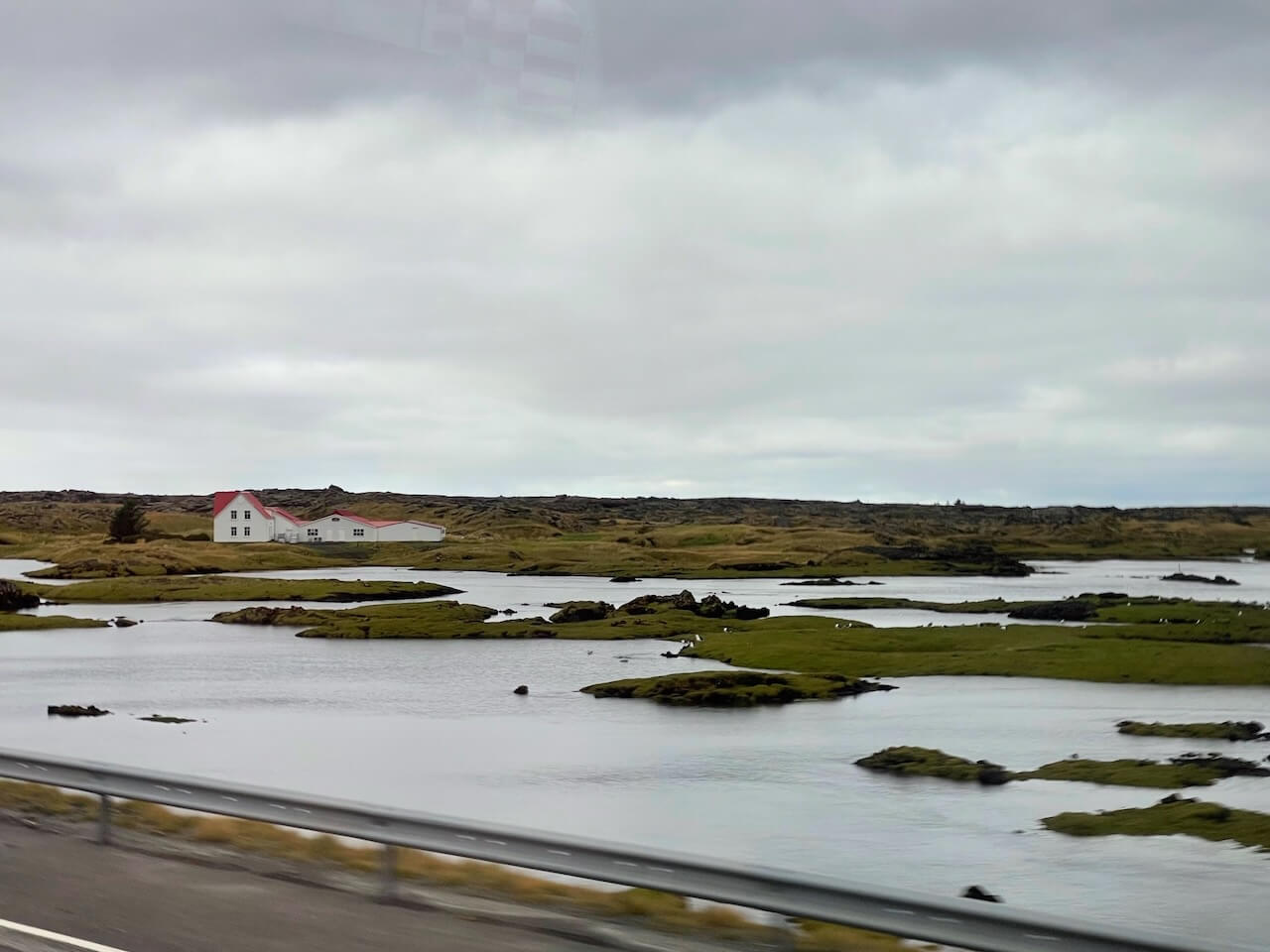
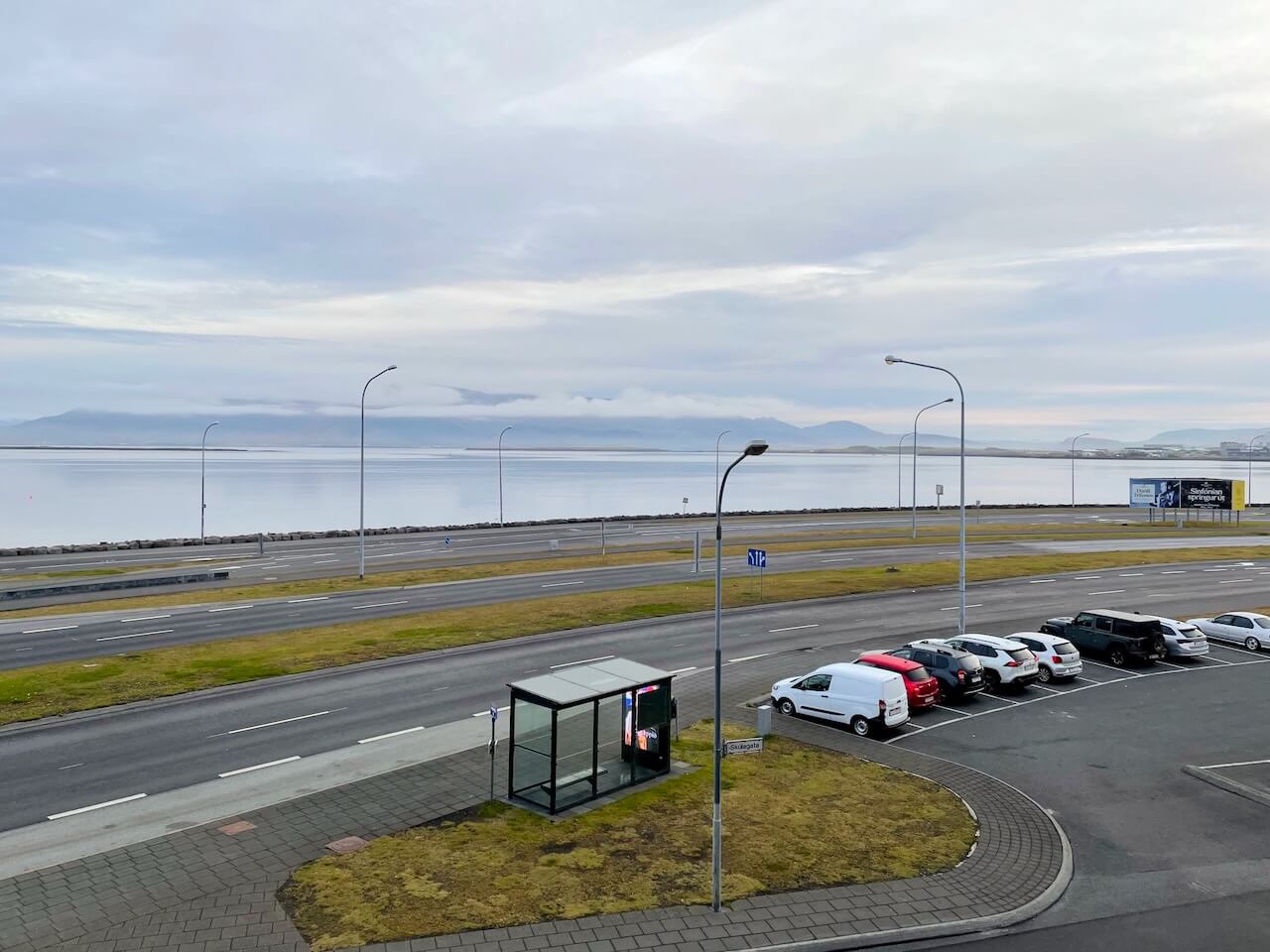
We landed at Keflavík expecting Iceland to slap us in the face with dramatic weather… and instead it just smiled politely. Calm skies, soft light, not a single strand of hair out of place. I felt slightly cheated. Where was the cinematic chaos? The lava fields around the airport stretched out quietly, covered in moss like a very patient alien carpet. Even the giant metal egg sculpture outside looked peaceful, perched on its rocks like it had finally found inner balance. Iceland, apparently, can do zen.

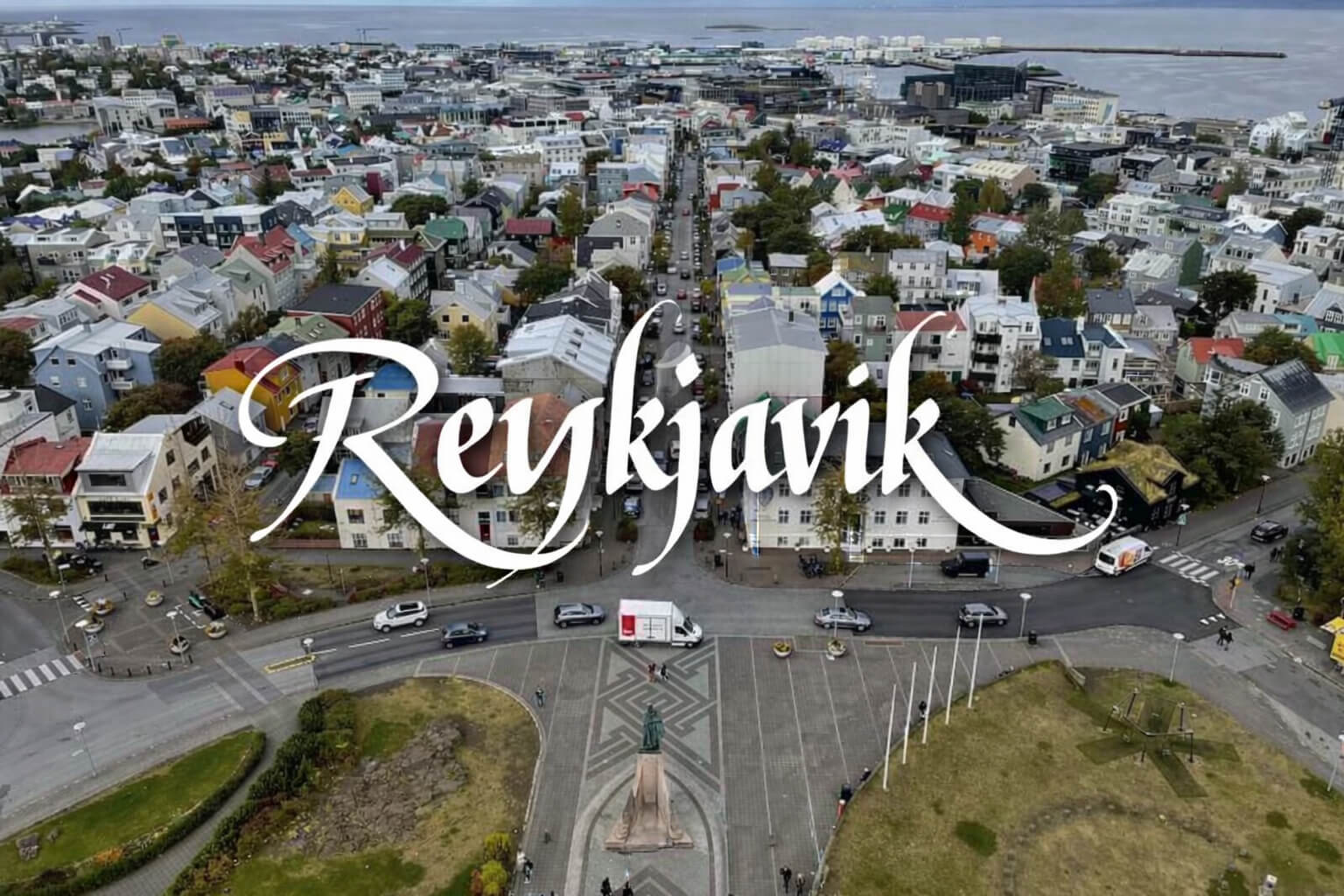
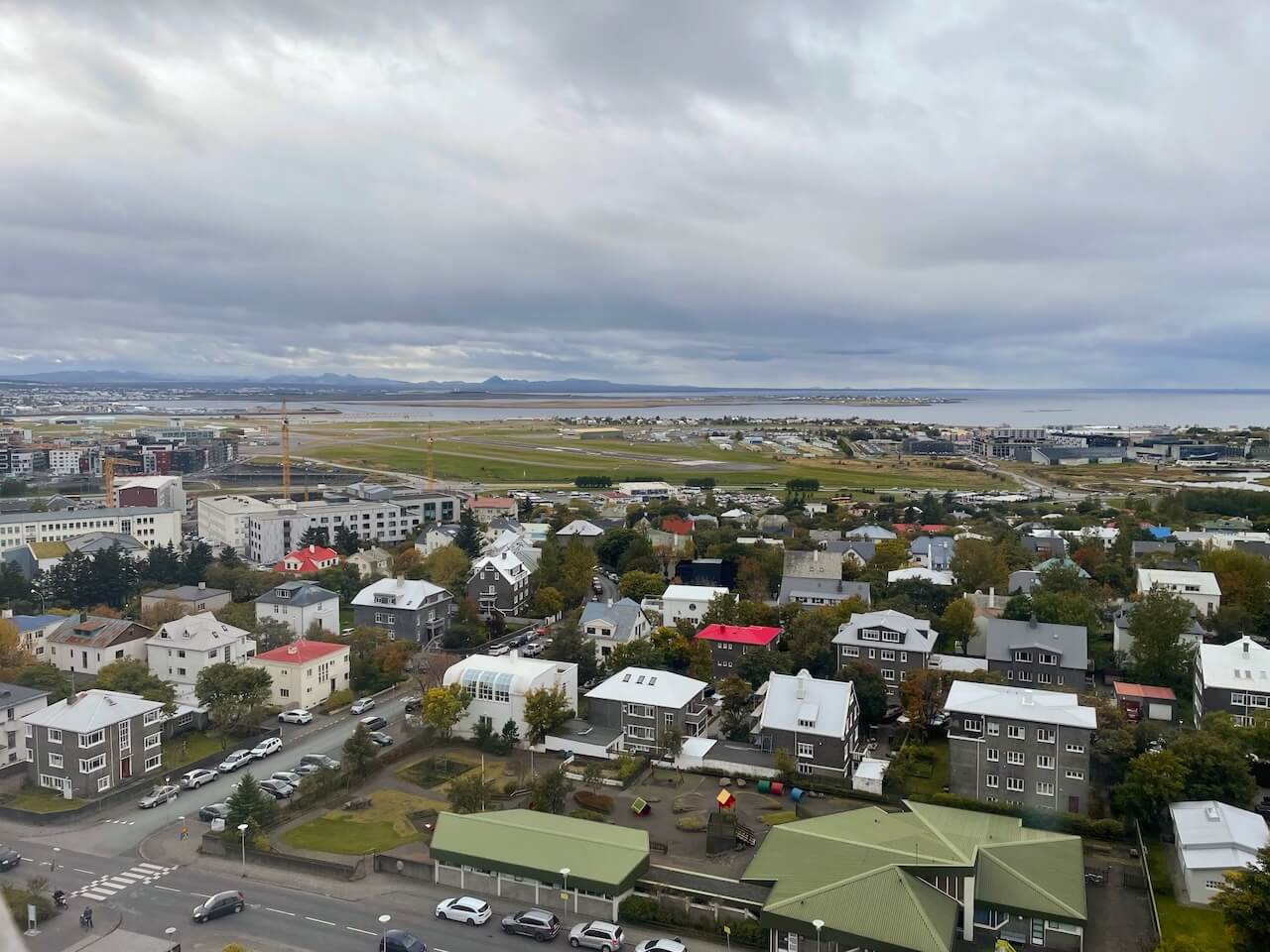
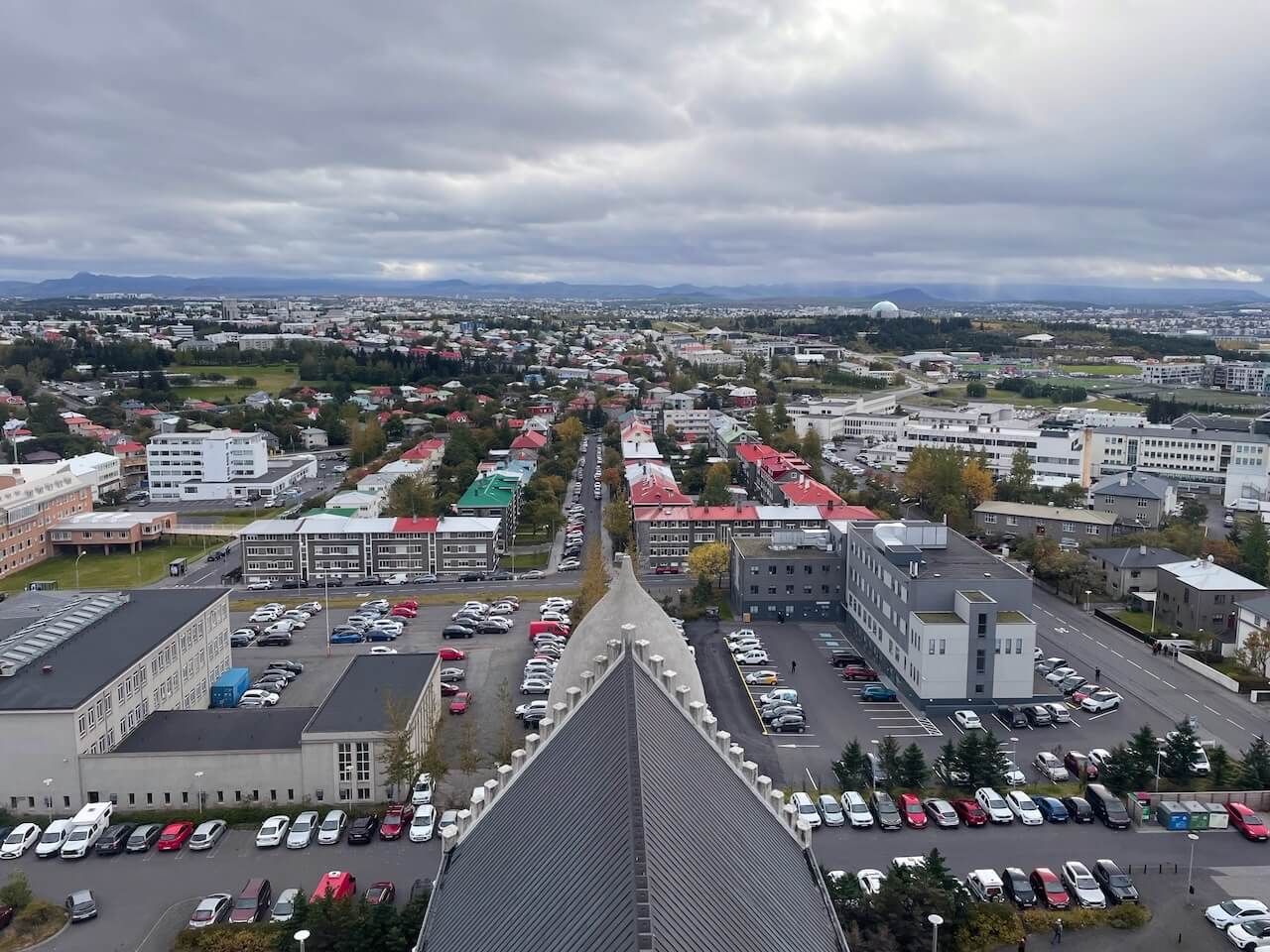
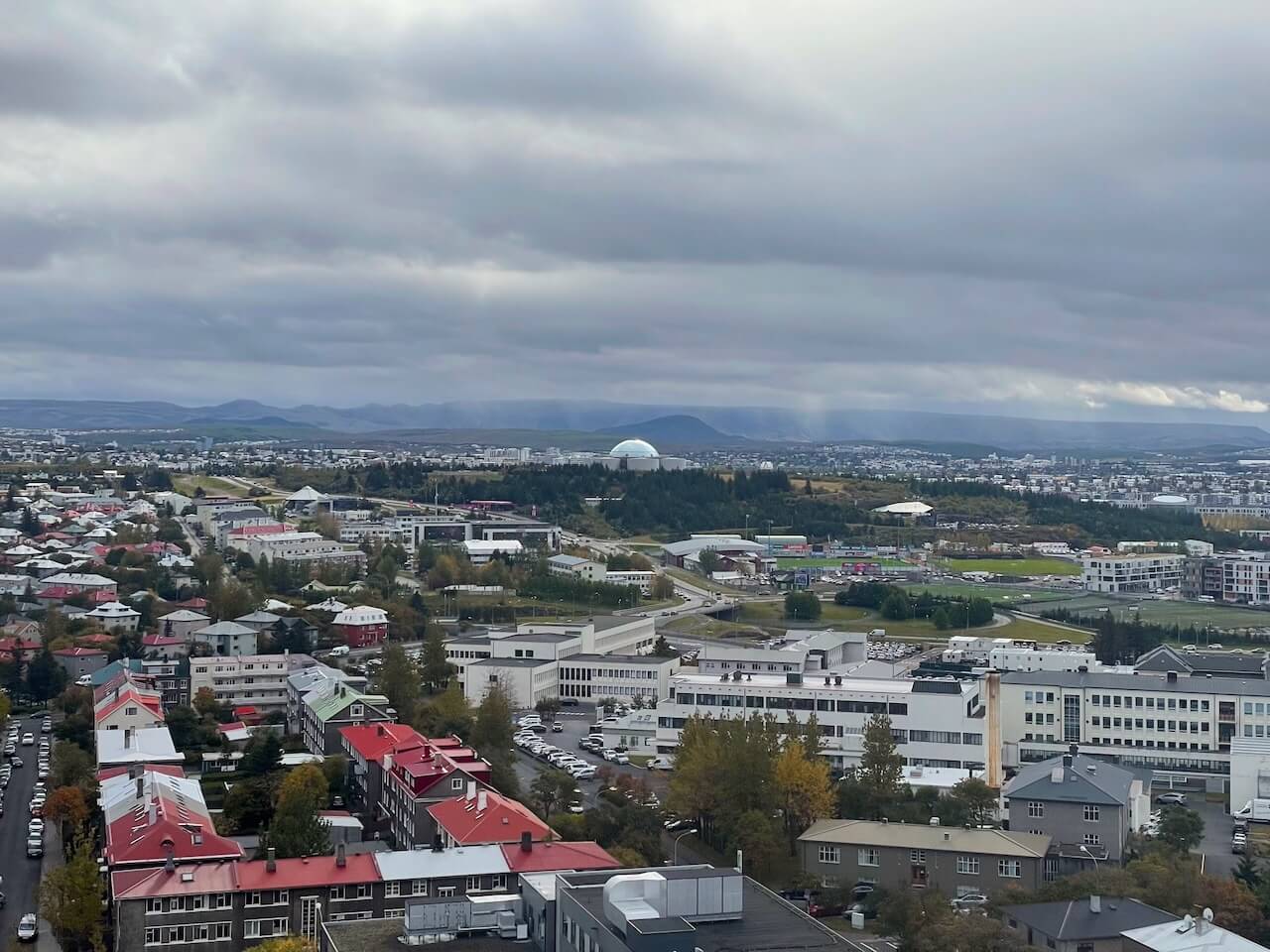
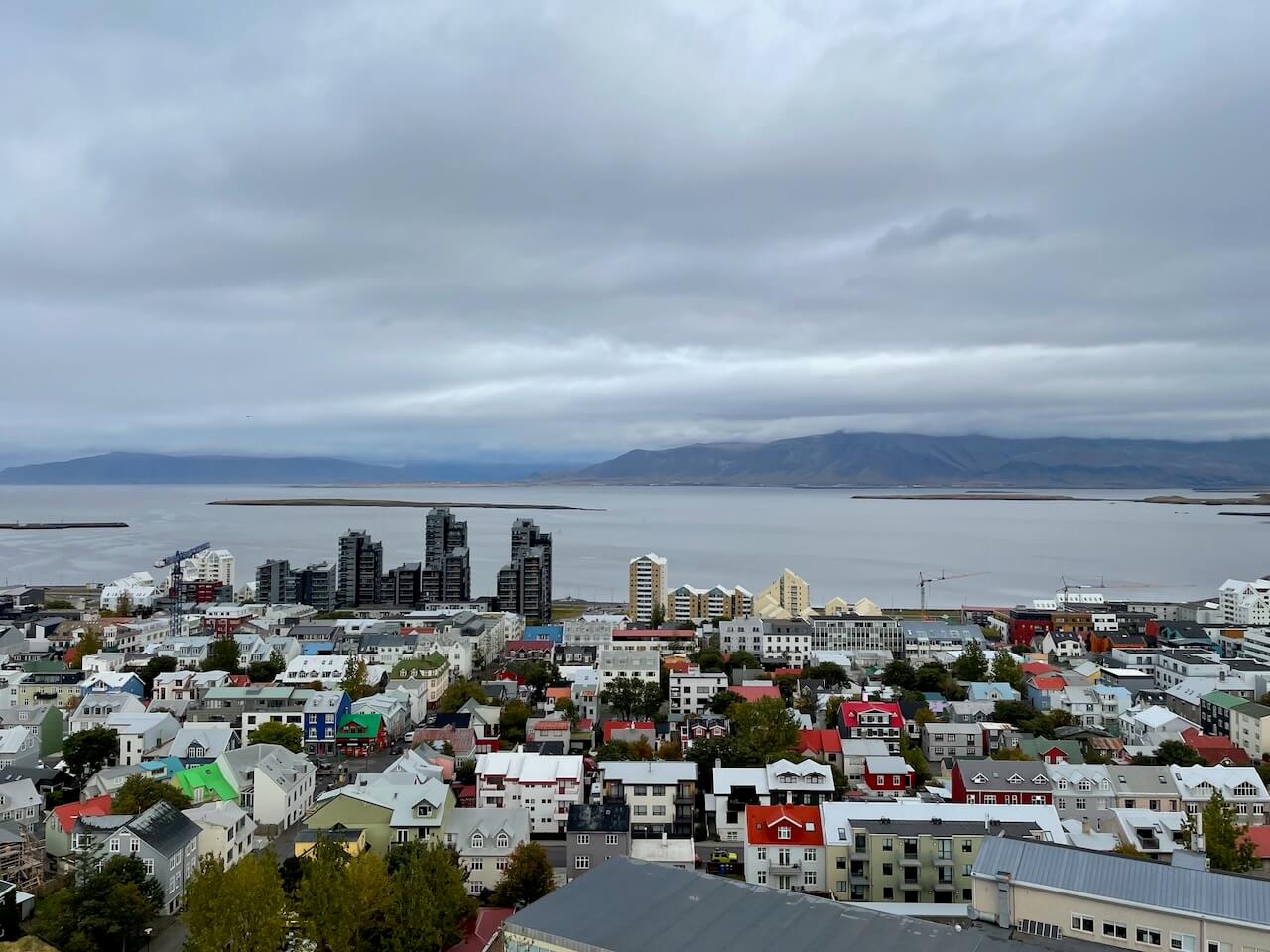
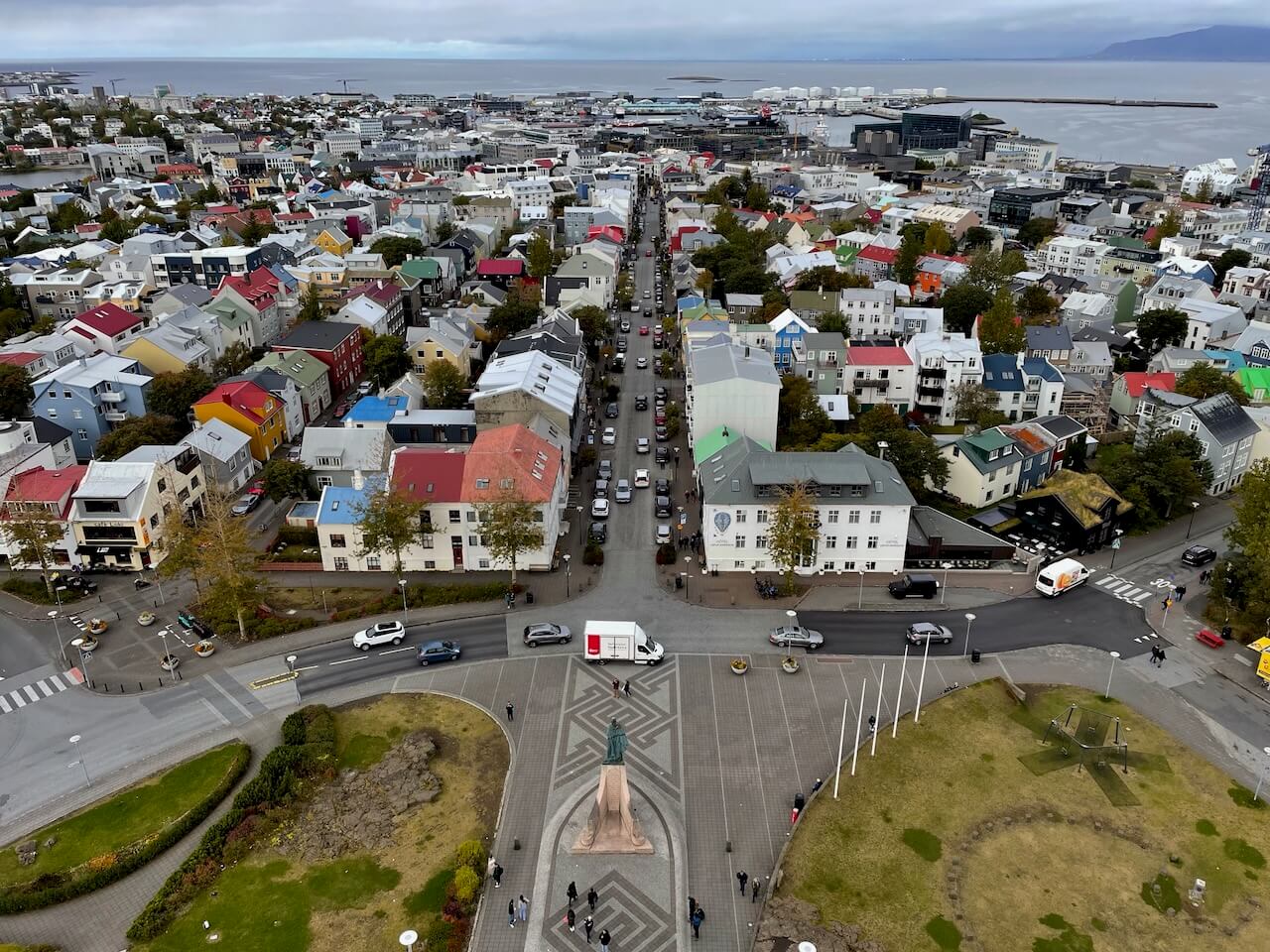
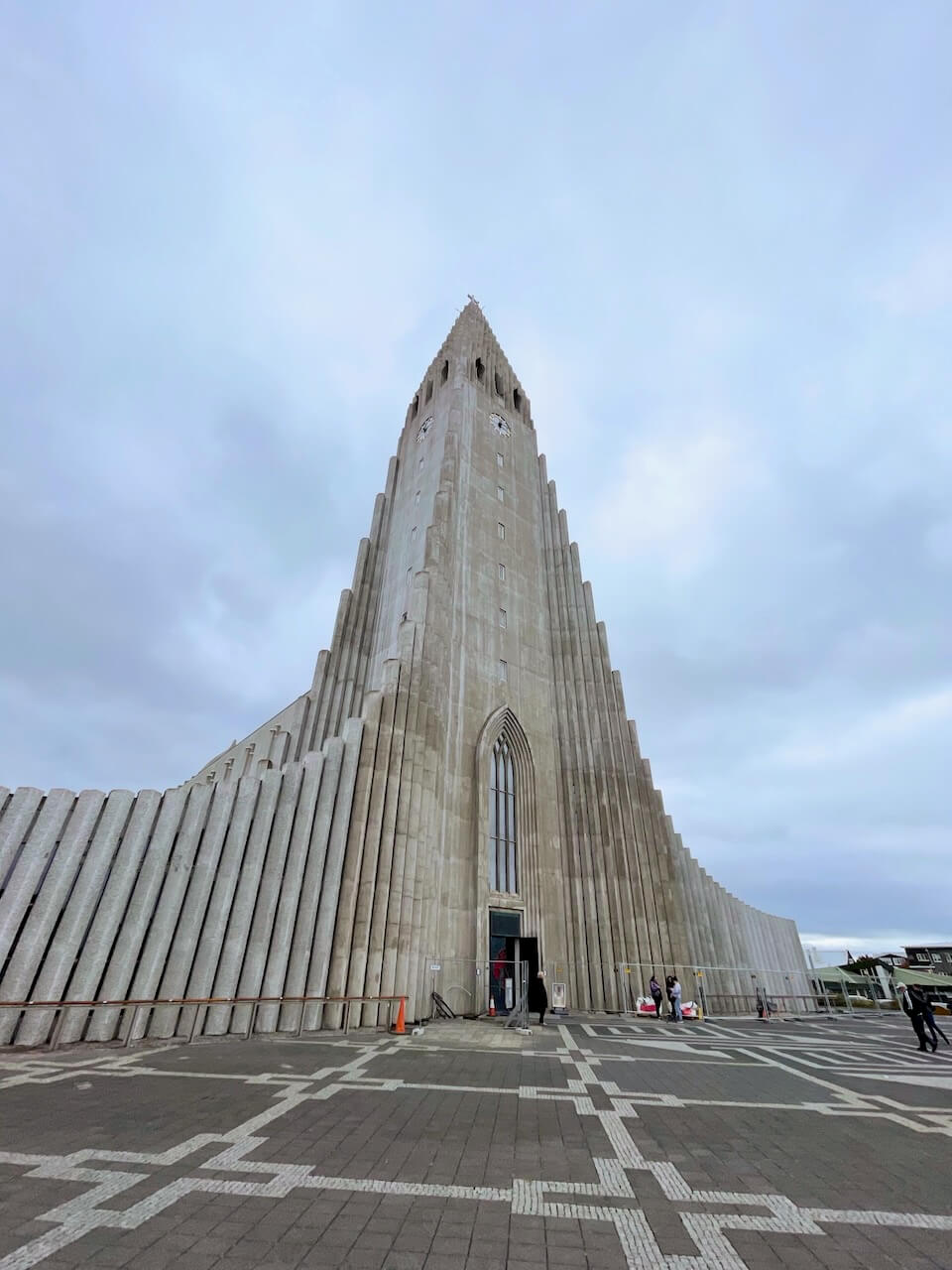
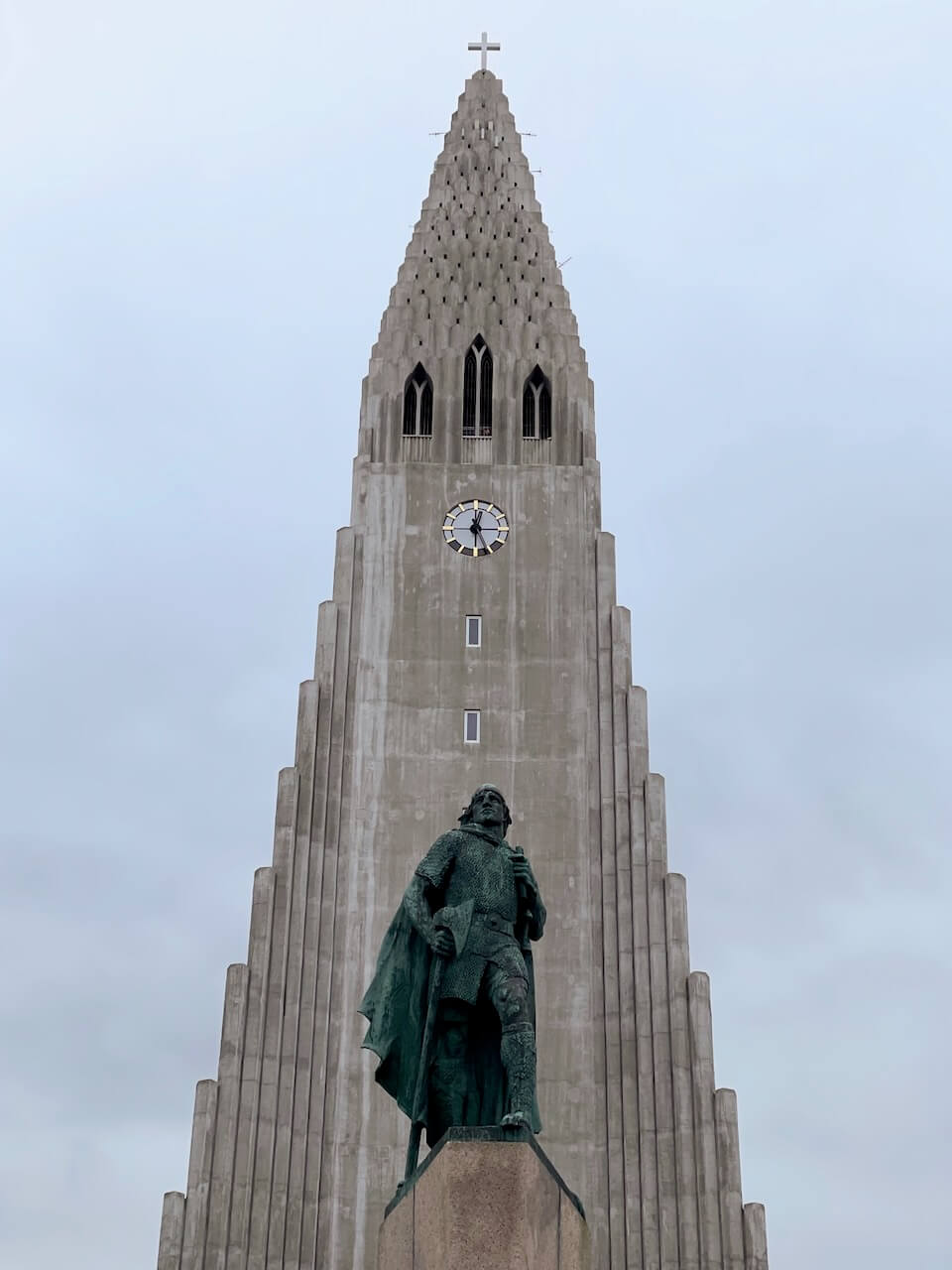
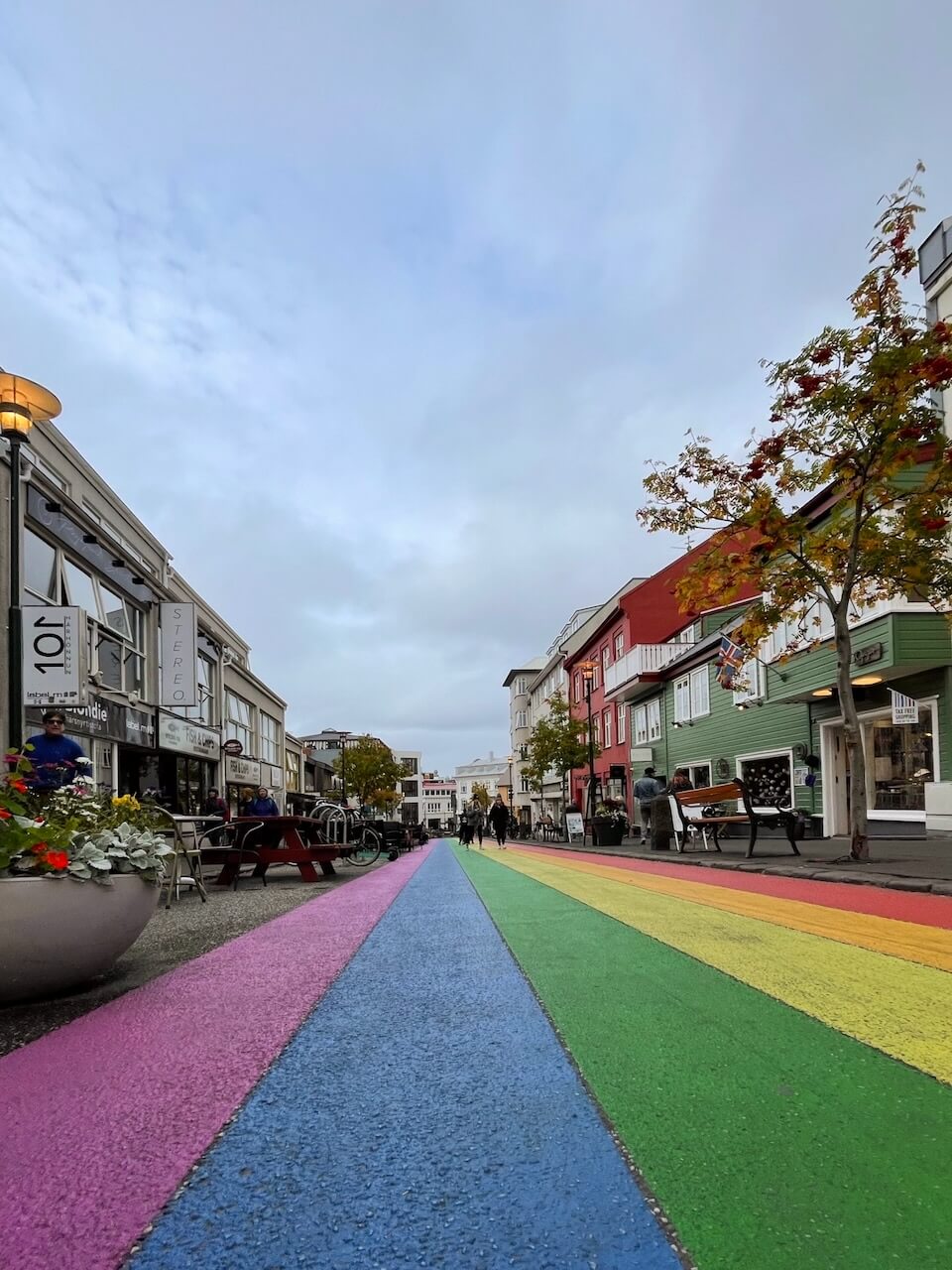
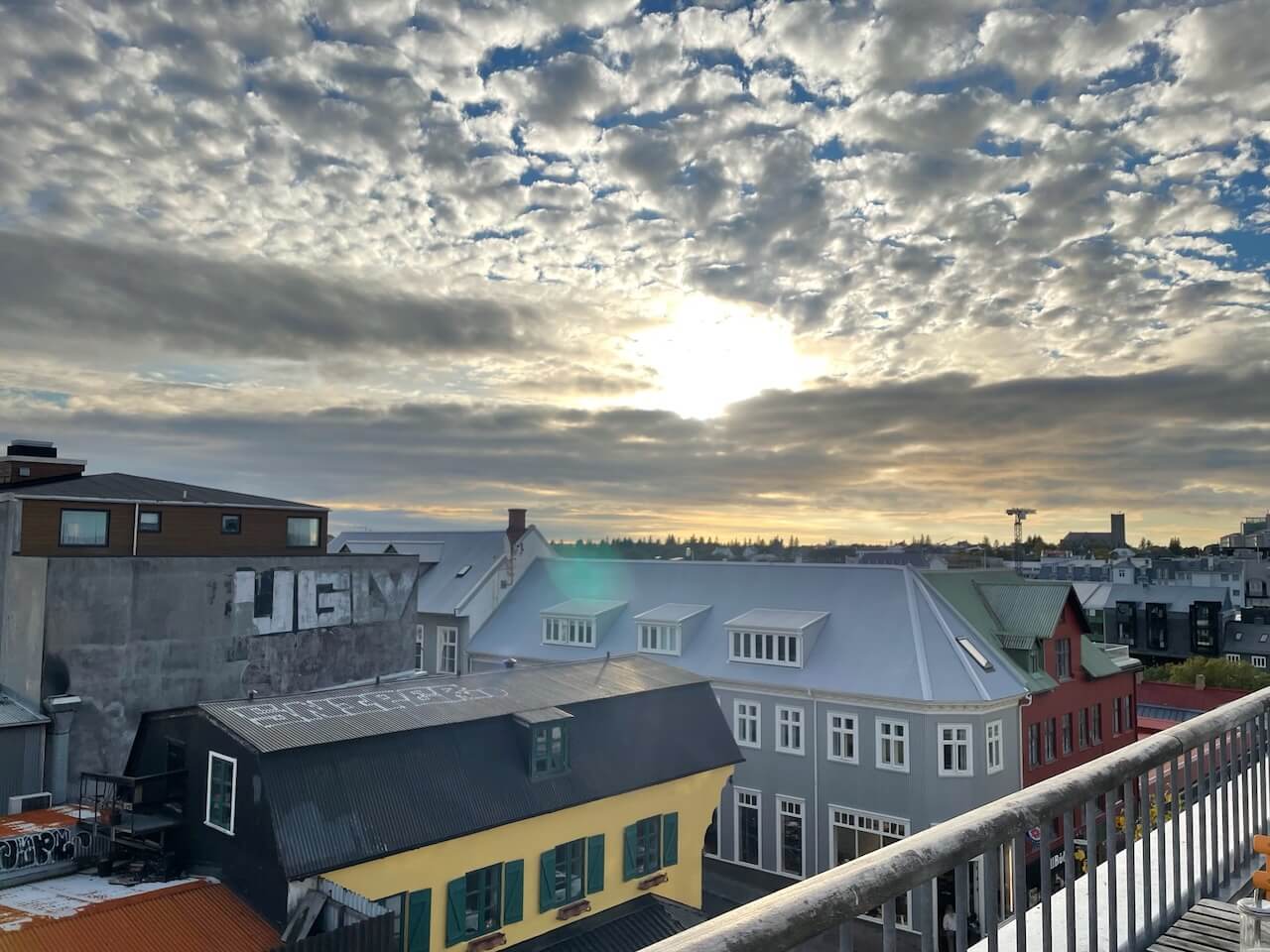
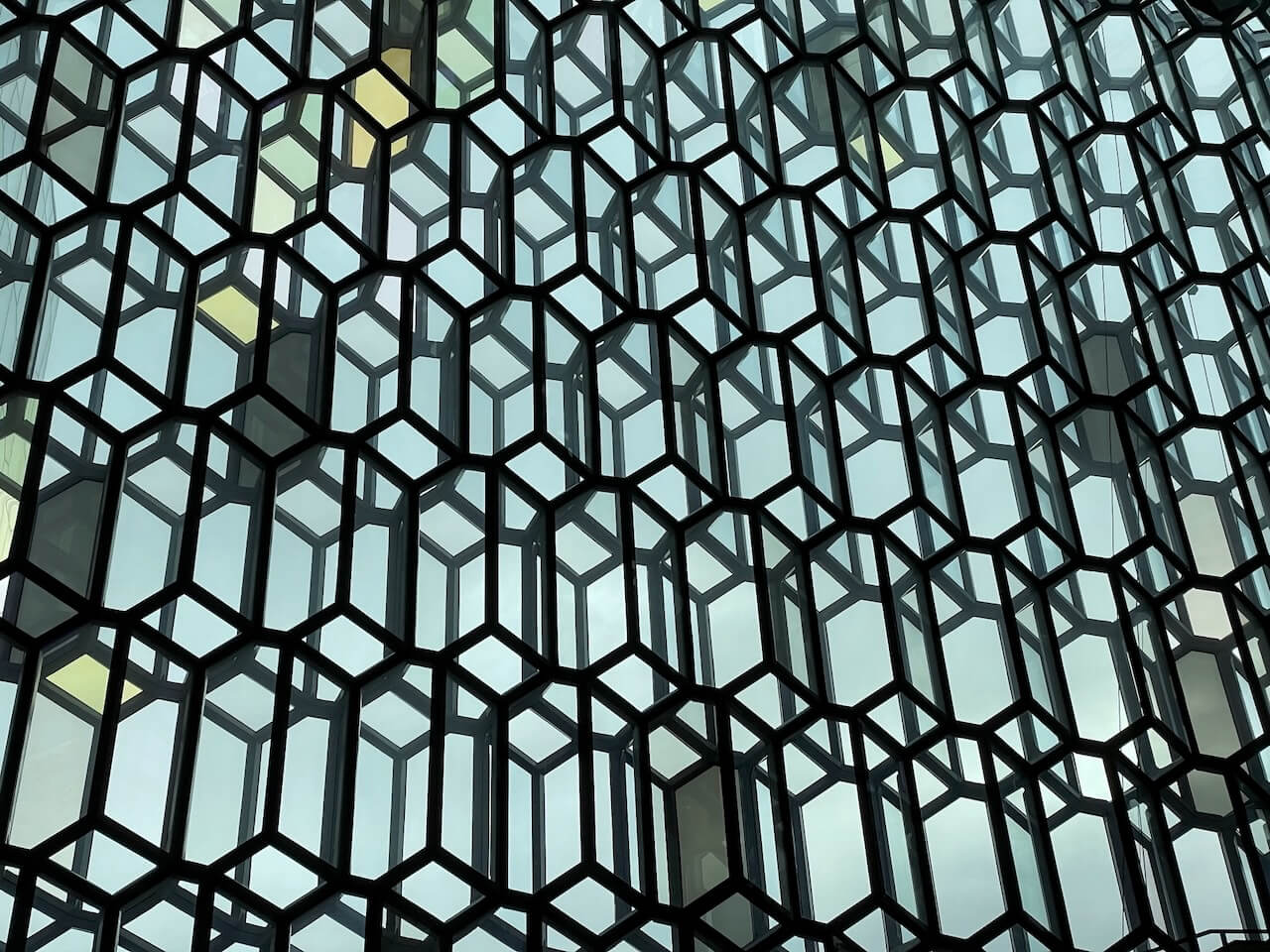
In the center of Reykjavik stands Hallgrímskirkja — the church that looks like a basalt rocket ship decided to settle down and become holy. It rises sharply above the city, all geometric drama and Nordic confidence. From its steps, the rooftops below spill out in bright reds, blues, and greens, stacking toward the horizon as if the houses themselves are trying to climb up and join the church at the top. It’s architectural ambition in full color. I stood there taking photos I absolutely did not need more of, convinced each one was “the best angle yet.”

From above, Reykjavik looks like someone carefully arranged a set of pastel toy houses beside a silver-blue ocean. Mountains stretch across the background with the calm authority of something that has existed long before Instagram. Compared to the tidy waterfront charm of Denmark, the polished islands of Sweden, Reykjavik feels wilder — not messy, just unapologetically raw. It’s like the cool Nordic cousin who hikes volcanoes for fun.

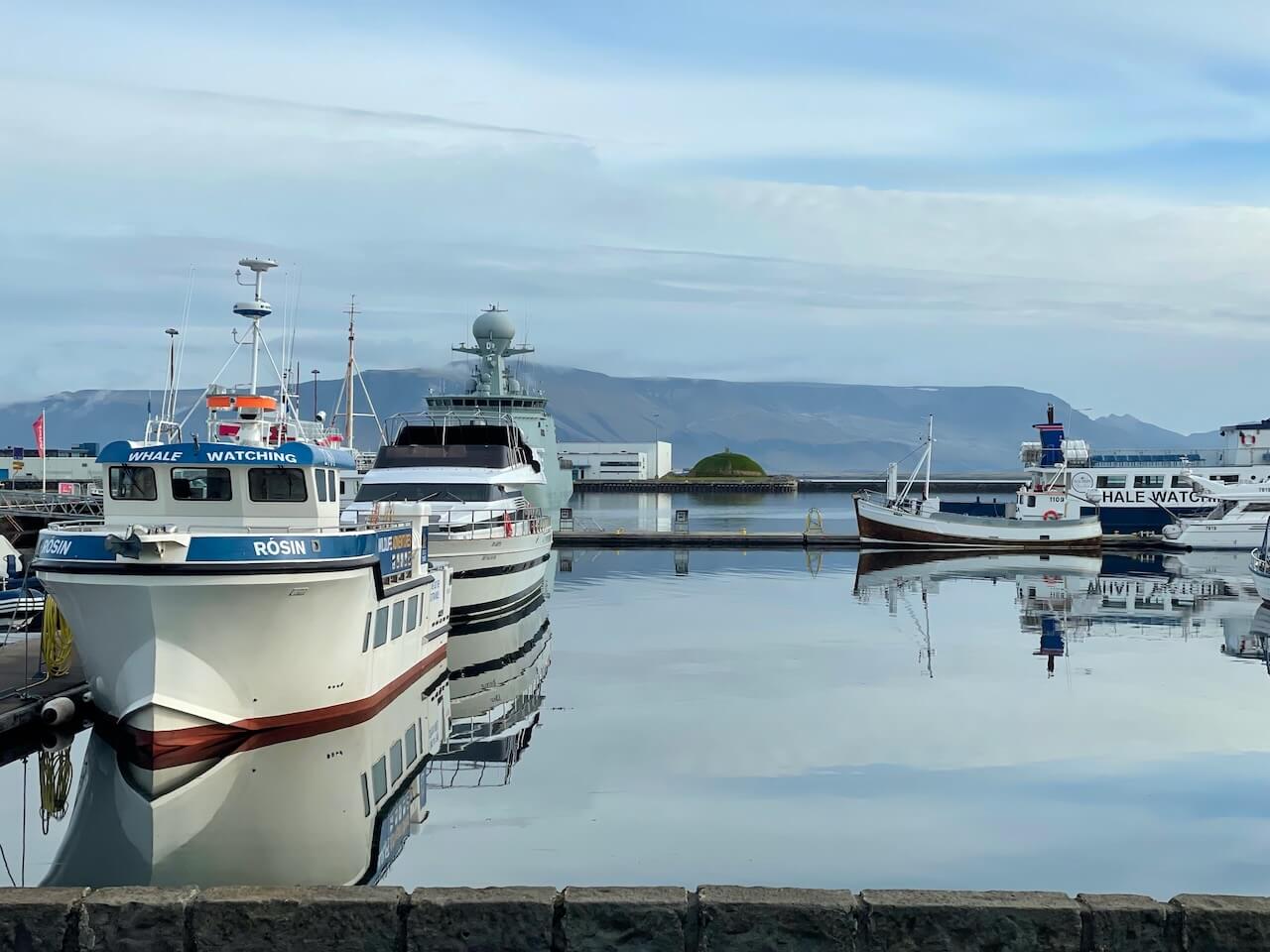
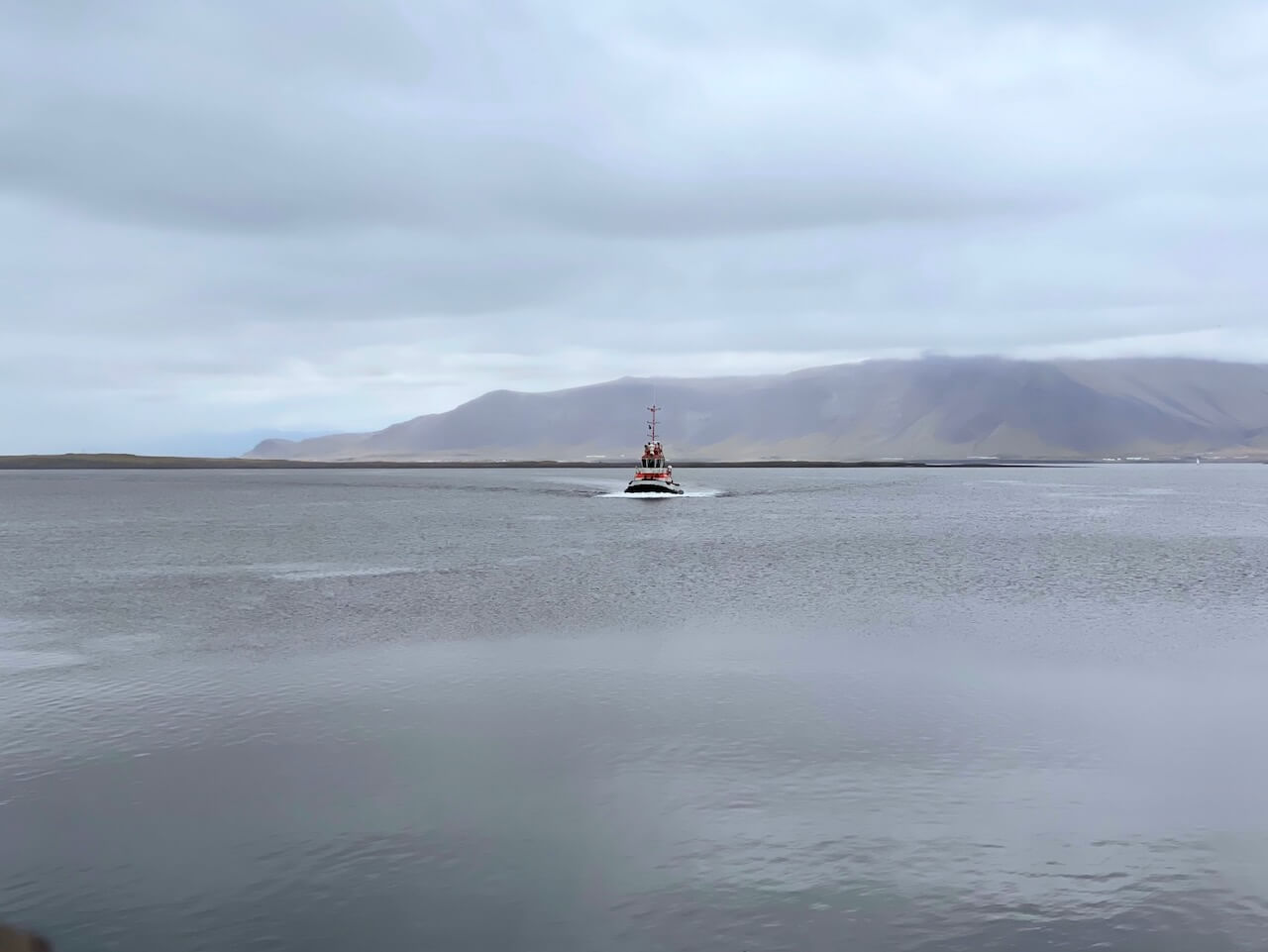
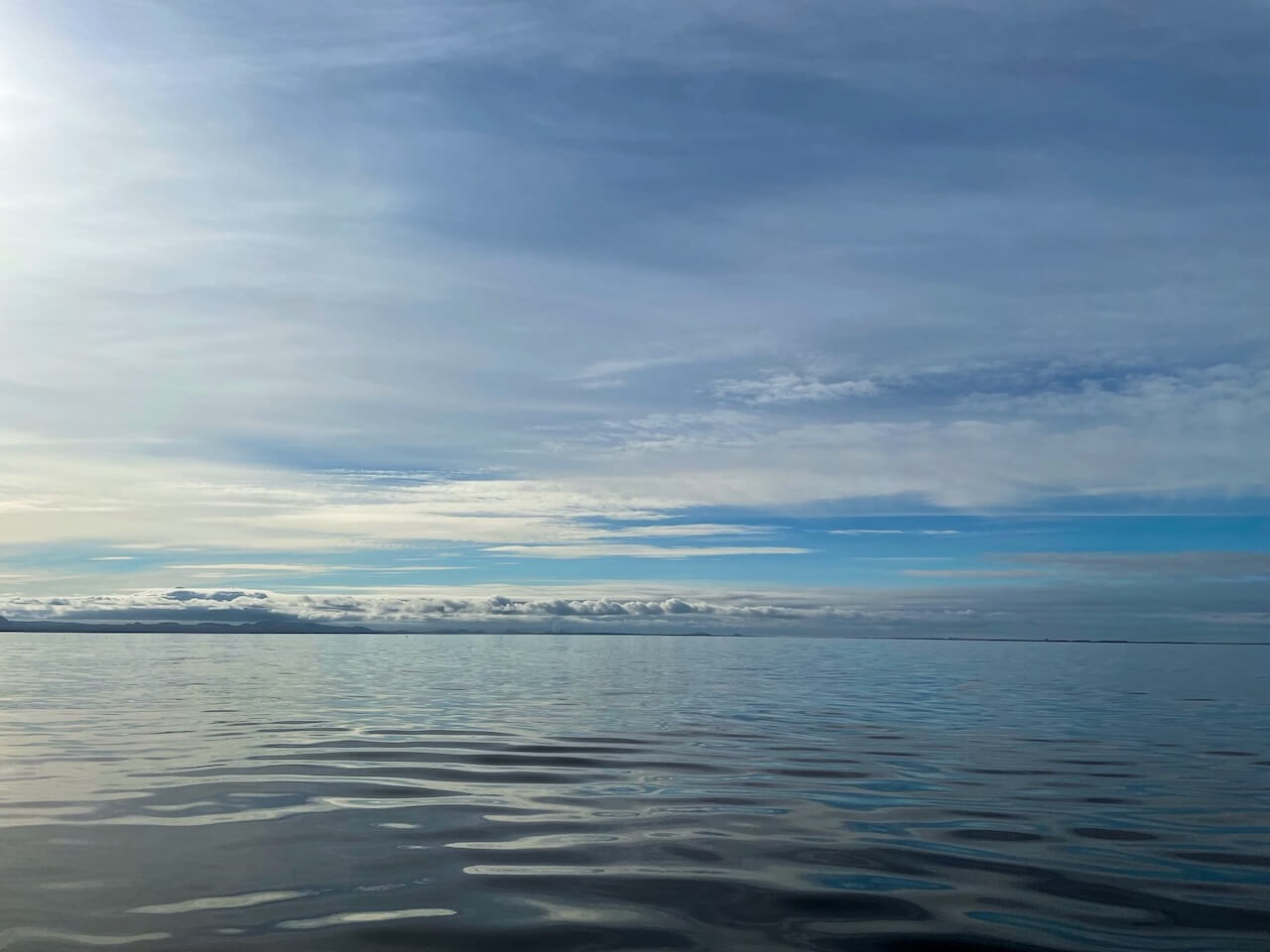
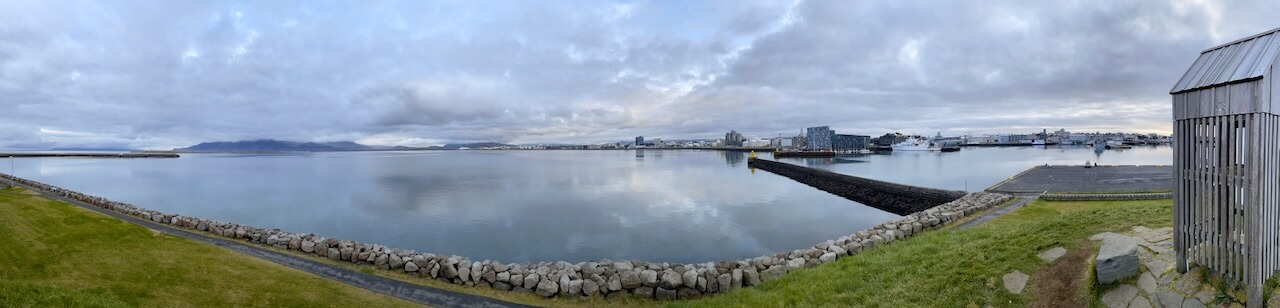
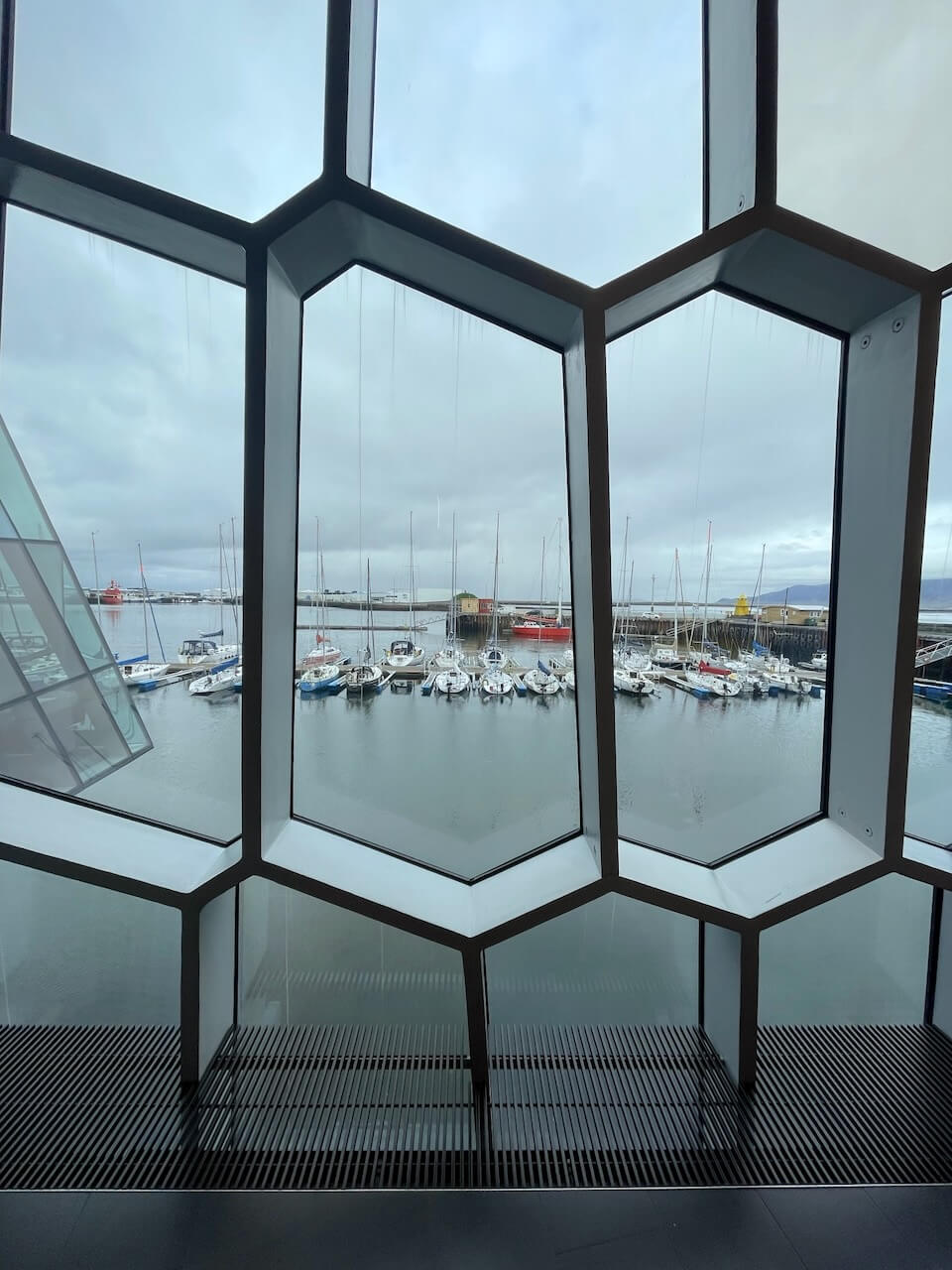
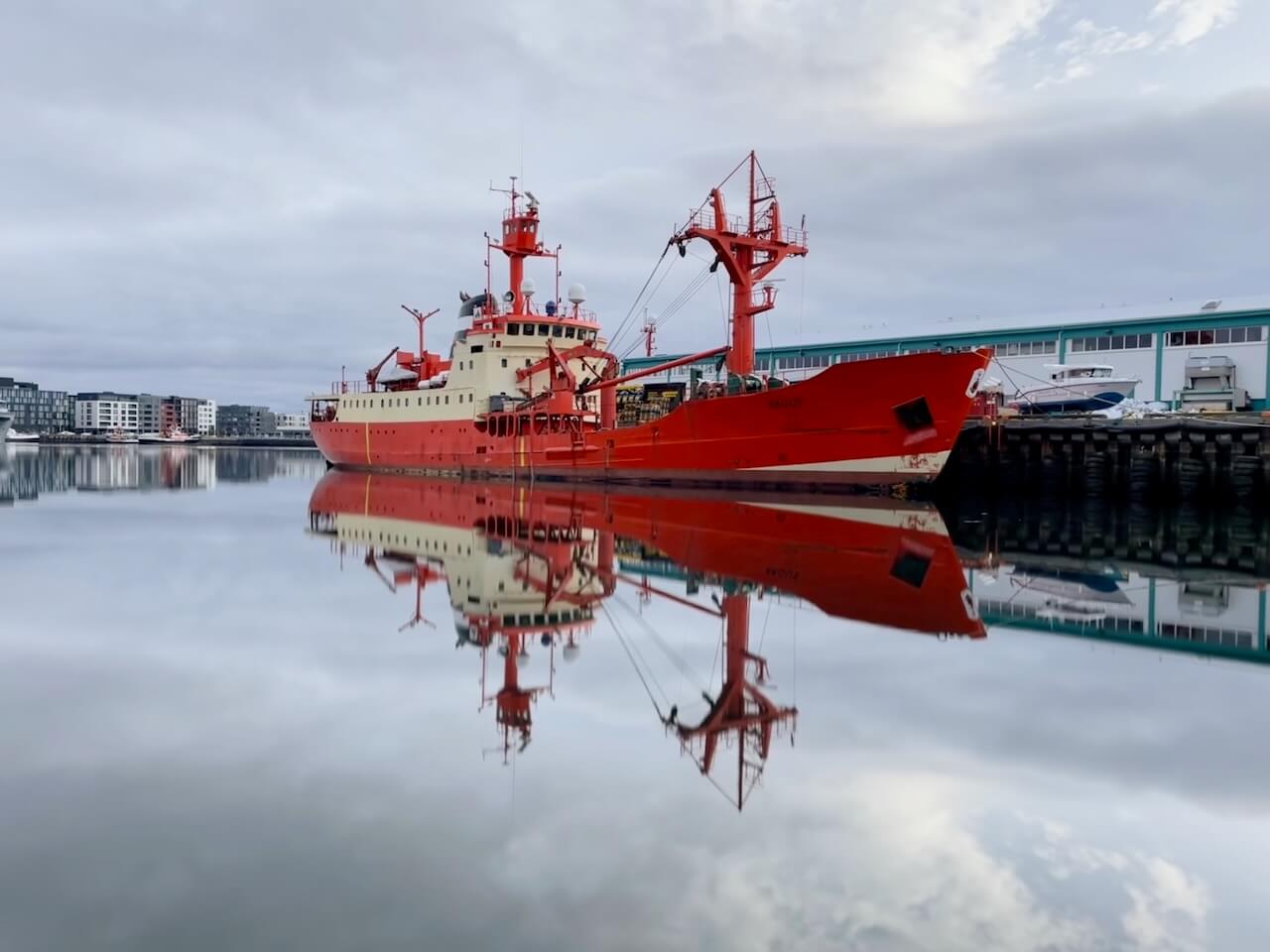
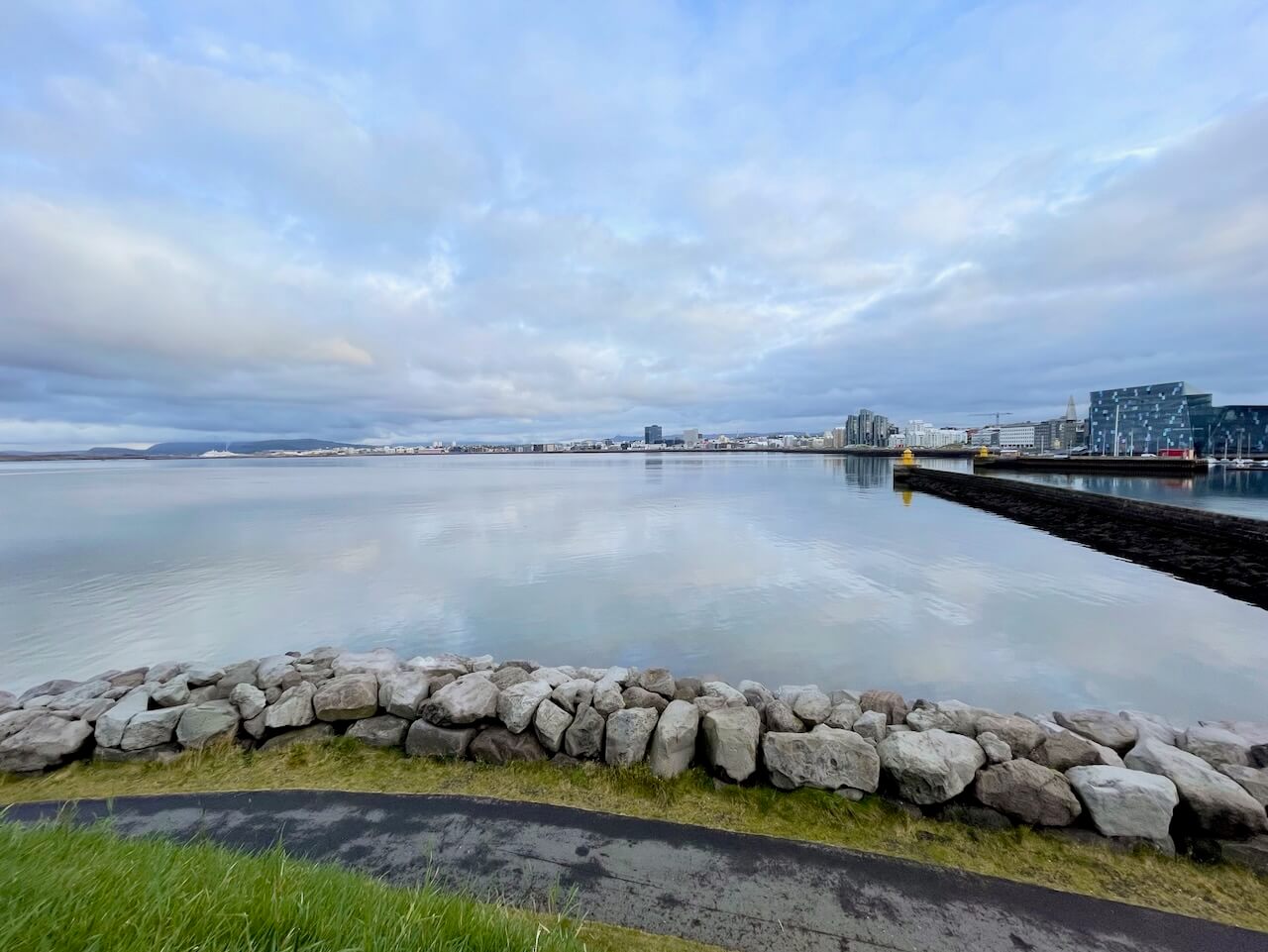
The waterfront was almost suspiciously calm. The sea lay flat and reflective, boats resting in the harbor like they were meditating. No crashing waves. No dramatic spray. Just a smooth North Atlantic surface pretending it was completely harmless. Walking along the water, you get that quiet sense that something big is out there. Not loud. Not obvious. Just… waiting.

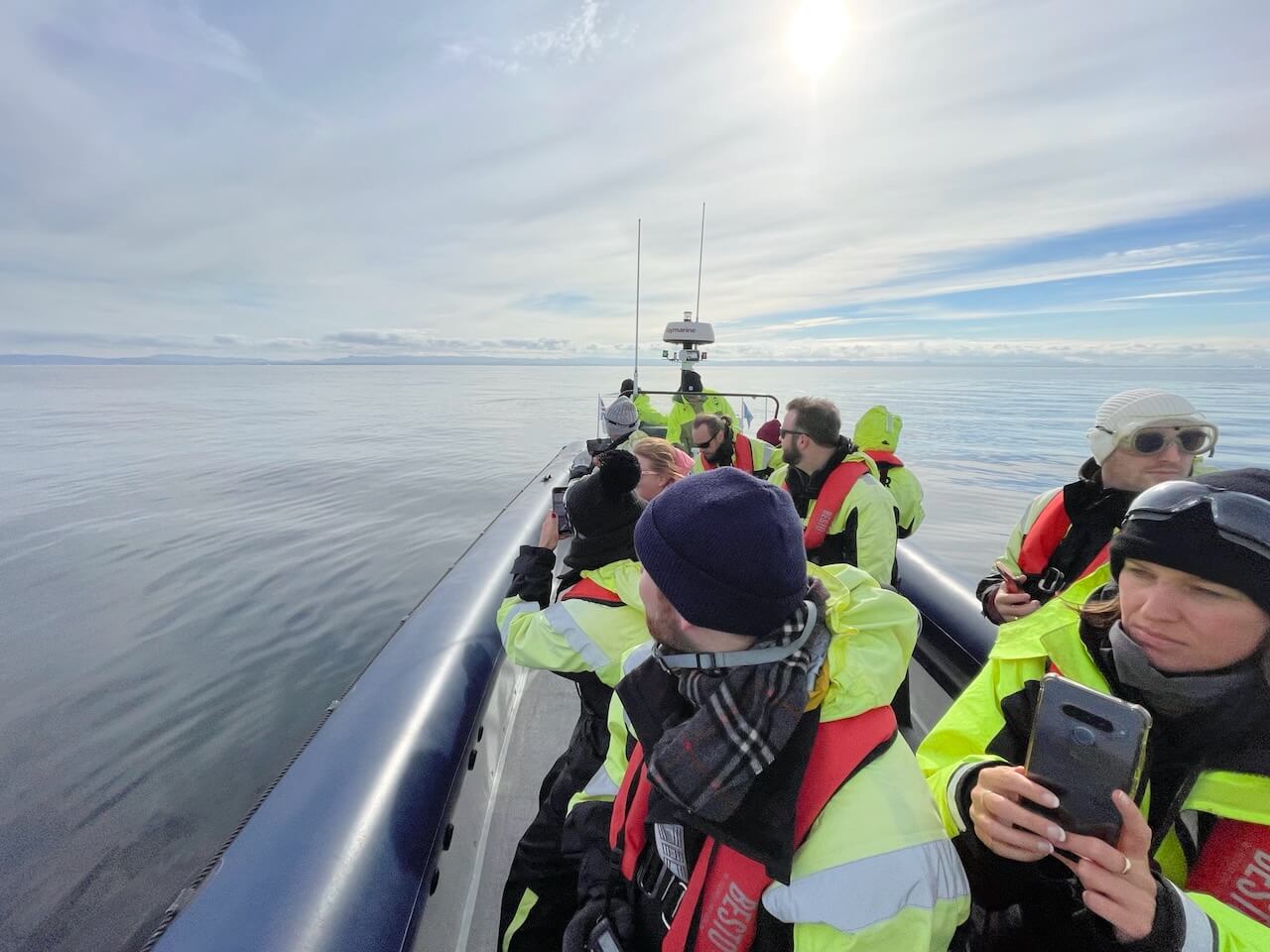
Which is how I ended up zipped into a bright survival suit on a speedboat that looked way too excited about open water. We headed out smoothly — no bouncing chaos, just slicing across glassy sea. Reykjavik shrank behind us, colorful and neat against the mountains. Everyone on board was scanning the horizon like amateur marine biologists with smartphones.

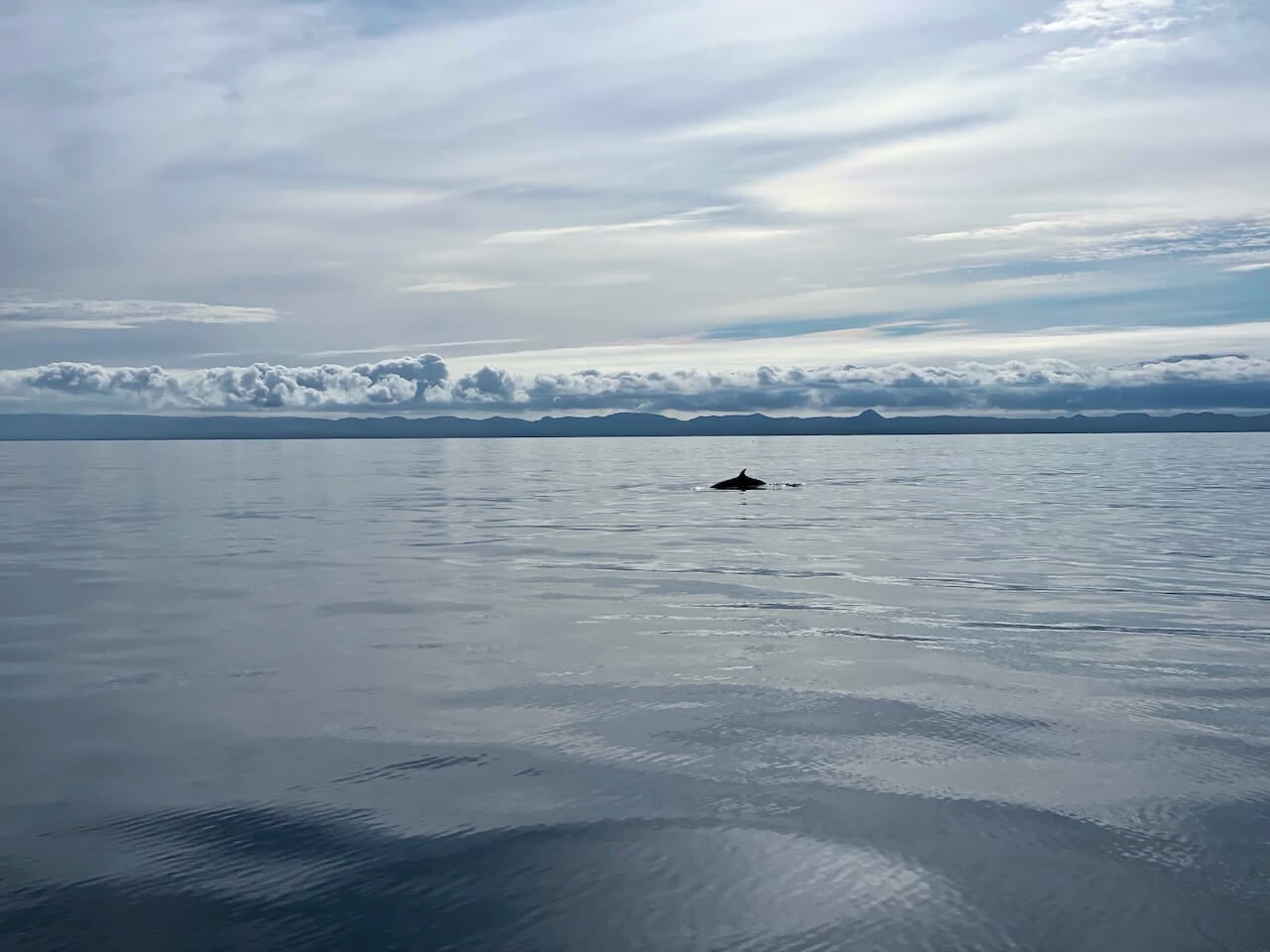
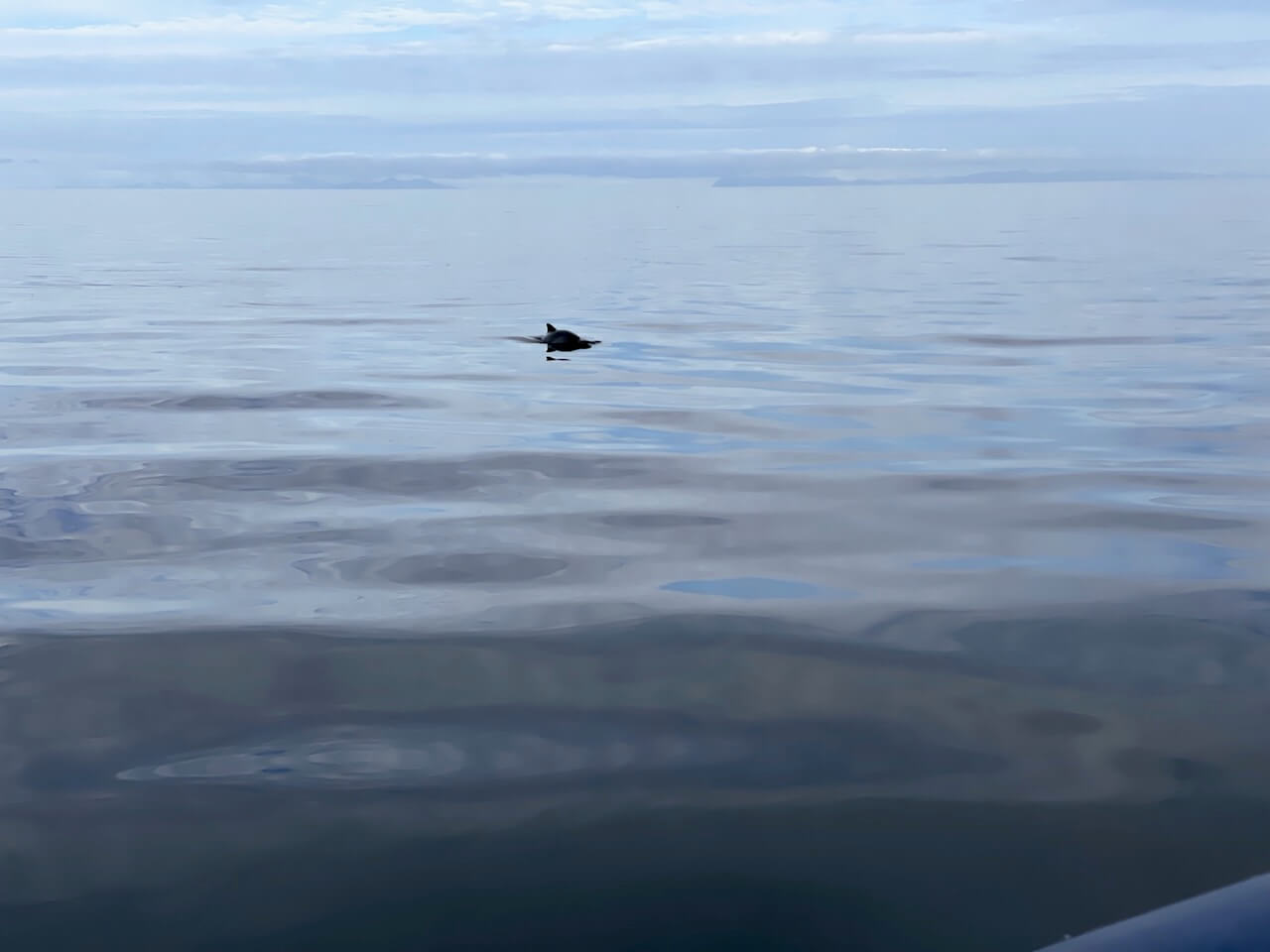
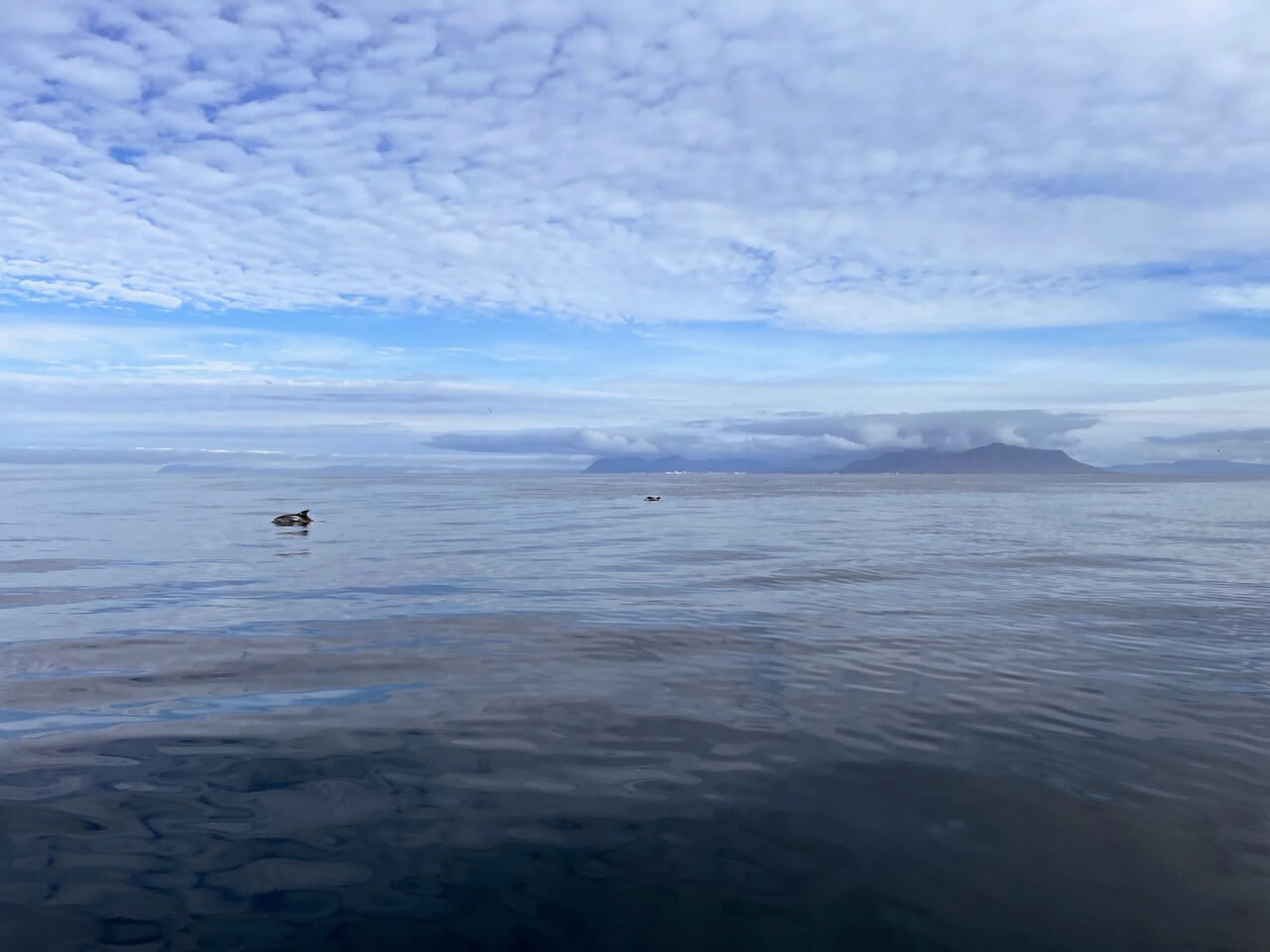
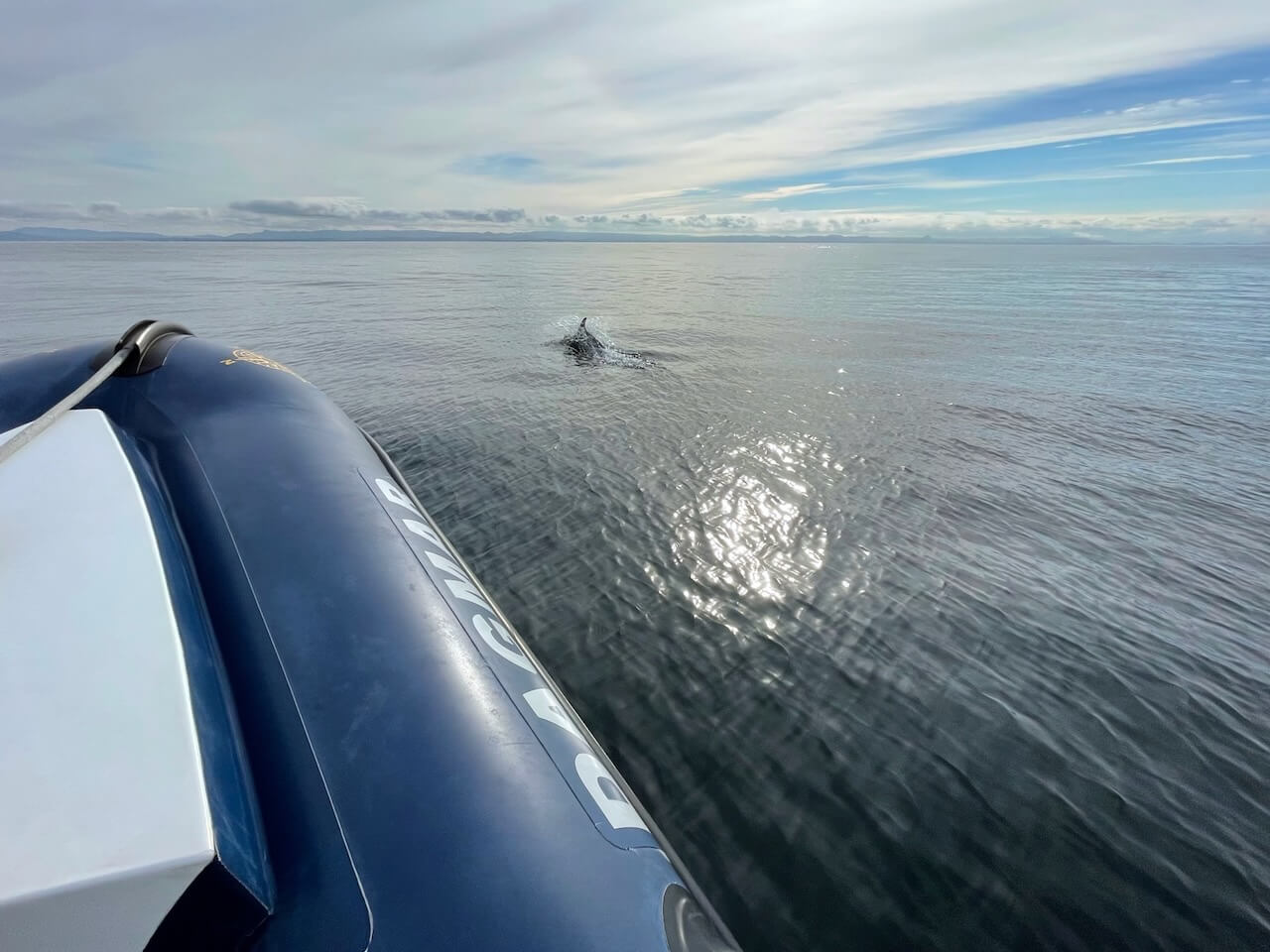
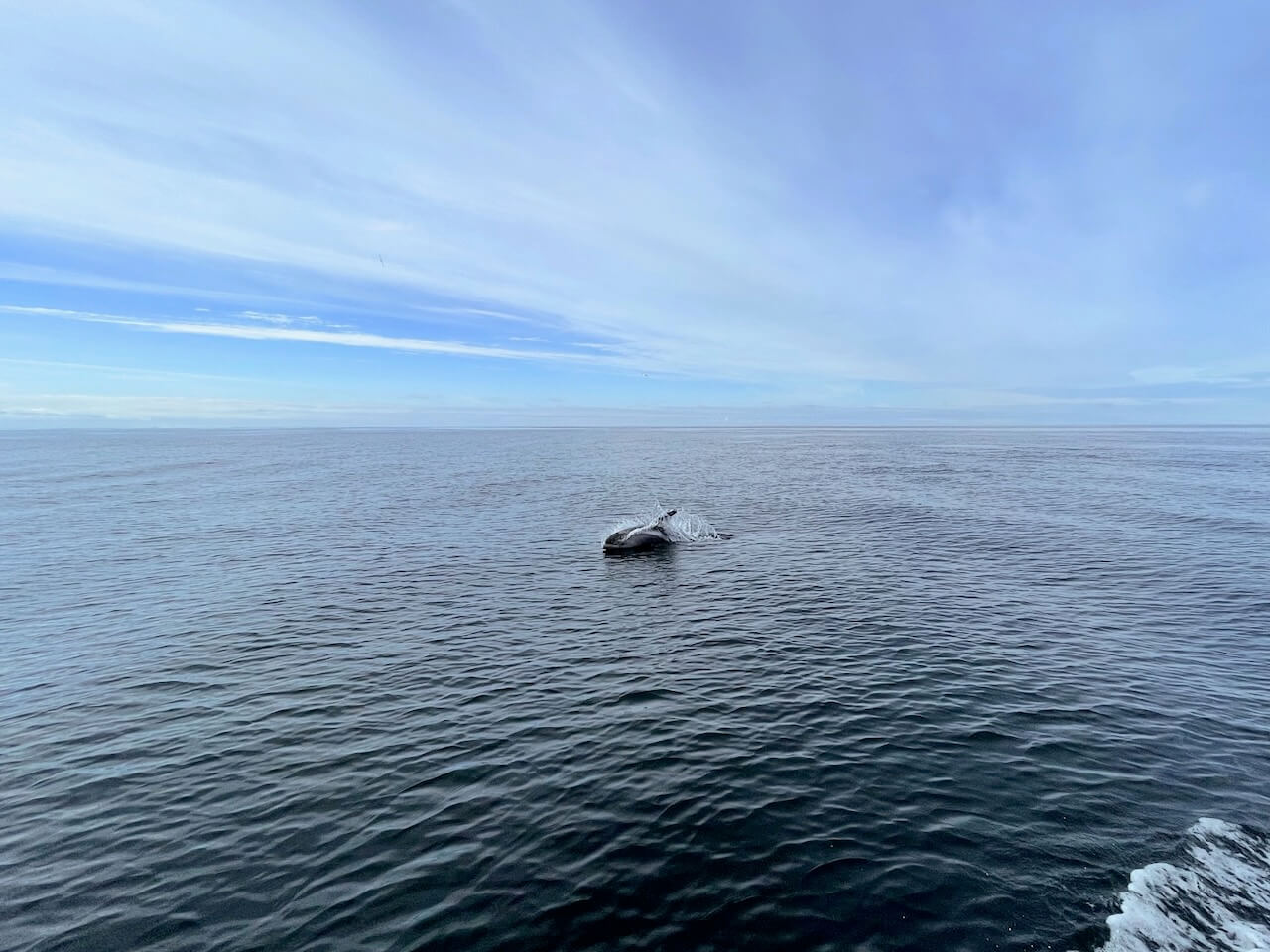
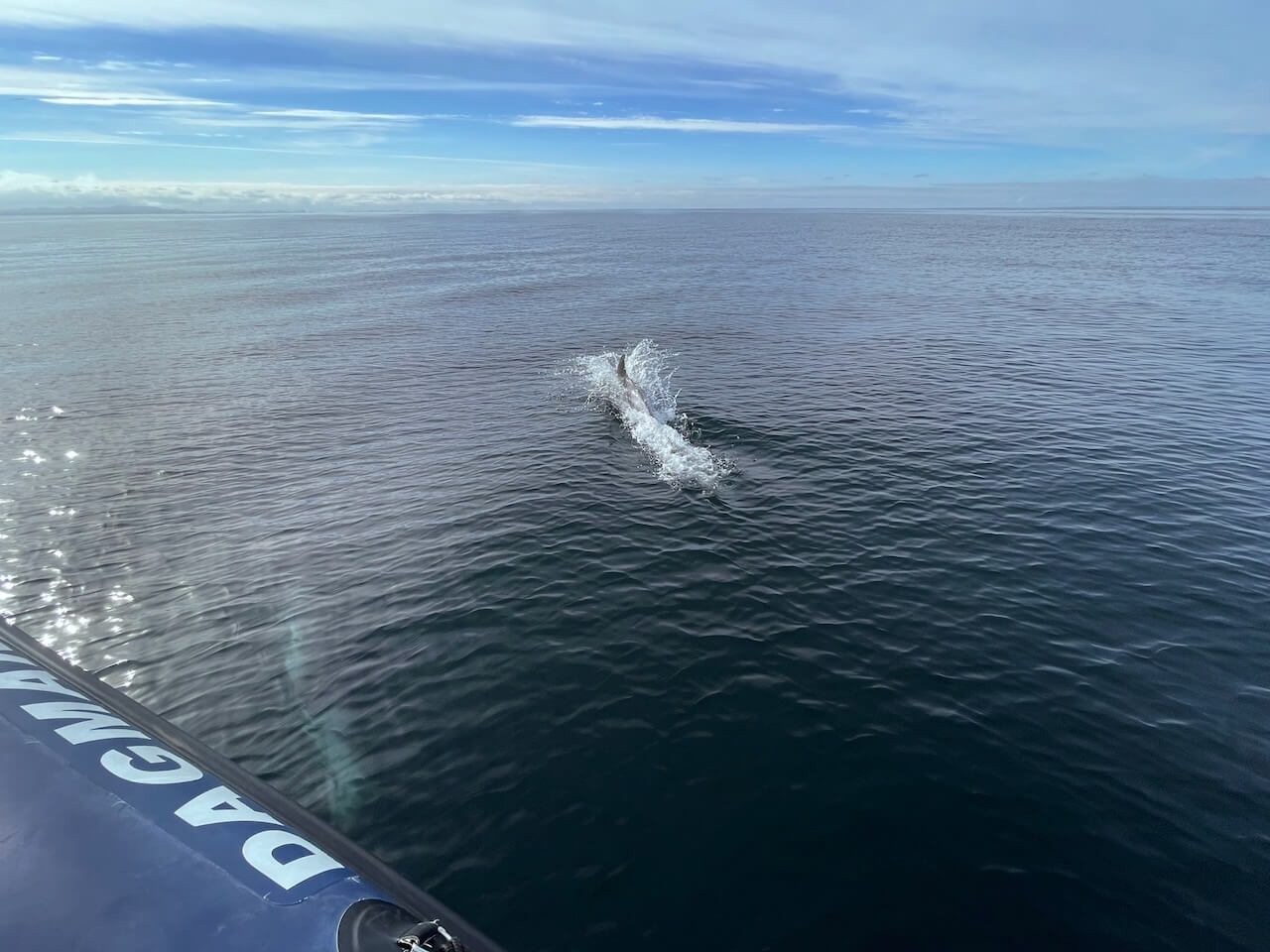
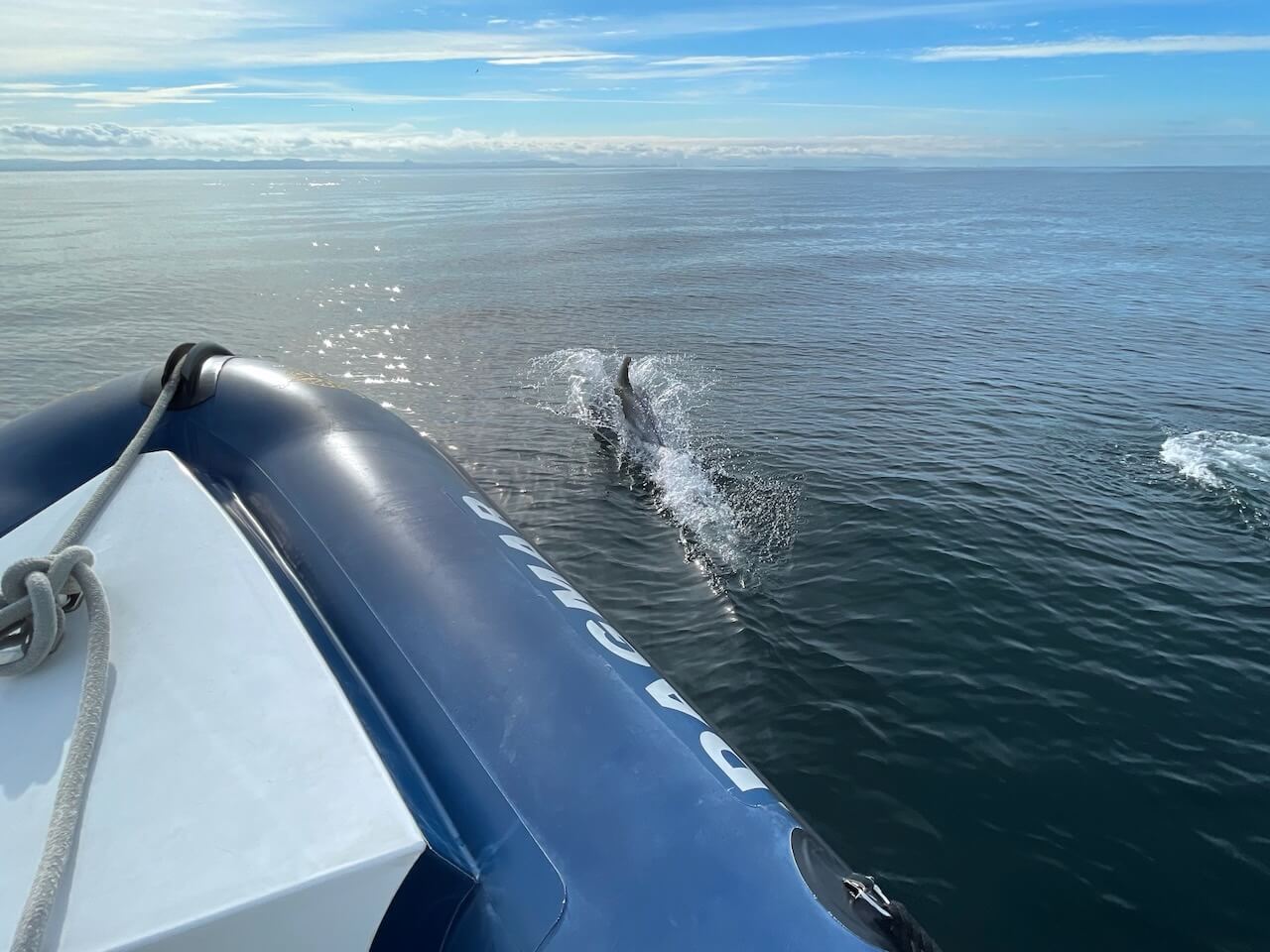
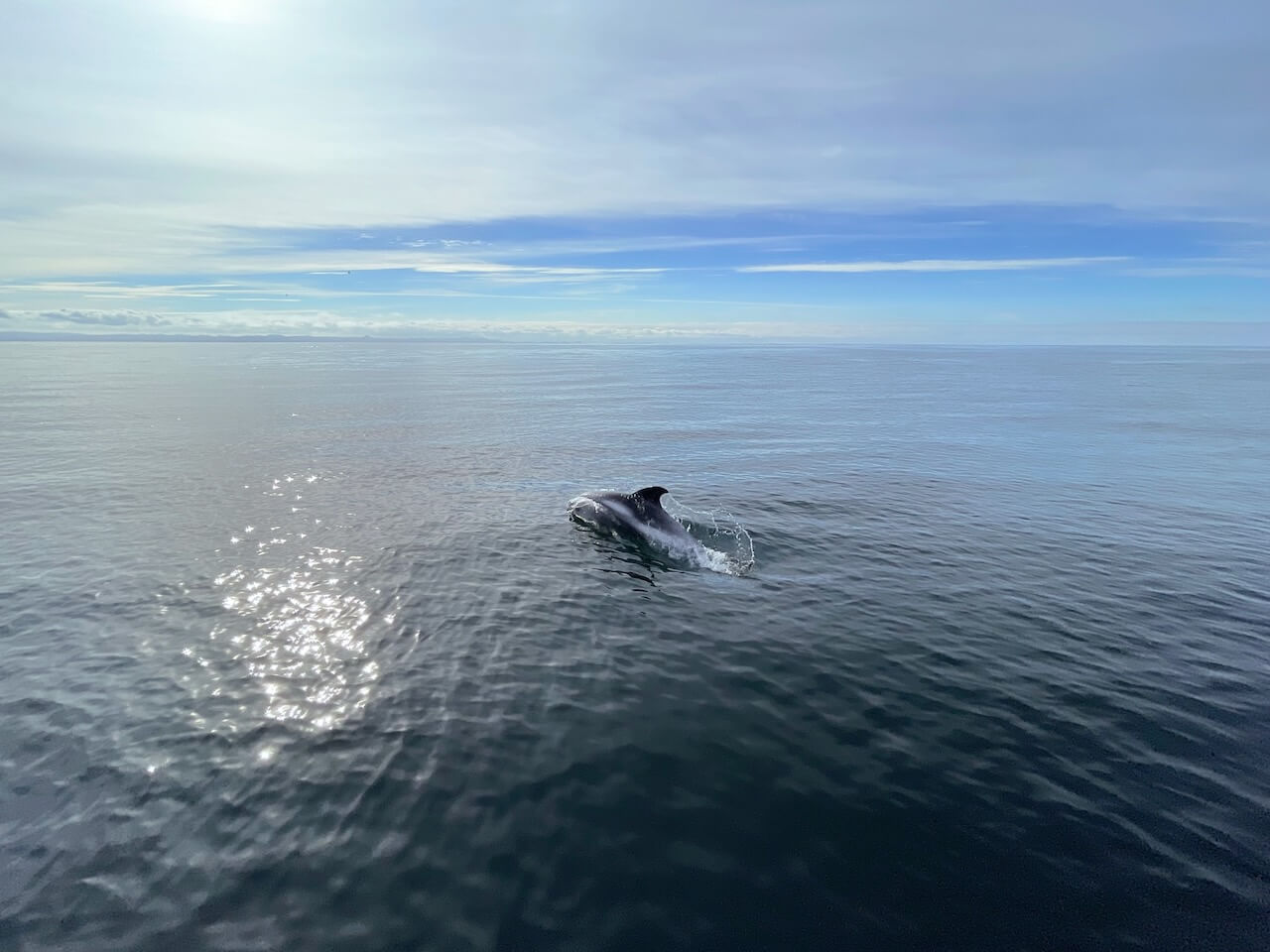
Then it happened. A minke whale surfaced first — sleek, dark, subtle. It rolled through the water like it had somewhere important to be. Not flashy. Just efficient. A few minutes later, white-beaked dolphins appeared, playful and fast, riding alongside the boat as if we were part of their daily commute. They twisted and darted through the wake, clearly showing off.
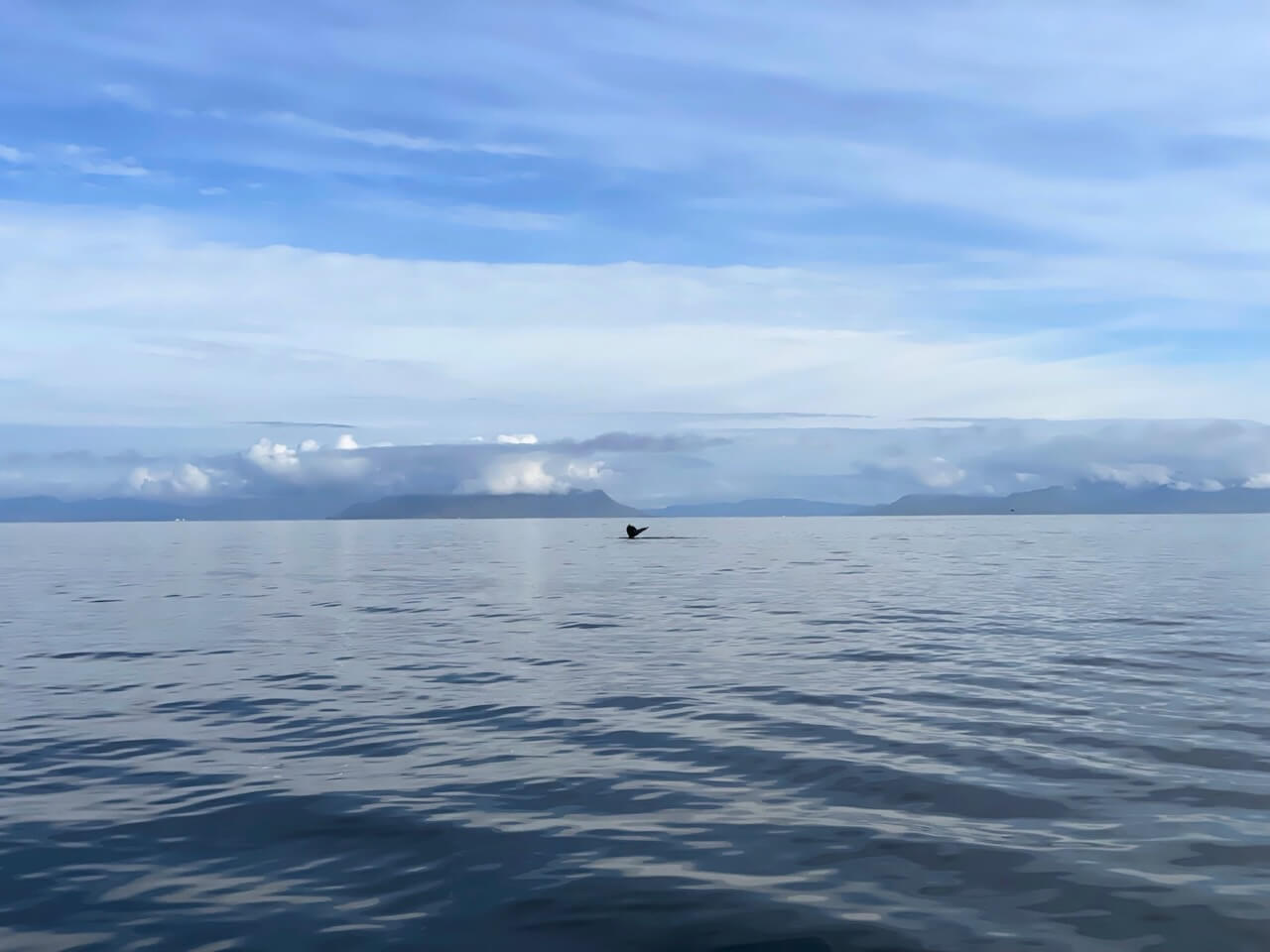
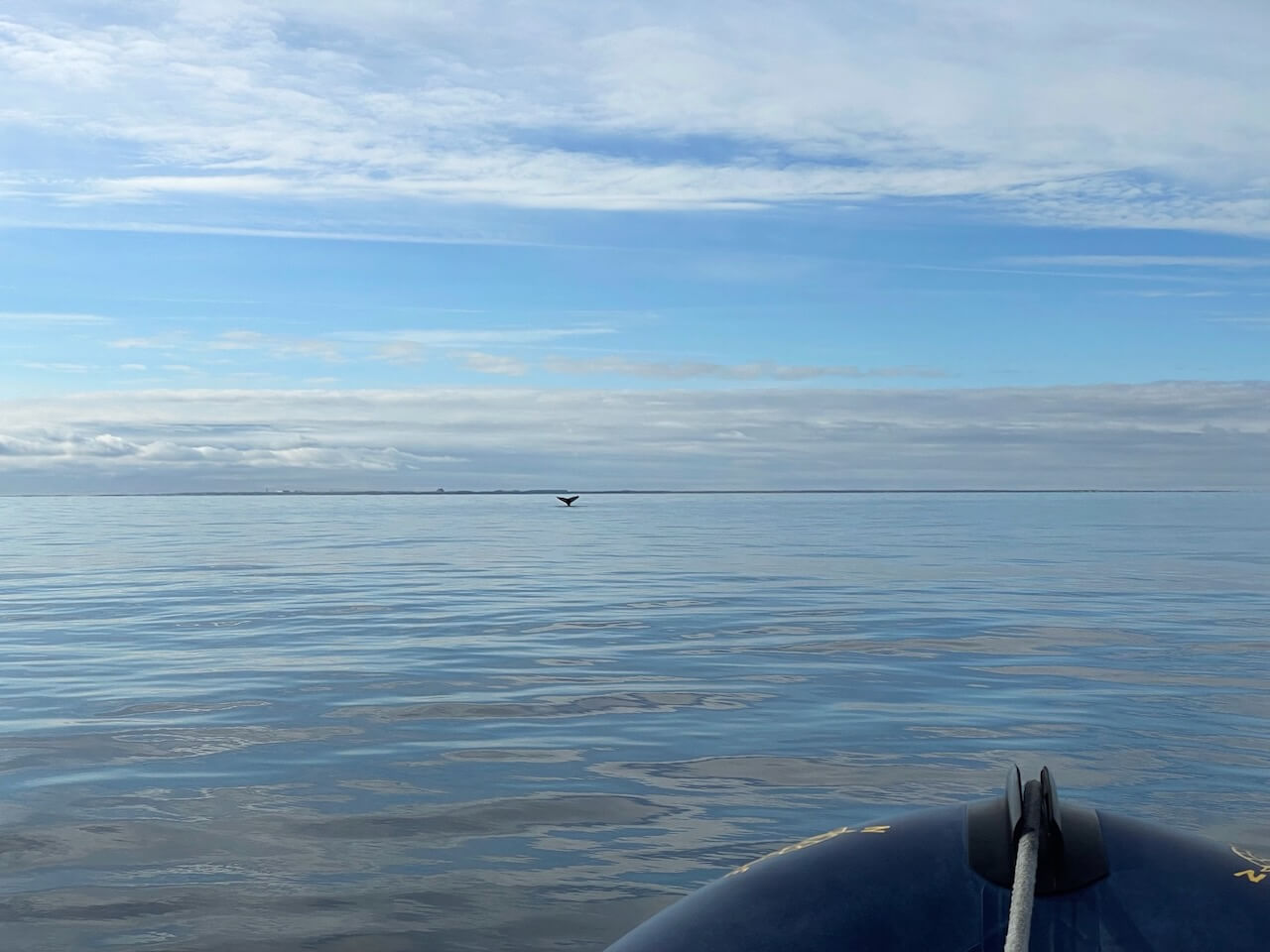
And then came the heavyweight champion: a humpback whale. You could tell immediately from the slow, powerful arch of its back. It surfaced with zero urgency, like it knew we’d been waiting. Water streamed off its skin as it lifted that iconic tail — the dramatic fluke that photographers dream about — and then it slipped back under the surface as calmly as it arrived. No chaos. No splashy Hollywood moment. Just pure, quiet power.

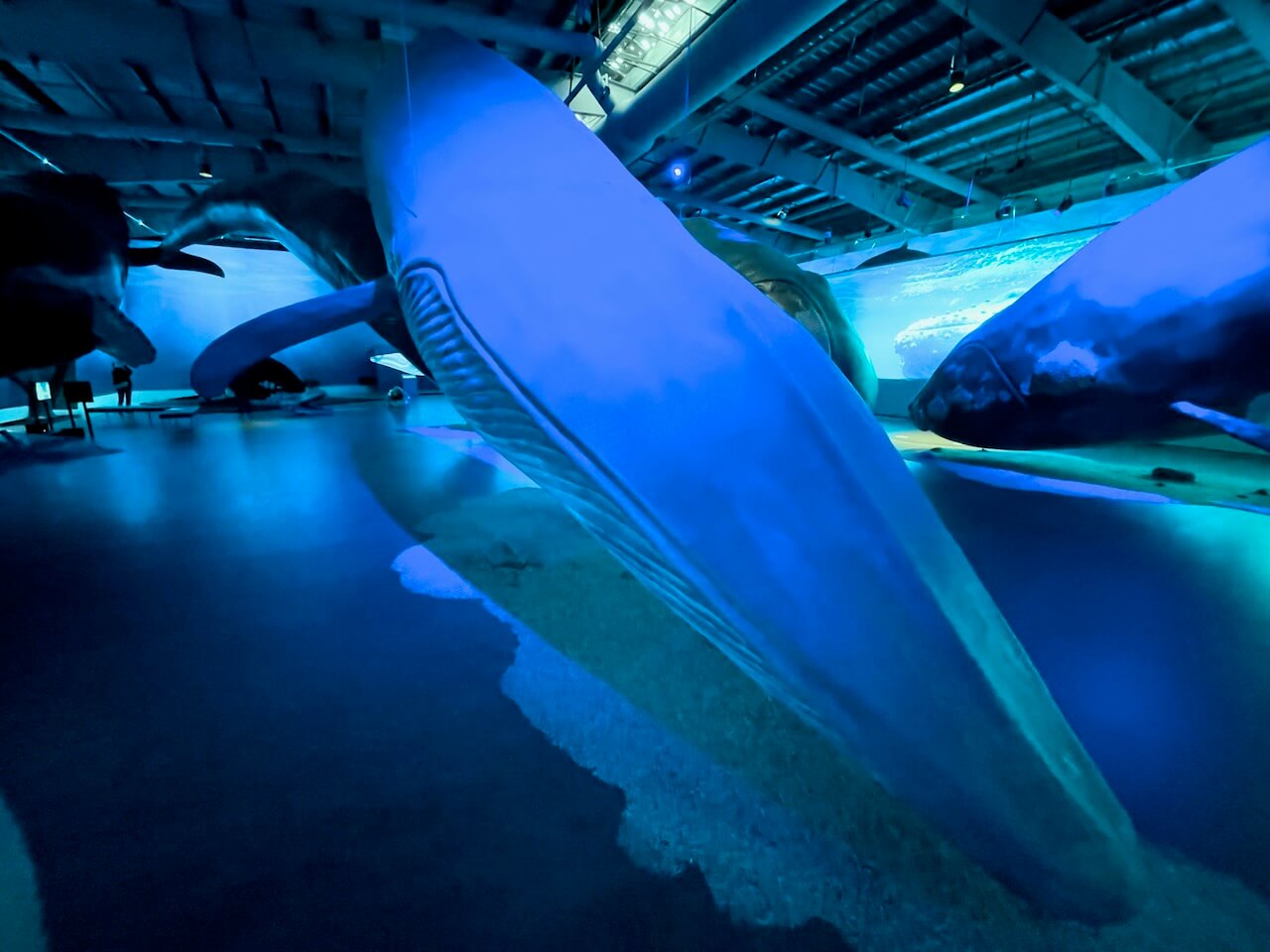
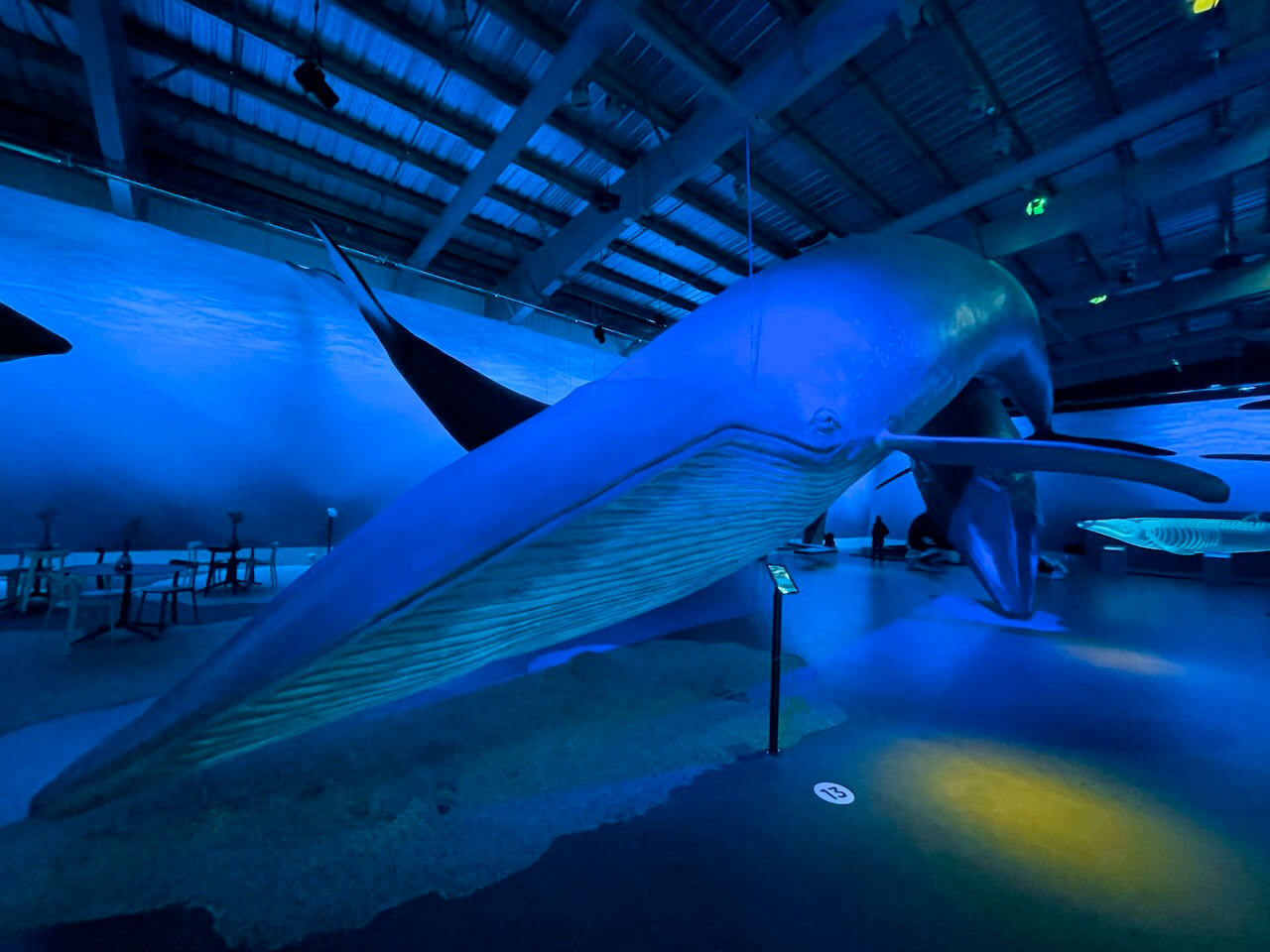
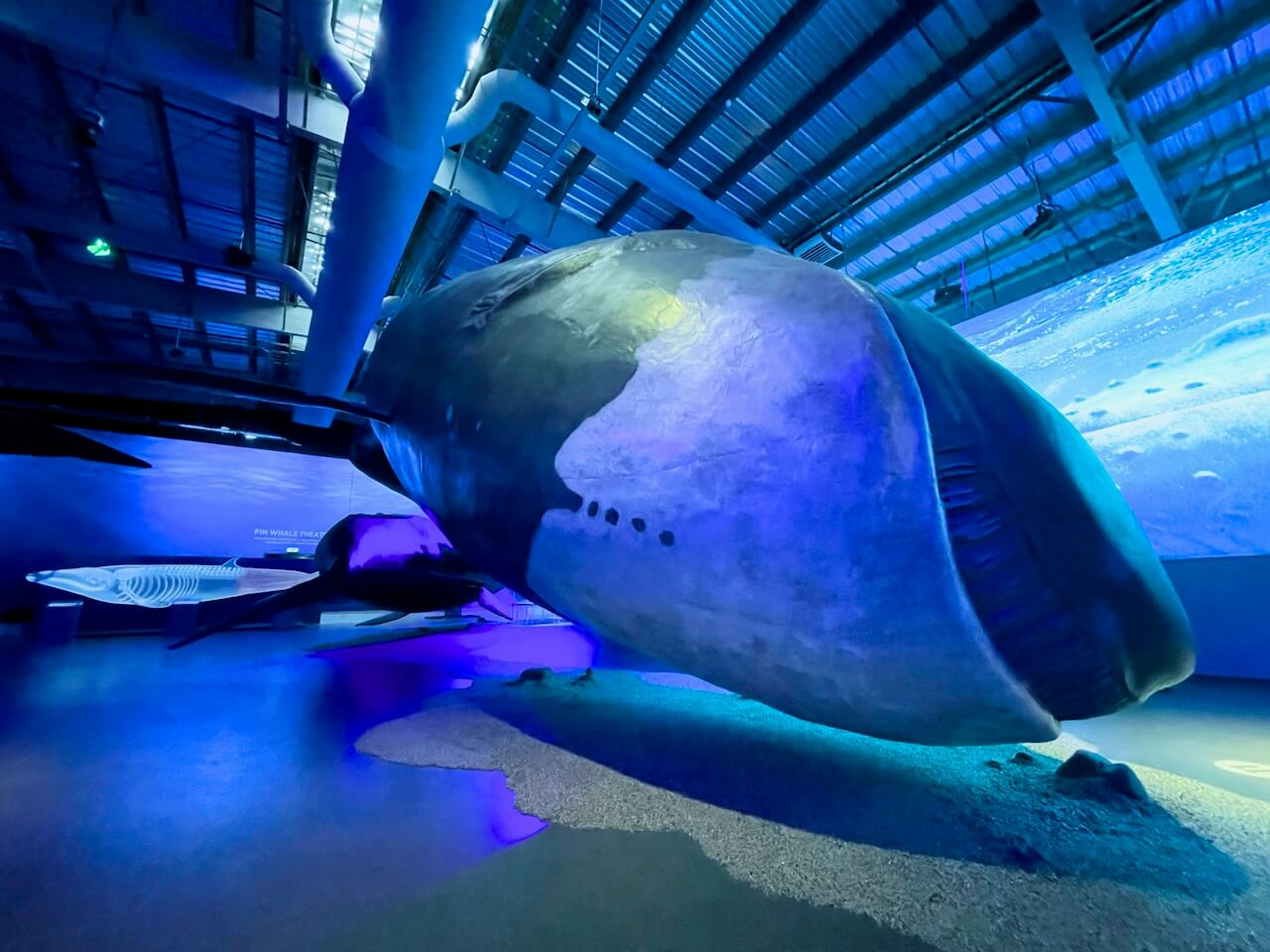
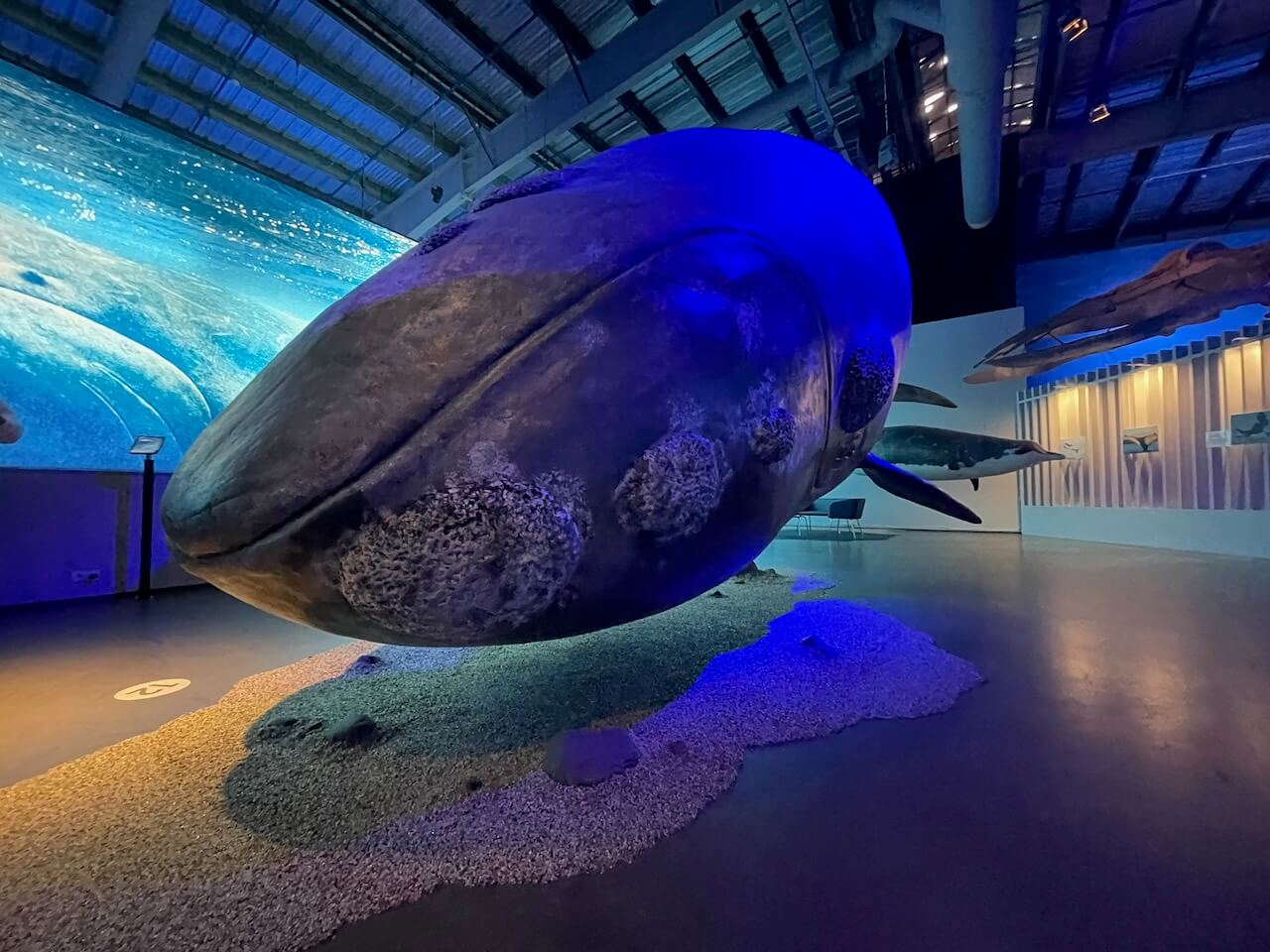
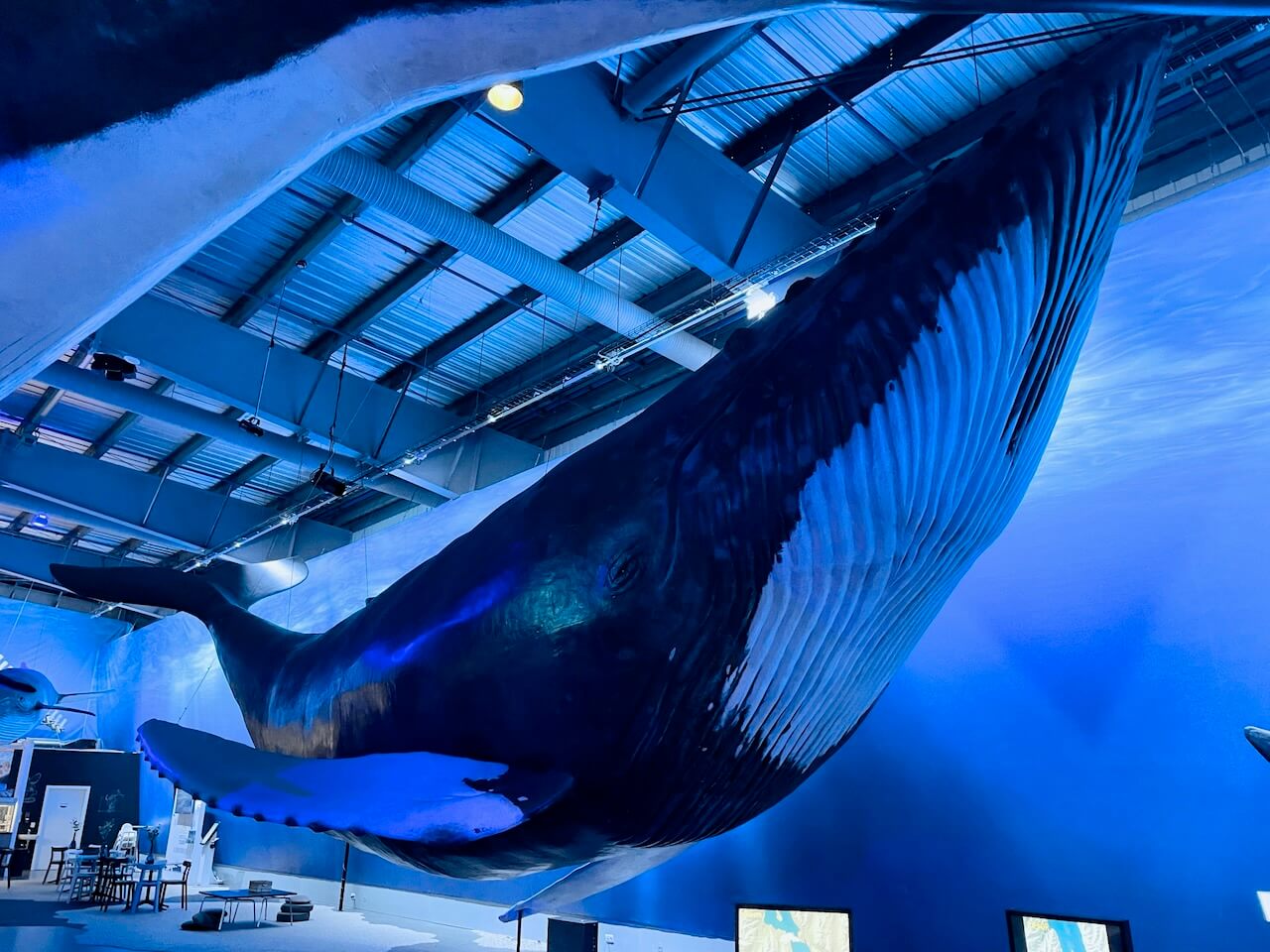
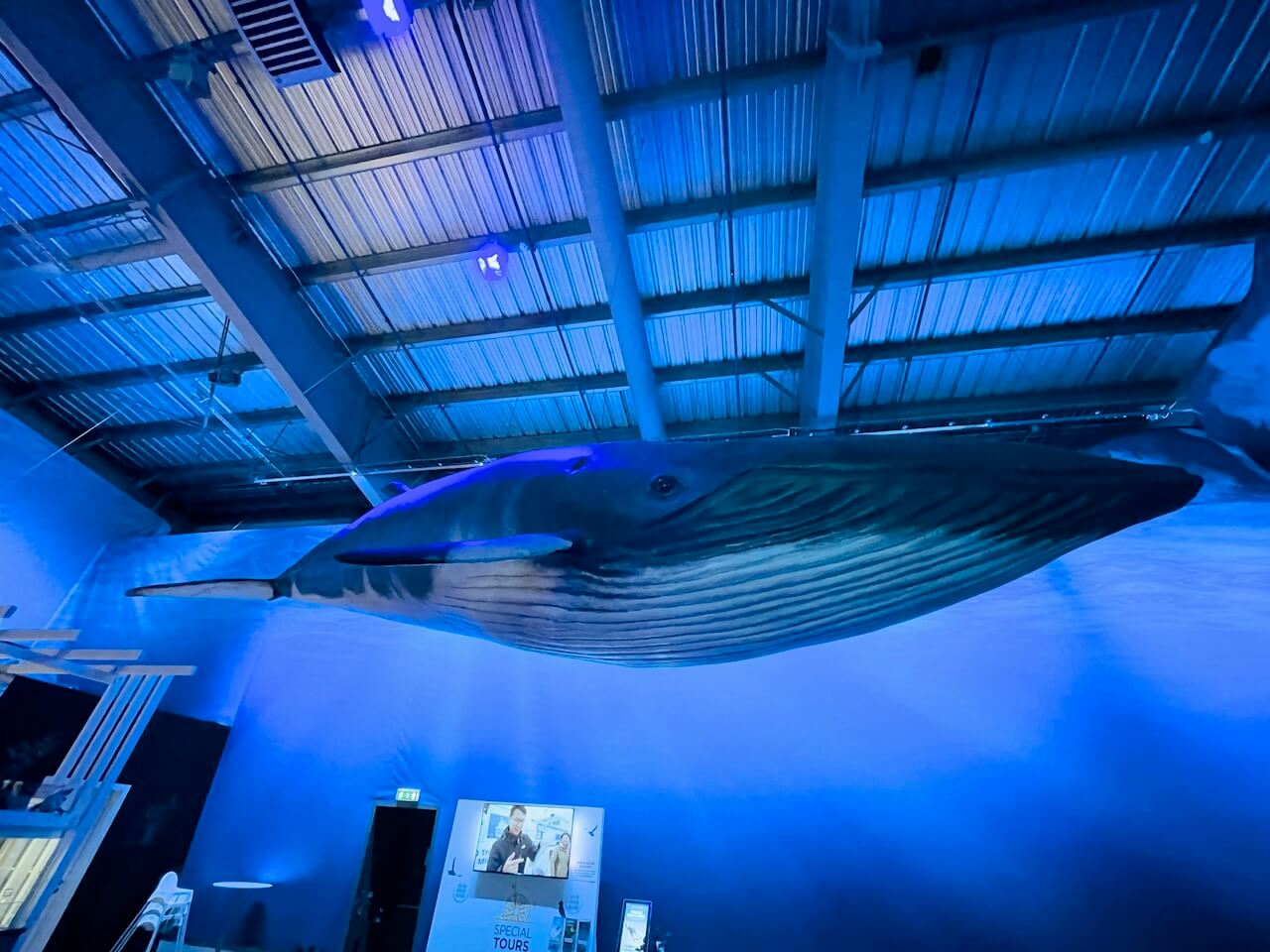
Back on land, the whale exhibition felt like stepping inside the ocean’s memory. Suspended in cool blue light hung a life-sized blue whale model — the largest animal to have ever lived. Standing beneath it is humbling in a way that sneaks up on you. Out on the water, whales feel mysterious and fleeting. In the exhibition, they’re monumental, almost overwhelming. You look up, and your brain struggles to process how something that size moves so gracefully through the sea.

Reykjavik surprised me. No dramatic wind. No battle with the elements. Just calm skies, colorful rooftops, glassy water, and giants surfacing quietly beside our boat. Italy may have cozy harbors, the Netherlands its storybook canals — but Iceland? Iceland keeps its magic just beneath the surface, waiting for you to notice.

A Serious Case of Brick Obsession: One Day in Legoland Billund

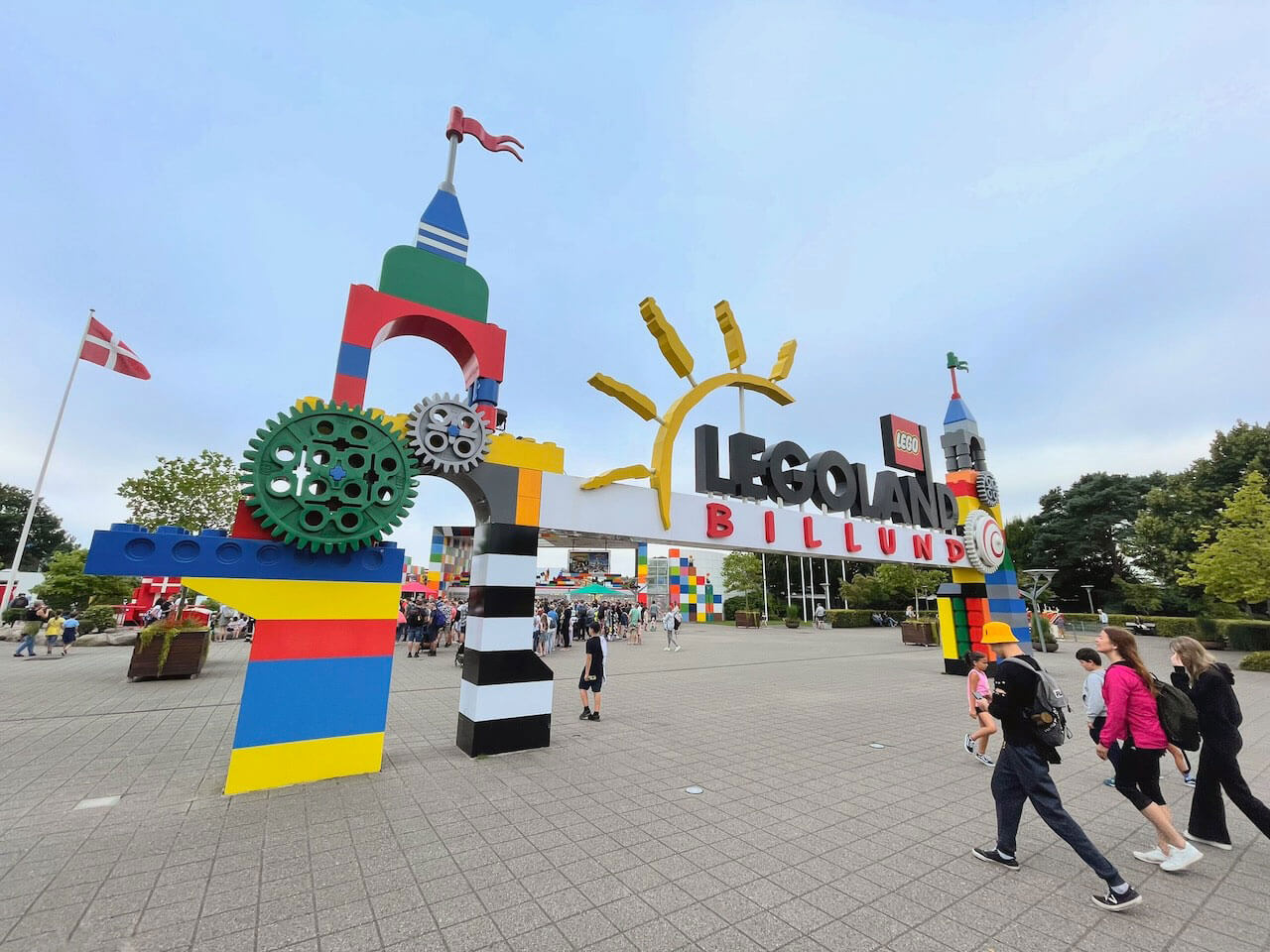
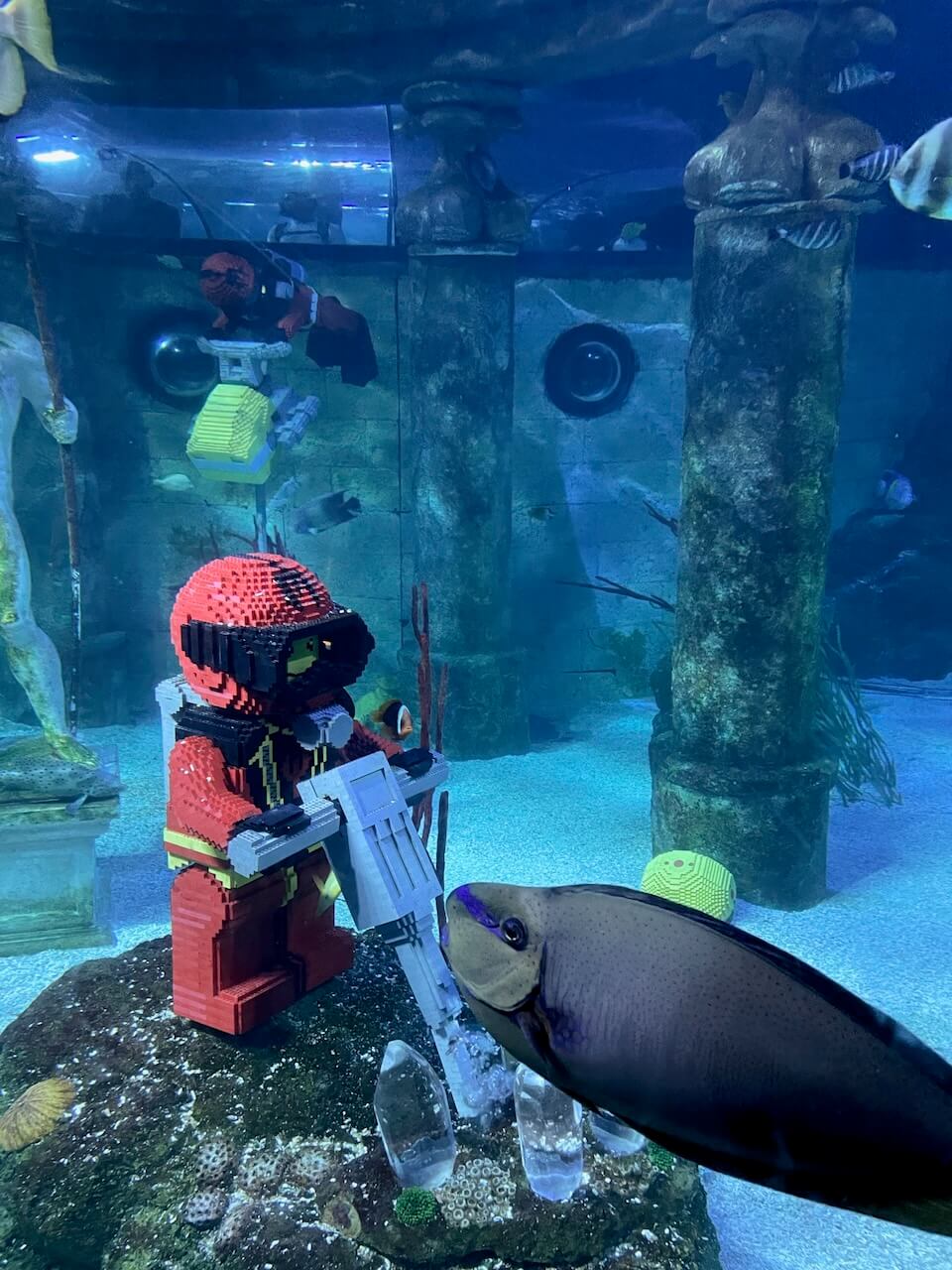
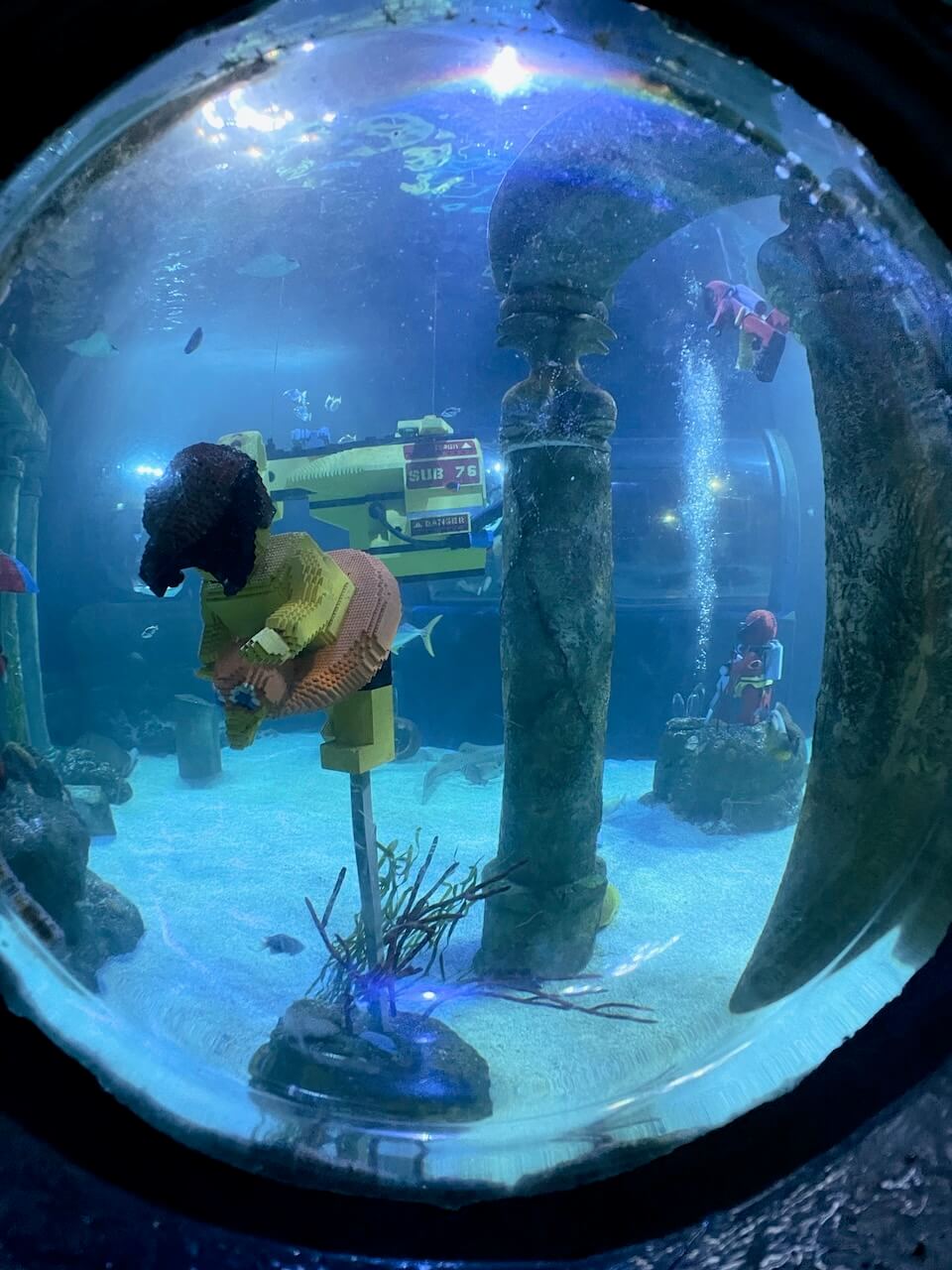
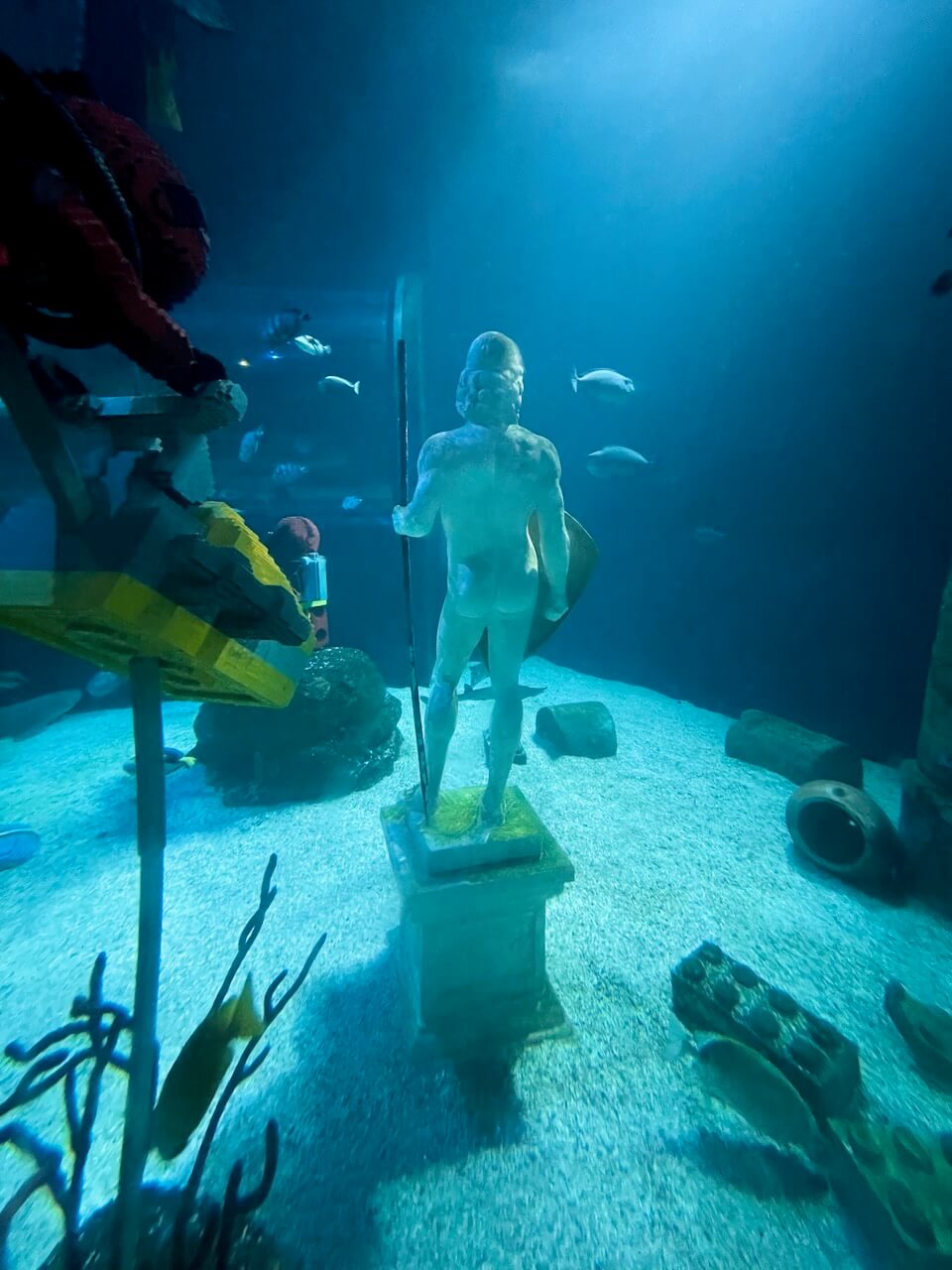
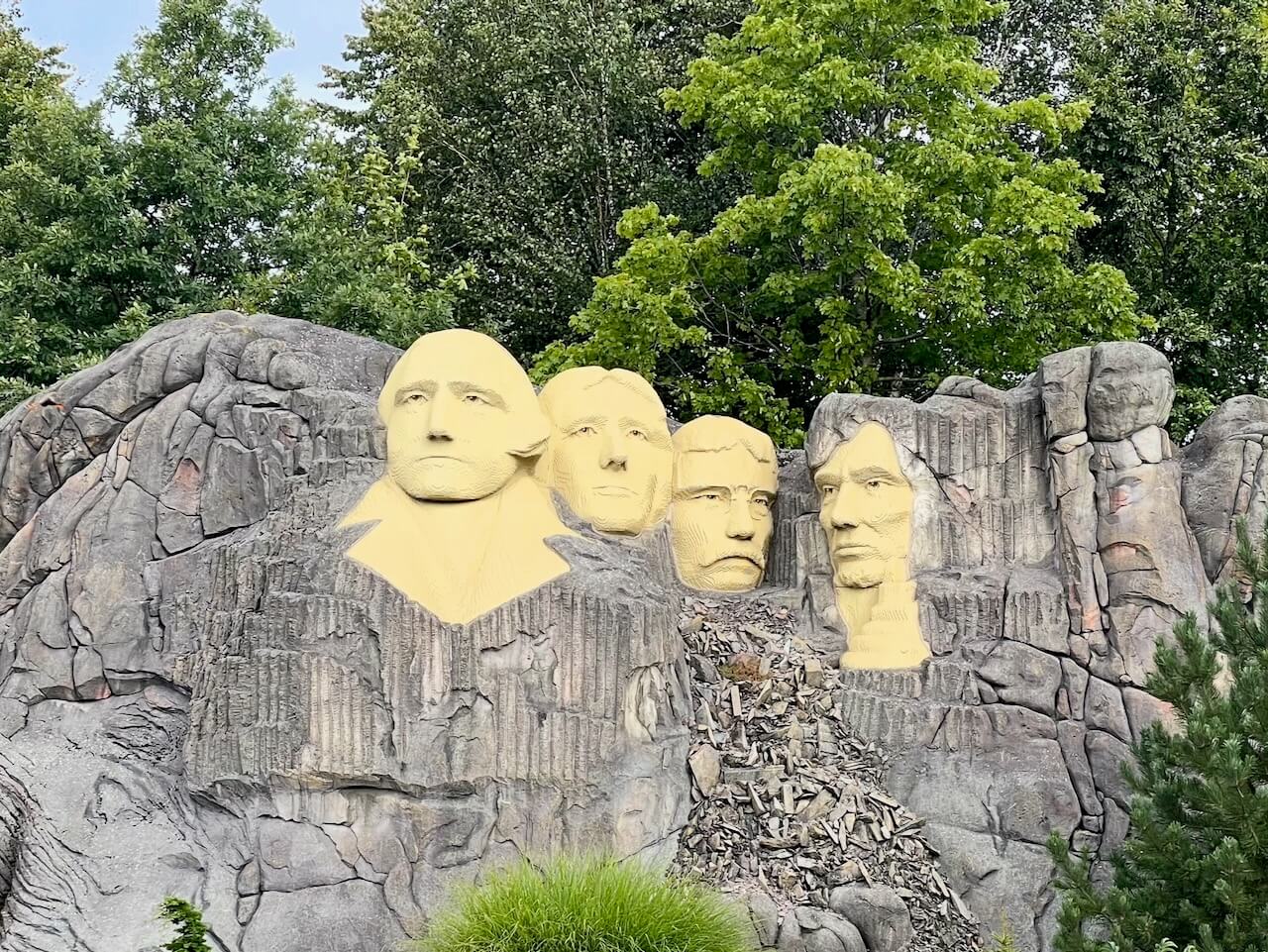
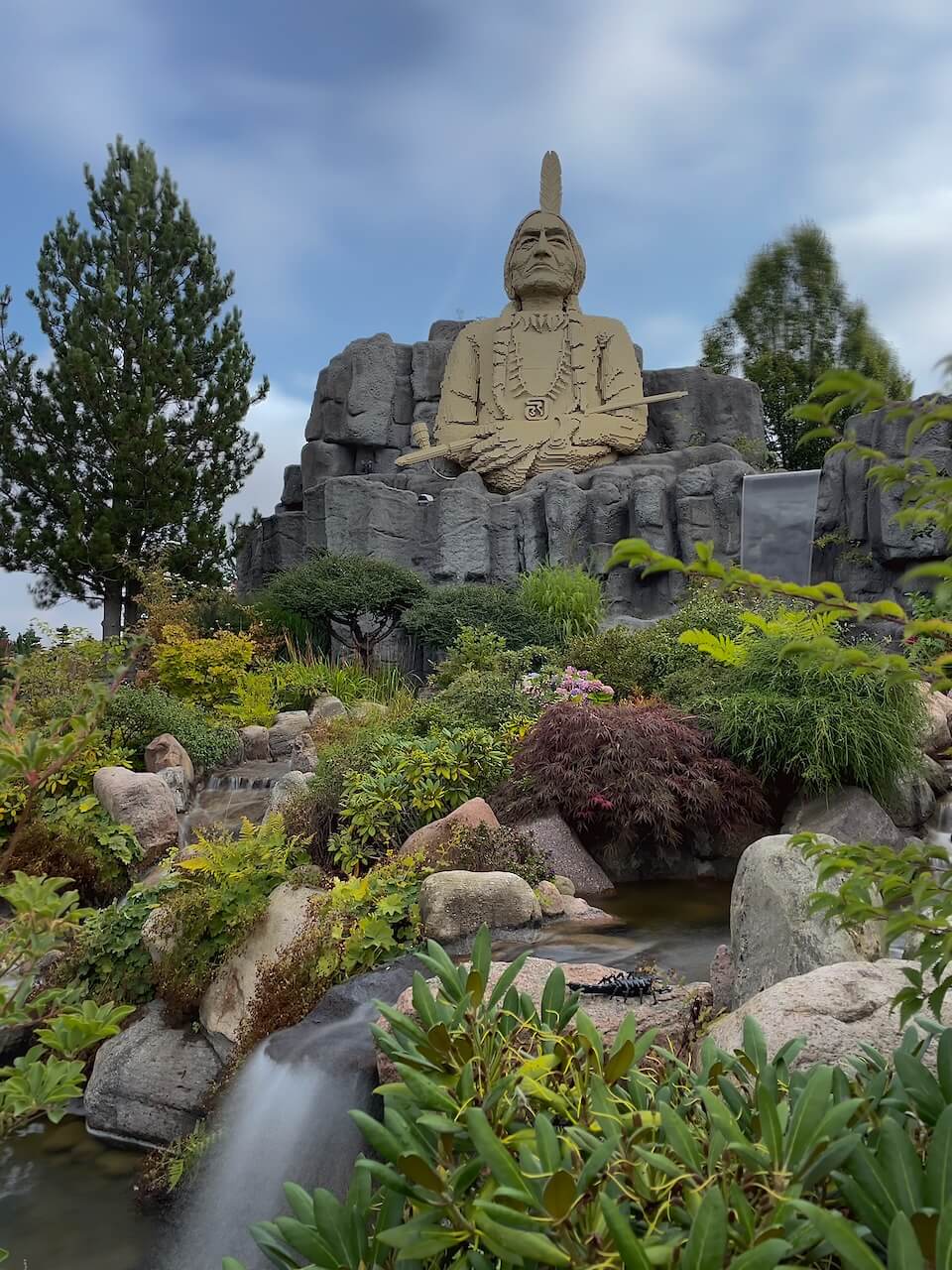
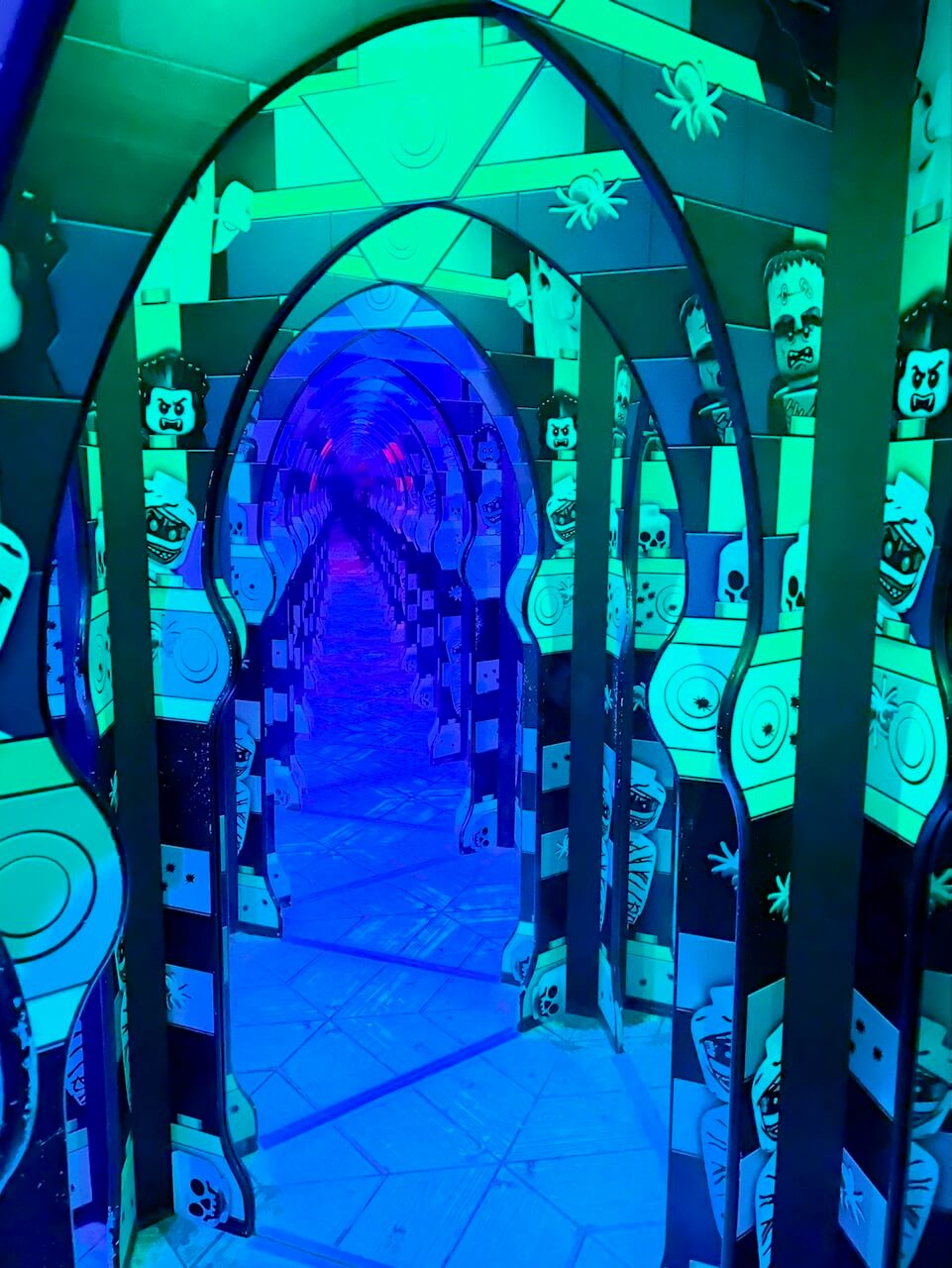
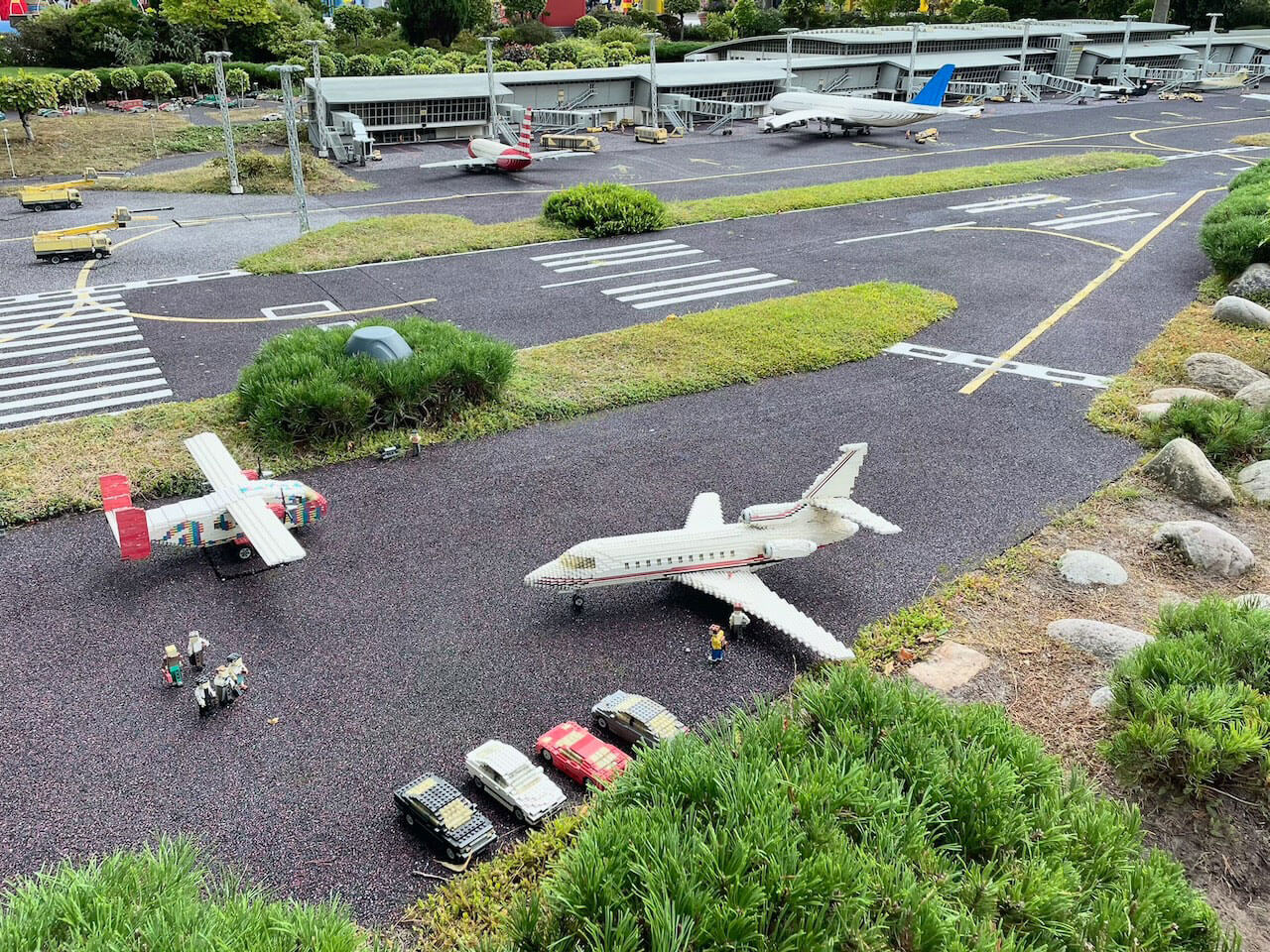
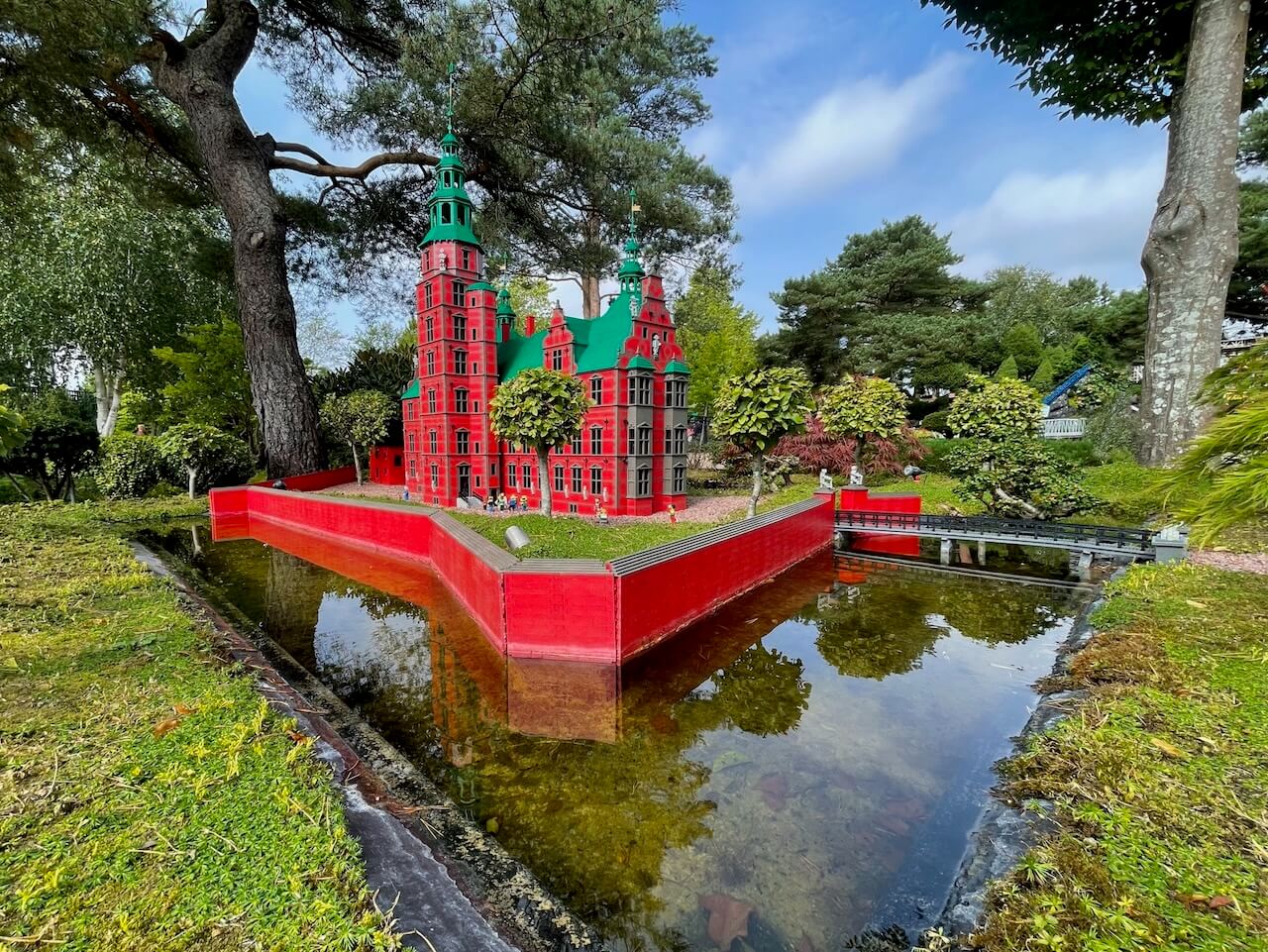
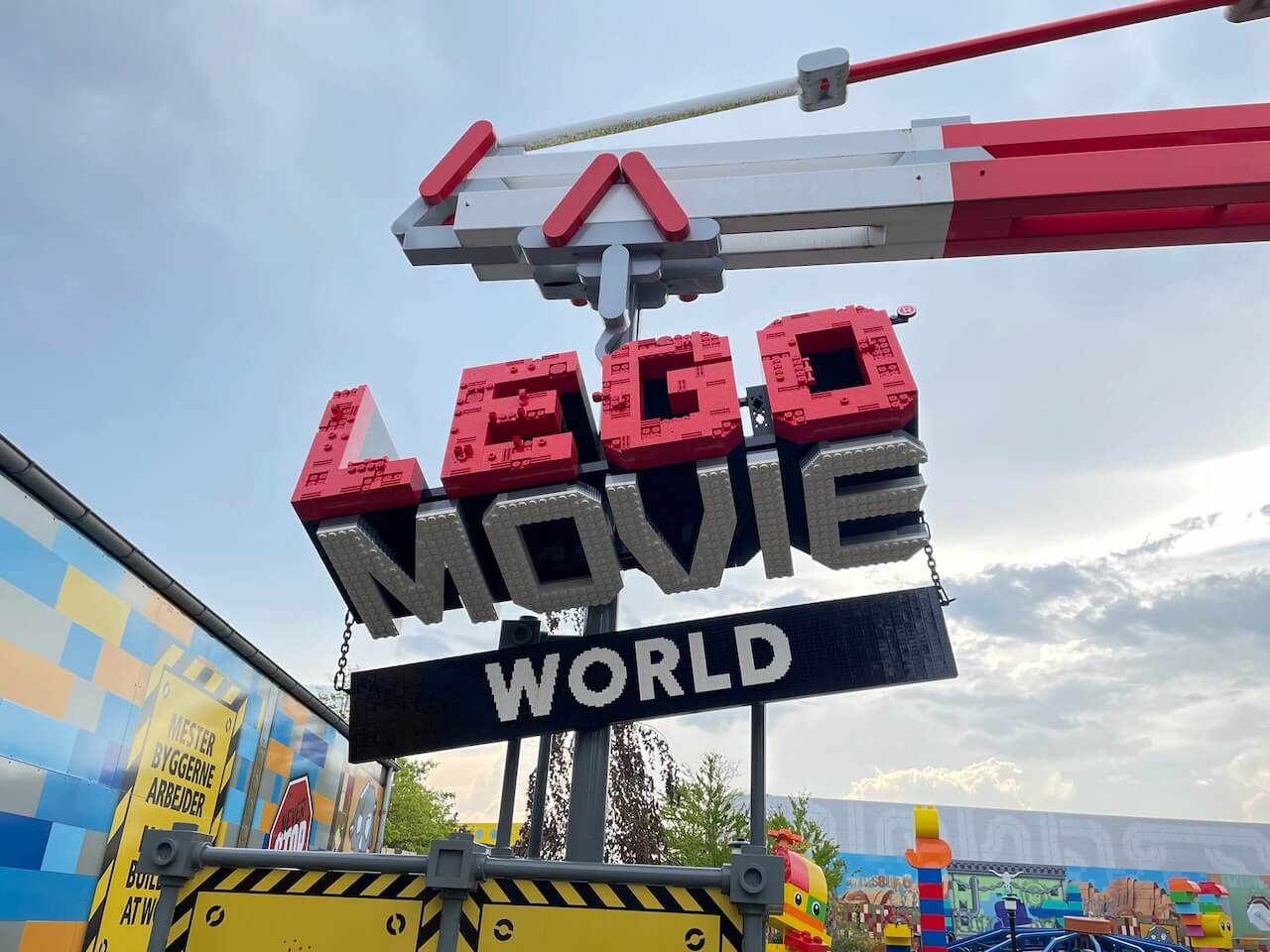
Billund has a sneaky way of rewiring your brain. You walk into Legoland thinking you’re a responsible adult supervising children, and five minutes later you’re emotionally invested in a LEGO airplane taxiing to a microscopic terminal. The kids sprinted ahead like they’d been summoned by destiny, while I followed, pretending not to gasp at the entrance gate like it was the eighth wonder of the world. Somewhere between the colors, the music, and the sheer audacity of building everything out of bricks, adulthood quietly clocked out.

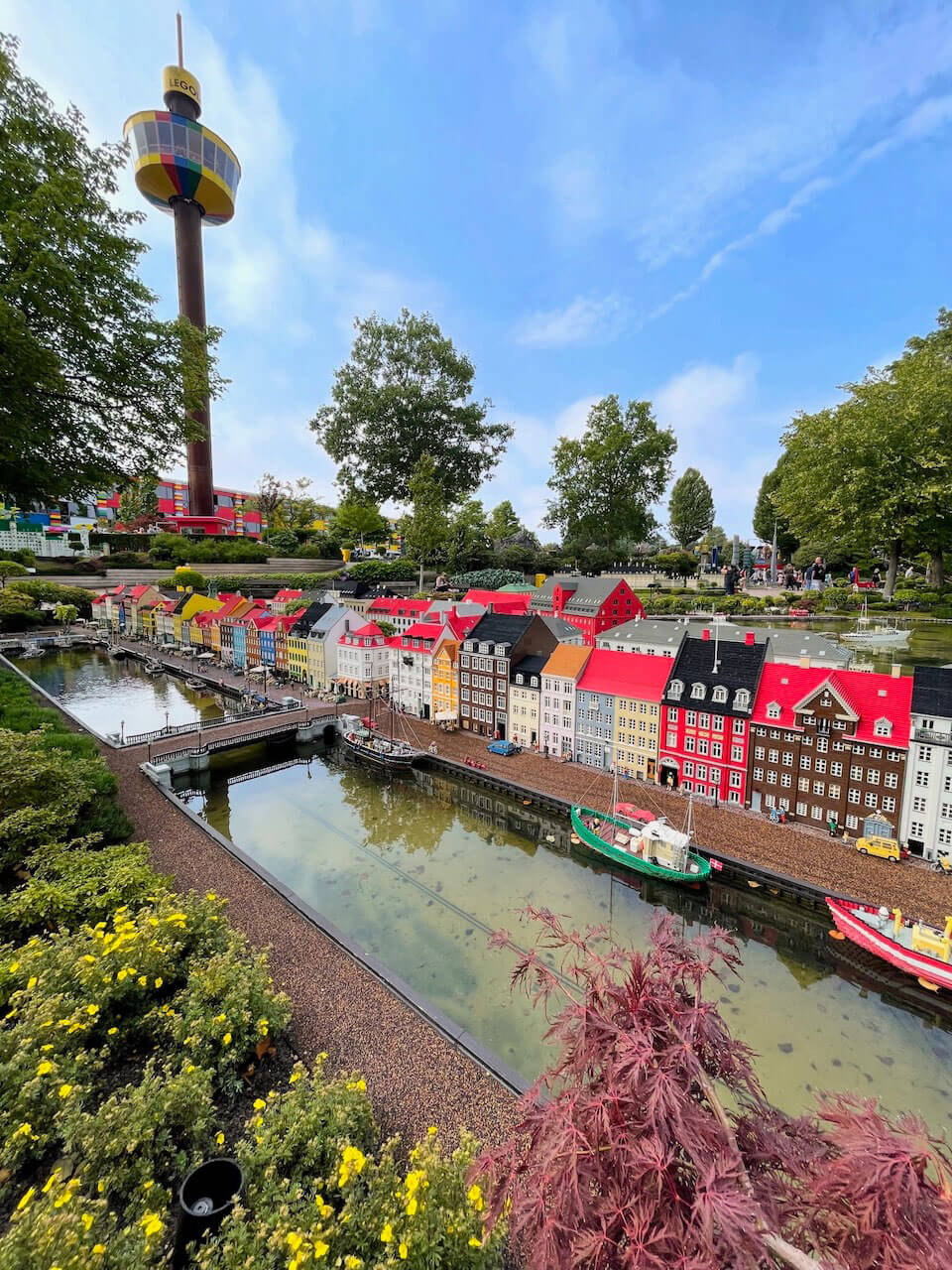
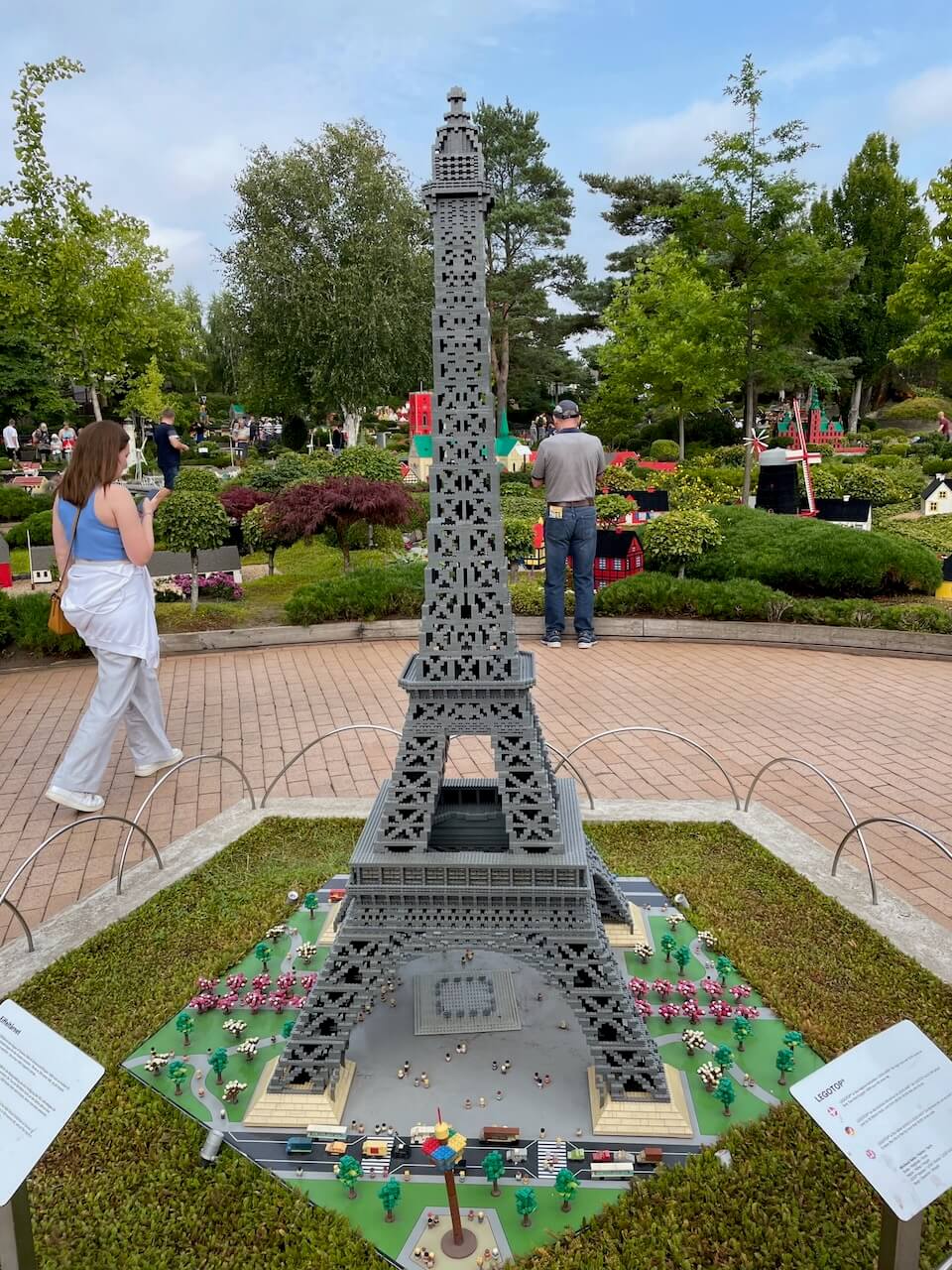
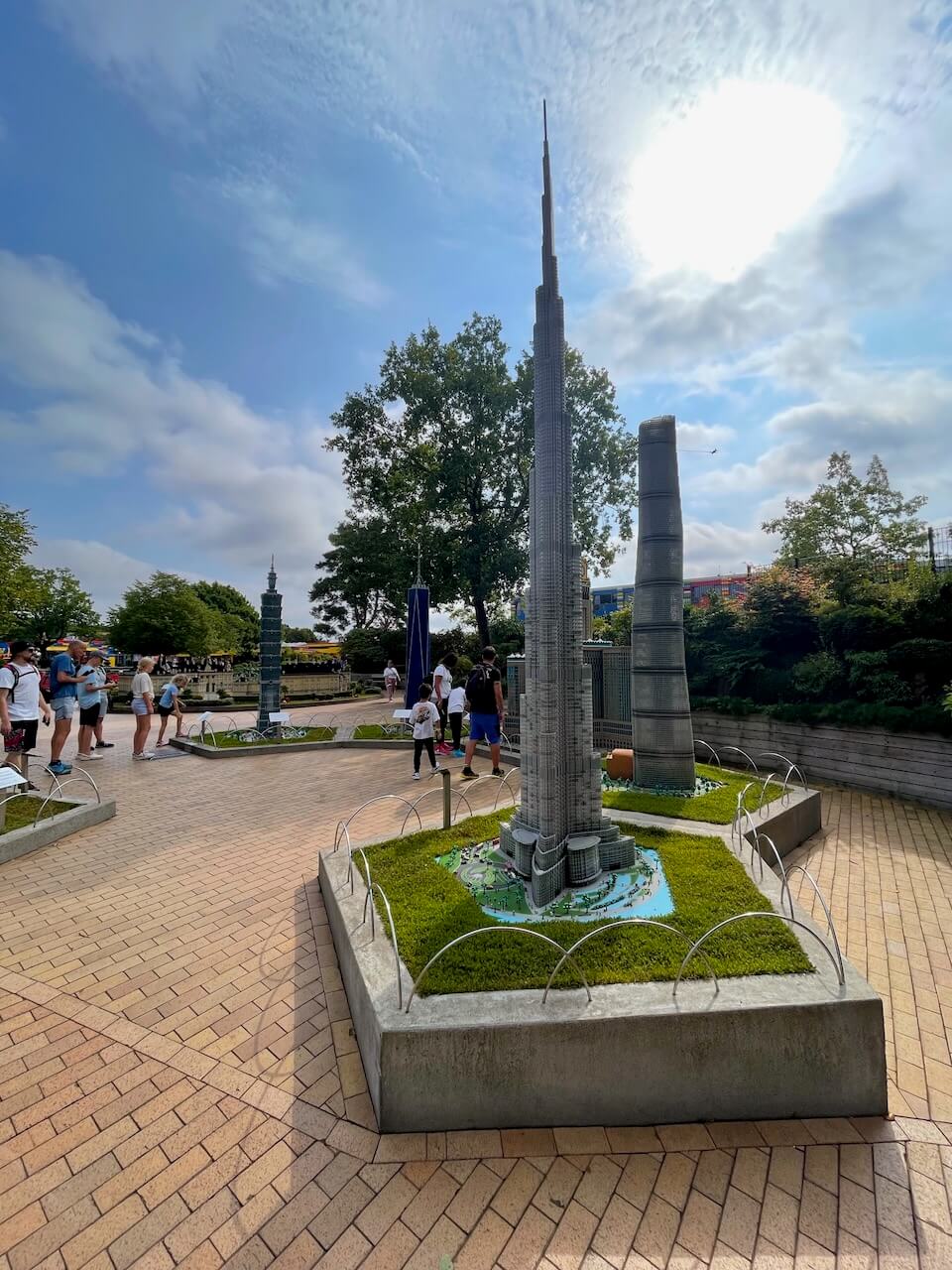
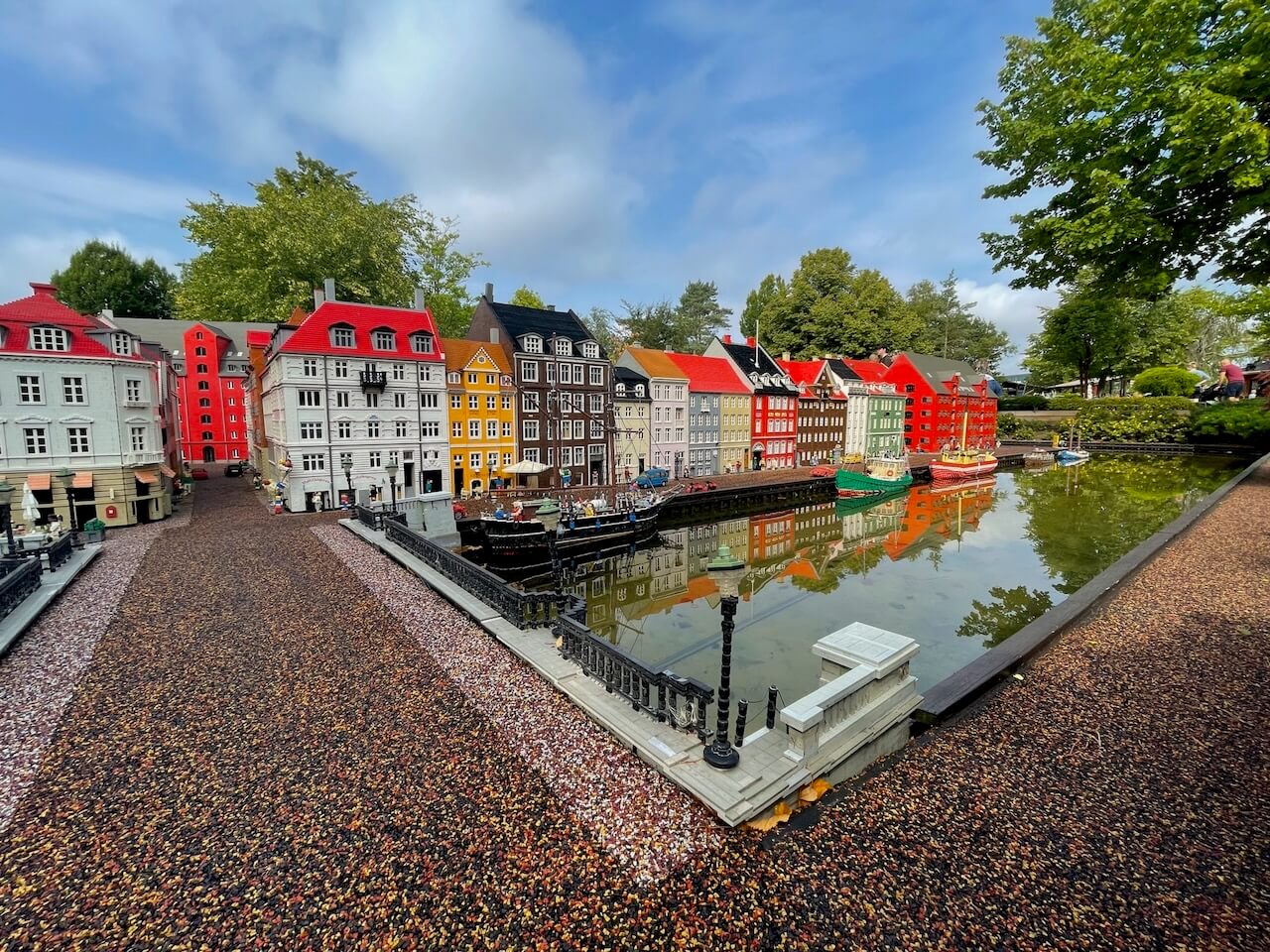
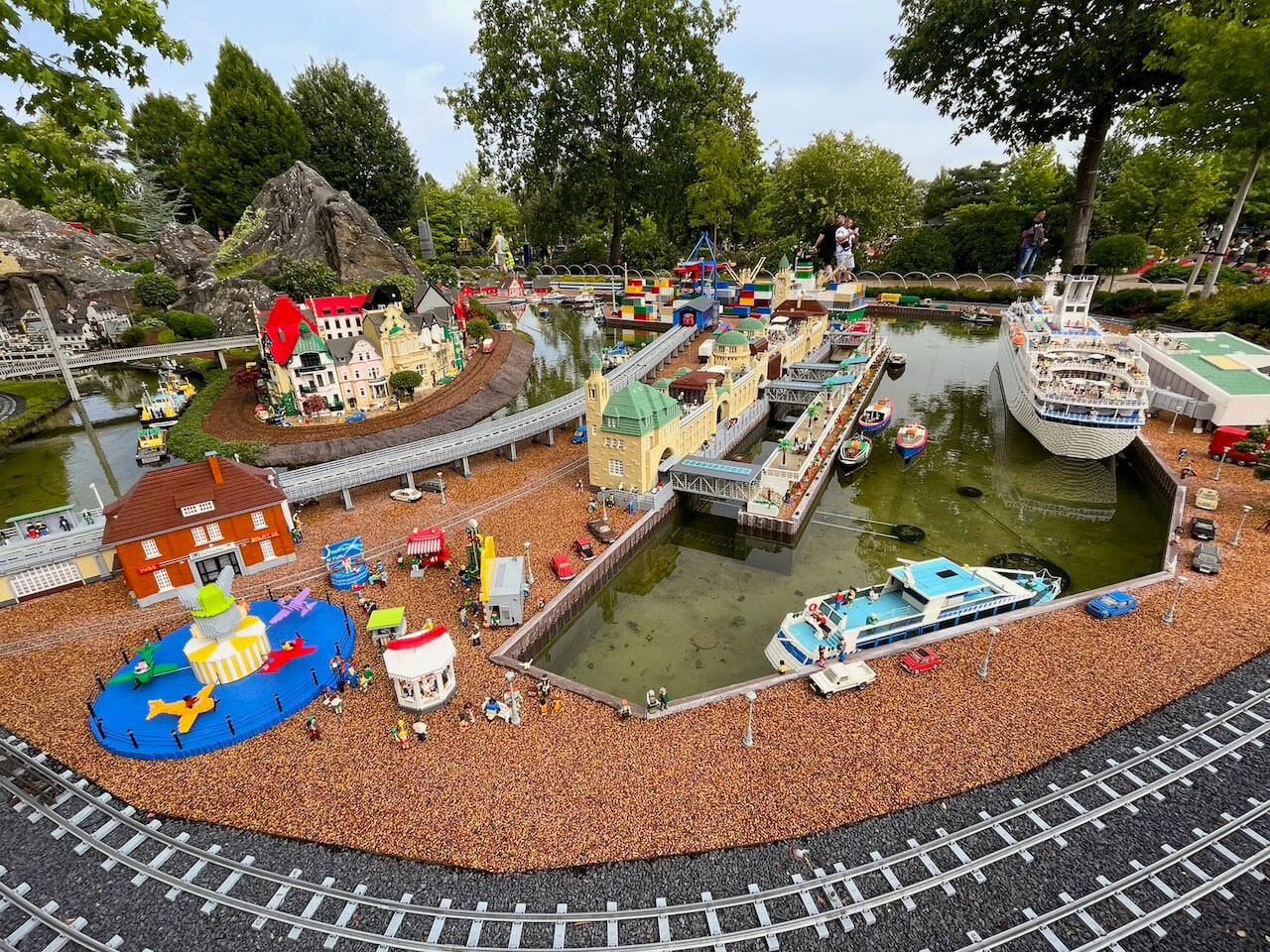
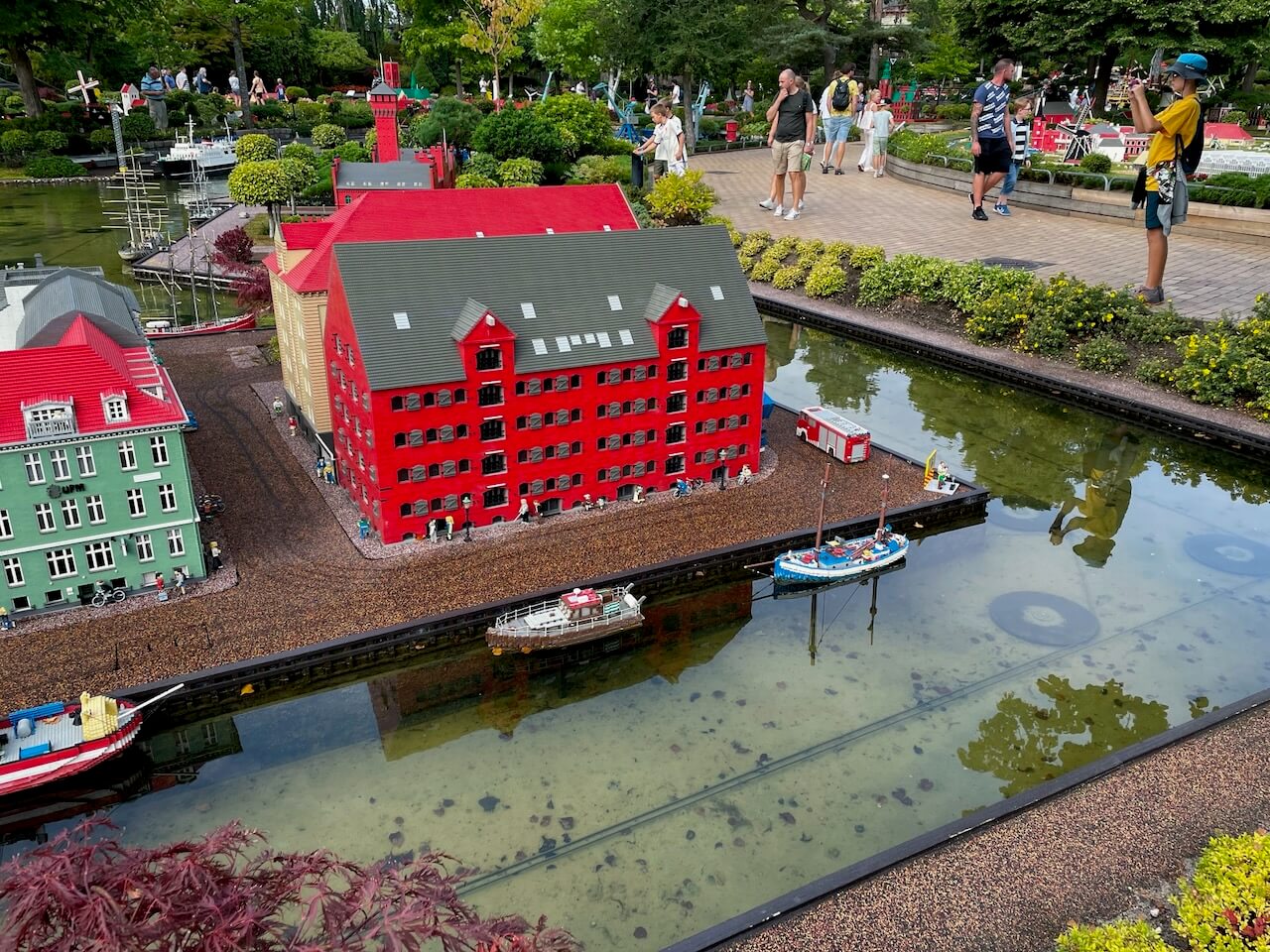
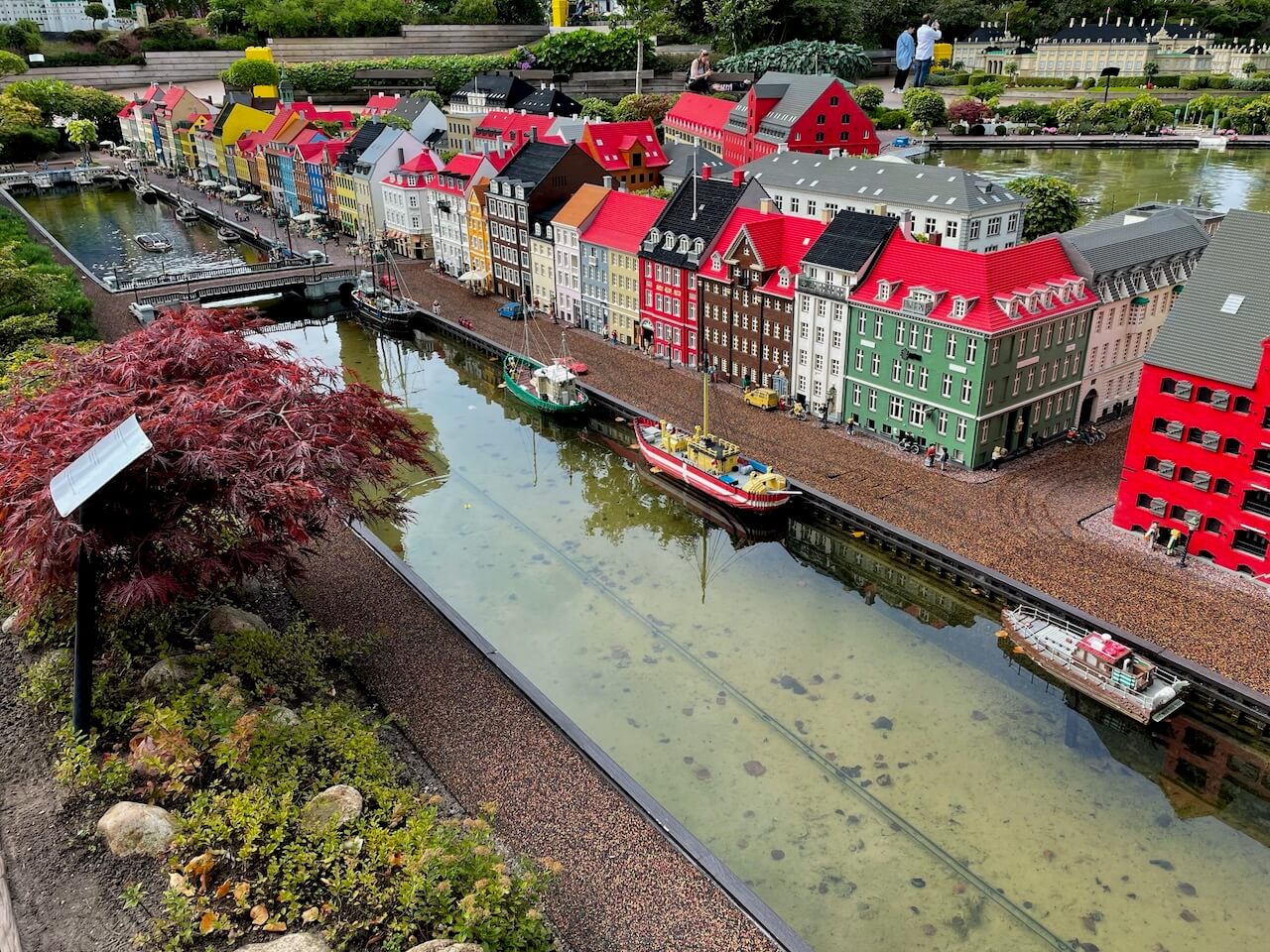
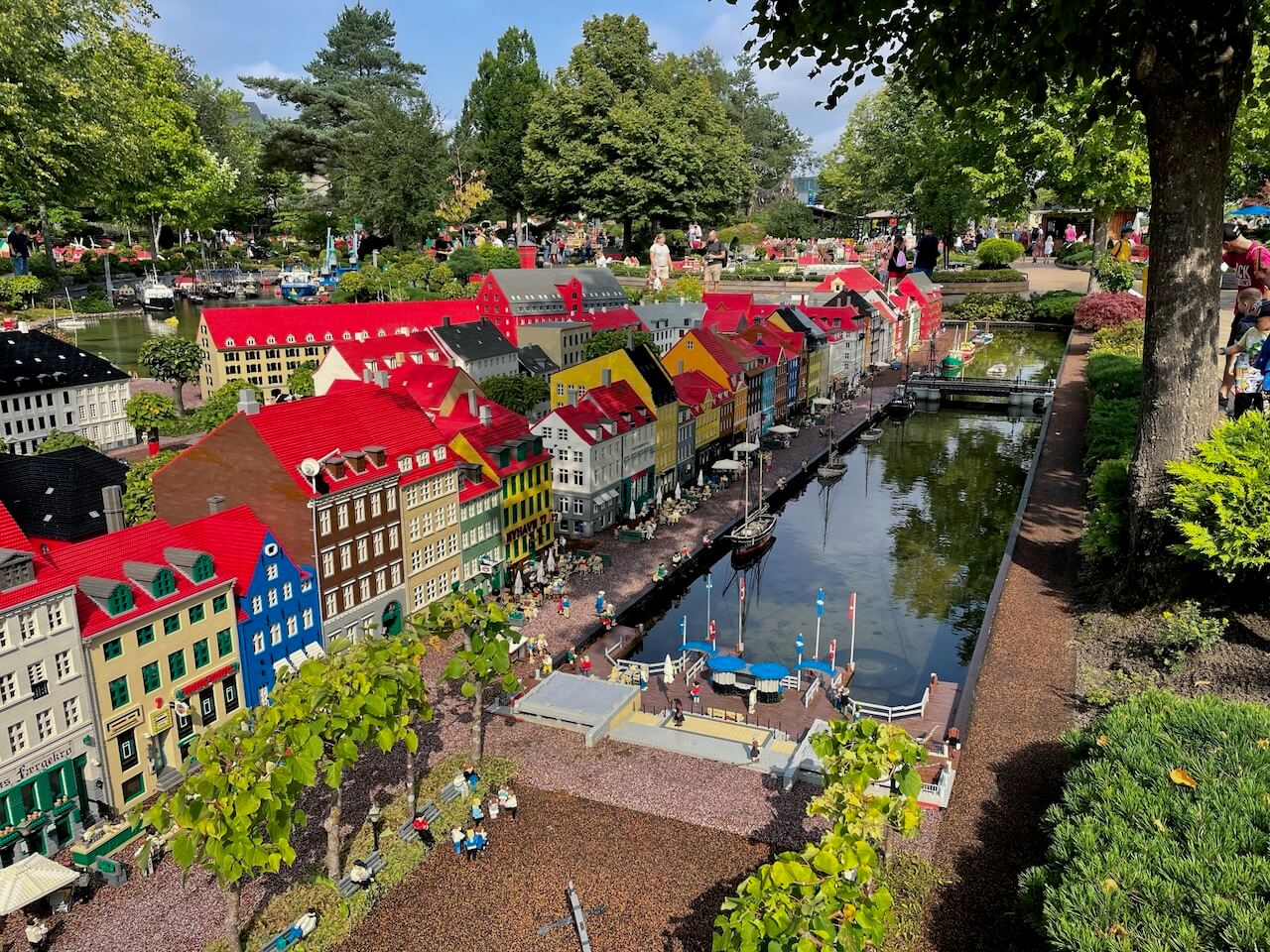
Miniland is where things got dangerous — for my sense of reality. Entire cities sat there calmly, perfectly aligned, spotless, and functioning better than their real-life counterparts. And then there was Copenhagen, recreated in tiny, perfect detail — colorful harbor houses lined up as if they’d been ironed, little boats gliding through impossibly tidy canals, miniature streets that somehow felt more organized than the real thing. I stood there staring at LEGO Copenhagen like I’d discovered a parallel universe where urban planning actually works. The kids pointed out details at lightning speed, while I lingered, admiring windows no one would ever clean and traffic that never, ever jams.

Then came the rides, the running, the negotiations. One more ride. One more snack. One more thing that was absolutely essential and would apparently ruin childhood forever if skipped. Somewhere between a mild sugar high and a mild existential crisis, I realized everyone was winning. The kids were exhausted in the best way, and I was having far too much fun for someone who’d sworn they were “just here to watch.”

By the time we left, legs aching and bags heavier with souvenirs than dignity, Legoland had done its job. It reminded us that imagination doesn’t expire, fun doesn’t need to be logical, and joy sometimes comes in bright plastic colors. Later that evening, stepping barefoot on a LEGO brick felt less like pain and more like a gentle reminder: you had a really good day.

Costa Blanca, Where Summer Forgot to End

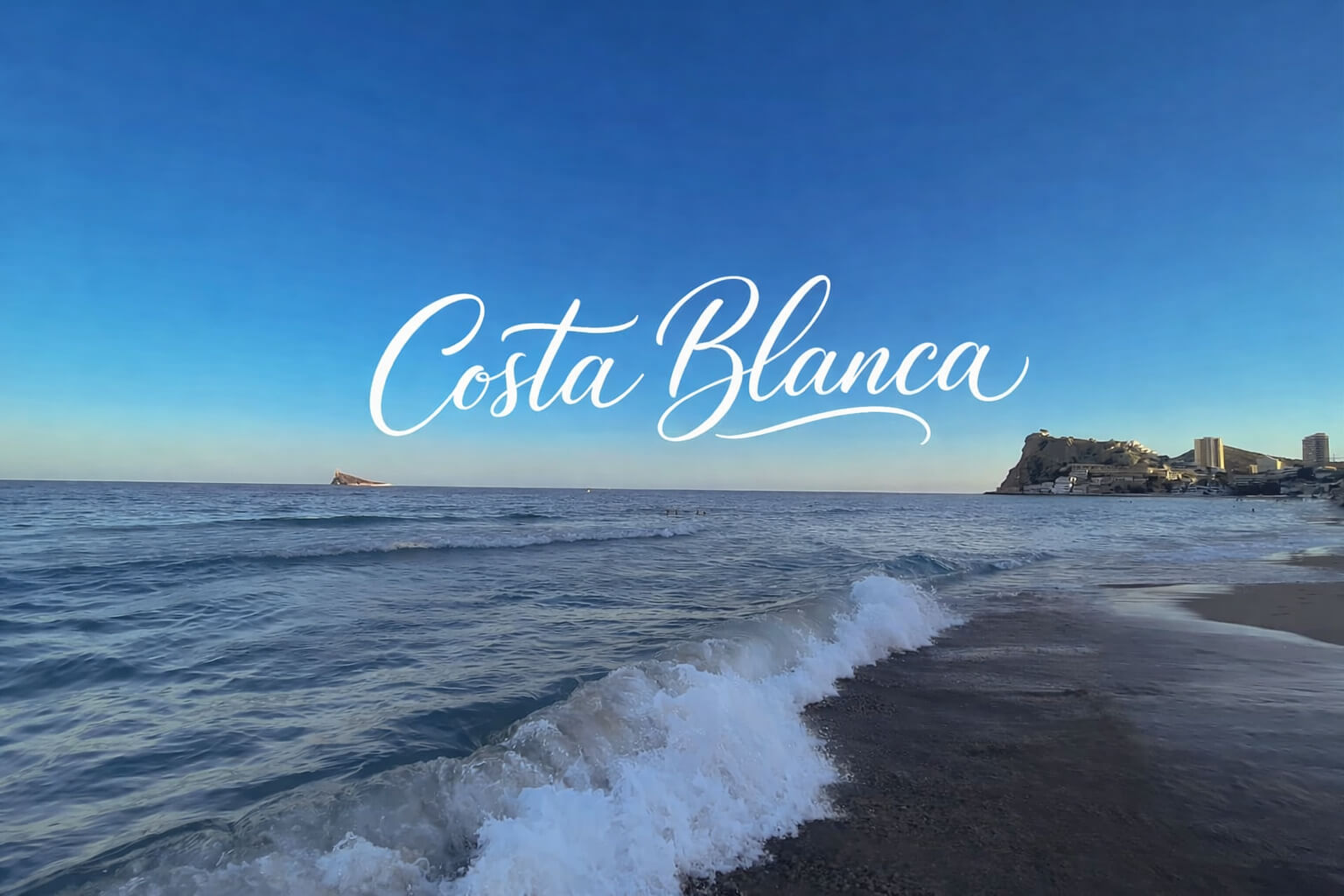
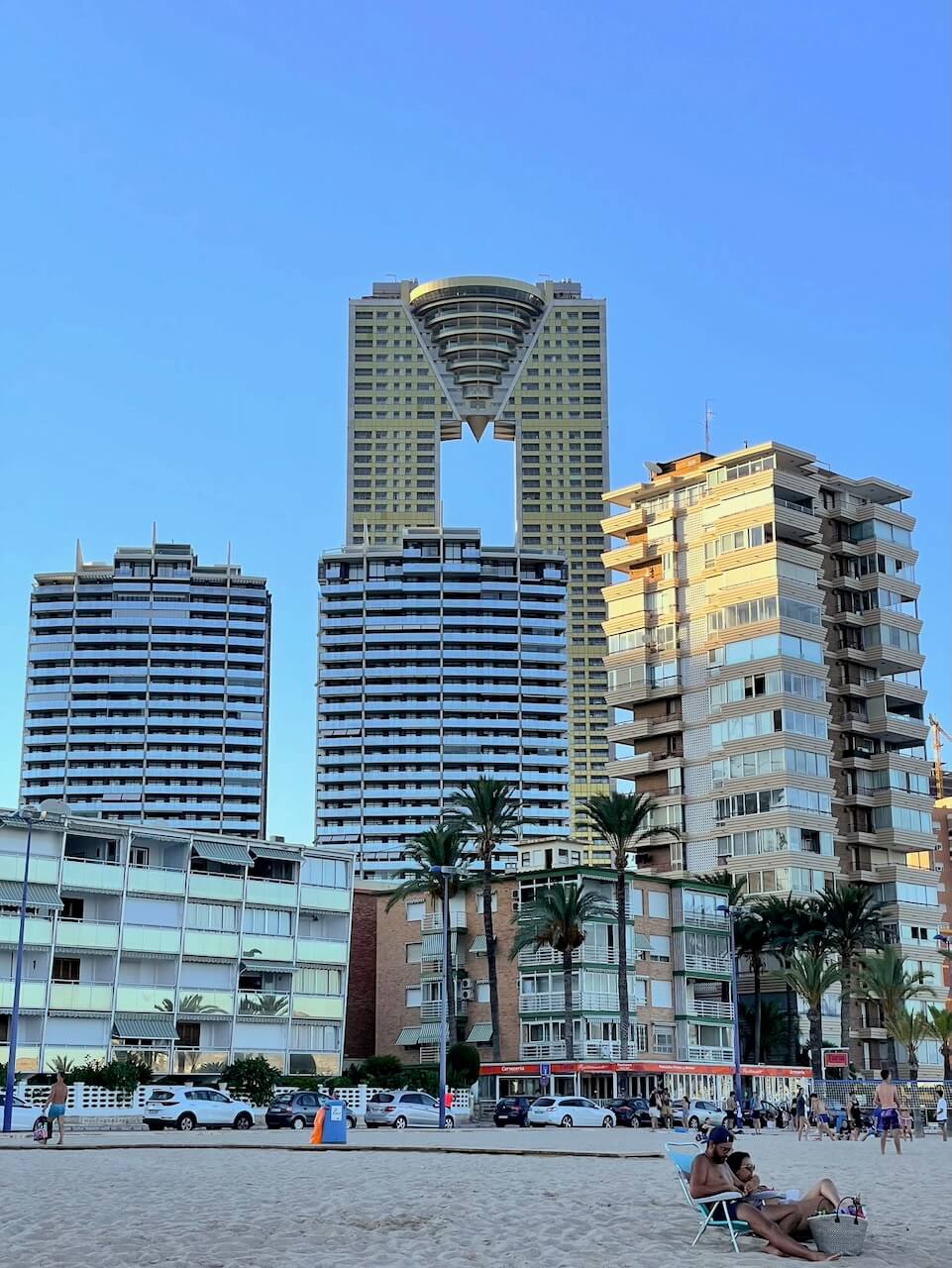
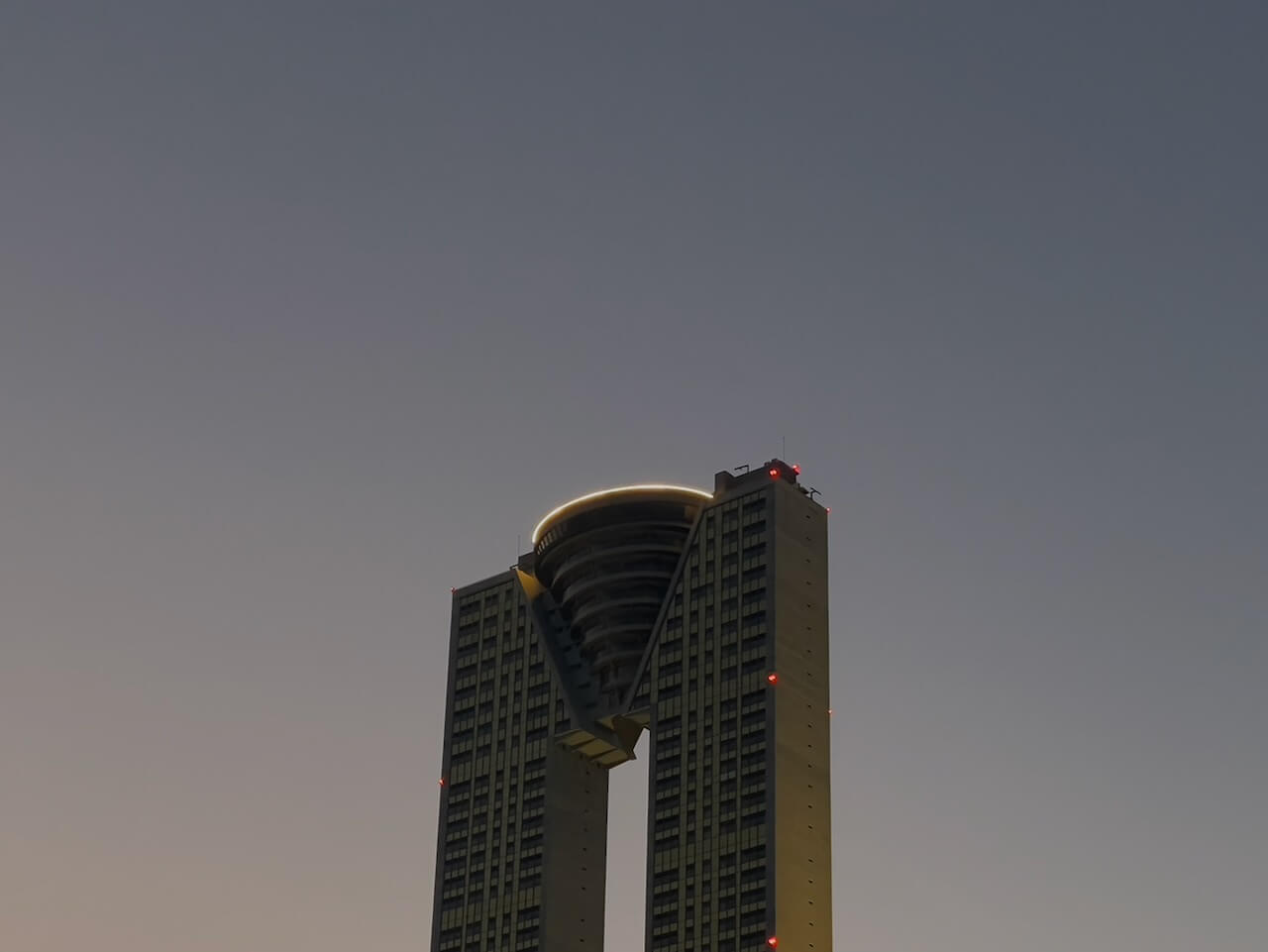
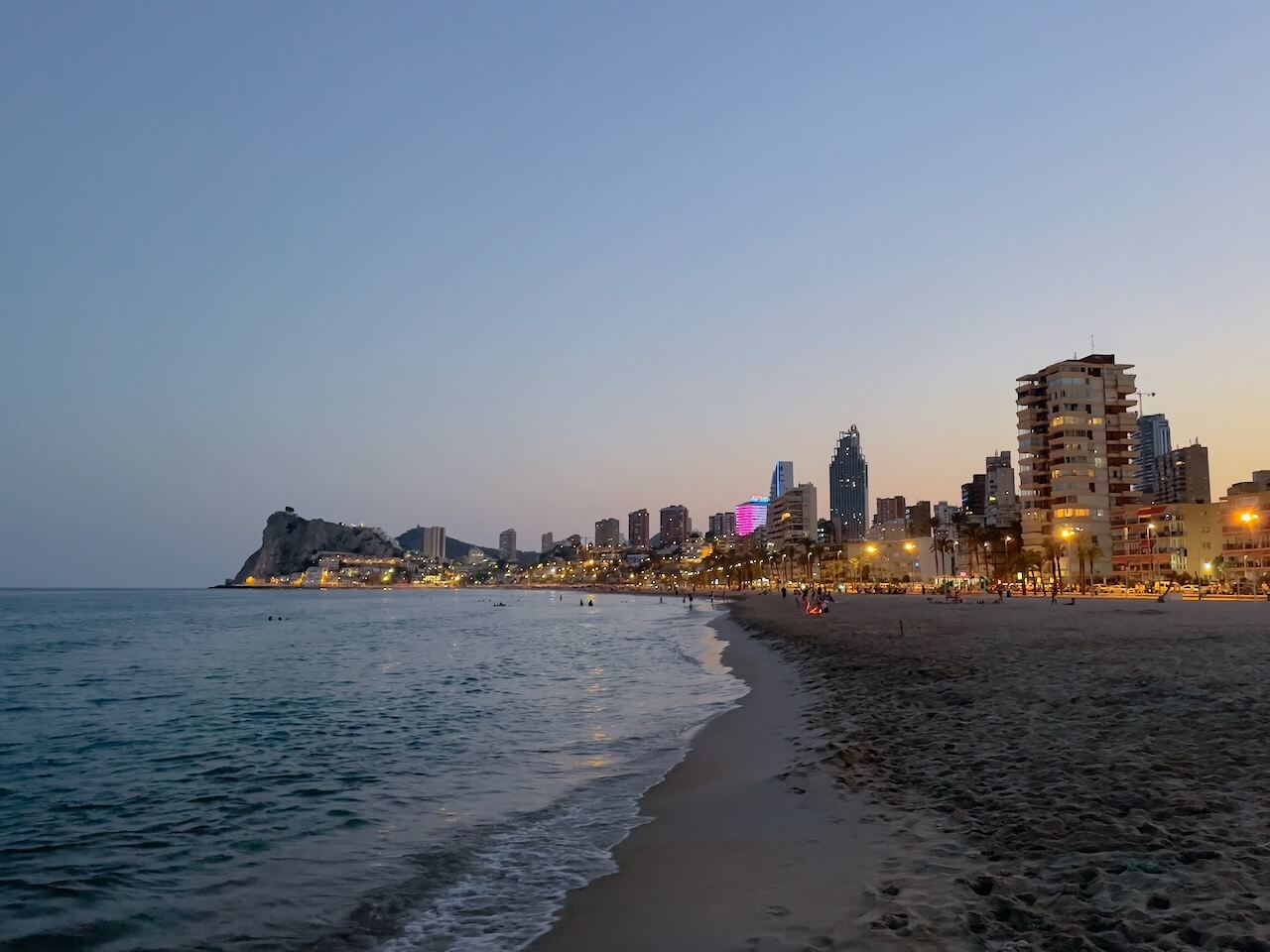
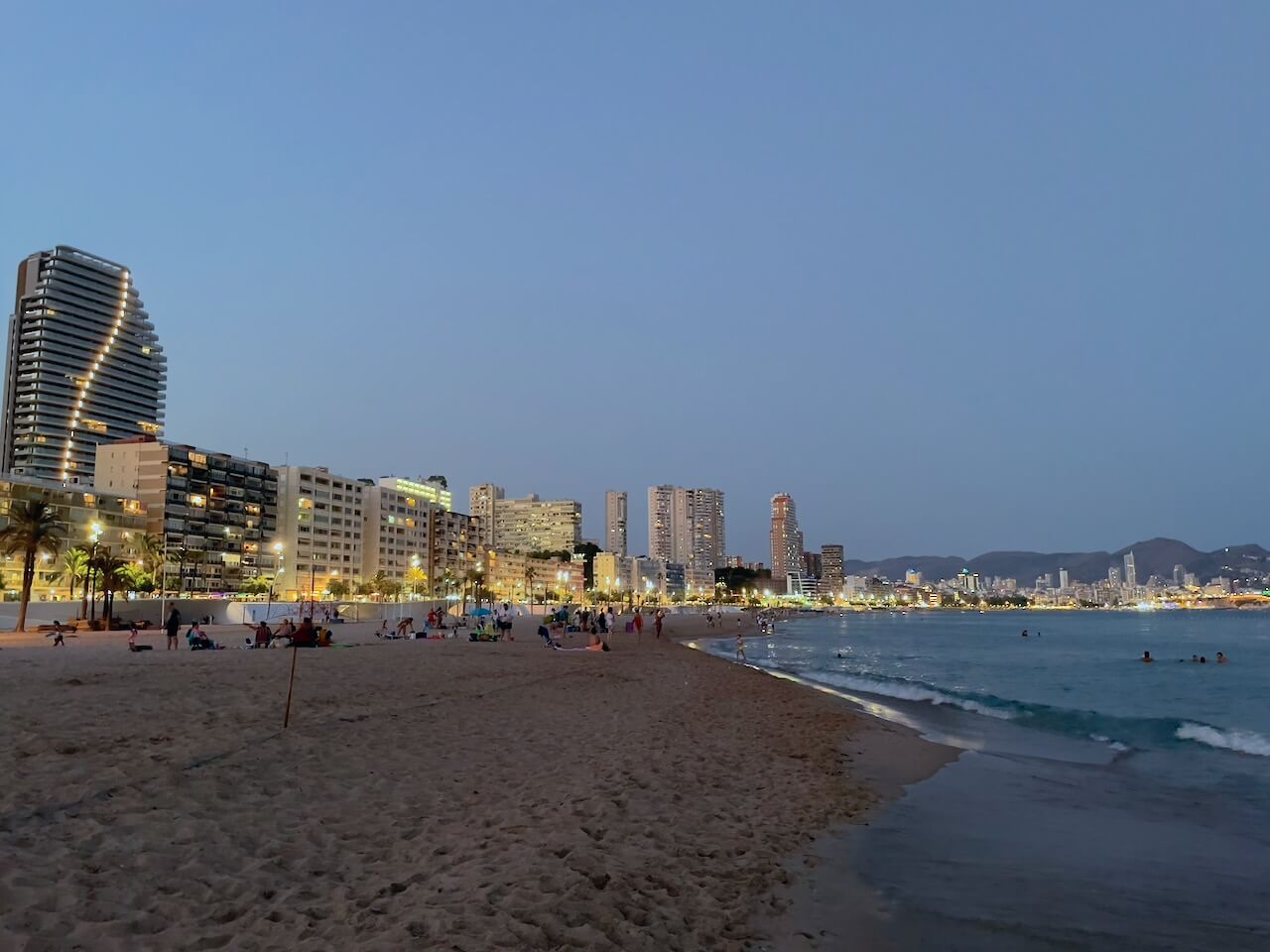
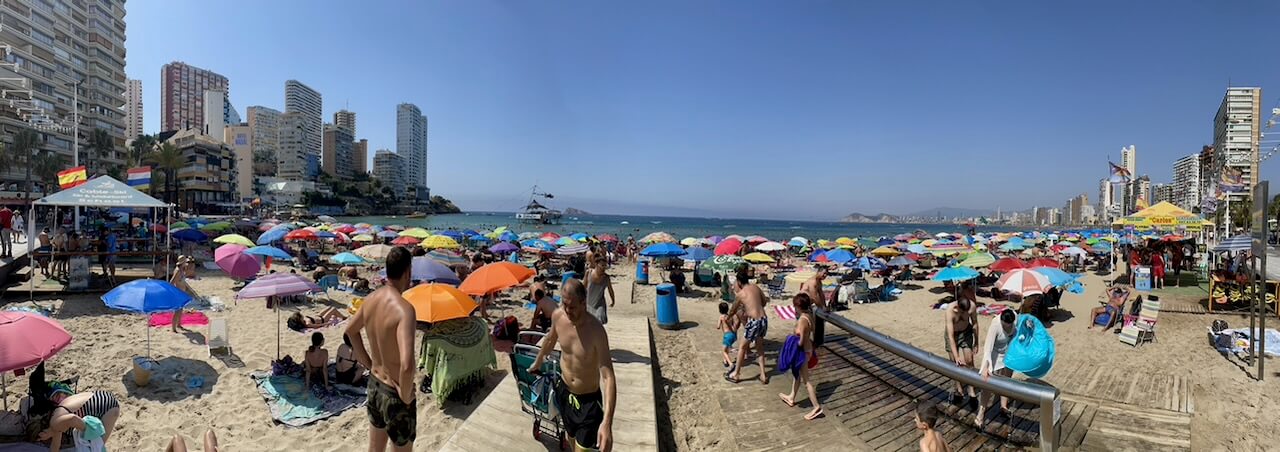
Costa Blanca arrived loud, sunny, and completely uninterested in subtlety. Benidorm especially looks like it was built by someone who asked, “What if the beach… but vertical?” Skyscrapers rise straight out of the sand while below them life happens at full volume — umbrellas popping open like confetti, waves slapping the shore with confidence, and people absolutely committed to doing nothing in the most serious way possible.

In Benidorm, things turn gloriously dramatic. Towers lean into the sky with full main-character confidence while the beach below runs on pure chaos and sunscreen. The sea looks calm from a distance, but step in and it grabs your ankles like an overfriendly dog. Long shoreline walks become people-watching marathons — accents from everywhere, laughter carried by the breeze, and locals moving with the relaxed certainty of people who know they’ve chosen the right address.

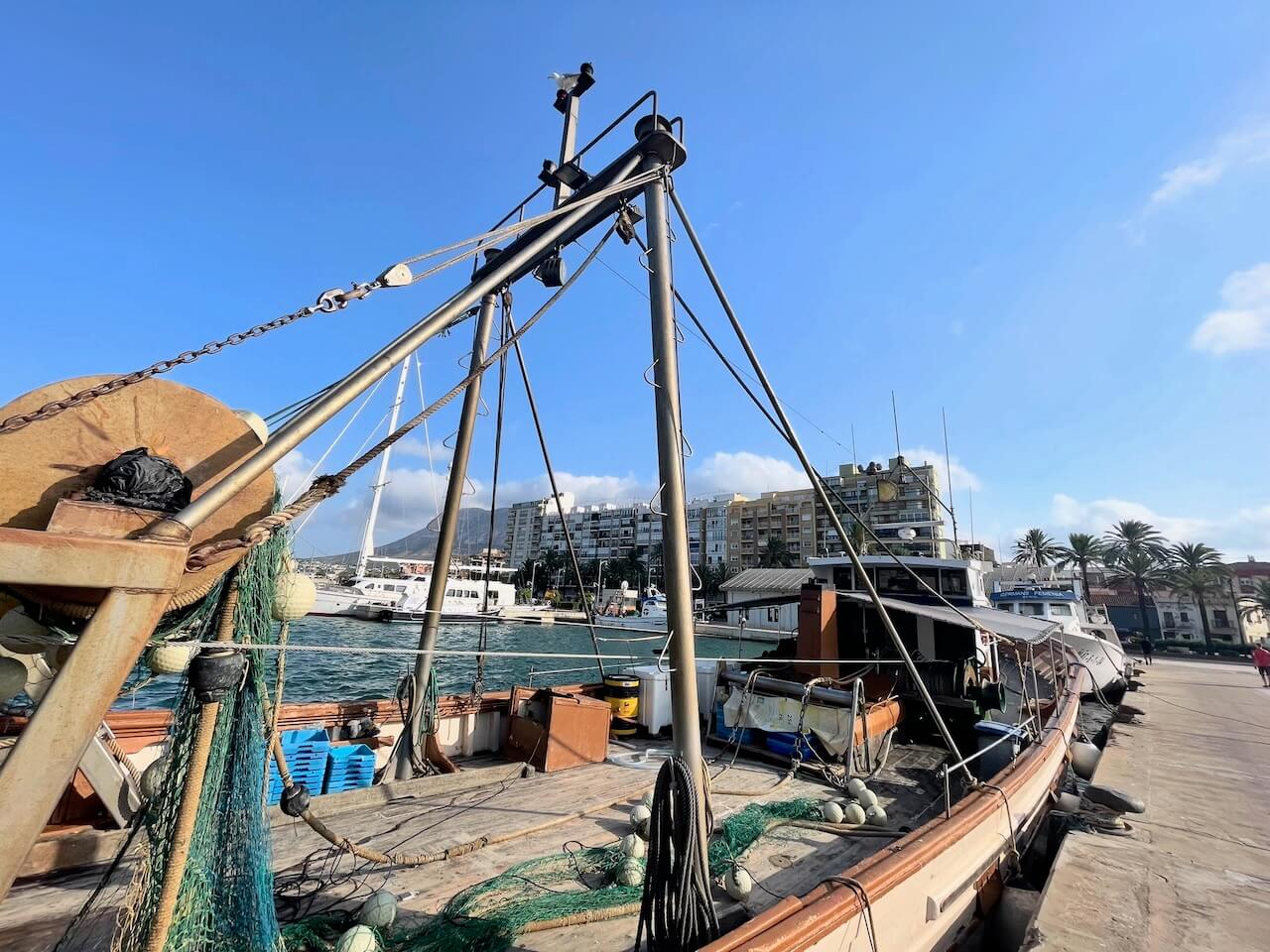
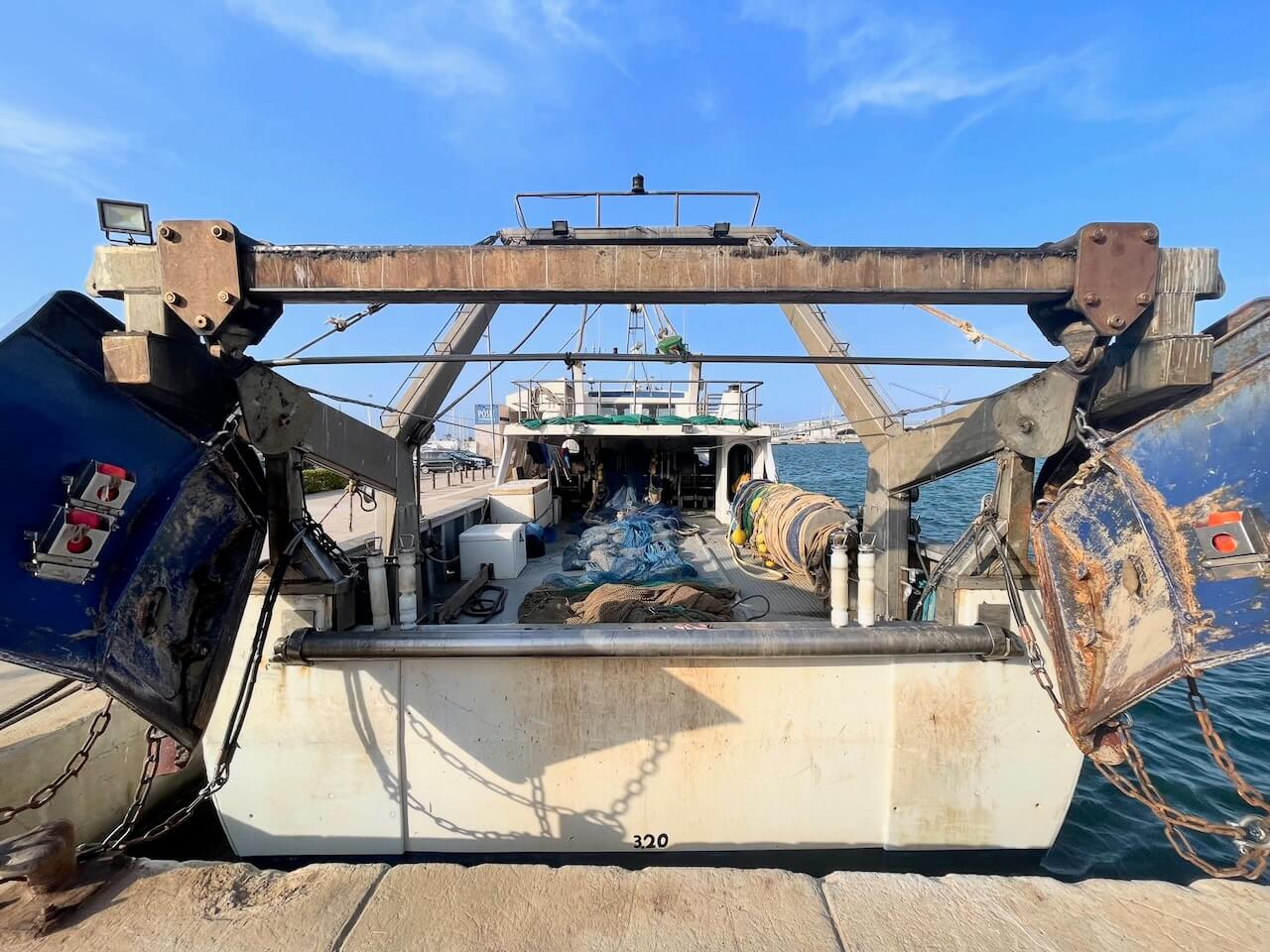
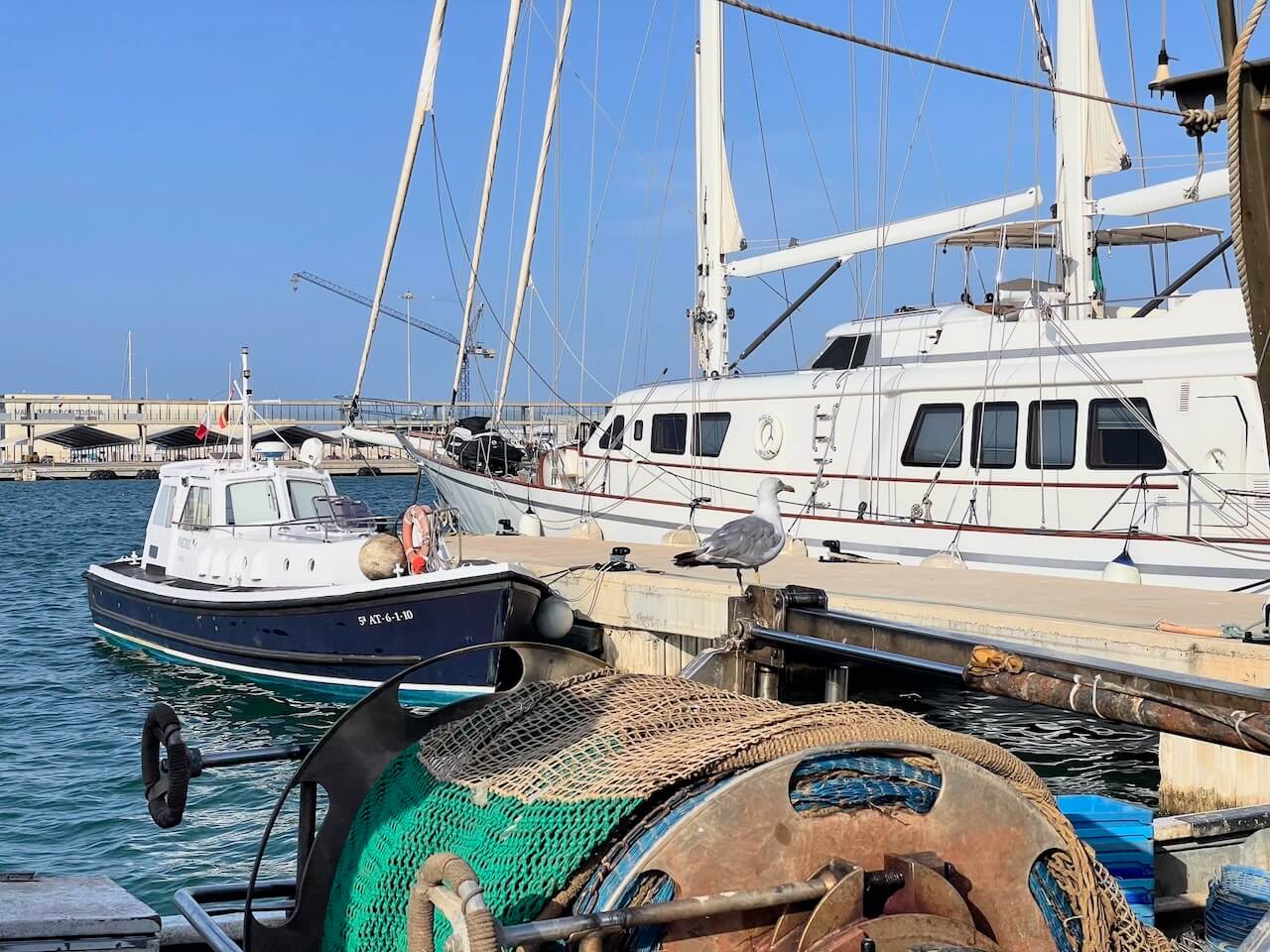
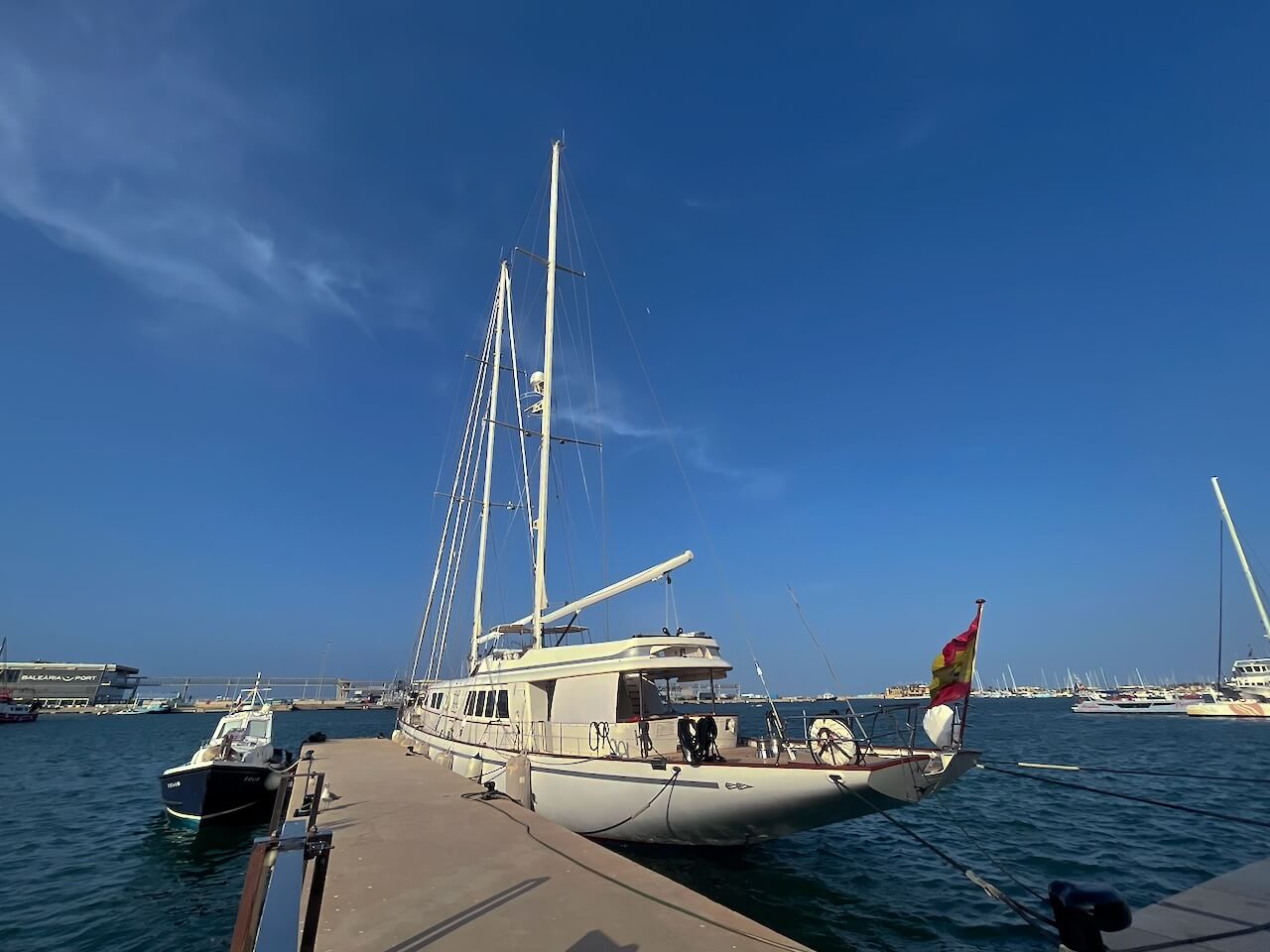
Up the coast, things mellow out. Denia swaps noise for boats, nets, and that gentle harbor smell of salt and yesterday’s fish stories. Fishing boats nap against the pier, gulls supervise everything with suspicion, and time slows to a pace that makes checking the clock feel unnecessary and vaguely rude. One drink turns into two, two into “let’s just sit a bit longer,” and suddenly the afternoon has vanished.

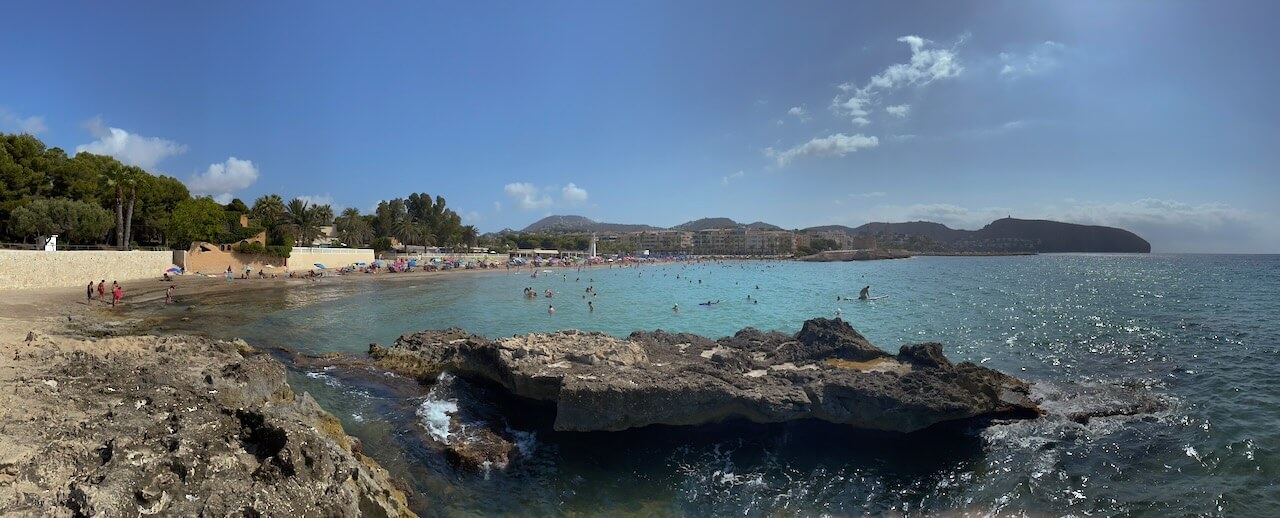
Teulada and the nearby coves seal the deal. Rocky edges, absurdly blue water, and beaches that feel like secrets you’re not supposed to tell anyone about. People float, swim, and disappear into the sea like they’ve solved something important about life. Costa Blanca doesn’t try to impress you — it just casually convinces you that summer should probably be permanent.

Spindleruv Mlyn: Snow and the Art of Walking Somewhere on Purpose

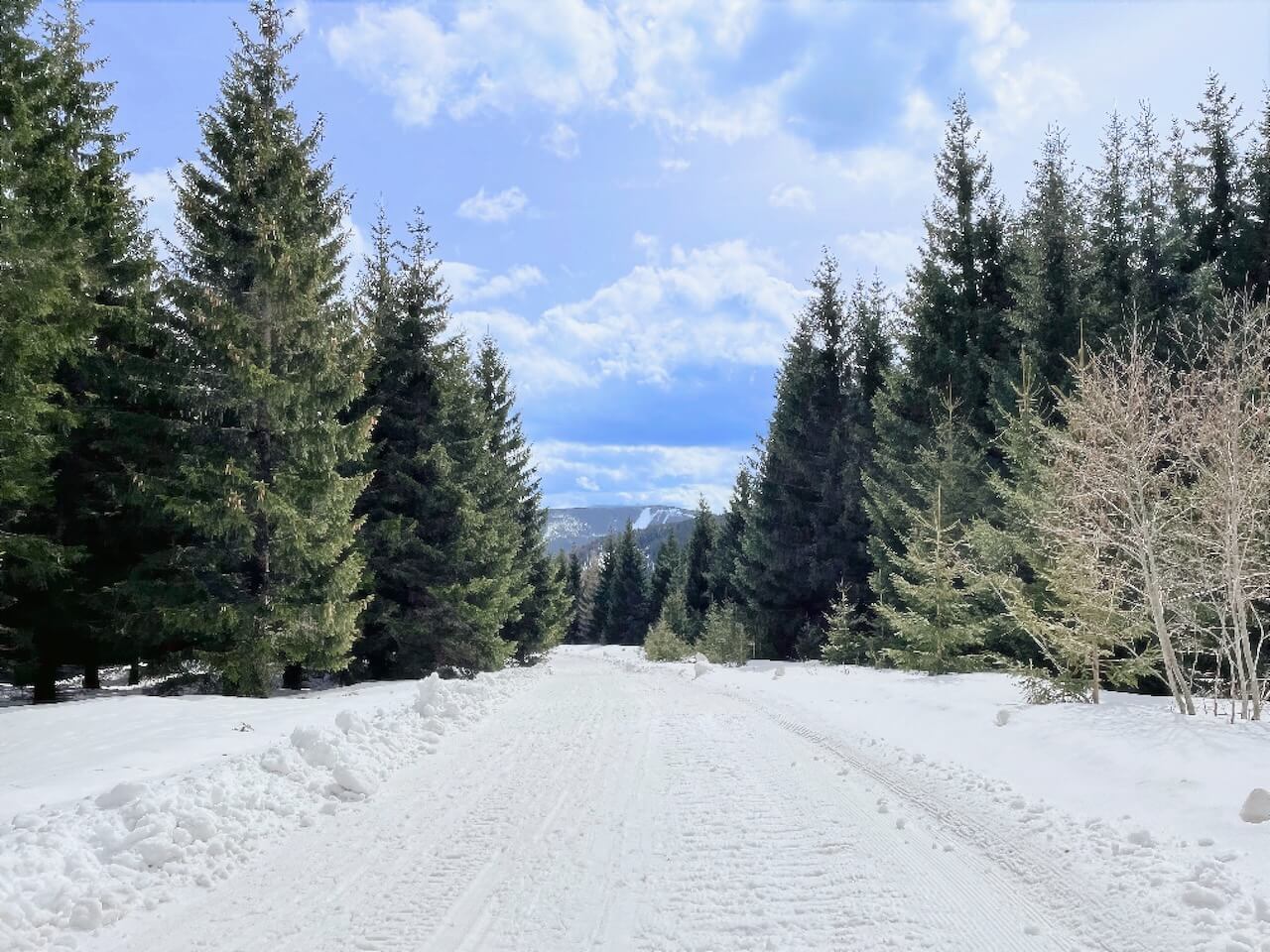
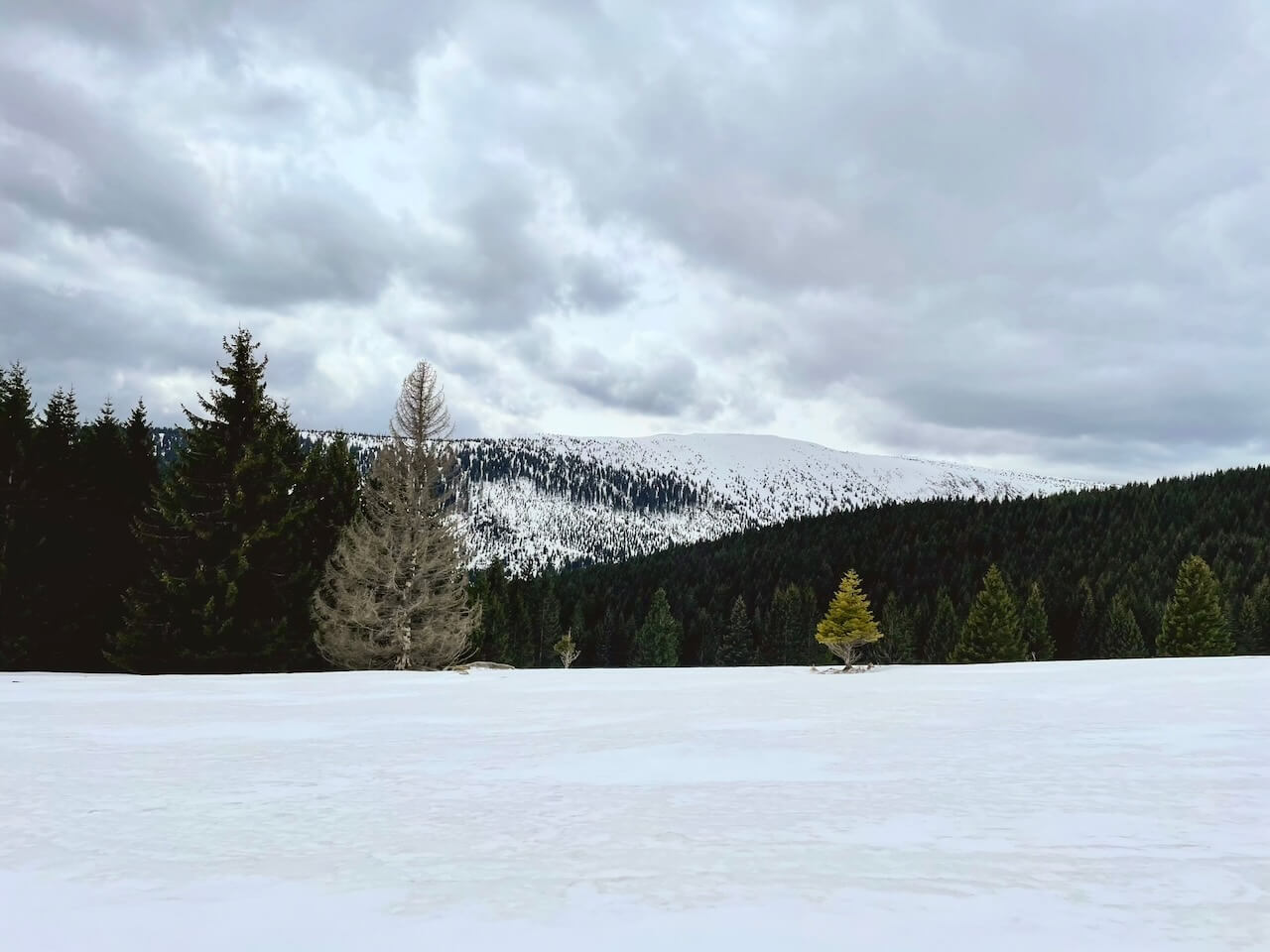
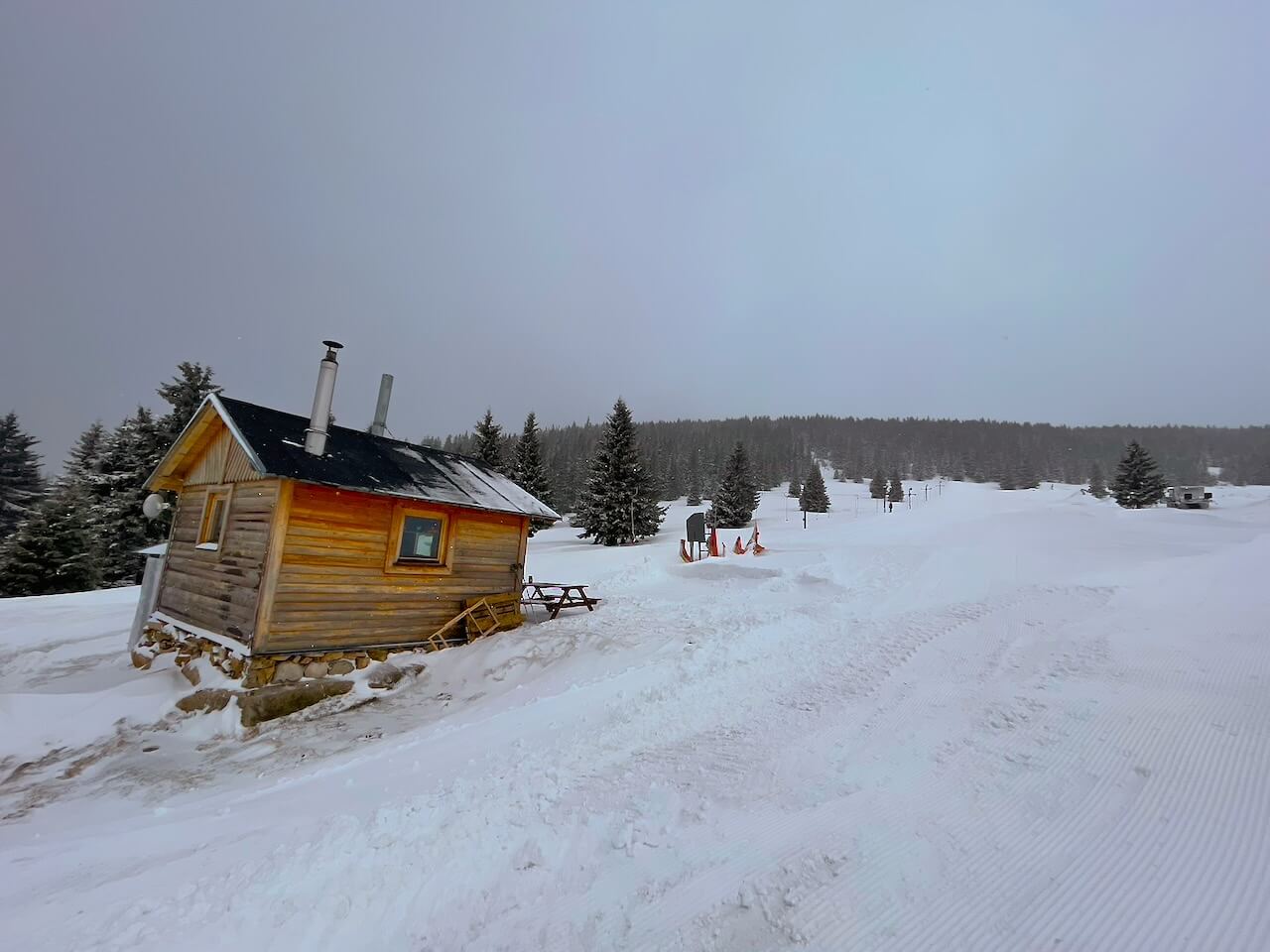
There’s something deeply suspicious about a snowy road that looks this polite. Wide, white, neatly packed, flanked by trees that stand like they’re posing for a postcard. That’s how it started in Spindleruv Mlyn: all of us walking confidently, pretending we absolutely knew where we were going. The air had that clean, alpine bite that makes your lungs feel refreshed and slightly judged, and every step sounded like a satisfying crunch you’d happily put on repeat. Spirits were high. Legs were warm. Nobody had yet suggested this was “basically flat.”

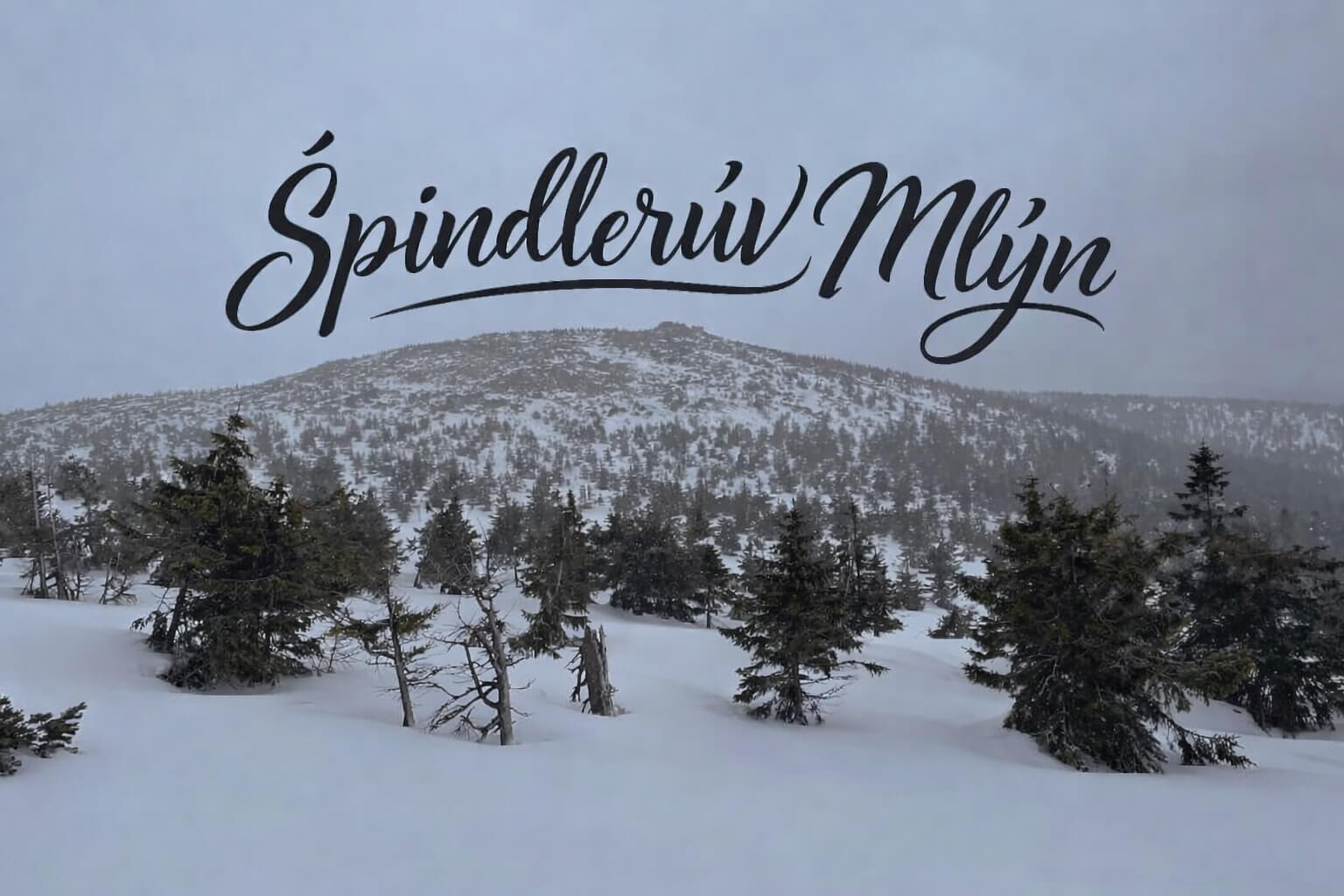
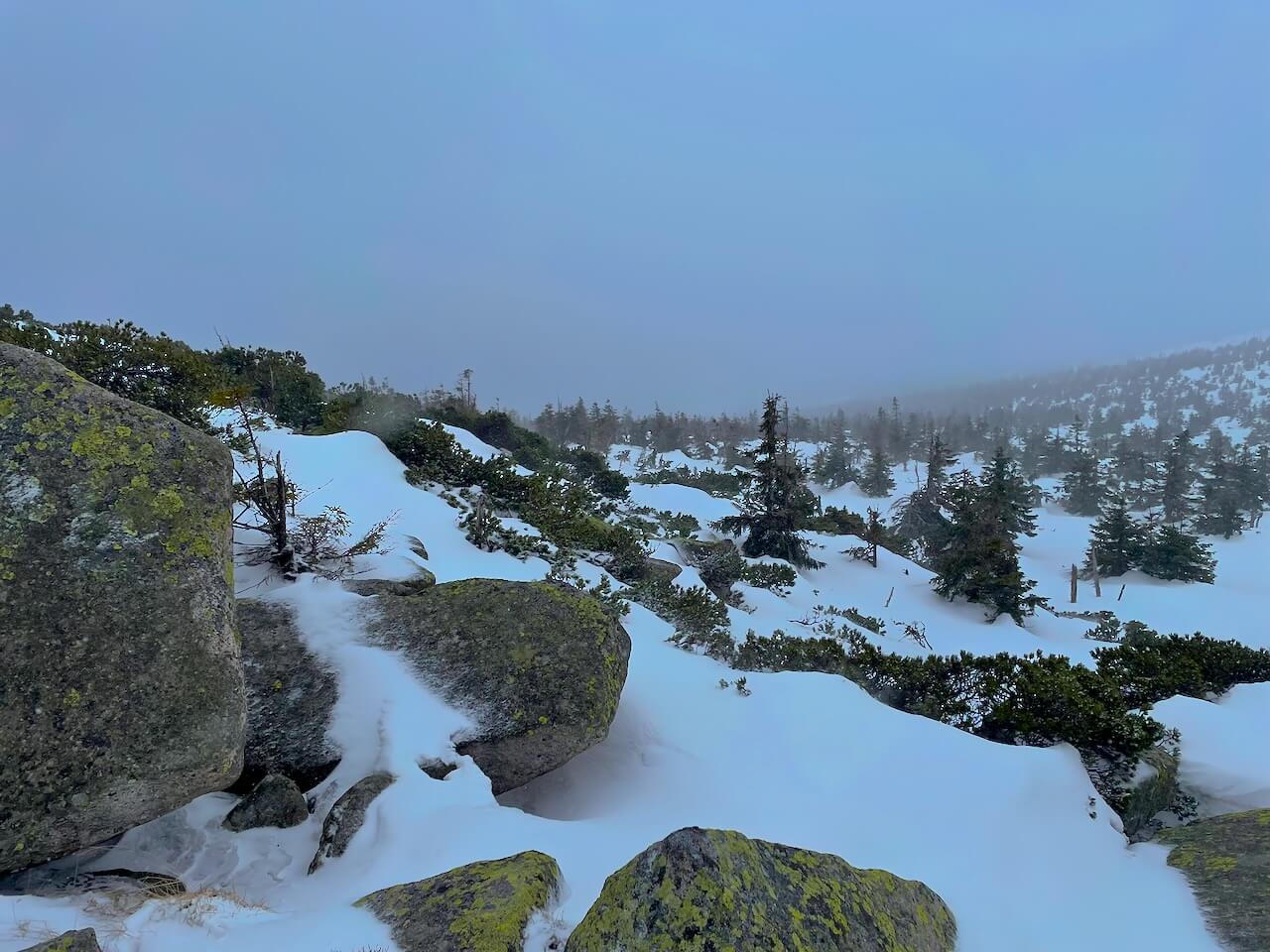
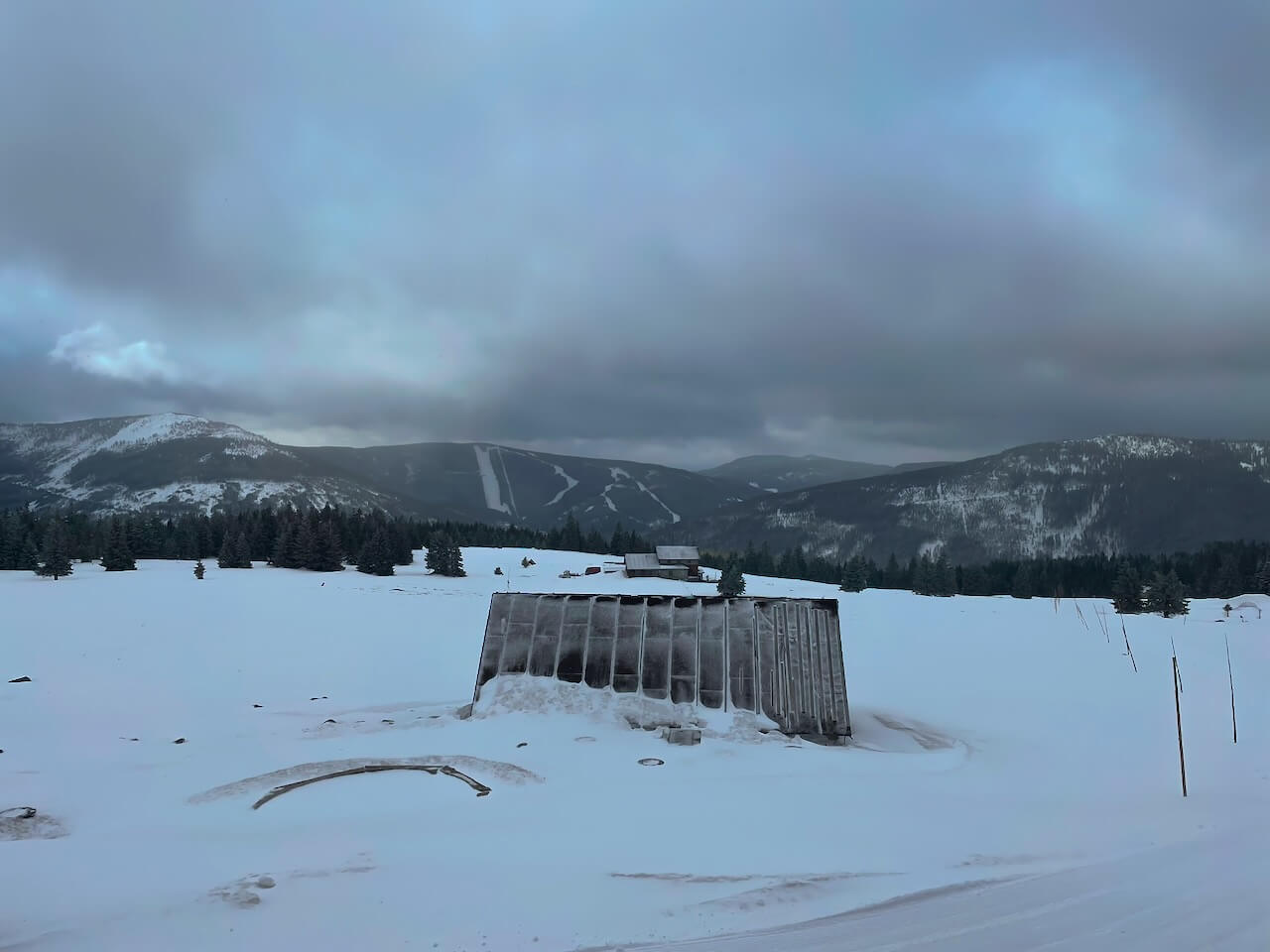
As the forest slowly opened up, the scenery shifted from friendly winter wonderland to dramatic “are we still on the right path?” real fast. Snowfields stretched out like blank pages, with lonely trees scattered around as if they’d lost a bet. Somewhere in the distance, mountains lounged under heavy clouds, half-hidden, looking mysterious and mildly unimpressed by our presence. This is usually the moment when conversation fades and everyone pretends they’re taking photos, when in reality they’re just catching their breath and reconsidering life choices.

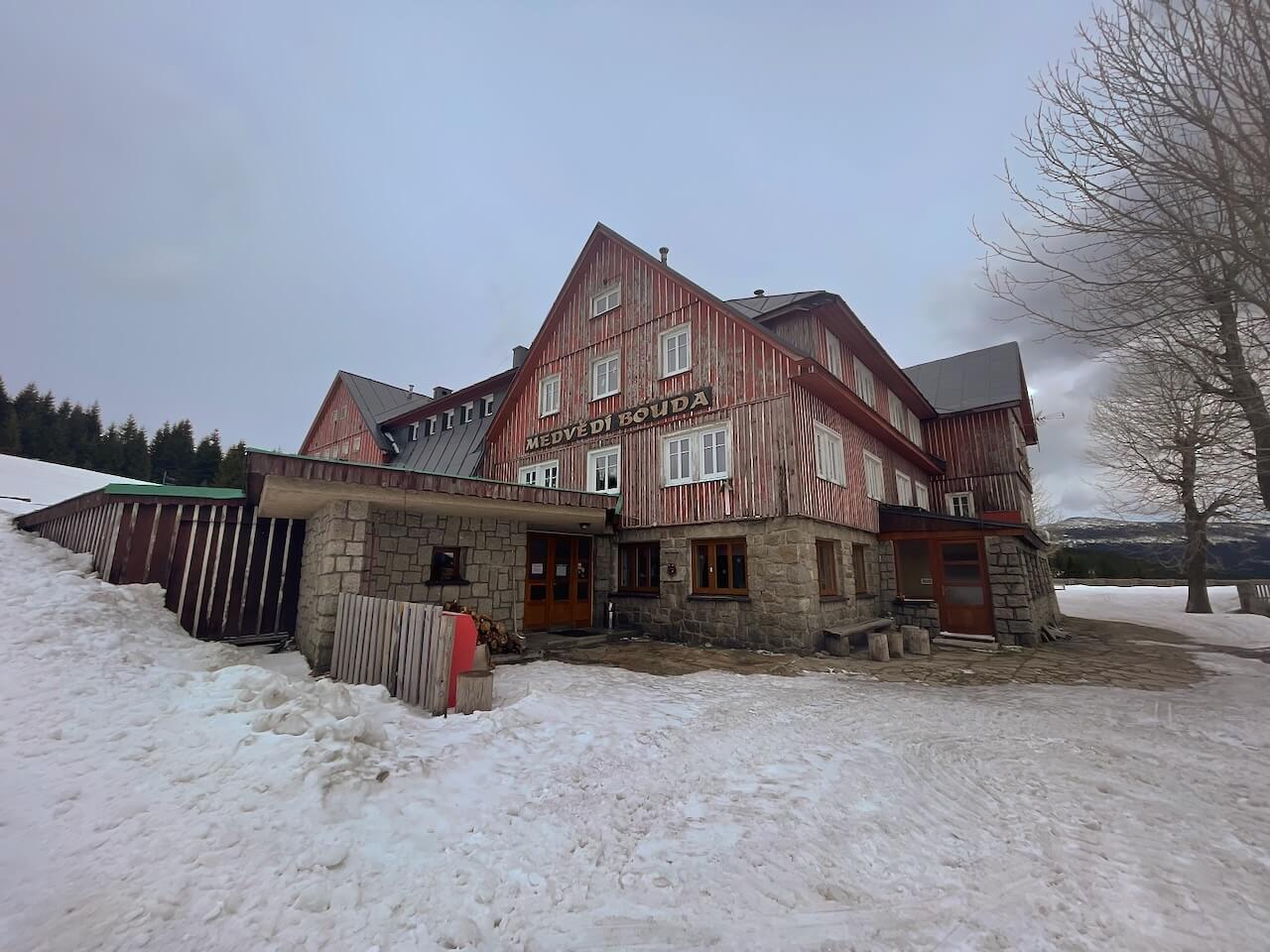
Lunch, thankfully, arrived before any mutiny. Medvedi Bouda appeared like a wooden mirage, all red planks and mountain-chalet energy, promising warmth, food, and the sweet relief of sitting down. Inside, boots thumped, jackets steamed, and plates arrived that instantly made the hike feel like a brilliant idea. Nothing tastes better than mountain food earned the hard way, preferably while staring out a window and watching the weather do whatever dramatic thing it feels like doing that day.

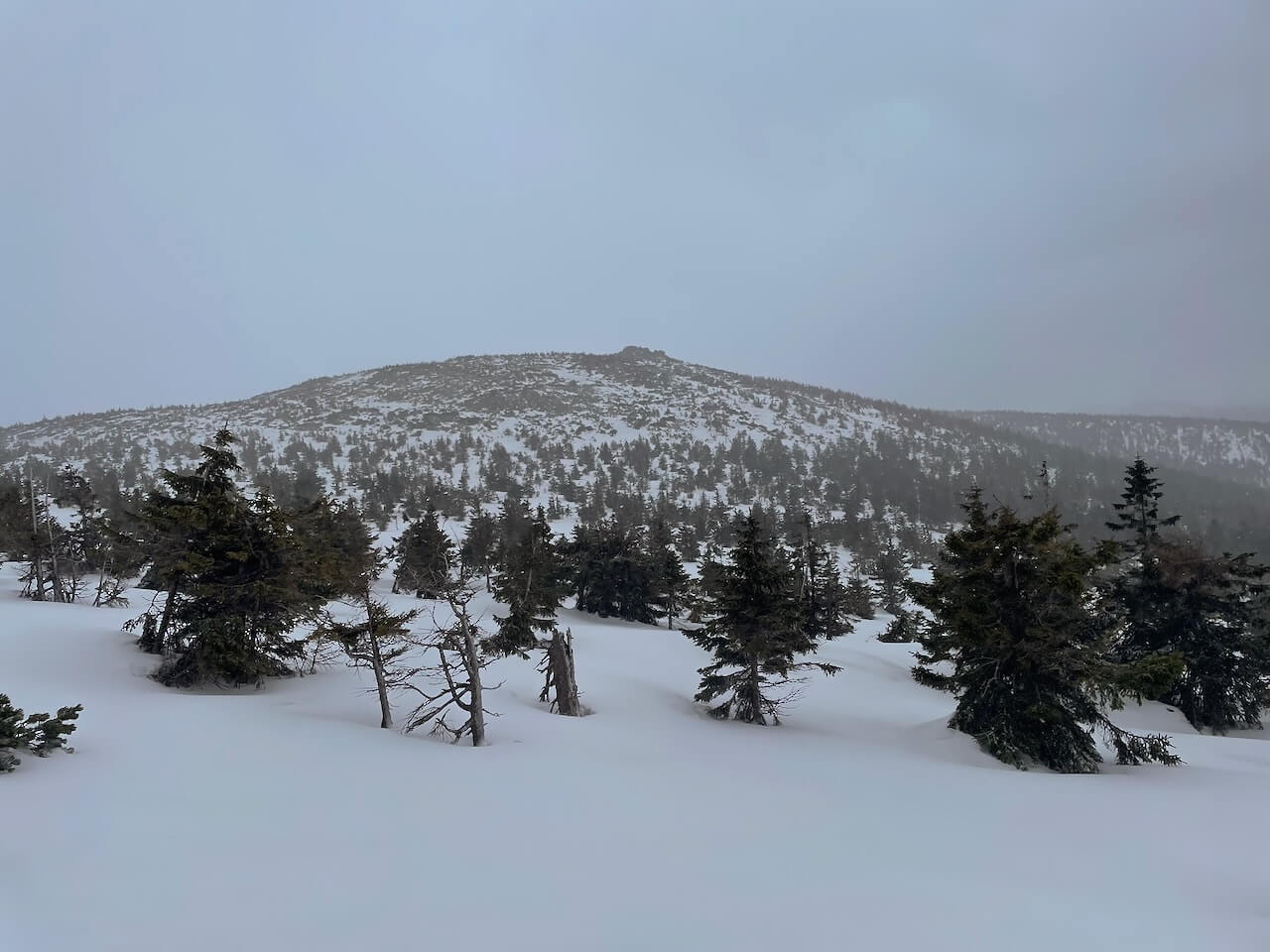
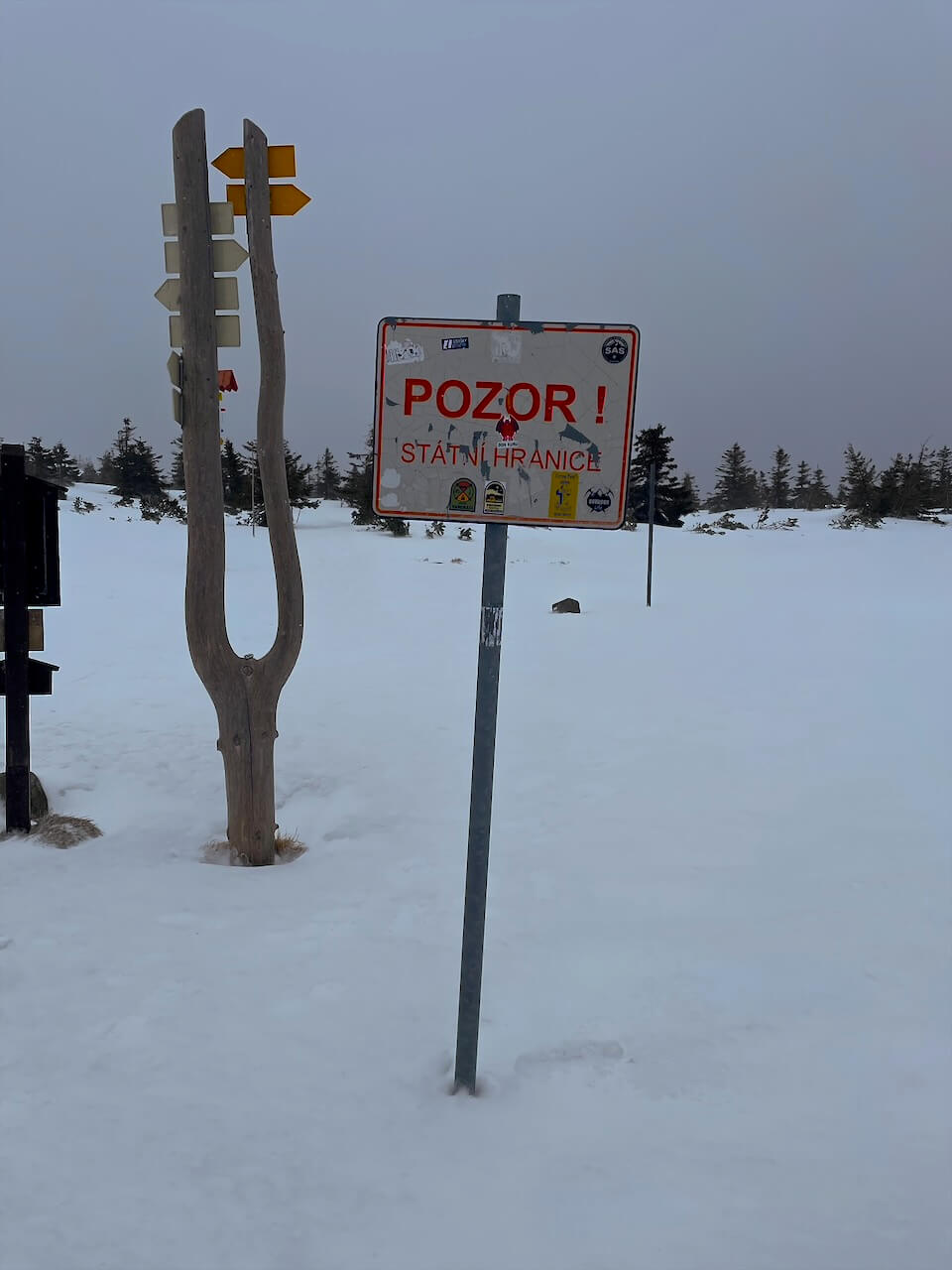
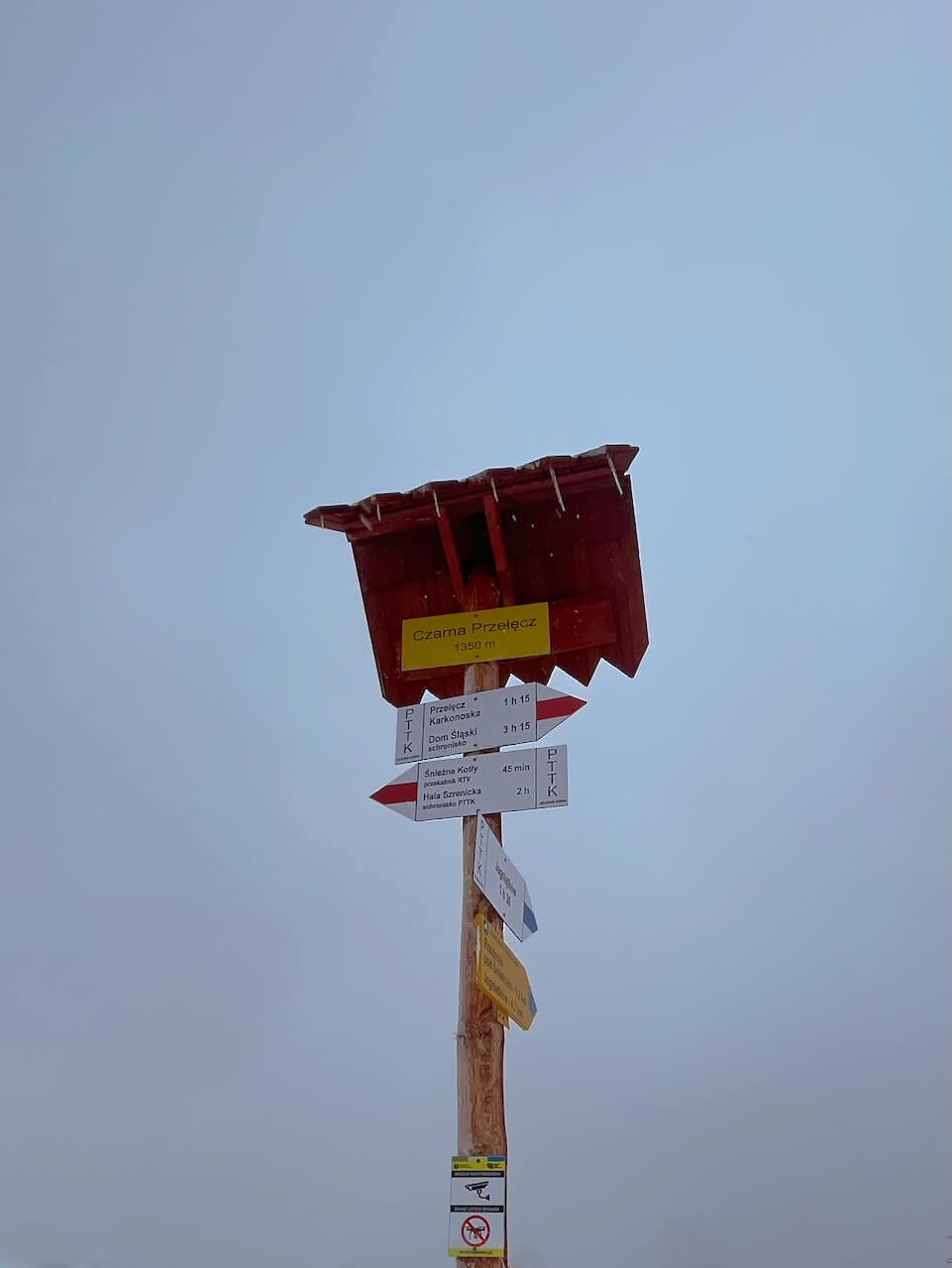
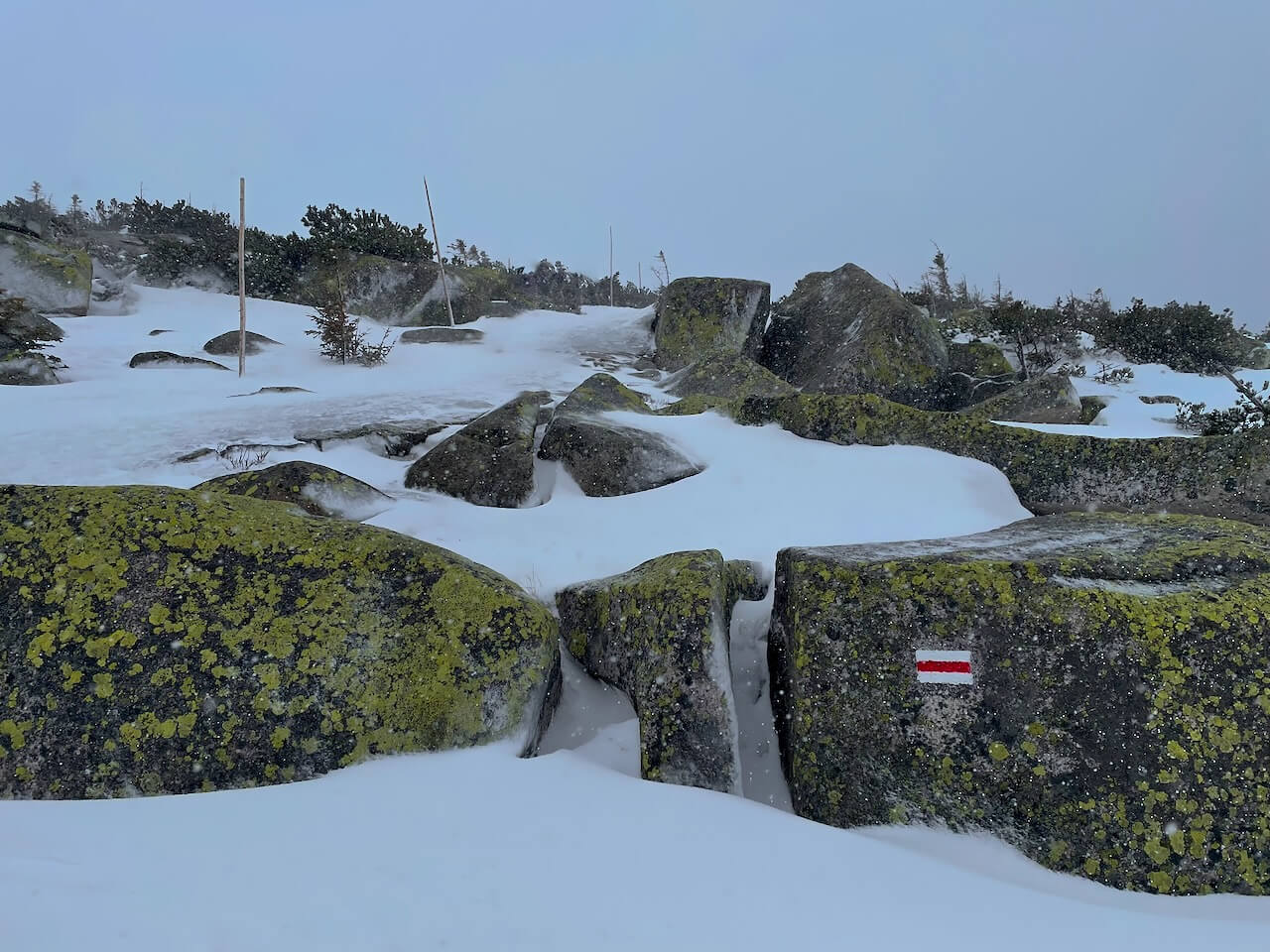
Post-lunch confidence is a dangerous thing. Fueled by full stomachs and optimism, we pushed on through misty ridges, past rocks dusted in snow and signs pointing in several directions at once, none of which felt particularly reassuring. Somewhere near a border sign screaming “POZOR!” at us, the landscape turned moody. Wind picked up, clouds thickened, and the world shrank to shades of white, grey, and dark green. It was quiet in that special mountain way, where even your thoughts seem to lower their voices.

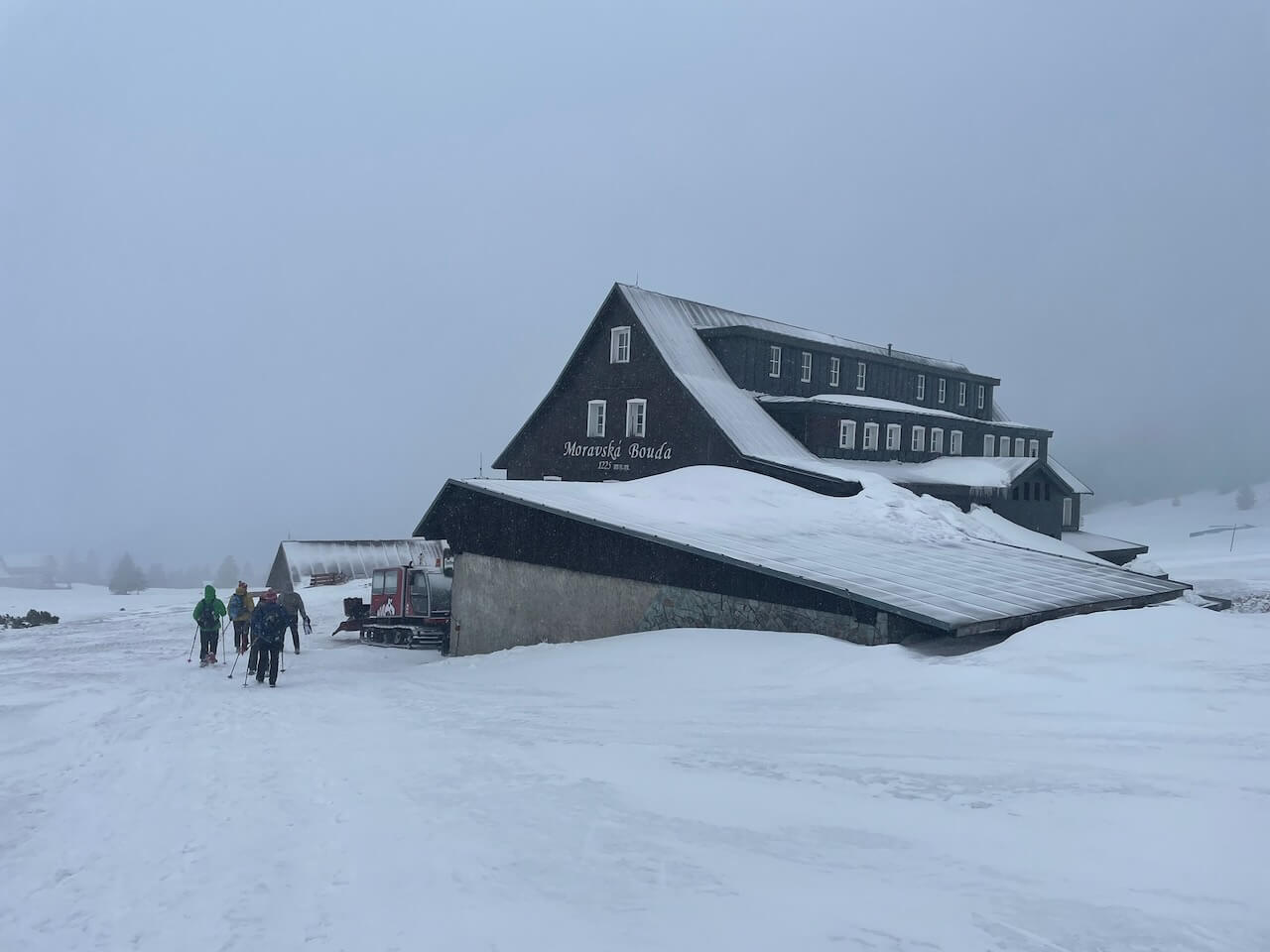
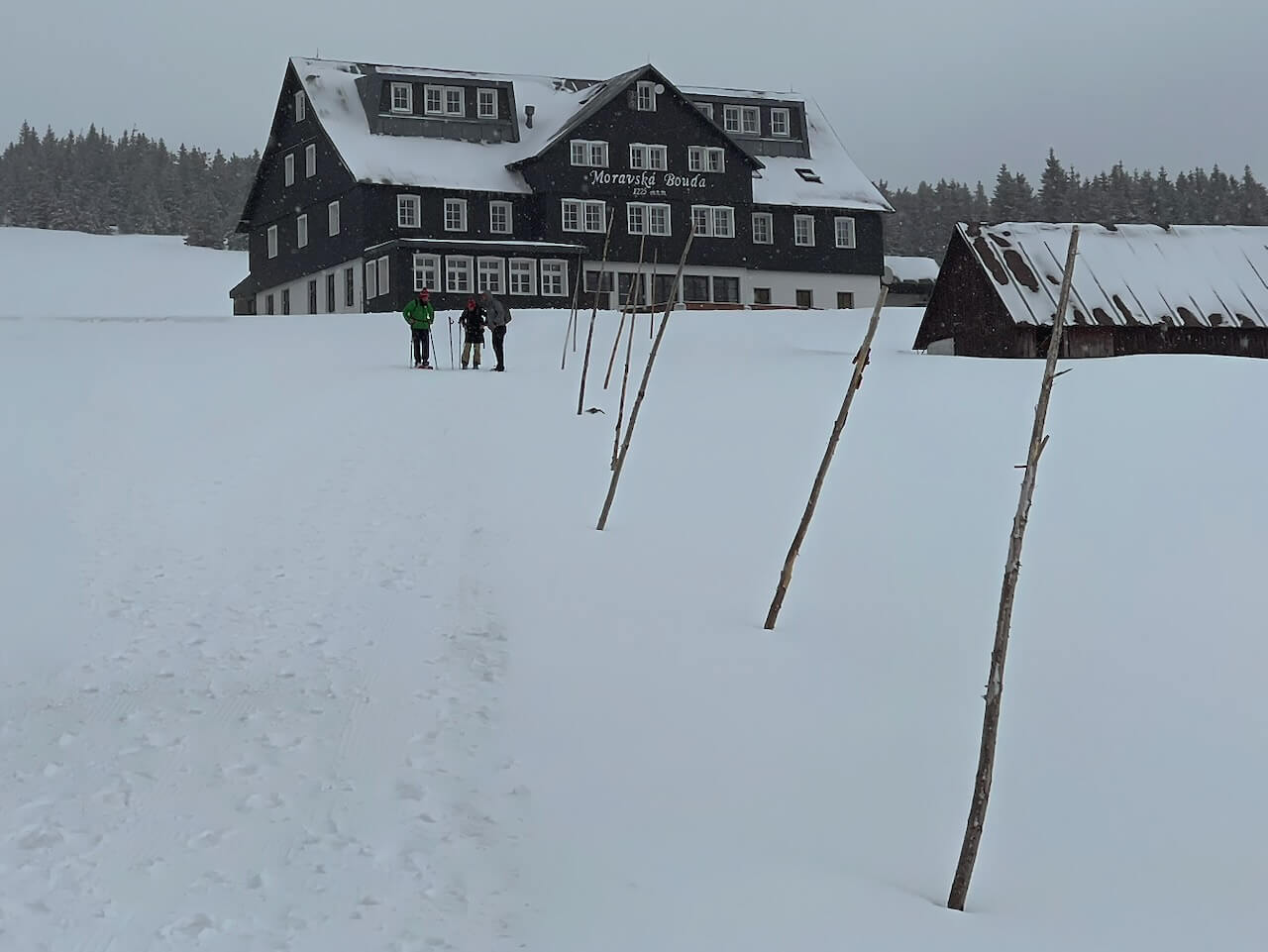
By the time Moravska Bouda emerged from the fog, it felt less like a building and more like a reward. Solid, dark, and stubbornly standing there as if to say, “Yes, you made it. No, it wasn’t easy.” Boots came off, layers were abandoned, and the kind of tired happiness set in that only appears after a long walk with good people. Outside, snow kept falling. Inside, the night settled comfortably around us. Somewhere between the last steps of the day and the first moment of rest, Spindleruv Mlyn quietly worked its magic — the kind that doesn’t shout, doesn’t rush, and definitely doesn’t care how many steps your watch recorded.

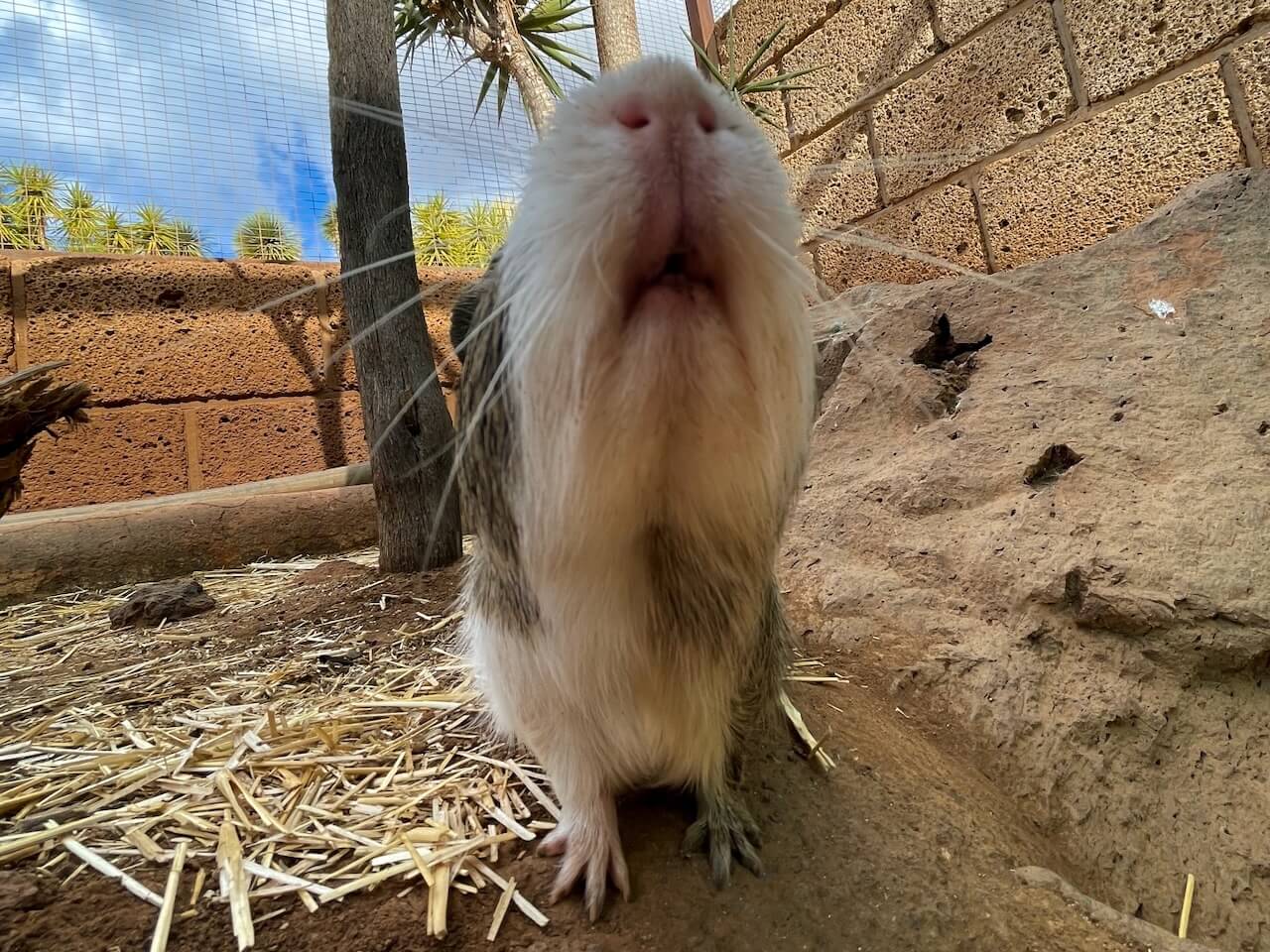
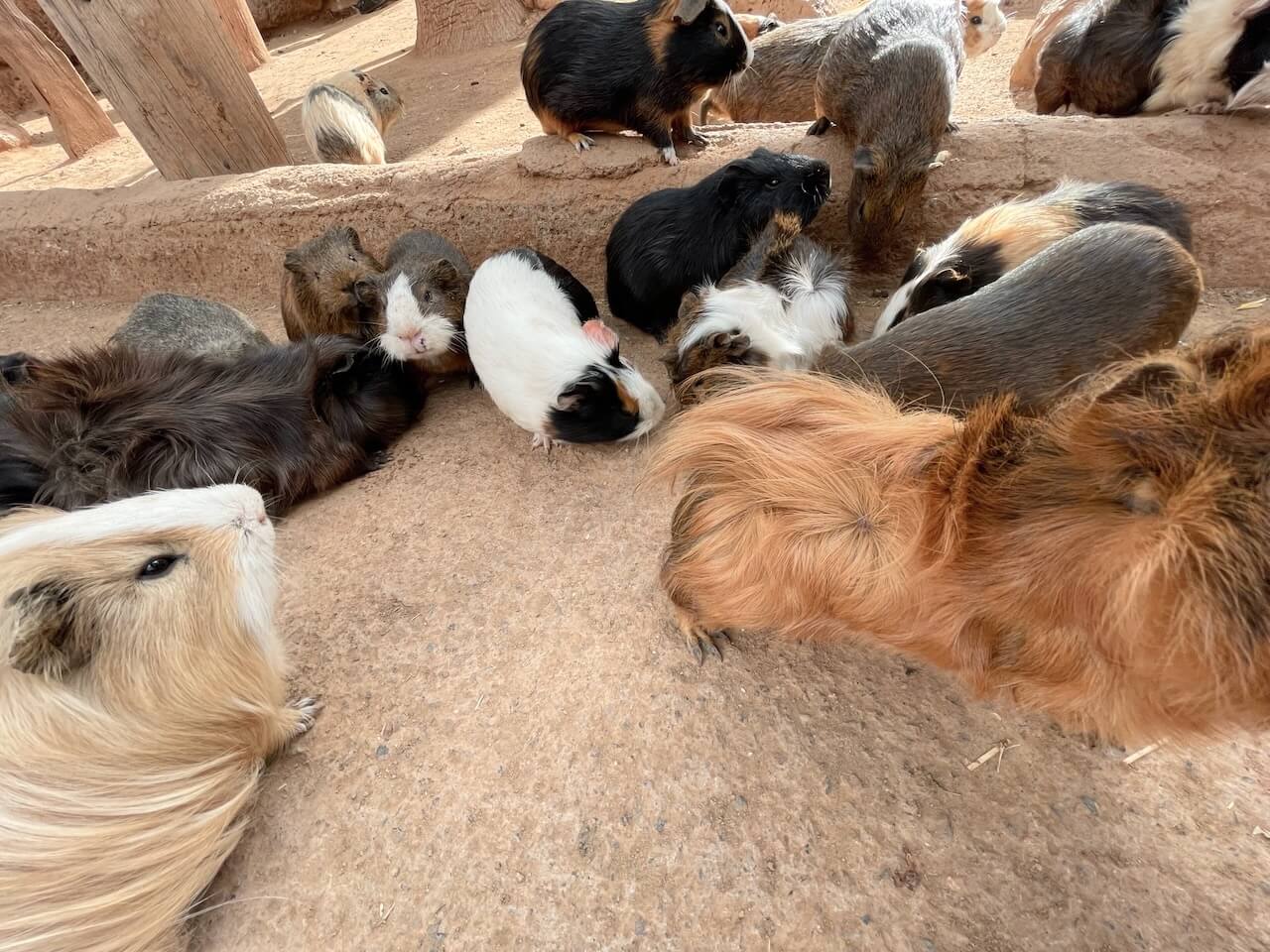
Tenerife and the Day We Were Outnumbered by Guinea Pigs

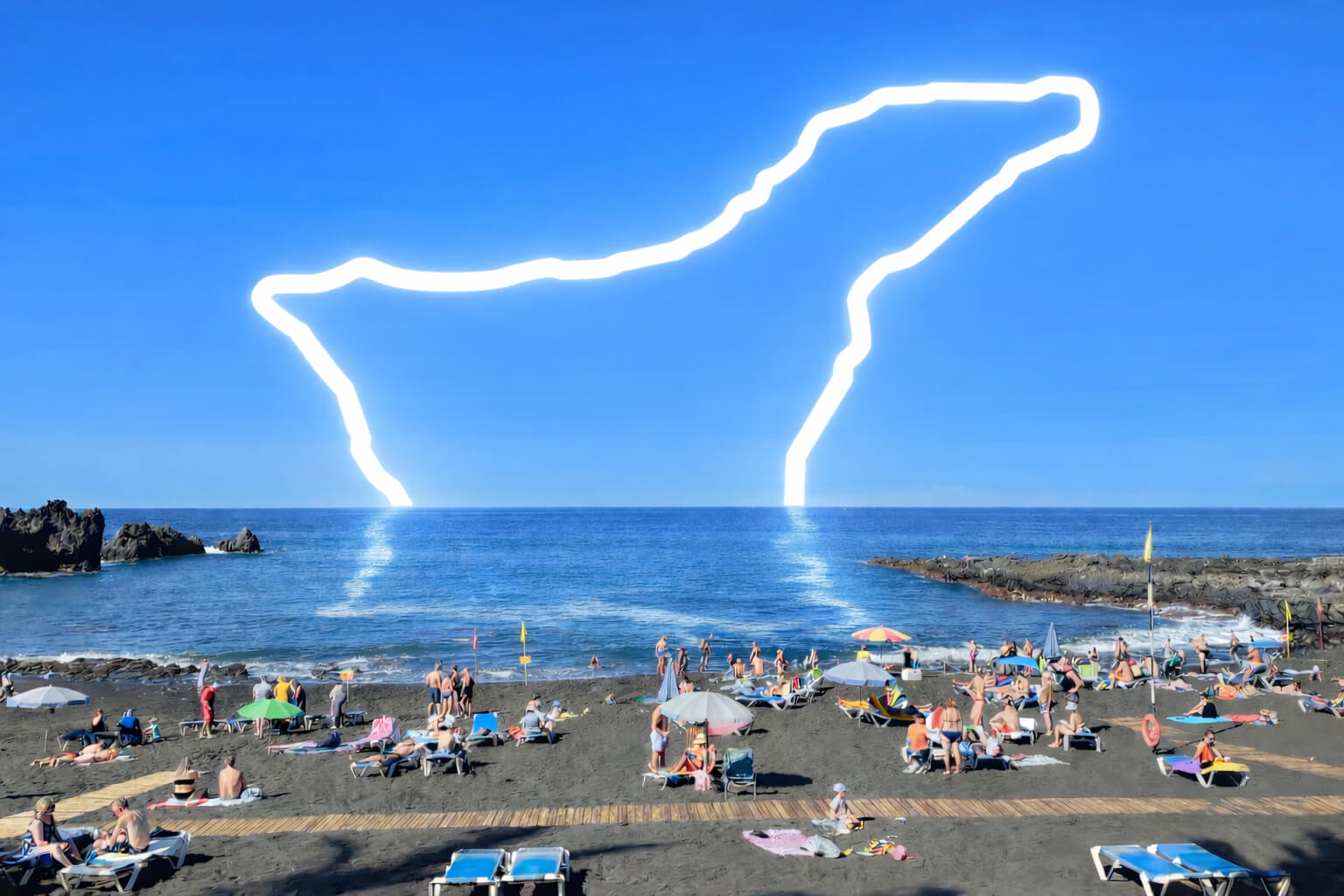
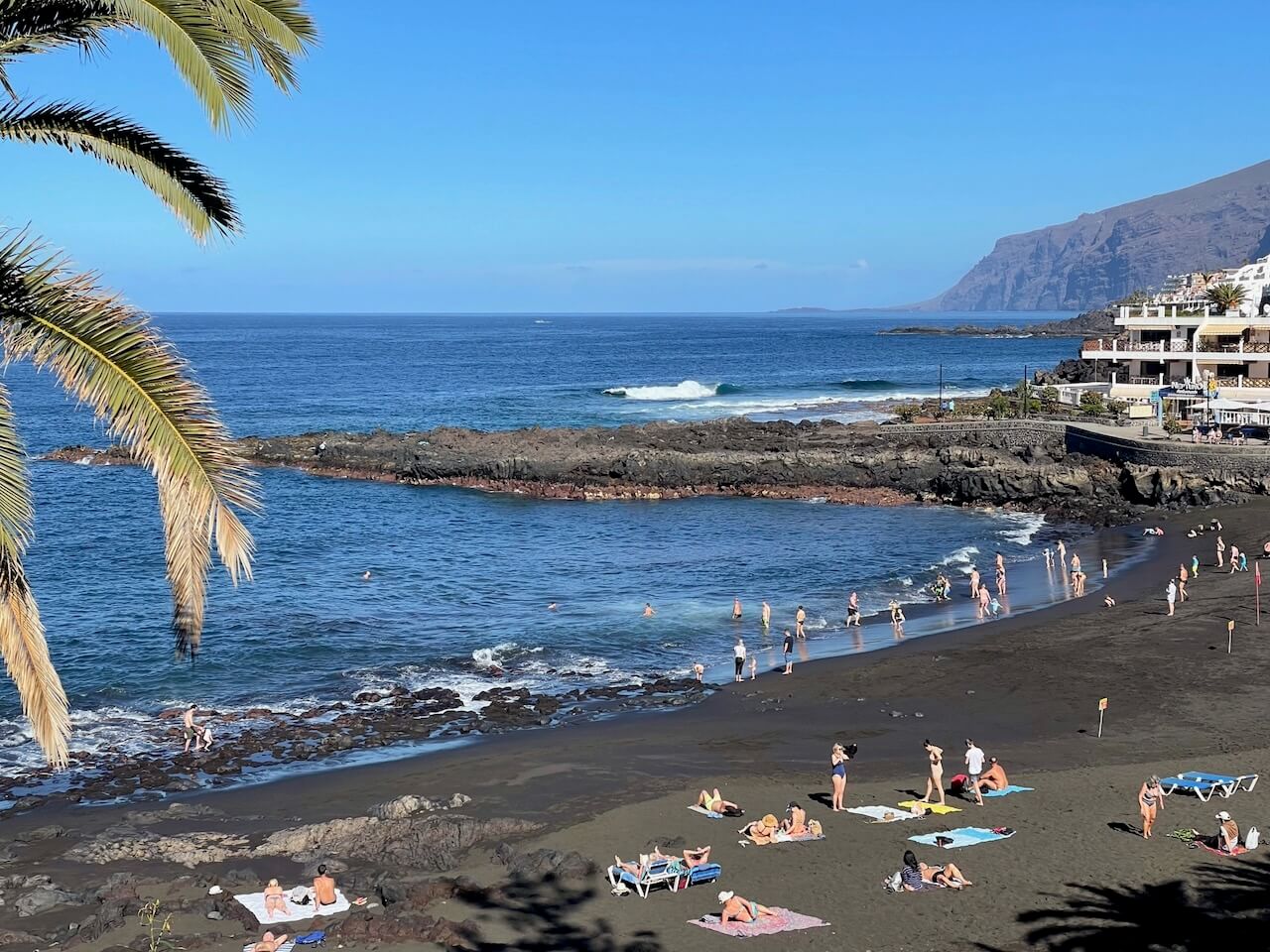
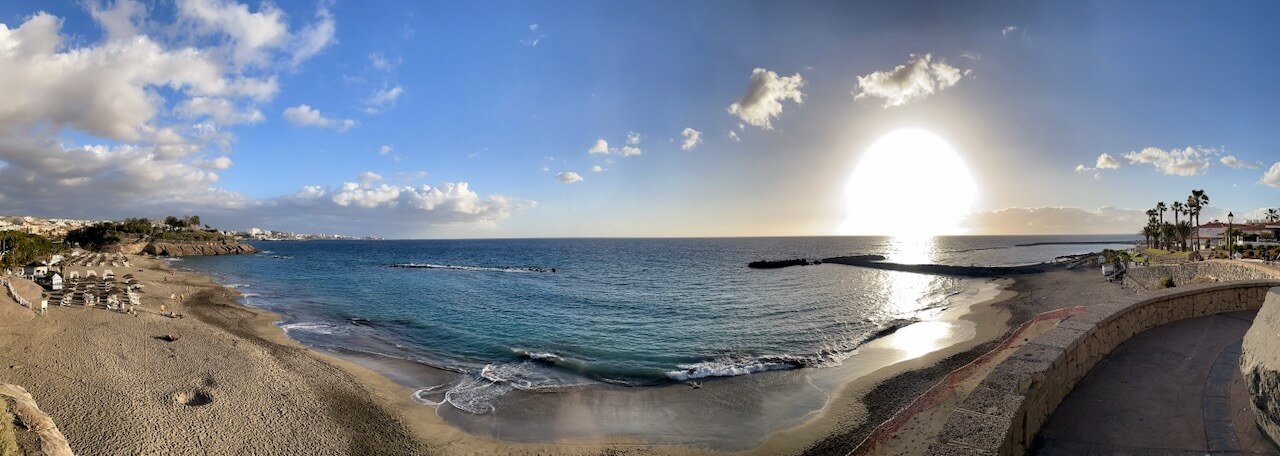
Tenerife mornings start politely, like they don’t want to scare you off. Soft light, calm ocean, that feeling that you woke up exactly where you were supposed to be. Somewhere between the first coffee and the first long walk, the island quietly slips into your system. You walk without urgency, past lava rocks smoothed by time and waves that seem permanently relaxed. The sea keeps changing colors like it’s indecisive, and you don’t mind following it just to see what shade comes next.

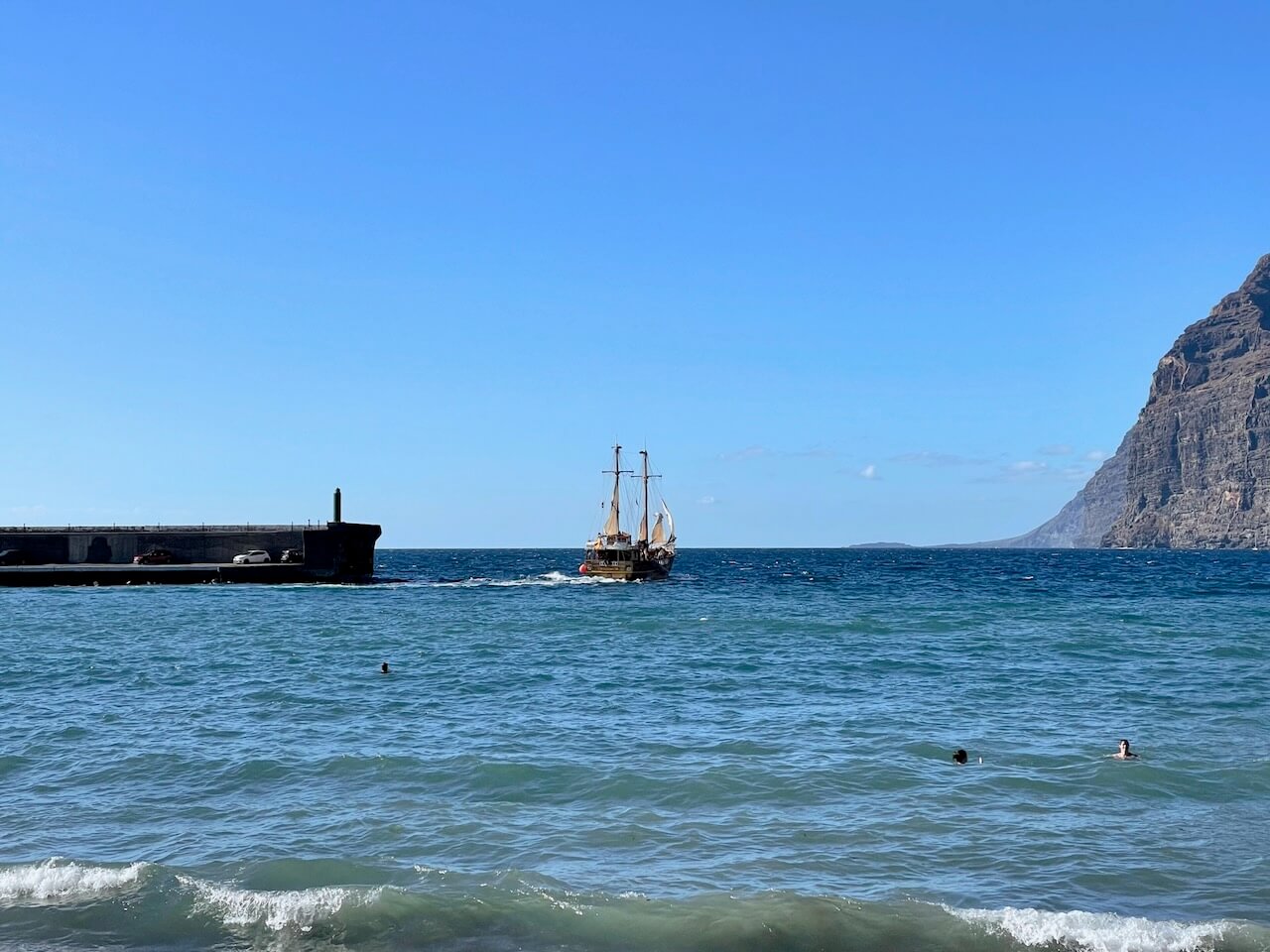
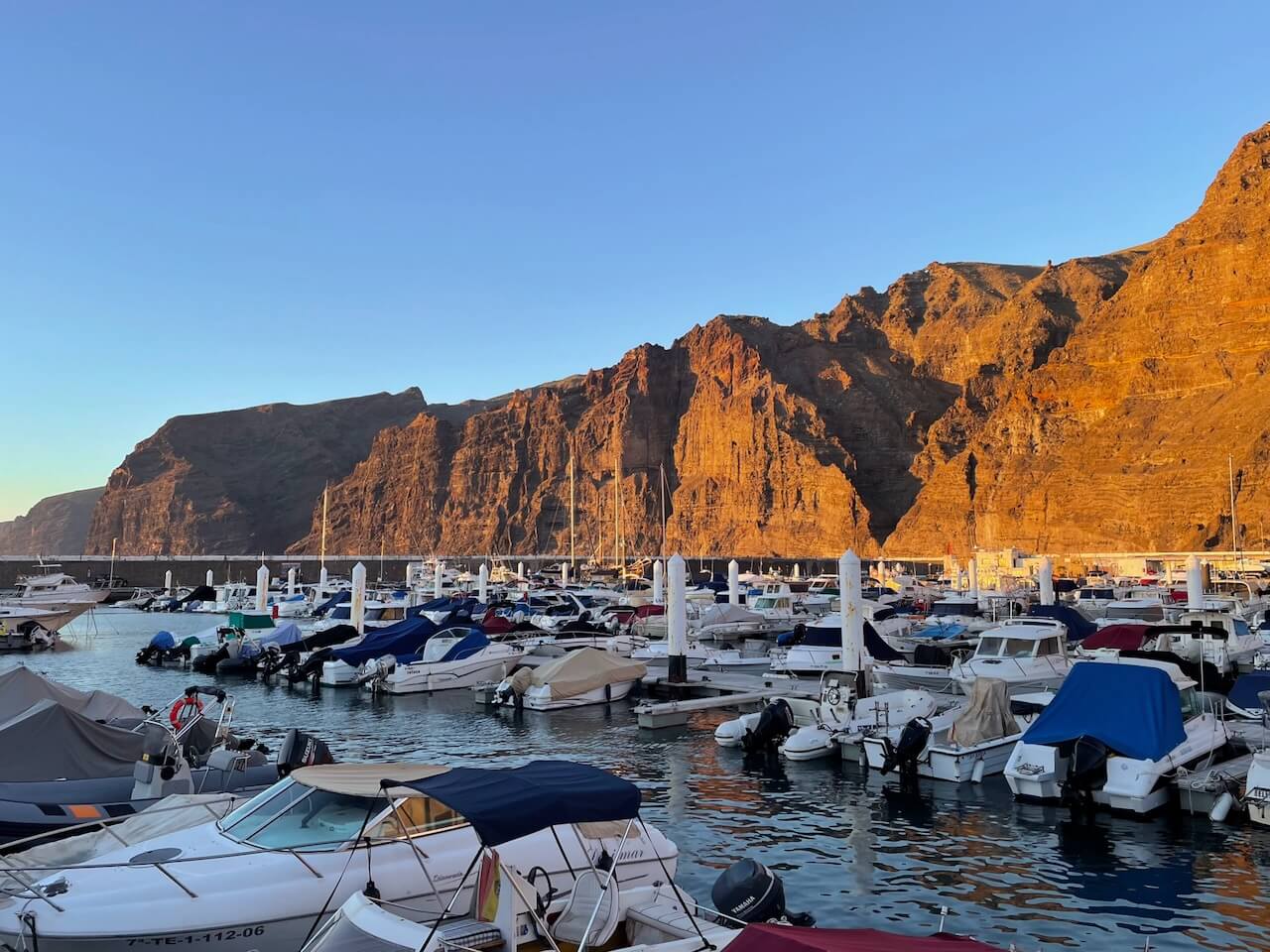
Down by the water, life unfolds at a very reasonable pace. Boats drift in and out of harbors framed by cliffs that look almost fake in the golden light. Los Gigantes doesn’t just exist, it dominates, towering over marinas full of neatly parked boats that clearly know who’s in charge here. Even the ocean seems to behave differently under those cliffs, a little calmer, a little deeper, as if lowering its voice out of respect.

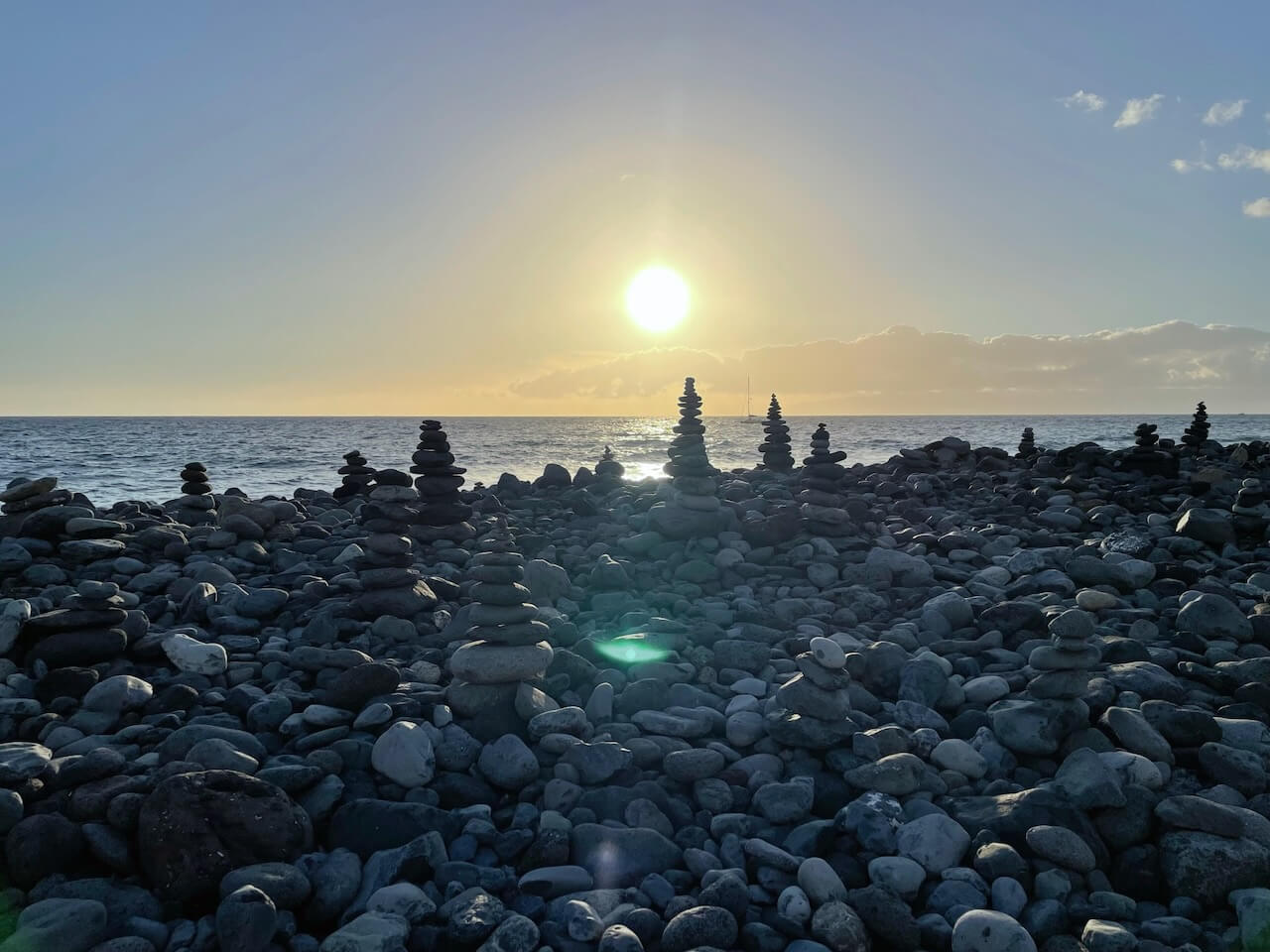
Somewhere along the way, walking turns into thinking, and thinking turns into nothing at all. Beaches stretch out like invitations you don’t have to RSVP to. Dark stones stack themselves into tiny towers, built by strangers who clearly had time and patience to spare. You sit, you watch the sun hover dramatically above the horizon, and for a moment everything feels perfectly balanced – rocks, light, water, and you, doing absolutely nothing useful.

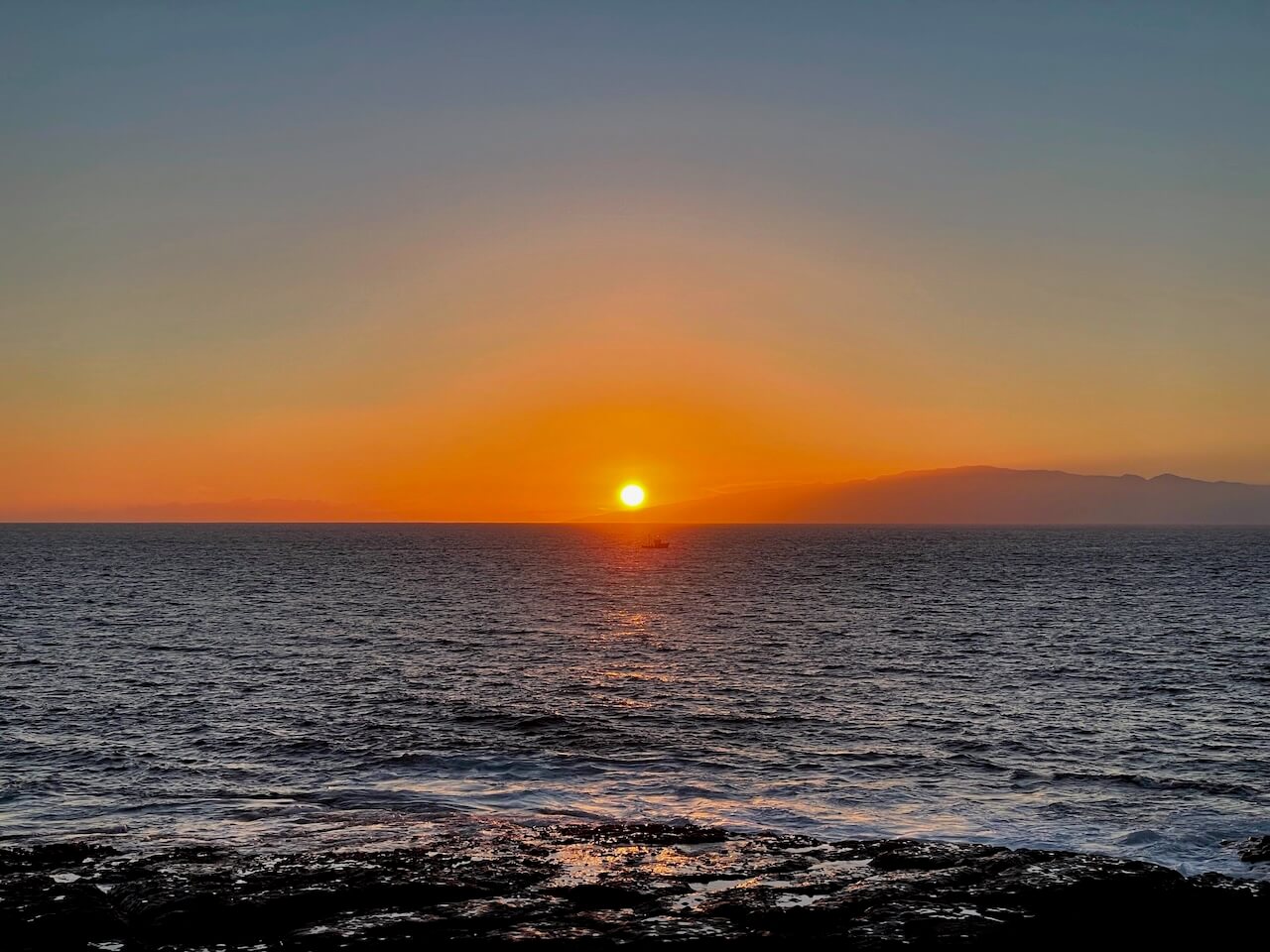
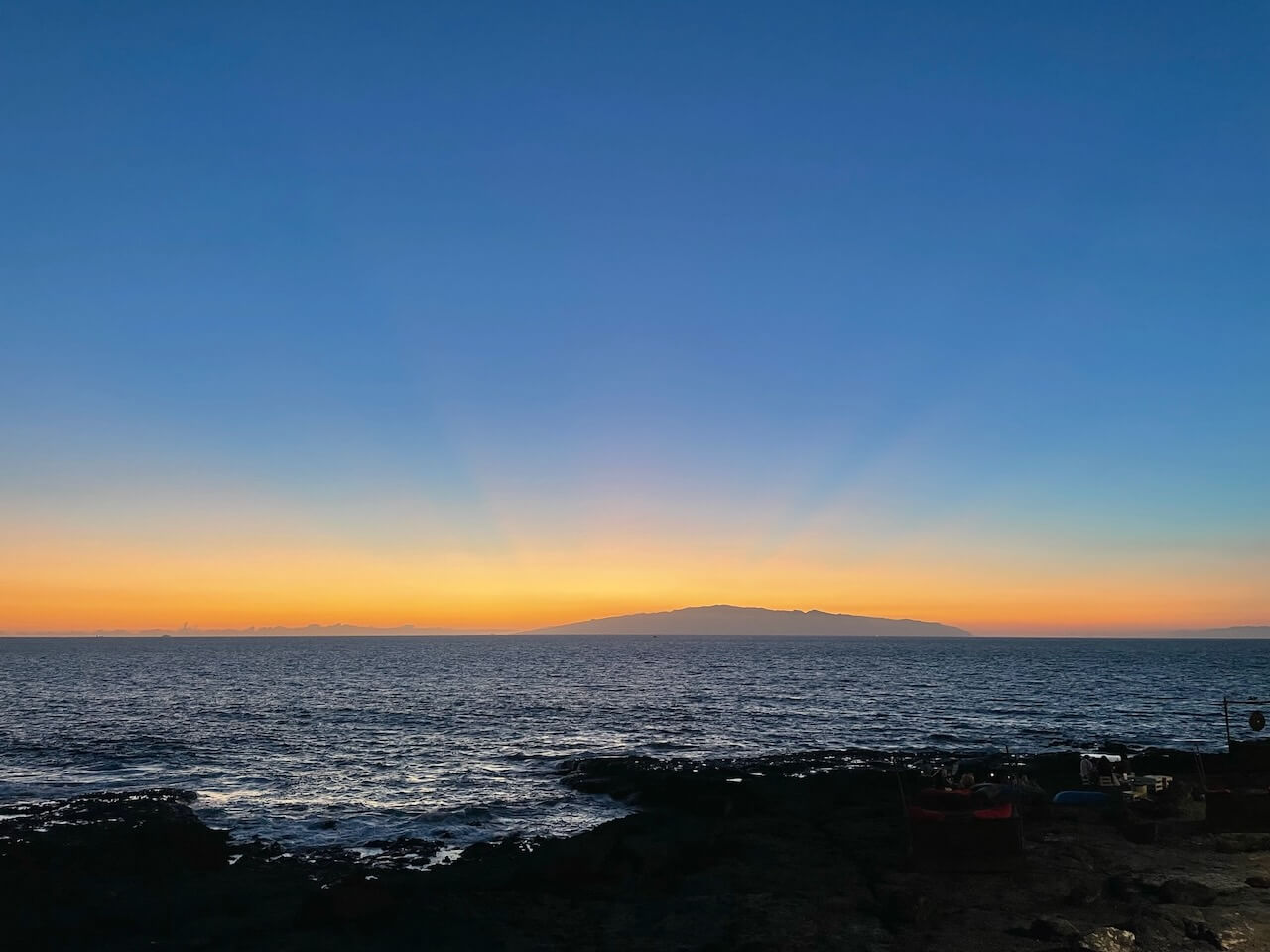
By sunset, Tenerife shows its favorite trick. The sky goes all in, colors melting into each other while the ocean reflects every single decision the sun makes. People pause mid-conversation, mid-walk, mid-life, just to watch it happen. When the light finally fades, the island doesn’t rush you away. It just stays there, calm and confident, knowing you’ll probably come back tomorrow for another long walk and another quiet wow.

Malmö for a Day: Wind, Water, Coffee, and Very Happy Dogs

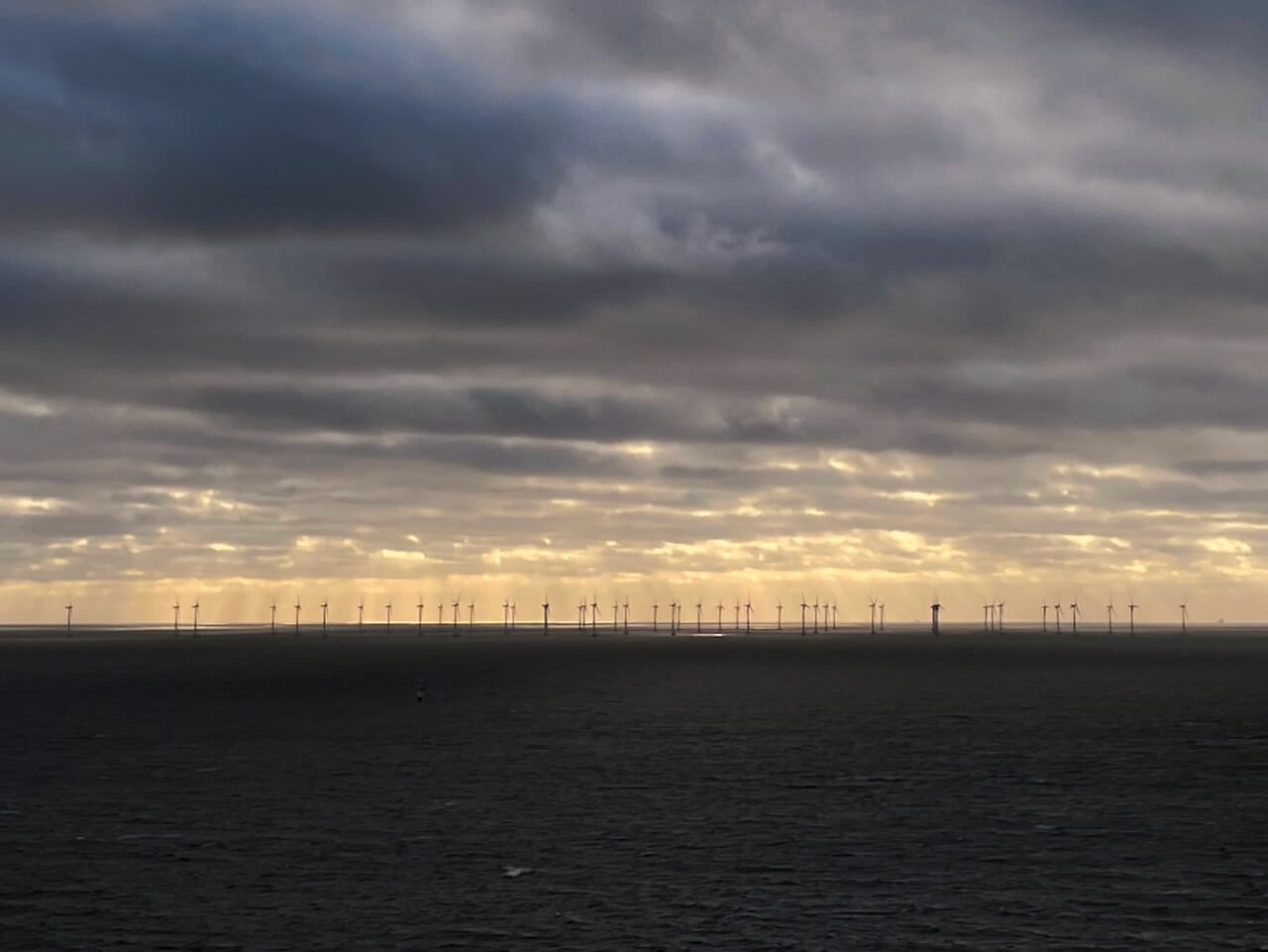
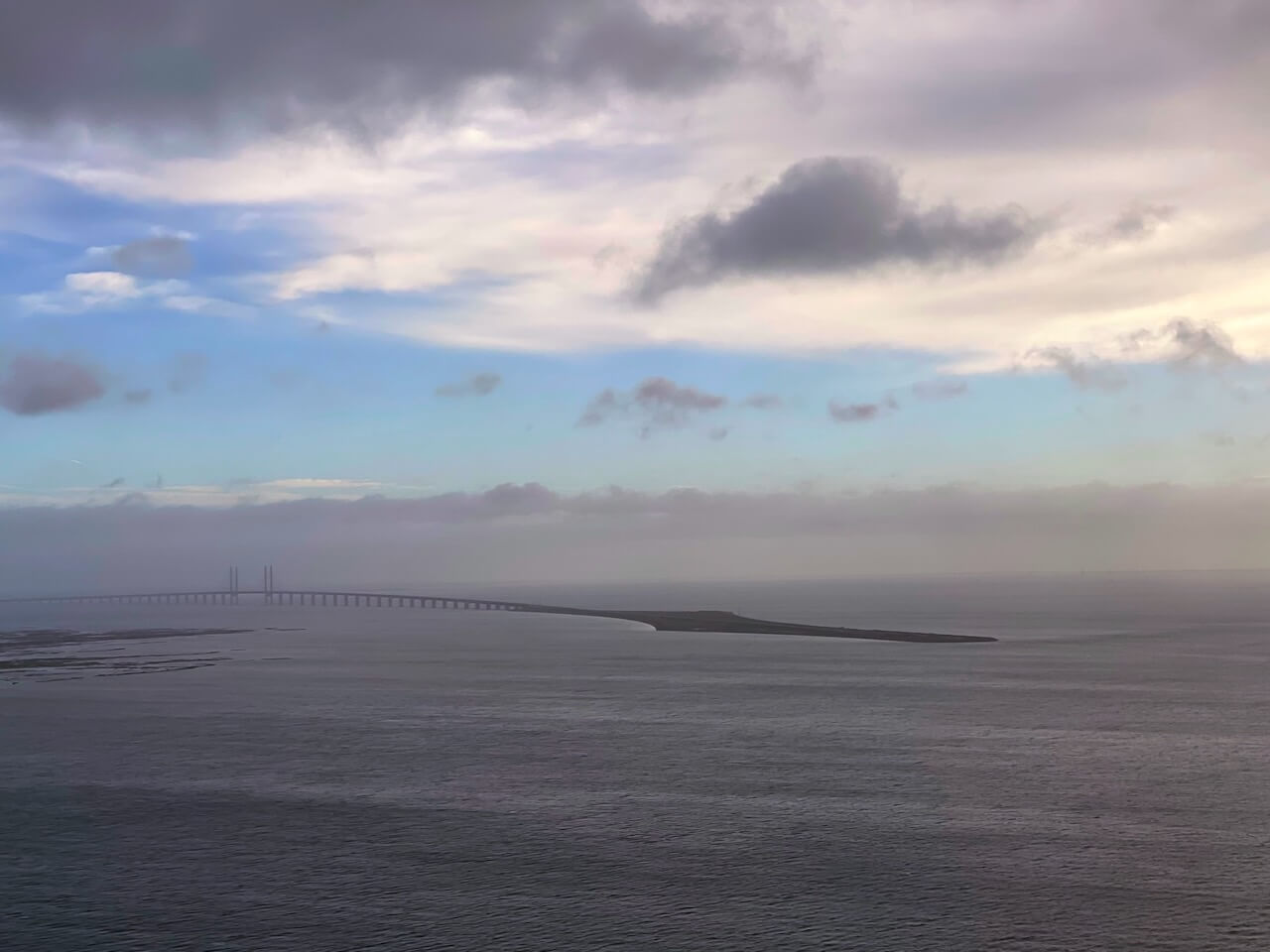
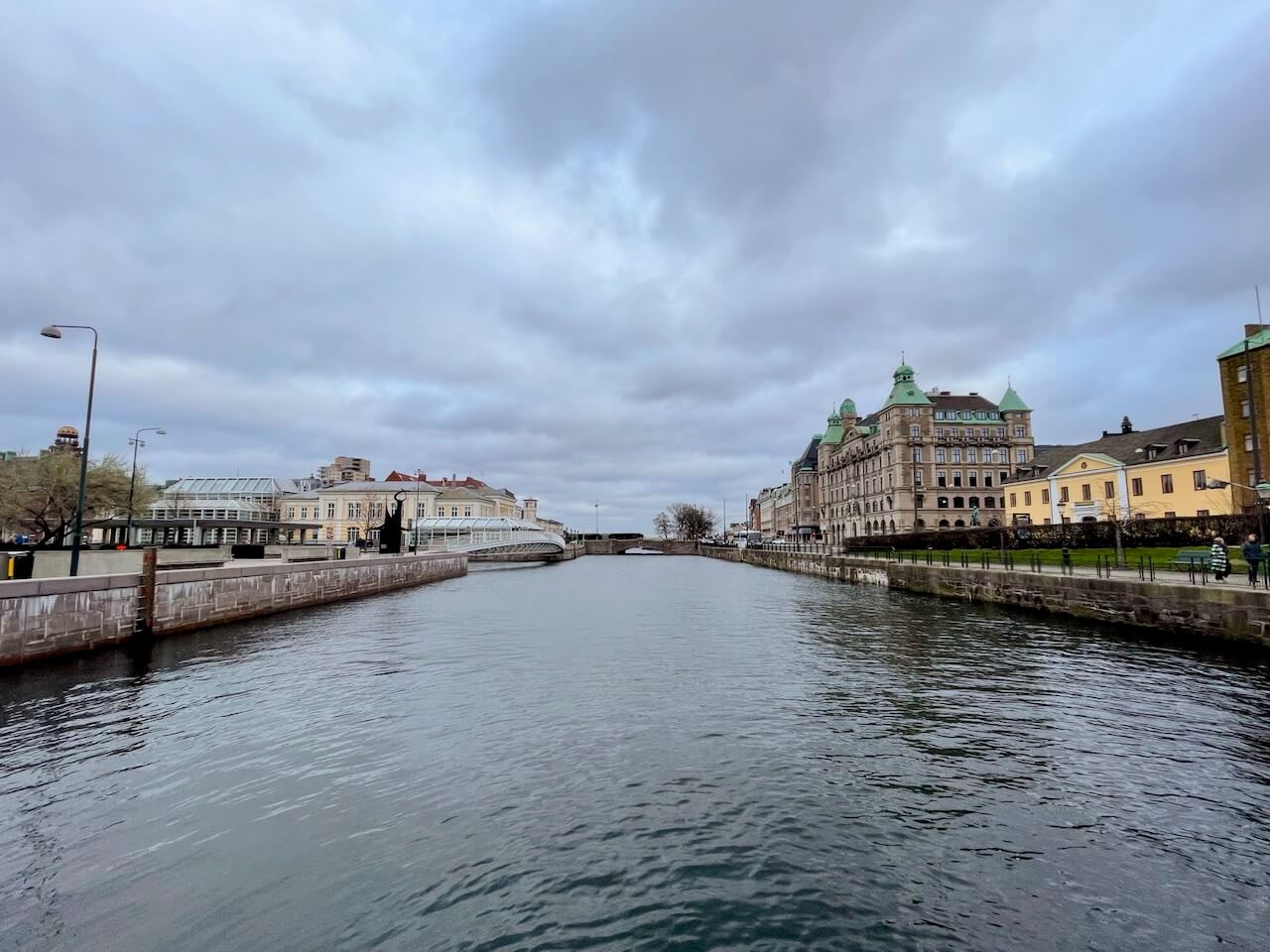
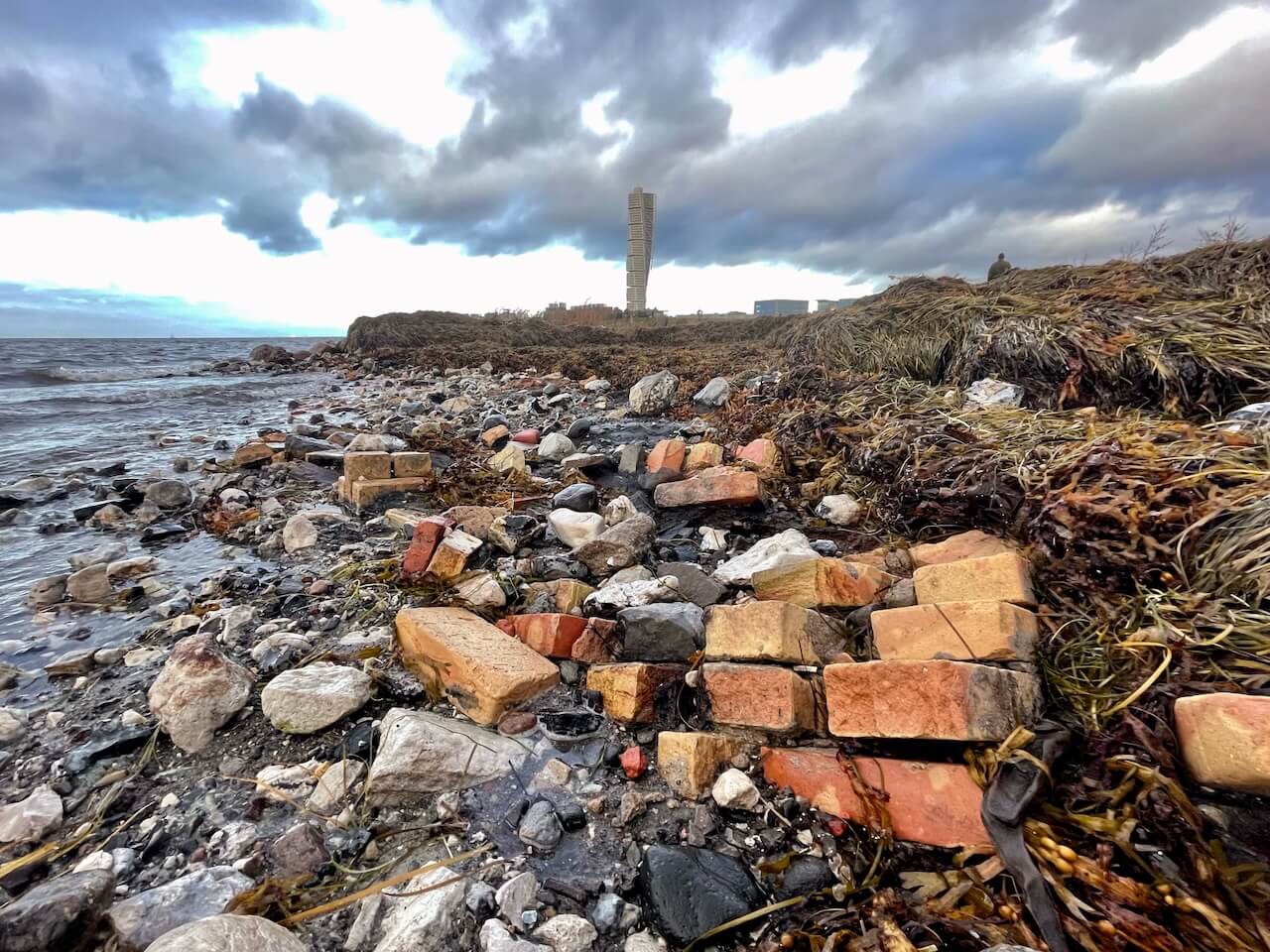
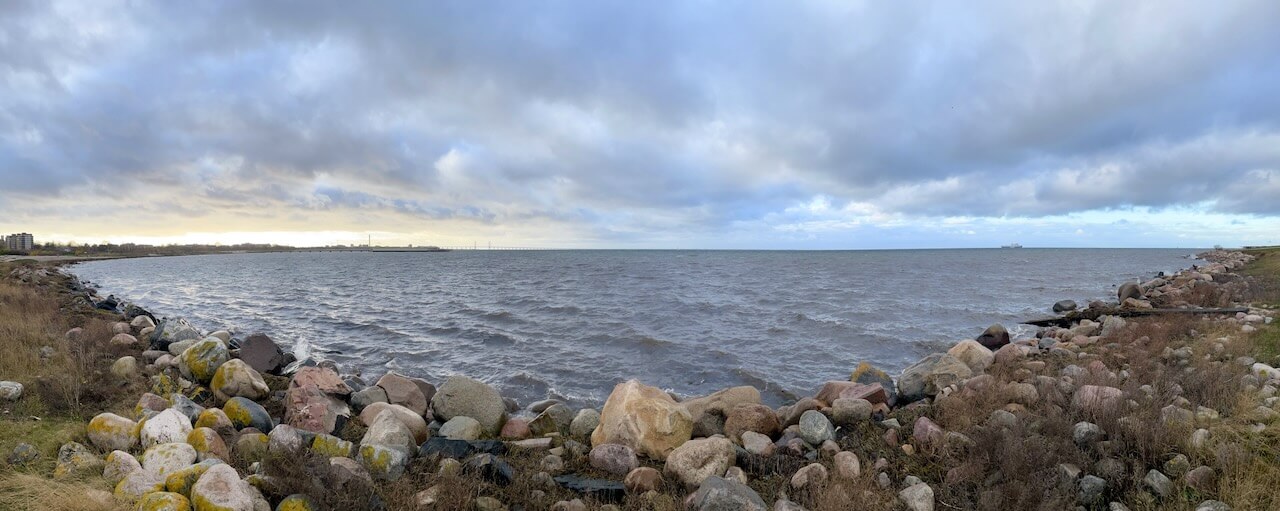
Malmö felt like that effortlessly cool neighbor who borrows your charger and somehow makes it look like a lifestyle choice. One short train ride from Copenhagen and suddenly the air changed, the light softened, and the sea stretched out like it had all the time in the world. The bridge loomed in the distance like a polite giant minding its own business, while the water below looked calm, cold, and very clear about not wanting anyone to swim in it. We stood there anyway, staring dramatically at the horizon, pretending we were deep thinkers and not just mildly underdressed.
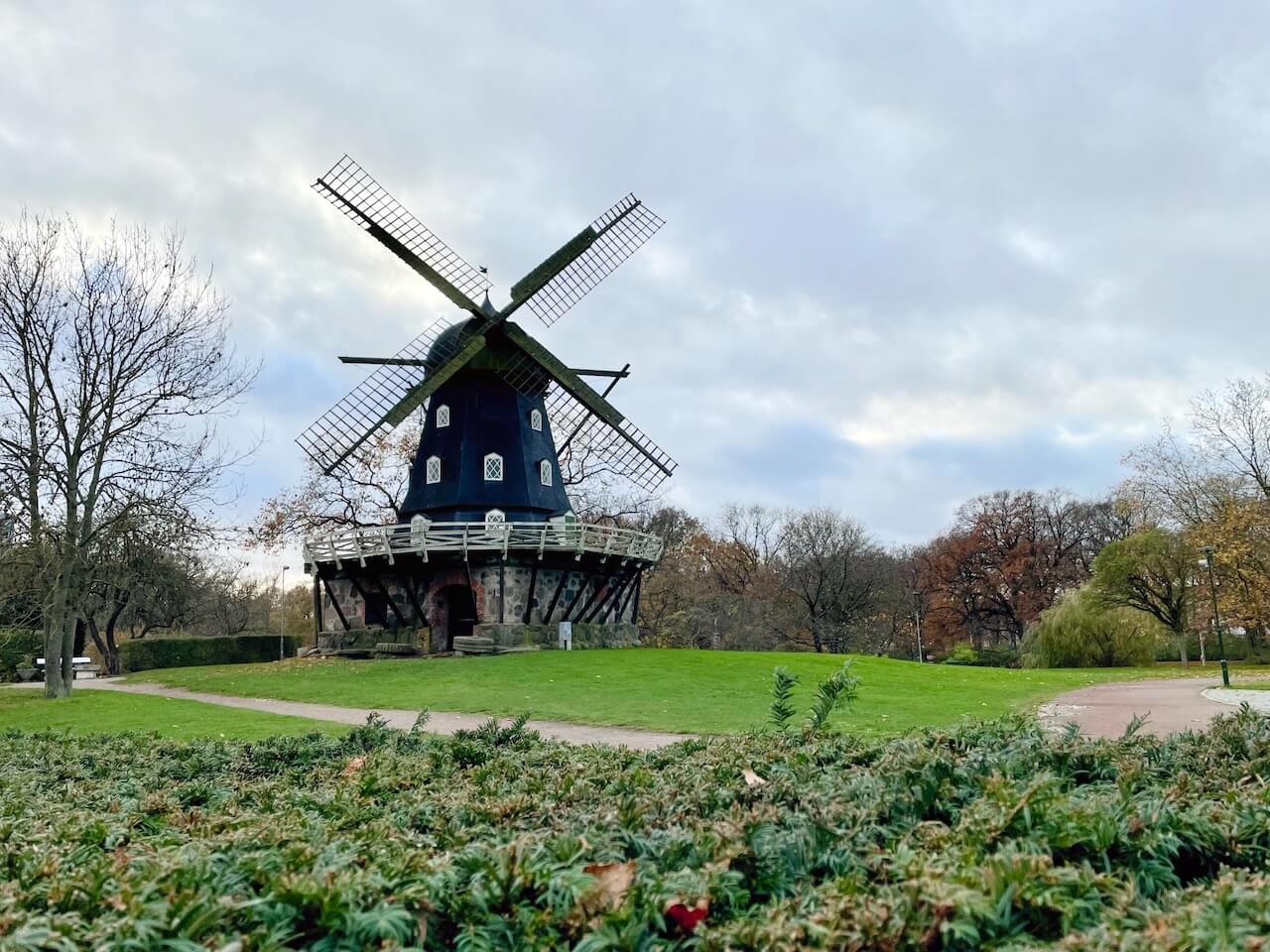
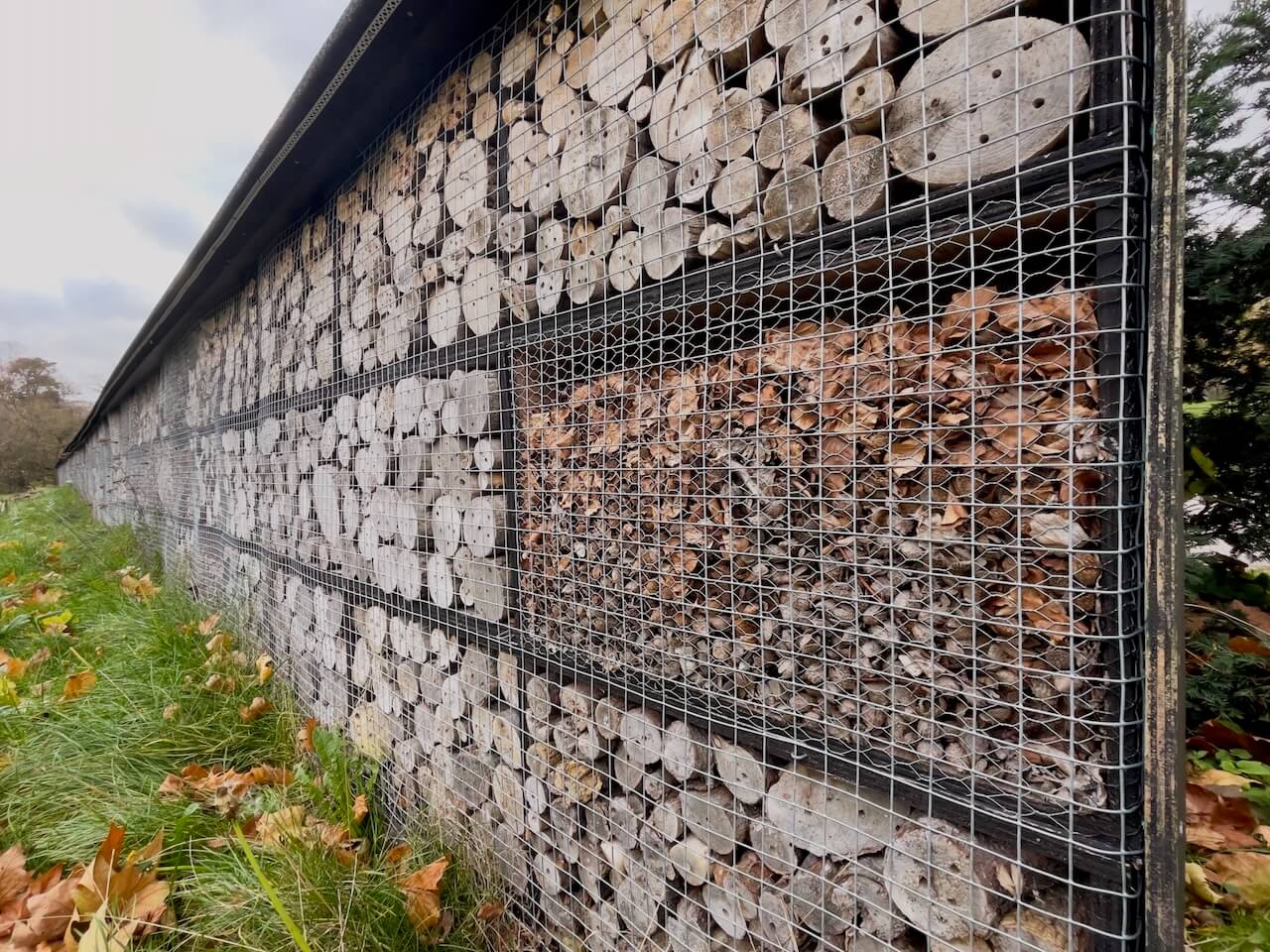
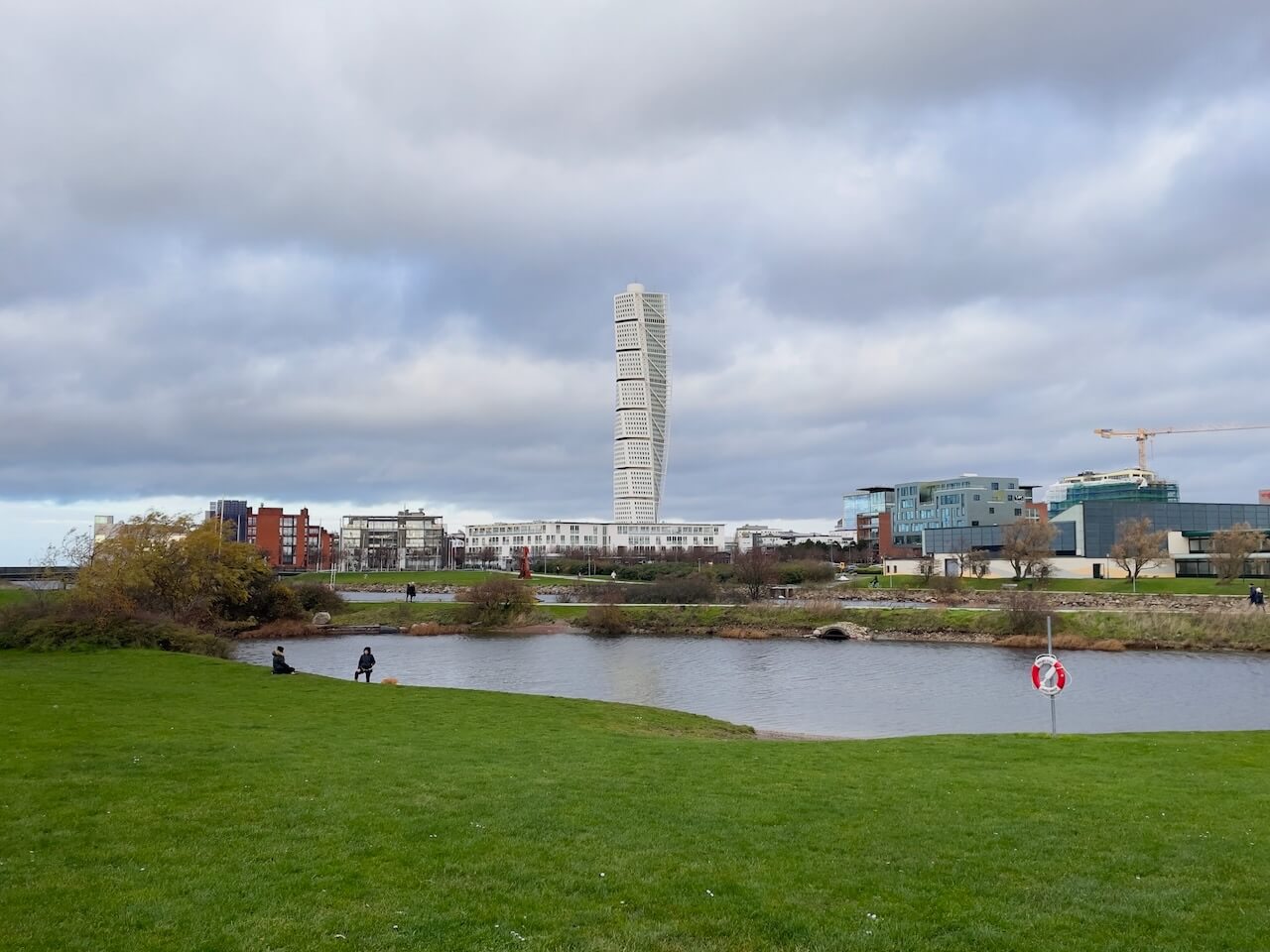
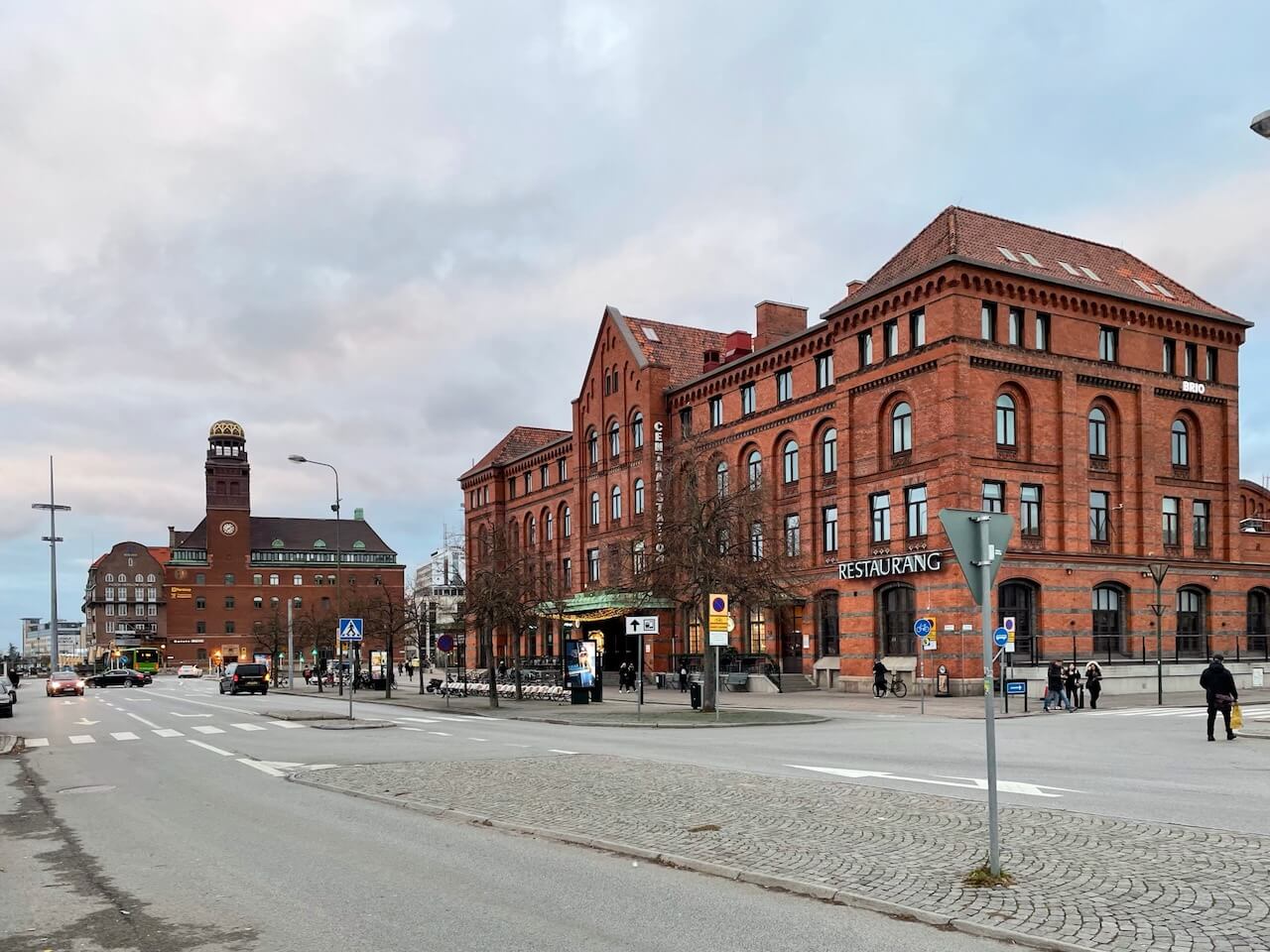
The city itself unfolded slowly, as if Malmö didn’t want to overwhelm us all at once. Canals slid quietly between elegant buildings, parks appeared exactly when our legs needed them, and a very serious windmill stood there pretending it wasn’t ridiculously photogenic. Somewhere along the way we discovered walls full of carefully stacked wood that looked like modern art with a very practical backup plan. The skyline surprised us too, with a twisting tower rising up like it had briefly considered being normal and then changed its mind.

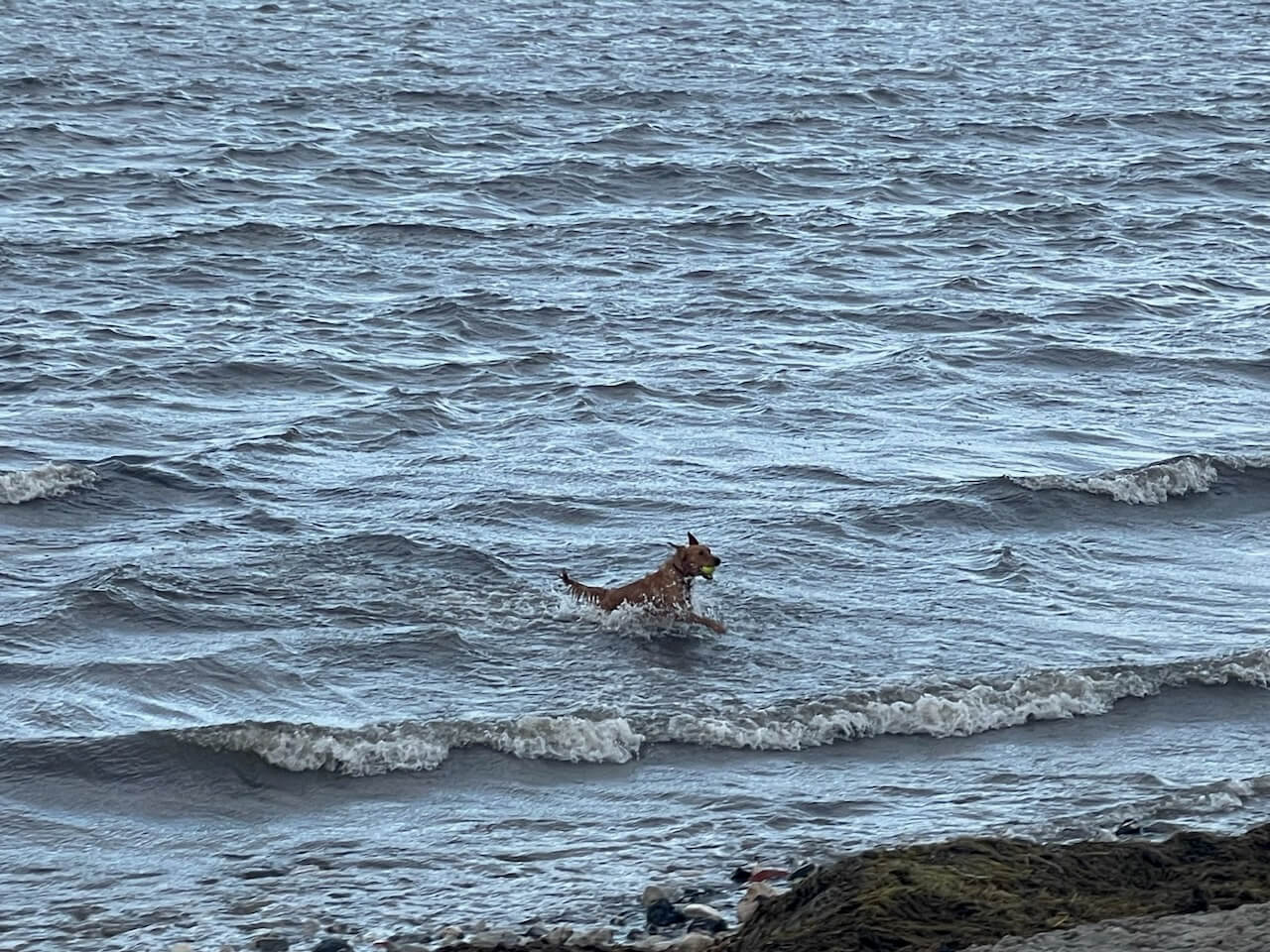
And then there were the dogs. Confident, slightly wet, living their best lives in the cold sea like it was a spa day instead of borderline madness. Watching them splash around made the rest of us feel both inspired and deeply aware of our poor life choices. Thankfully, Malmö understands emotional recovery, which is where the coffee comes in. Warm, strong, and exactly what you want after being emotionally humbled by Scandinavian dogs. By the time we headed back, cheeks pink from wind and caffeine, Malmö had done its job — a short visit, a big smile, and just enough charm to make us promise we’d be back.

Copenhagen, Where the Water Glows and Dinner Feels Like a Celebration

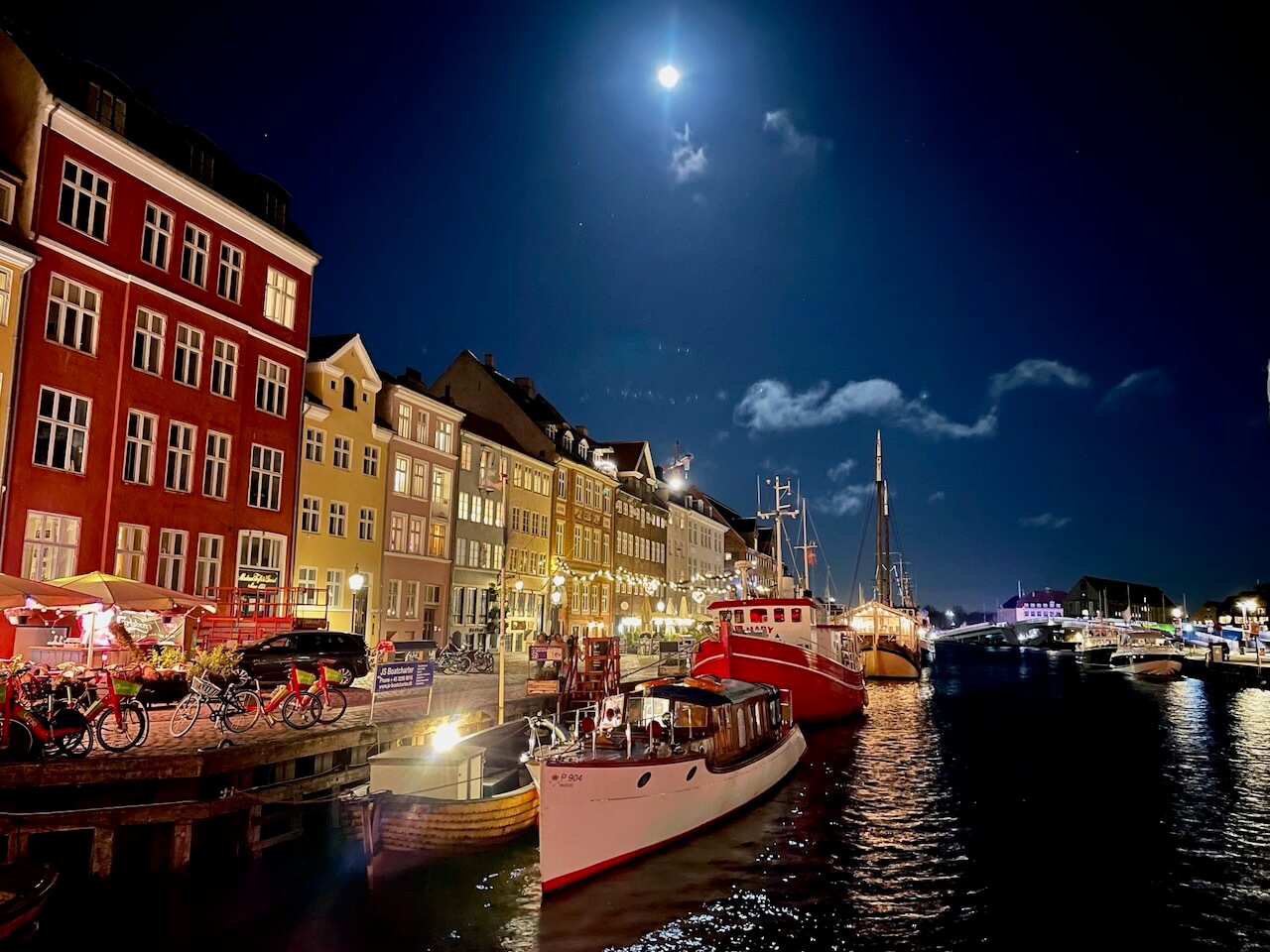
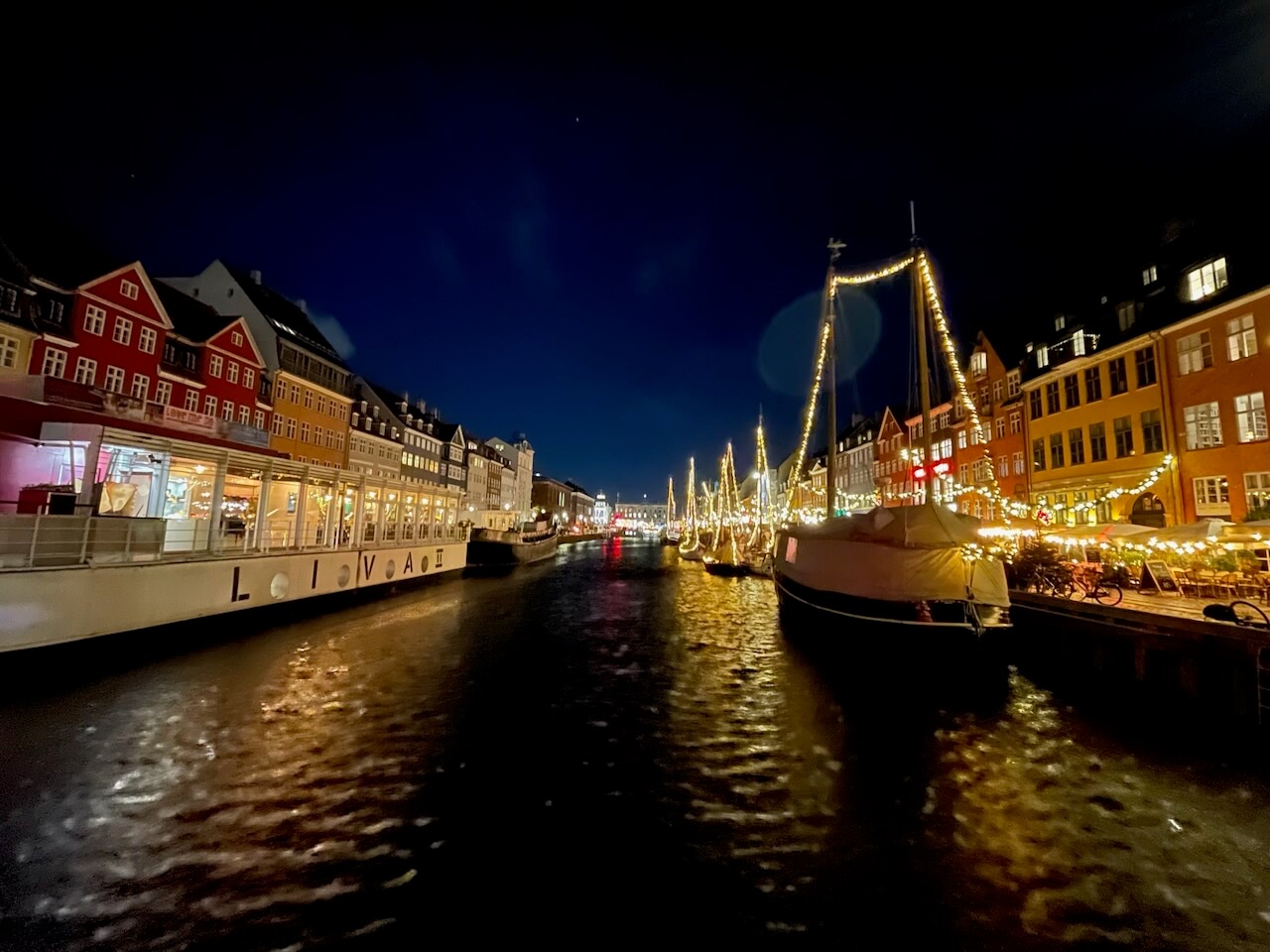
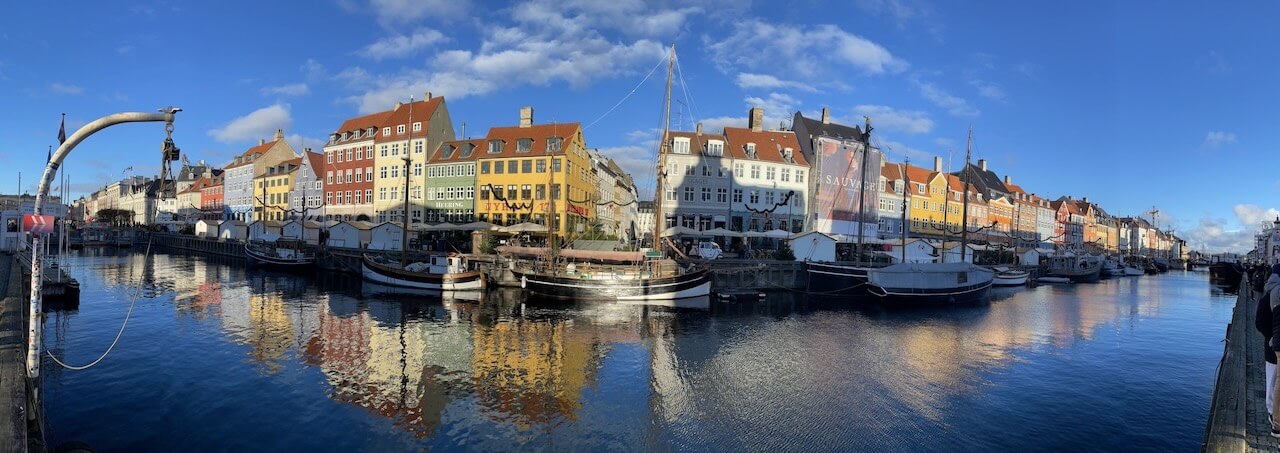
Copenhagen greeted us the way only confident cities do — by casually looking incredible without trying too hard. Nyhavn was doing its usual magic trick: colorful houses lined up like they’d agreed on a dress code, boats gently rocking as if posing for photos, and reflections in the water so perfect they felt suspicious. We wandered along the canal pretending not to stop every ten meters to stare, while the moon hung above the harbor like it had specifically cleared its schedule for this view. The city felt calm but alive, as if everyone had collectively decided to slow down and enjoy the evening properly.

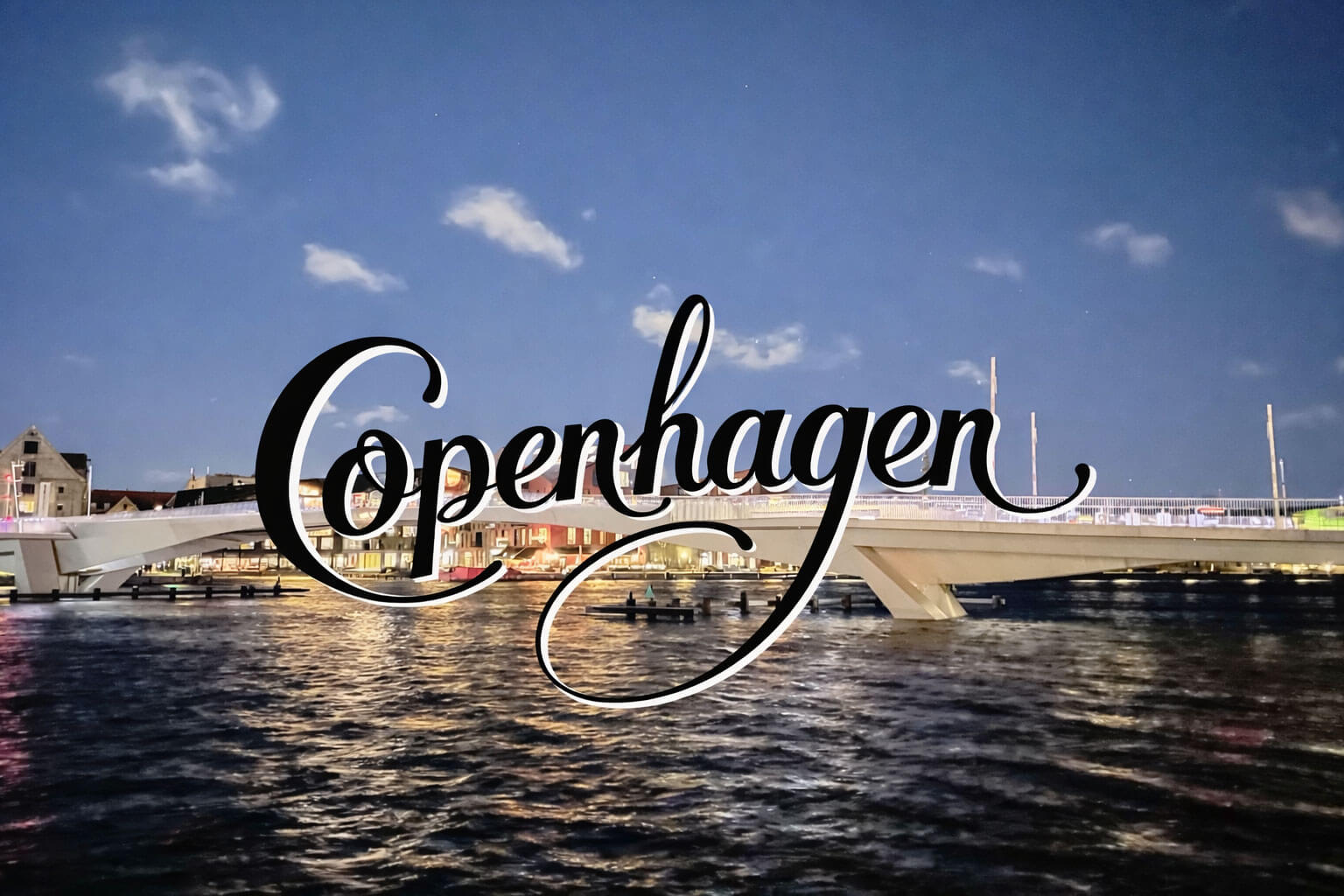
Later, crossing the harbor felt like stepping into a postcard that had accidentally come to life. Inderhavnsbroen stretched elegantly over the water, modern and light, connecting old Copenhagen with the new without making a big deal out of it. Boats decorated with tiny lights floated below, and the water shimmered like it knew it was being watched. Somewhere nearby, oysters were being enjoyed straight from the harbor — salty, cold, and unbelievably fresh — which felt both luxurious and slightly rebellious, like we were getting away with something very Danish.
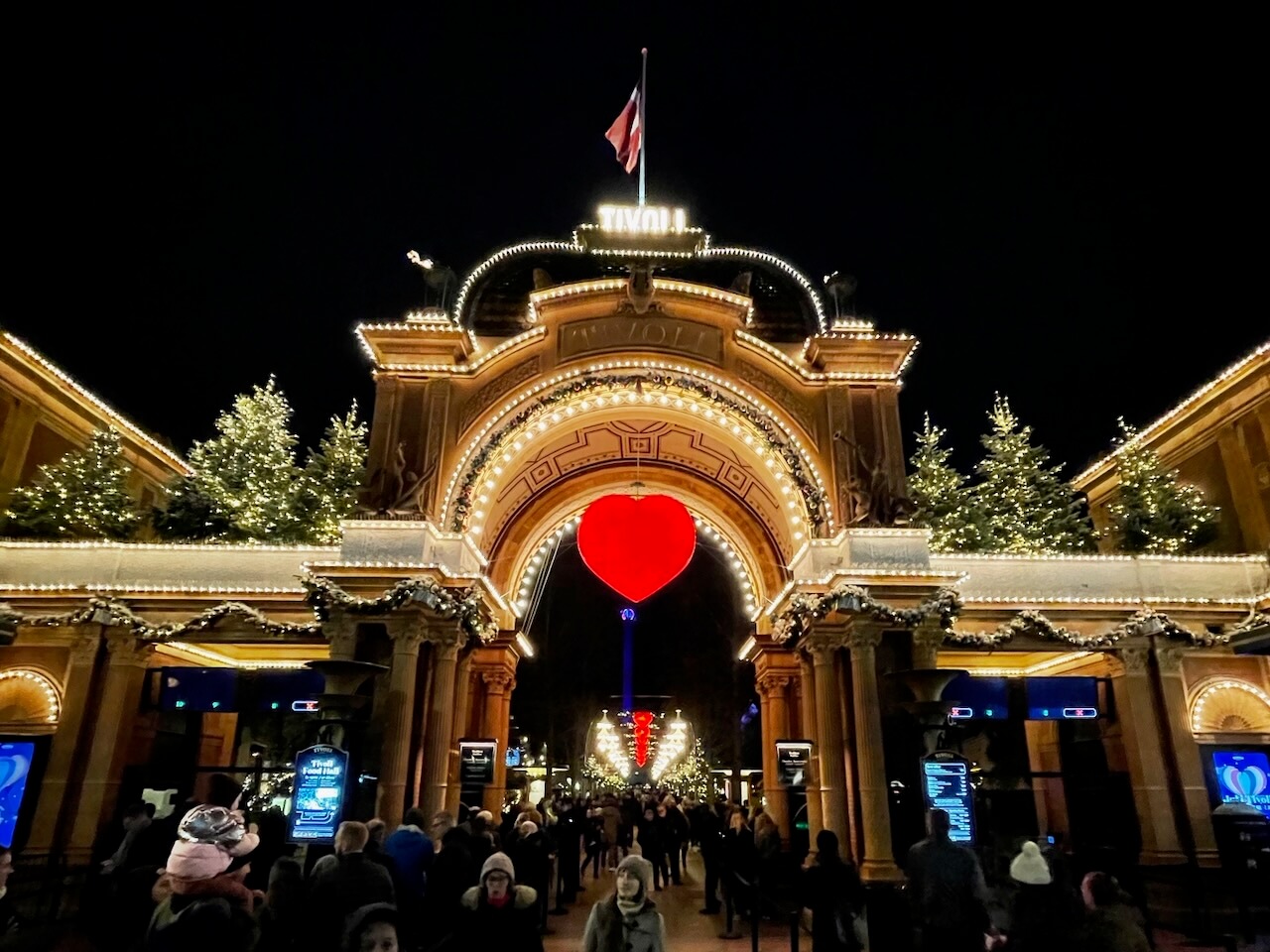
Tivoli, on the other hand, did not believe in subtlety and proudly sparkled its way into the night. The entrance glowed with lights, trees twinkled like they’d been professionally trained for the holidays, and the giant red heart hanging inside made the whole place feel oddly romantic and slightly ridiculous in the best way. Crowds flowed in happily, bundled up but smiling, proving that amusement parks don’t need roller coasters screaming for attention when atmosphere does all the heavy lifting.

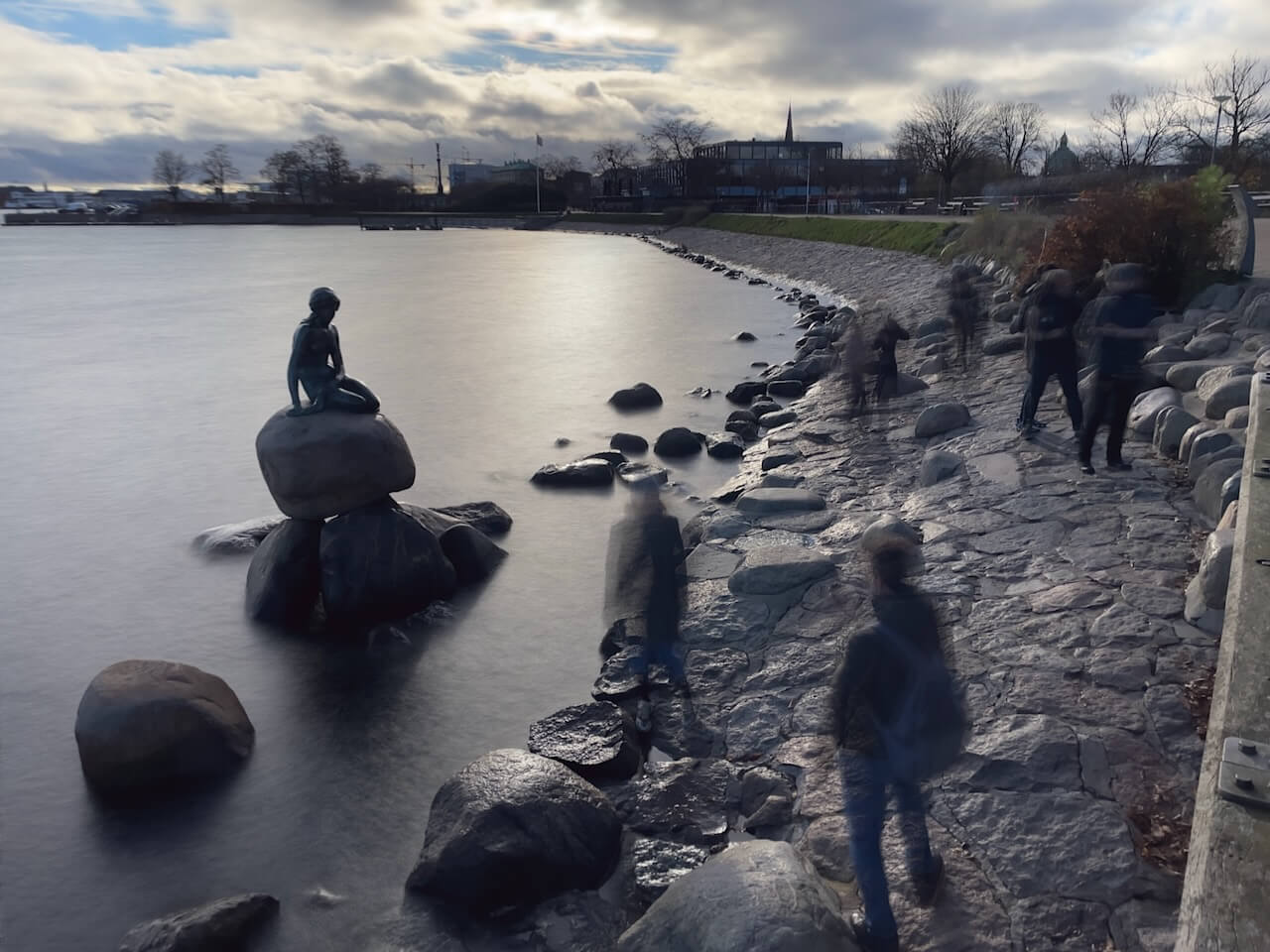
By daylight, Copenhagen softened even more. The Little Mermaid sat quietly on her rock, watching people drift by, clearly used to the attention but not impressed by it. Nearby, the city opened up into calm harbors, rows of boats resting like they had nowhere urgent to be, and grand buildings rising with the kind of elegance that doesn’t need explanation. Somewhere between long walks, surprisingly warm weather, and an excellent sushi dinner at Sticks ’n’ Sushi that made us question all previous sushi experiences, Copenhagen managed to feel relaxed, stylish, and effortlessly welcoming — the kind of place that doesn’t shout to be remembered, but somehow stays with you anyway.
Budapest, Taking Its Time

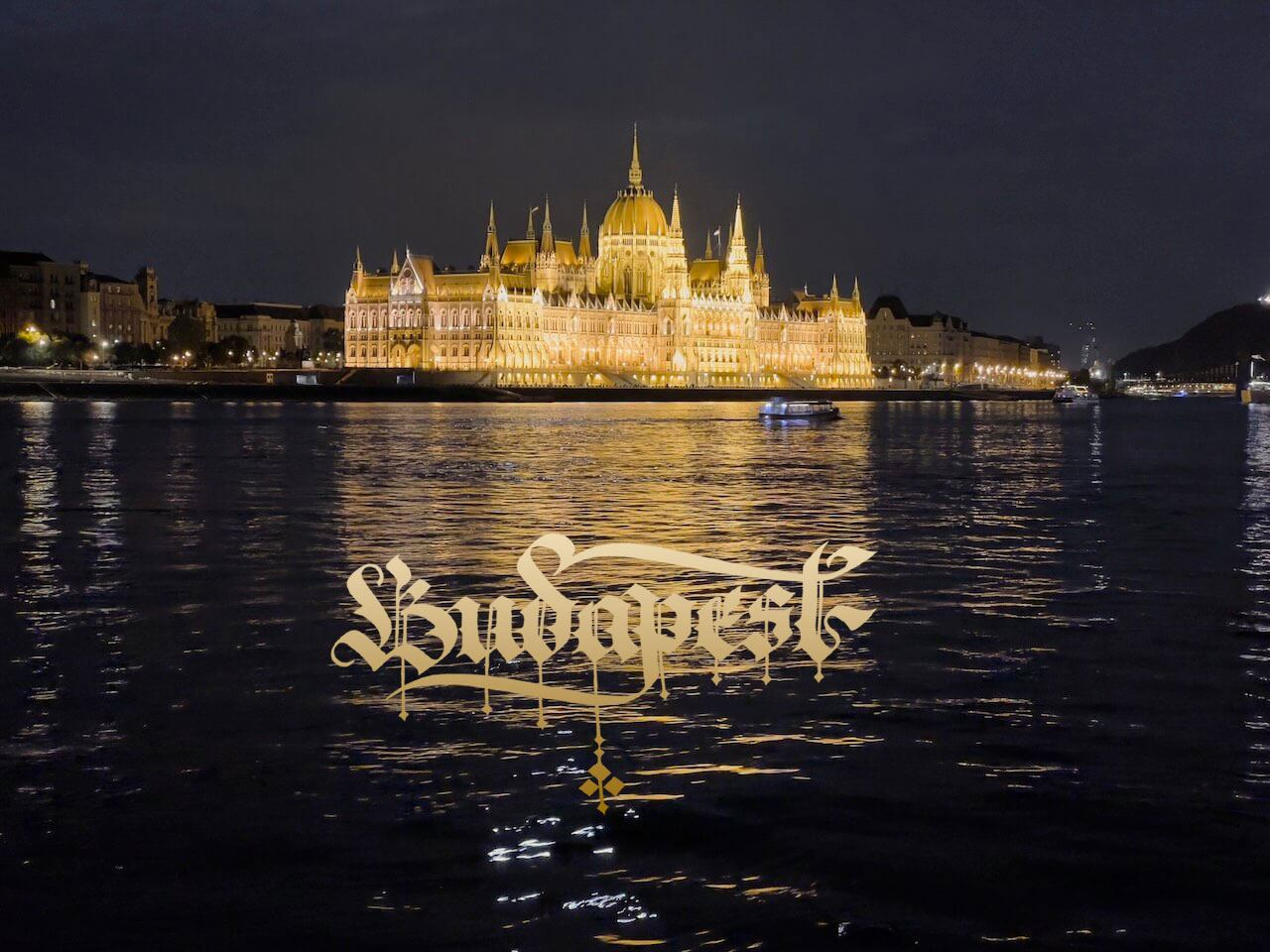
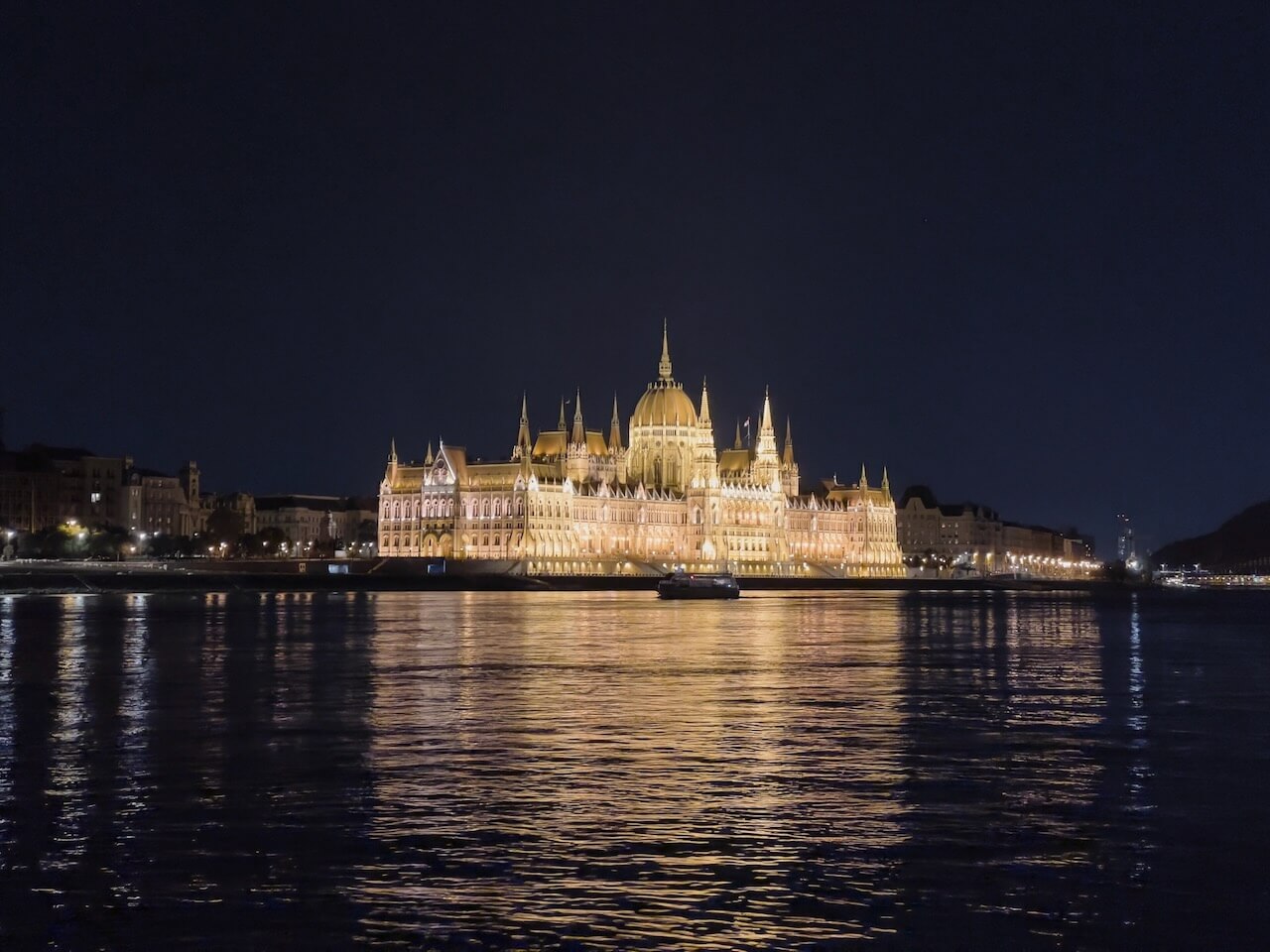
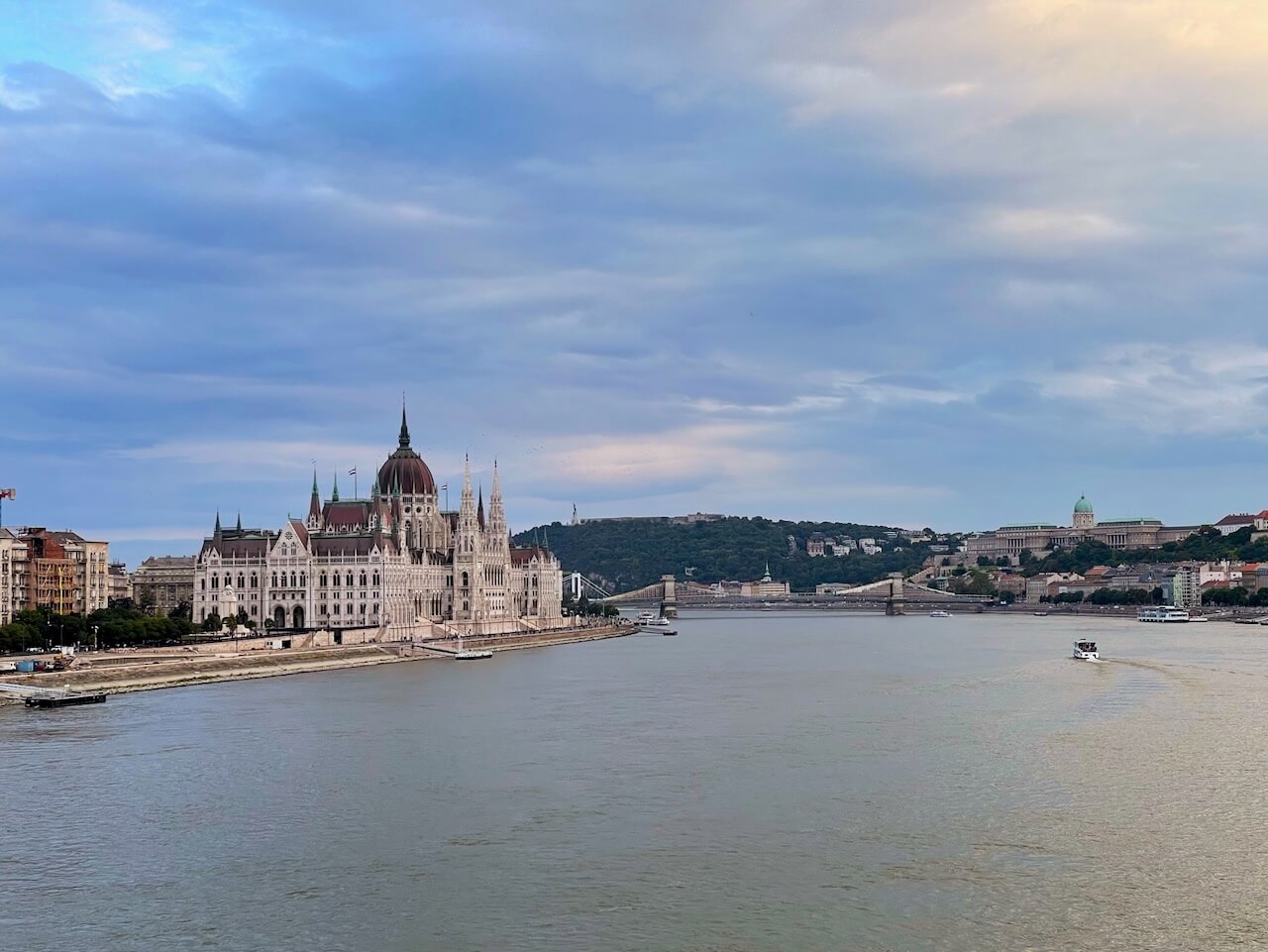
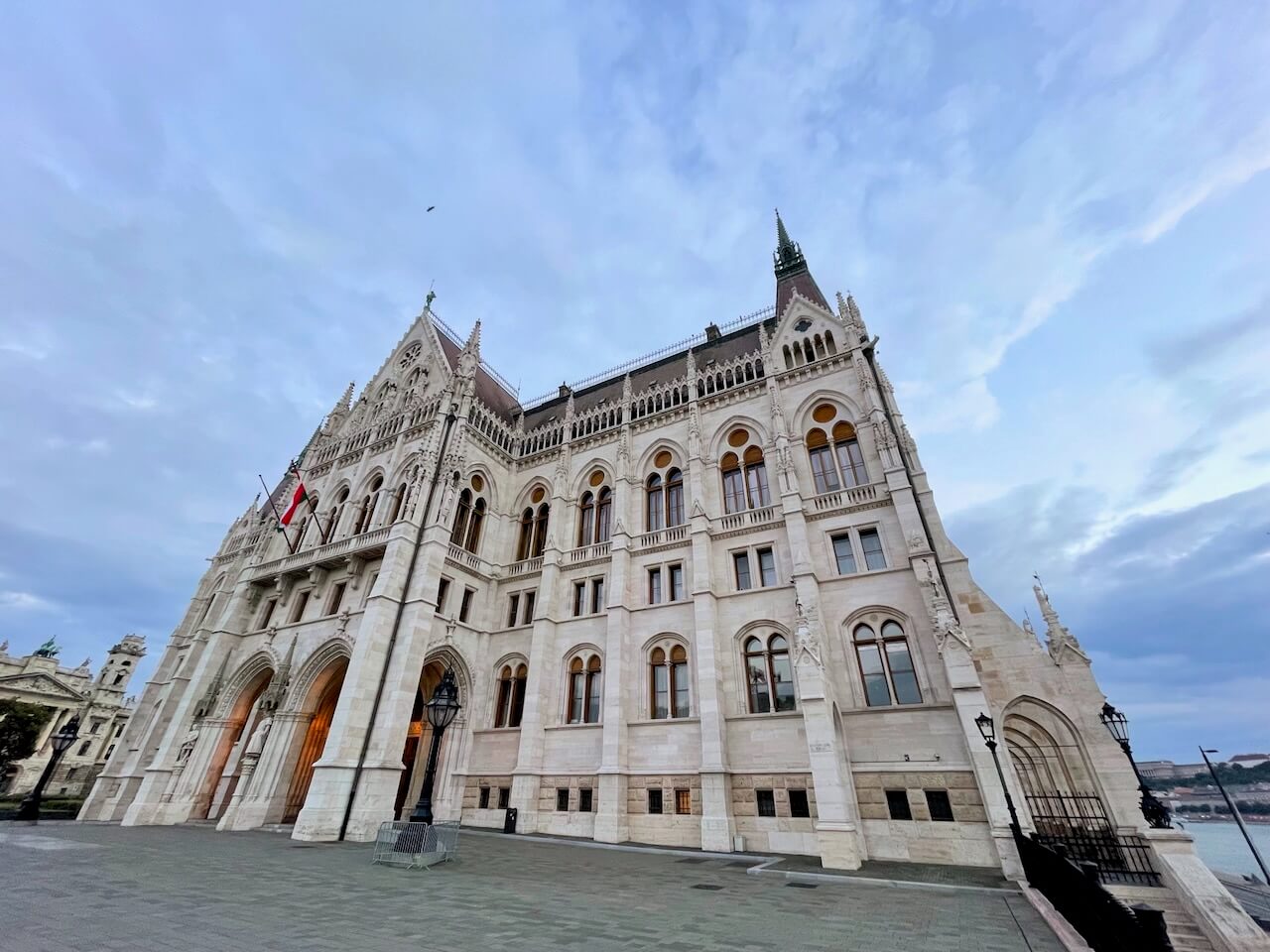
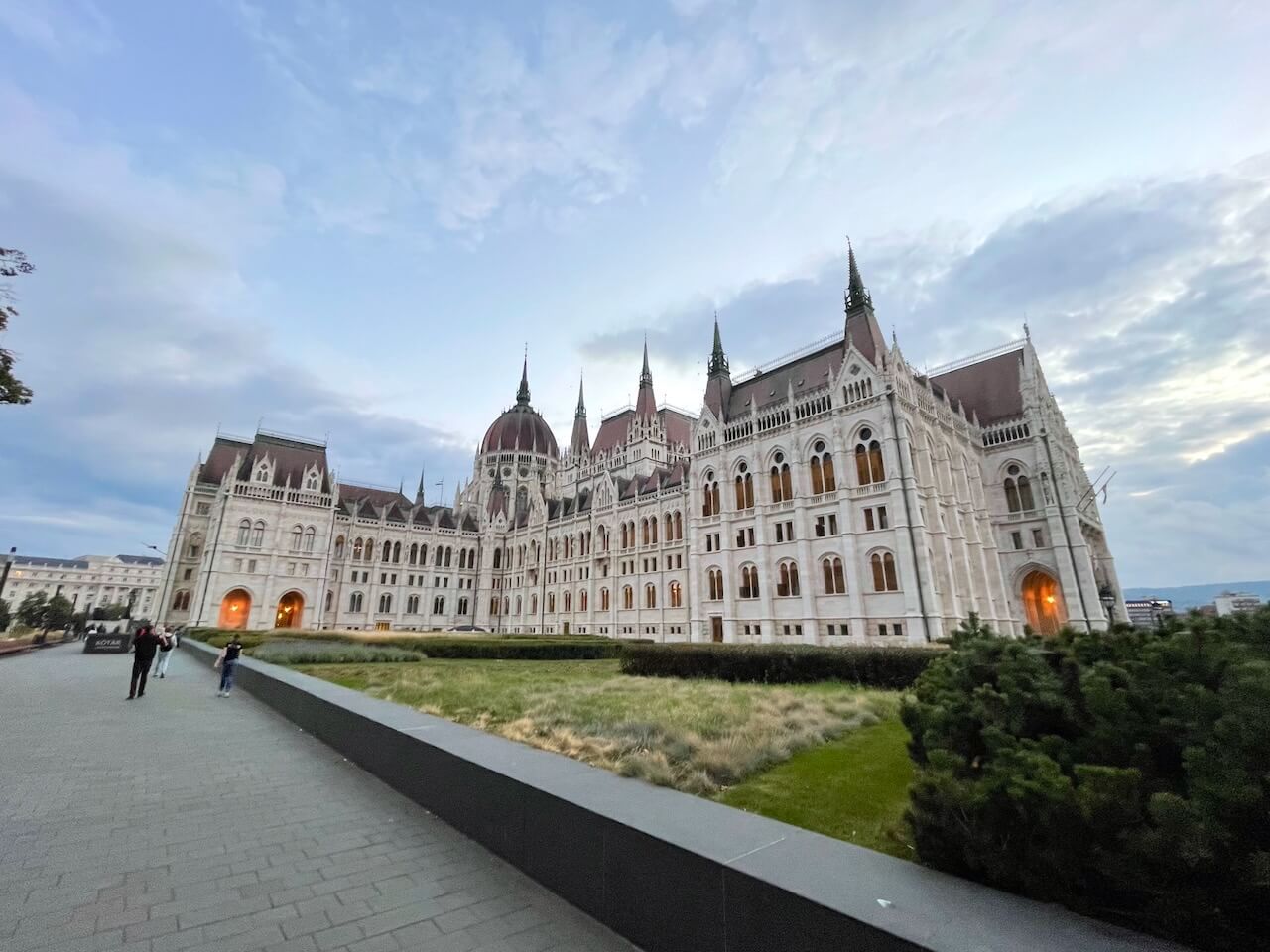
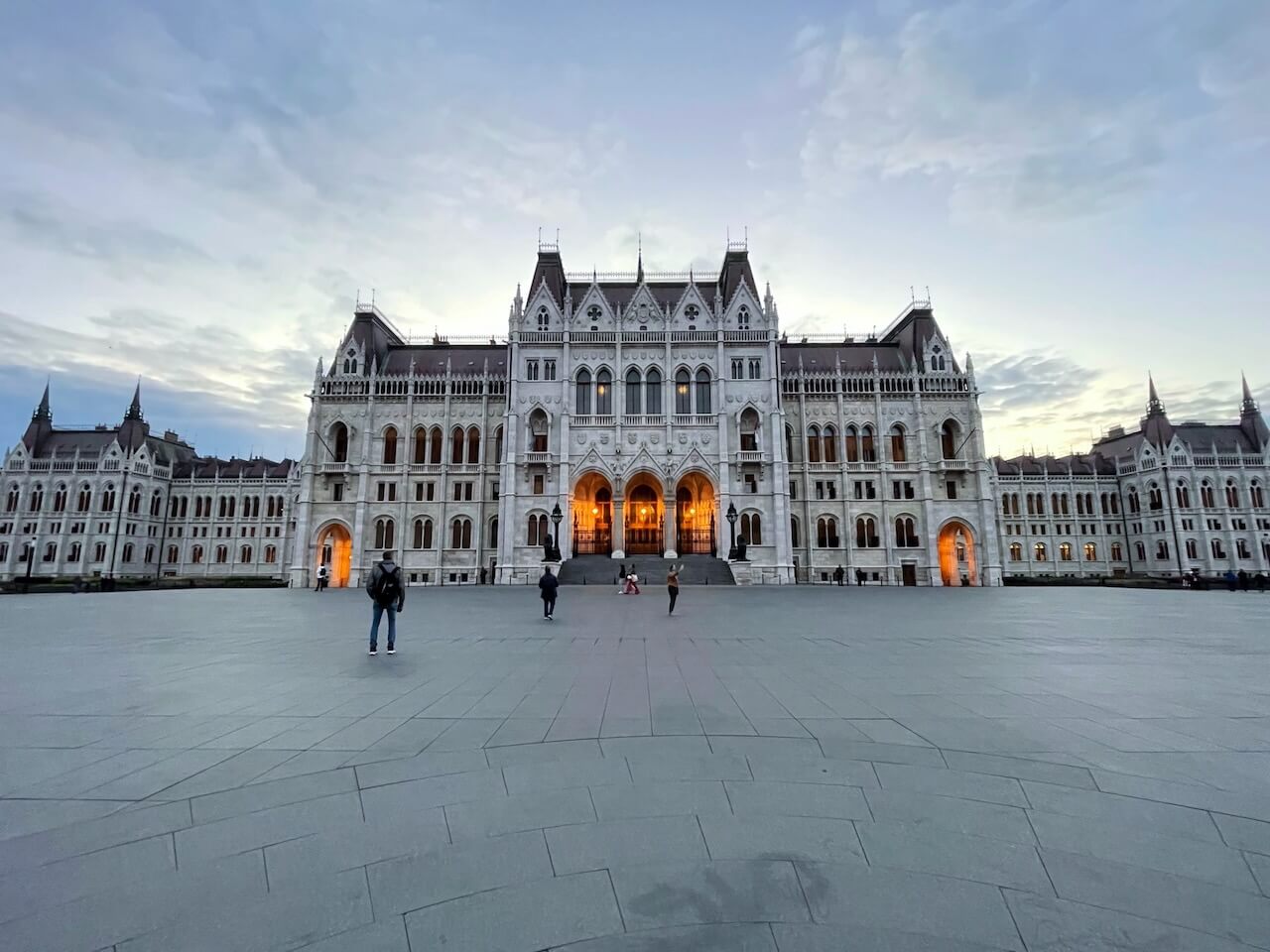
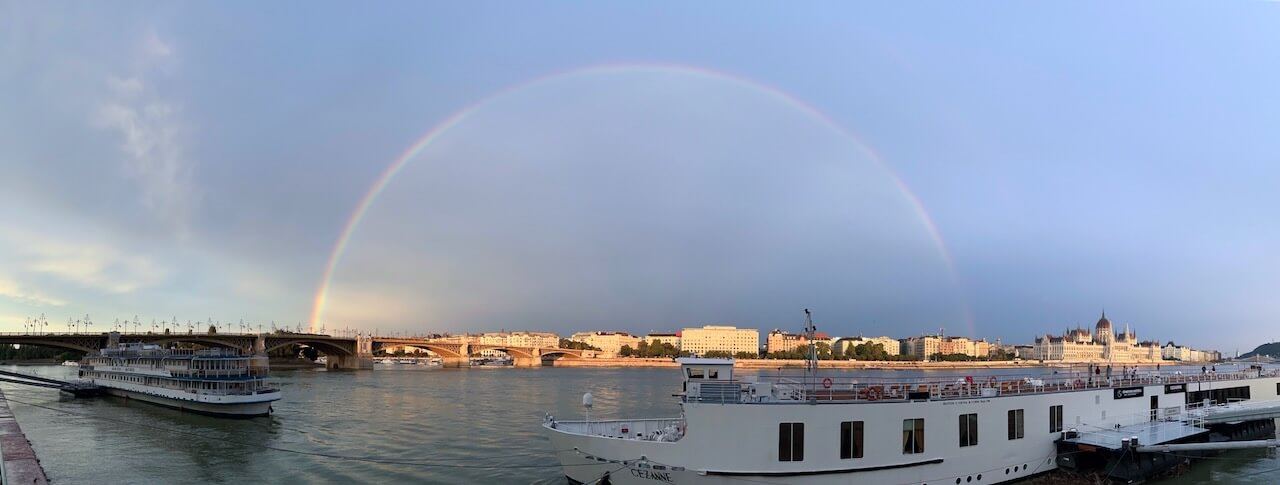
Budapest welcomed us with drama straight out of a movie scene. The Danube flowed calmly, pretending not to notice the city flexing on both banks, while river cruise ships drifted by like floating hotels that had clearly made good life choices. And just when it felt like Budapest couldn’t get any more theatrical, it casually dropped a full rainbow over the water. In the background, the Hungarian Parliament Building stretched along the river like an architectural mic drop, perfectly aware that it looks good in every possible light, angle, and mood.

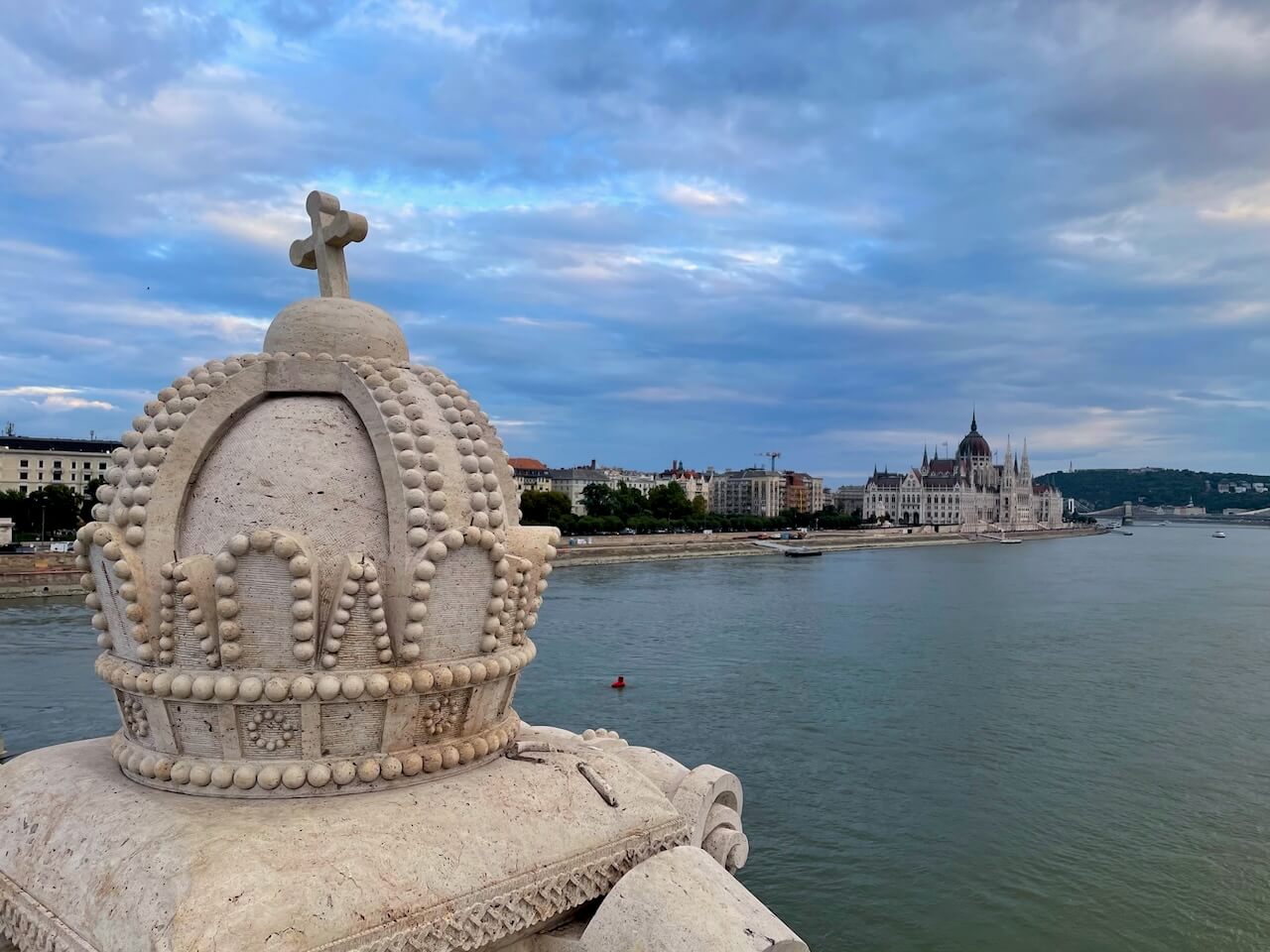
Crossing the Danube felt like walking through a live exhibition of very confident buildings. From the bridges, Pest buzzes with straight lines and movement, while Buda relaxes on its hills, watching calmly like an older sibling. The Parliament changes personality with every step — glowing warmly at night, sharp and elegant during the day — while stone crown statues on the bridges silently judge your photography skills. Even when you think you’ve seen the best view, Budapest gently proves you wrong a few meters later.

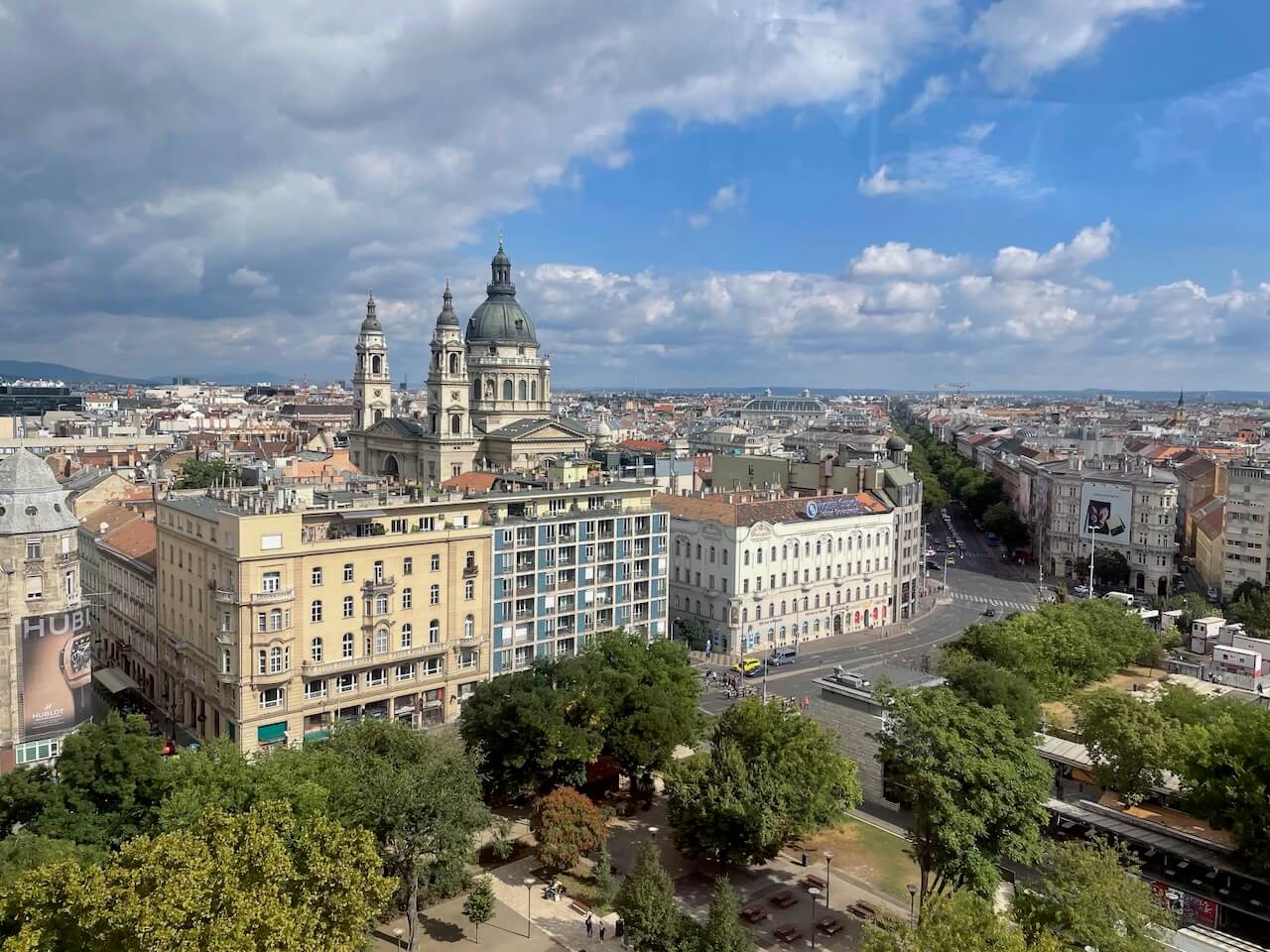
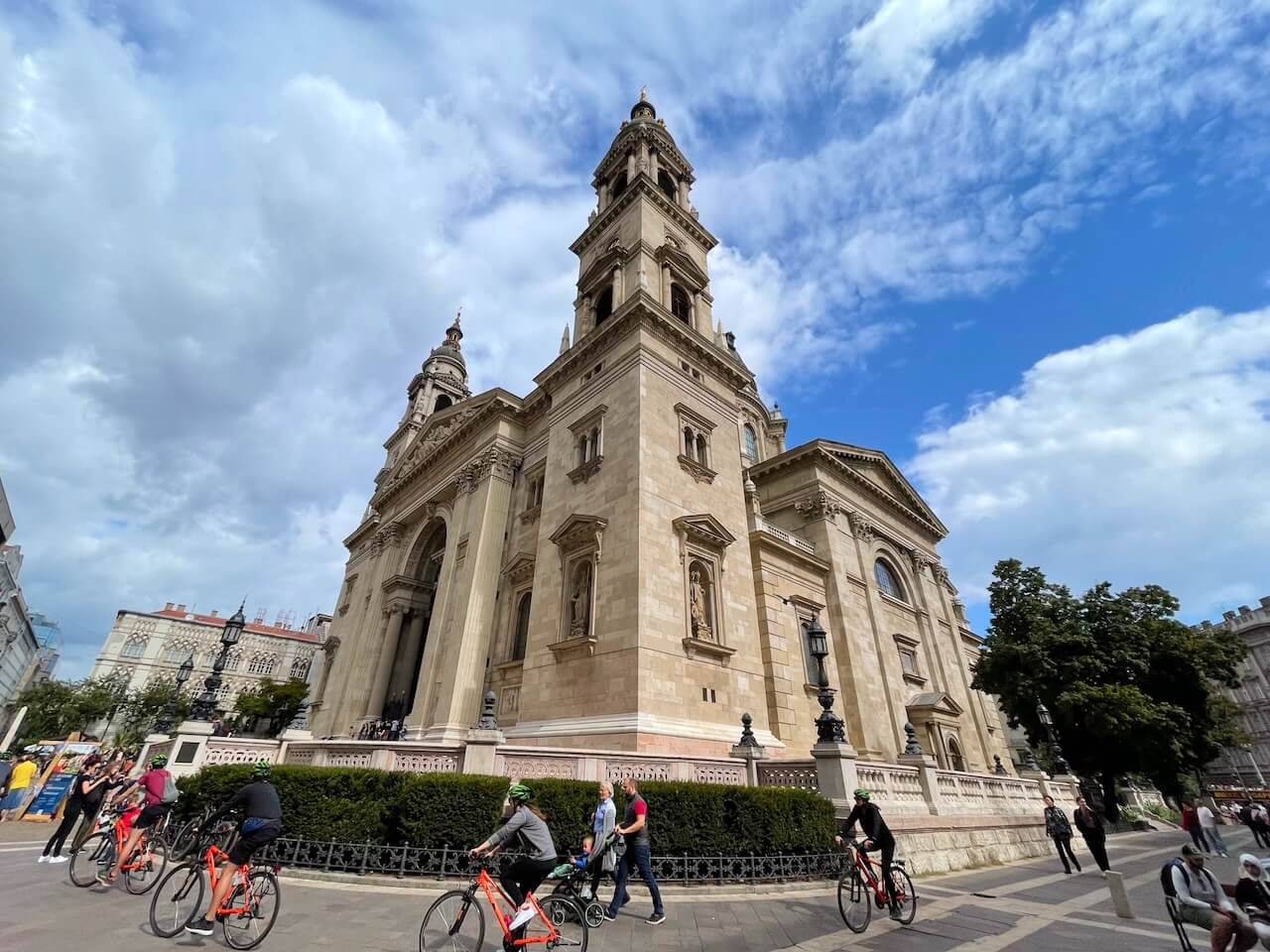
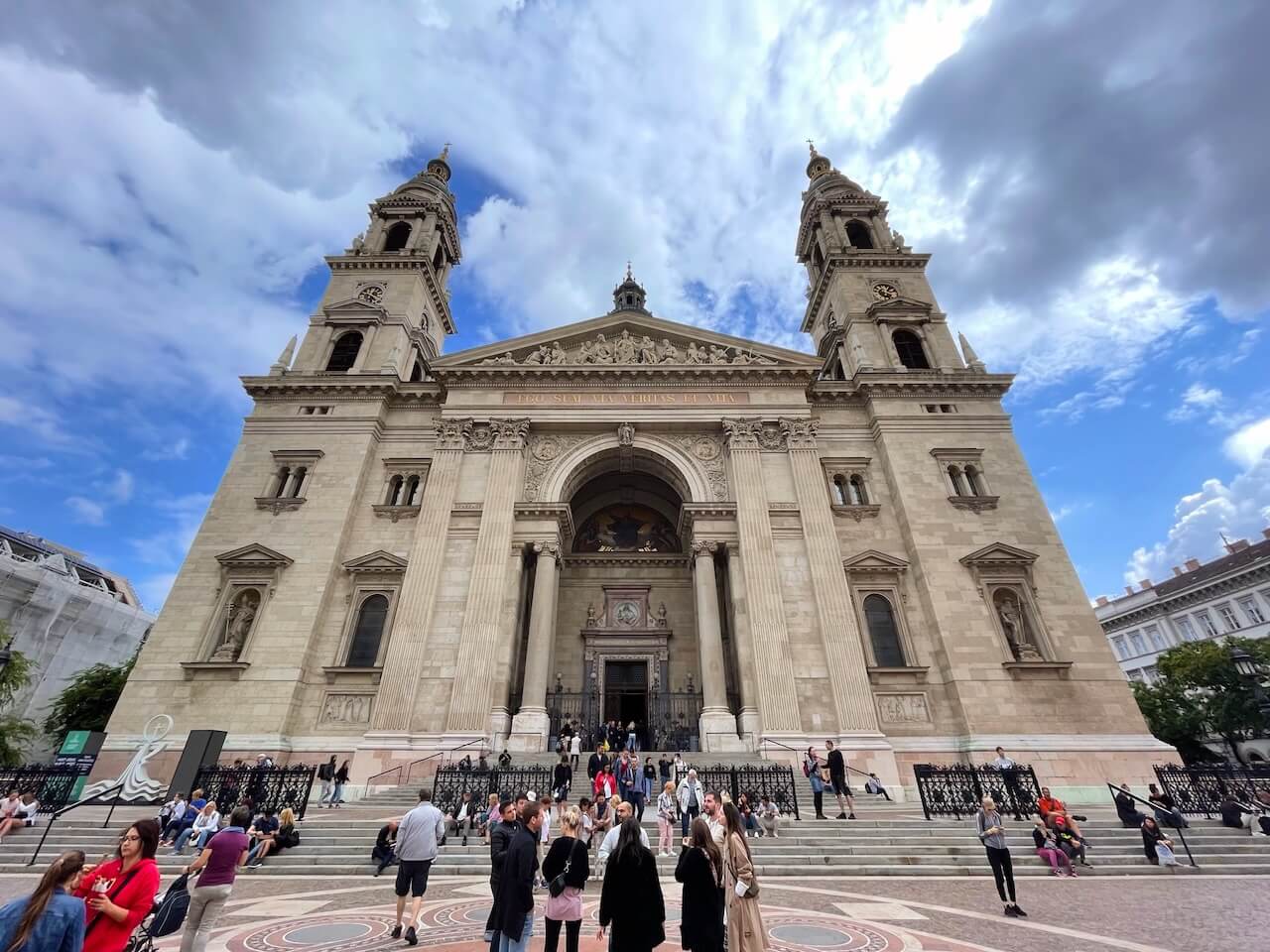
Deeper in the city, St. Stephen’s Basilica rises with the authority of something that knows it’s iconic. Standing below it, you suddenly understand why cyclists slow down, tourists stop talking, and everyone instinctively looks up. Life flows around it effortlessly: bikes glide past, families wander in loose formations, and cafés quietly do what they do best. Somewhere between the basilica, the wide streets, and the endless architectural details, Budapest stops being a destination and starts feeling like a place you could accidentally stay longer than planned.

Food and family time tie everything together, because in Budapest every walk eventually ends near something delicious. Days stretch comfortably from long strolls into longer meals, then back to the river as evening lights switch on and the Parliament begins its nightly glow. Add a bit of Formula 1 energy into the mix – fast, precise, and thrilling – and the city suddenly feels like a perfectly tuned engine wrapped in historic stone. Beautiful, tasty, lively, and relaxed all at once, Budapest somehow makes it all look effortless.

Earlier Ctrl + ↓